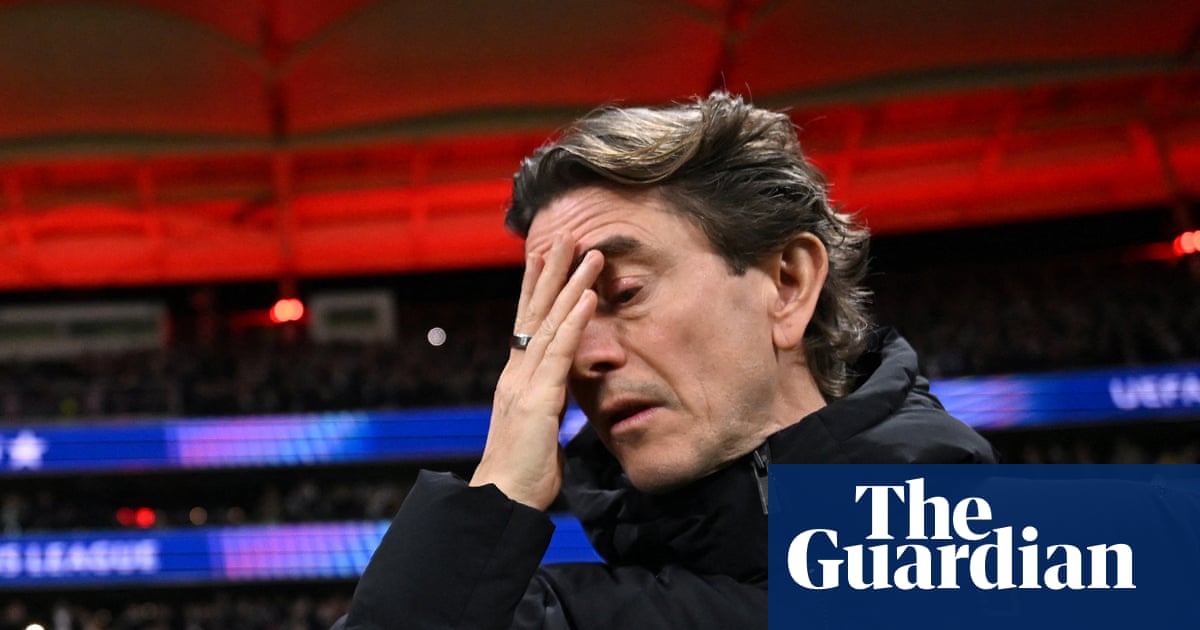
Tottenham Hotspur have dismissed head coach Thomas Frank roughly eight months into a three‑year contract after a sustained run of poor results left the club sliding down the Premier League table and uncomfortably close to the relegation zone. Liberal-leaning reports agree that Spurs’ form collapsed dramatically, with only two wins in 17 league matches, including damaging home defeats such as the loss to Newcastle and early exits from domestic cups that intensified pressure on the manager and hierarchy. These outlets note that Tottenham had paid Brentford around £6.7 million in compensation to secure Frank and his staff the previous summer, and that sacking him will trigger further multi‑million‑pound payouts under his contract, making this another costly reset in the club’s search for stability on the touchline.
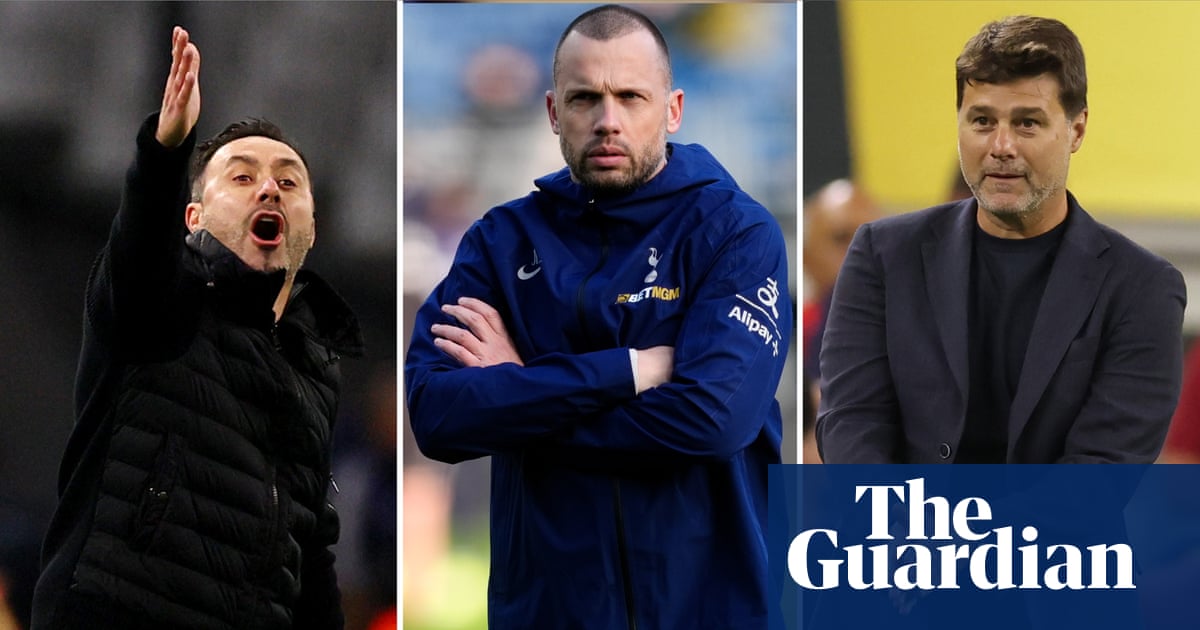
Coverage from liberal-aligned sources also converges on the broader context: Spurs entered the season with ambitious expectations that Frank’s pressing and structured approach would push the club back toward the top four, but the on‑field product quickly degenerated into blunt, risk‑averse football that offered little attacking threat. Reports describe a deteriorating relationship between Frank and sections of the fanbase as the team exited cups early and failed to win key league fixtures, feeding an impression that optimism had “unravelled” into open discontent. These sources agree that Tottenham are now racing to secure a replacement, with Roberto De Zerbi, interim coach John Heitinga and former manager Mauricio Pochettino all mentioned as leading or plausible candidates, alongside other names like Andoni Iraola and even ex‑Spurs striker Robbie Keane, underscoring that this sacking is being framed as part of a longer institutional pattern of managerial churn and reactive reform.
Areas of disagreement
Responsibility and blame. Liberal-aligned coverage largely places responsibility on Tottenham’s board and recruitment structure, arguing that the club yet again hired a coach whose philosophy did not fully match the squad and then failed to back him adequately before panicking after a bad run. Conservative-leaning commentary, by contrast, tends to emphasize Frank’s tactical inflexibility and poor man‑management, portraying the sacking as an unavoidable consequence of his inability to adapt and motivate an underperforming but still capable group of players.
Nature of the failure. Liberal sources often describe the collapse as a systemic failure of long-term planning at Spurs, highlighting a pattern of hiring promising managers and discarding them quickly when immediate success does not materialize. Conservative outlets are more inclined to frame this particular episode as a short, sharp managerial misfire rather than a structural crisis, suggesting that a more hard-nosed, results-first coach could still extract top‑six performances from essentially the same institutional setup.
Fan sentiment and expectations. Liberal reporting tends to stress that fan frustration was as much about years of unfulfilled promises from ownership as about Frank himself, portraying supporter discontent as a rational reaction to repeated cycles of hype followed by retrenchment. Conservative coverage more often depicts fans as demanding and impatient, arguing that pressure from the stands and social media amplified the crisis and pushed the club into acting sooner than a calmer appraisal of the season might have warranted.
Future direction and solutions. Liberal-leaning pieces generally argue that the choice of successor—whether De Zerbi, Pochettino, or another candidate—matters less than whether Spurs overhaul their underlying strategy, calling for deeper reforms in recruitment, youth integration and wage structure. Conservative-leaning analysis typically focuses on picking a strong personality who can “impose standards” and restore discipline, contending that a decisive, authoritative manager could turn results around without sweeping institutional change.
In summary, liberal coverage tends to frame Frank’s sacking as a symptom of deeper governance and strategic flaws at Tottenham that will persist unless the club’s hierarchy reforms its approach, while conservative coverage tends to treat it as a primarily managerial failure that can be corrected through a tougher, more results-oriented coaching appointment.
Story coverage