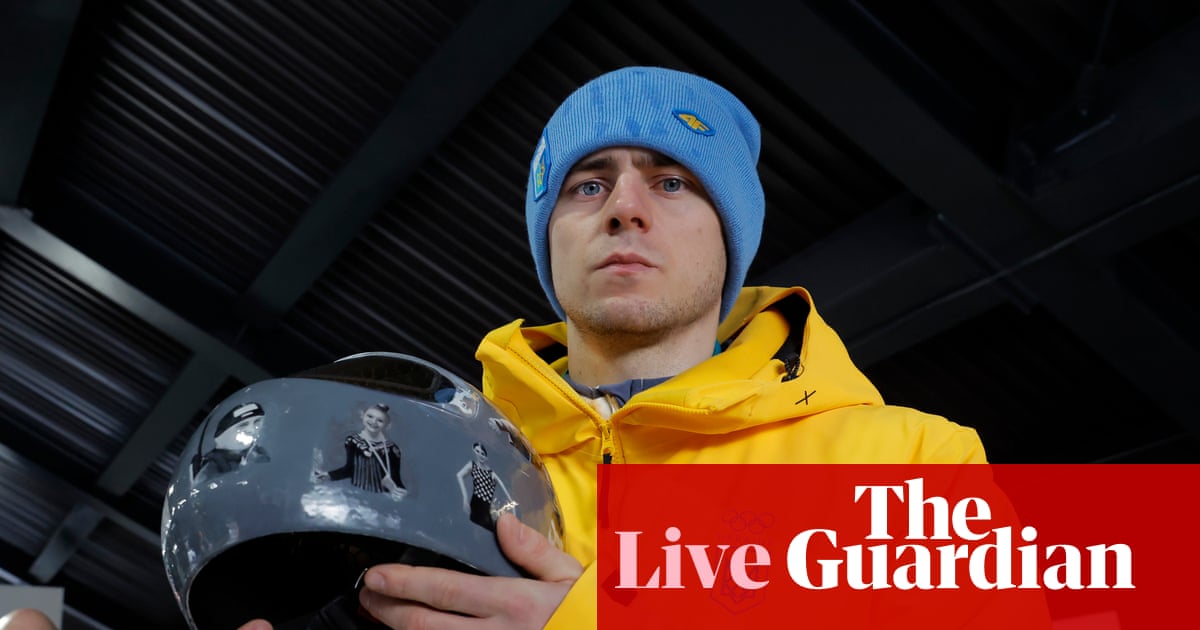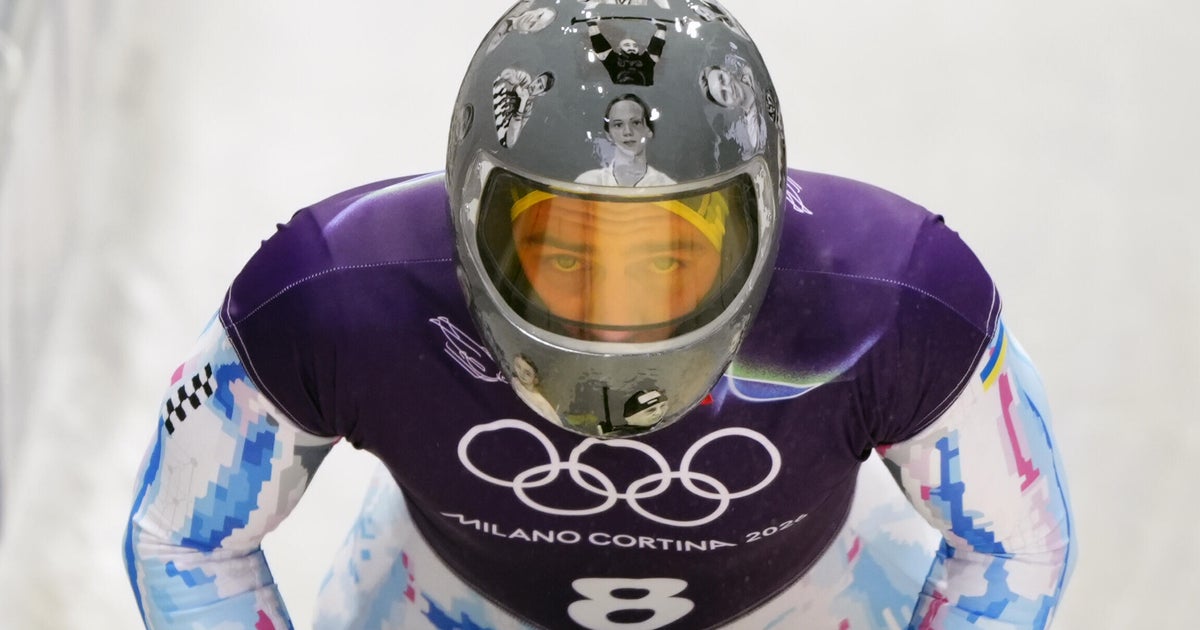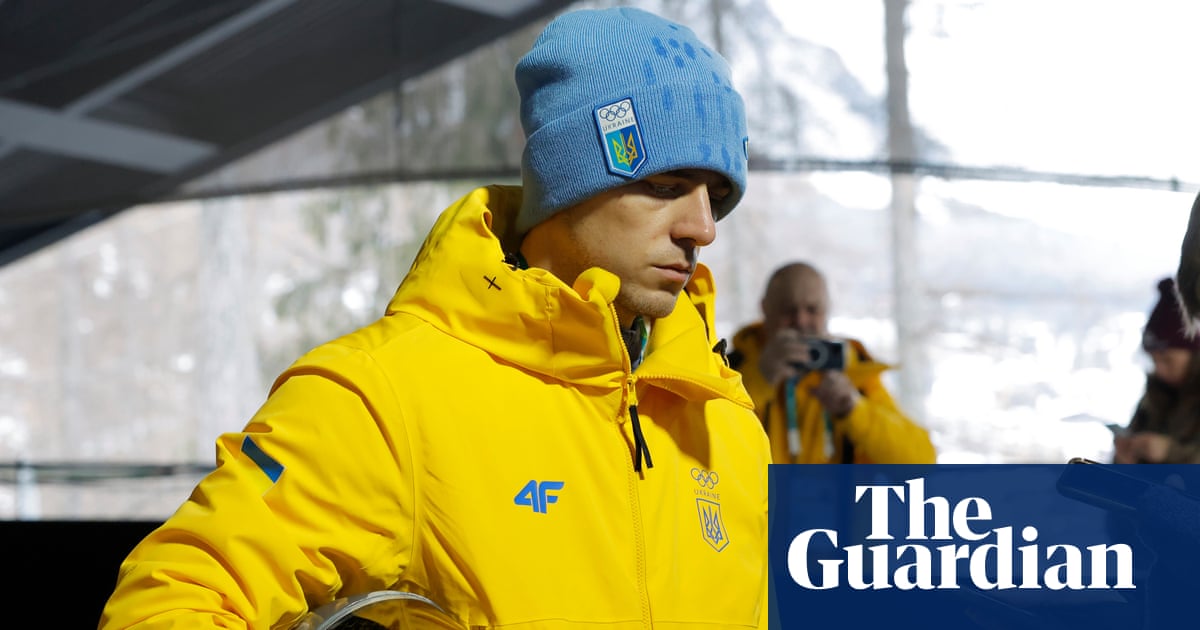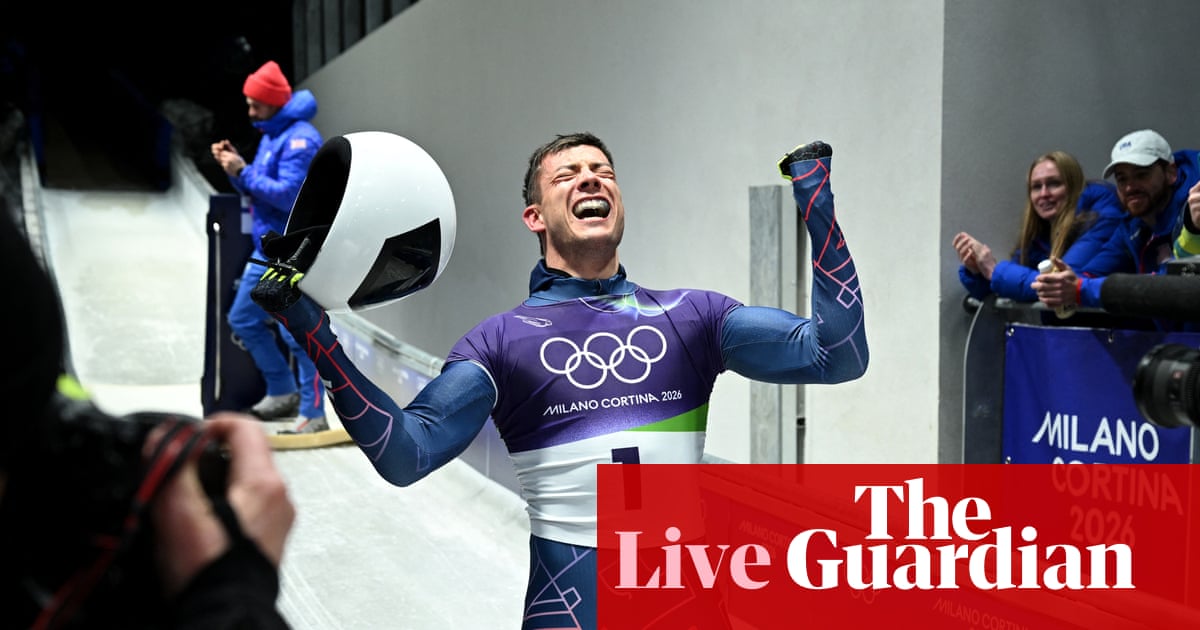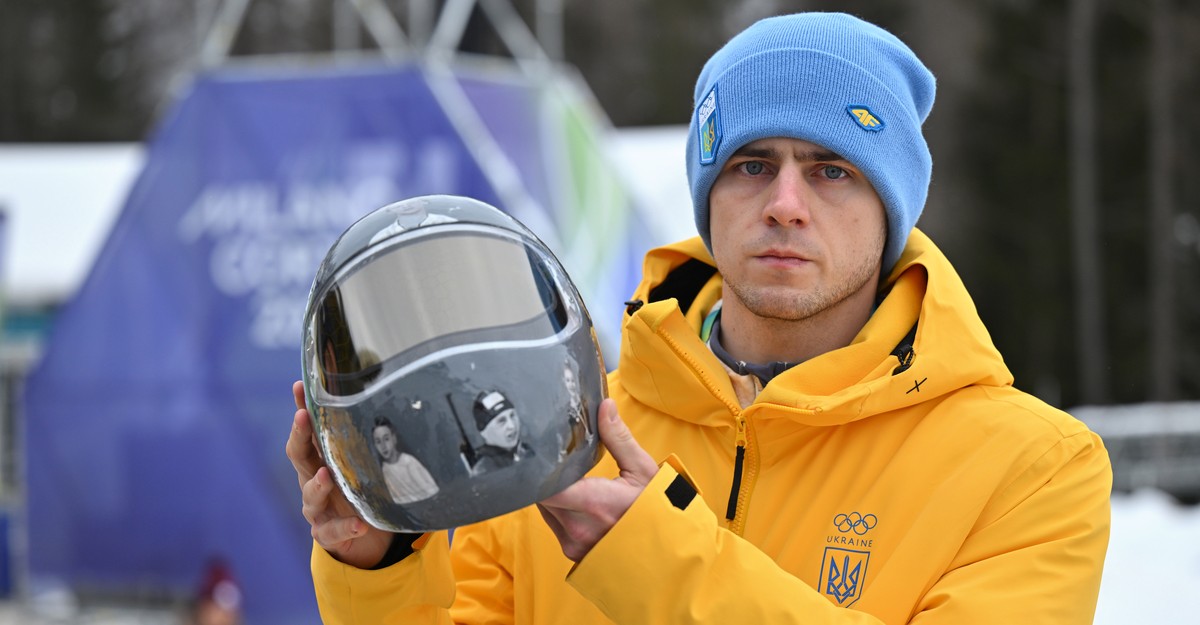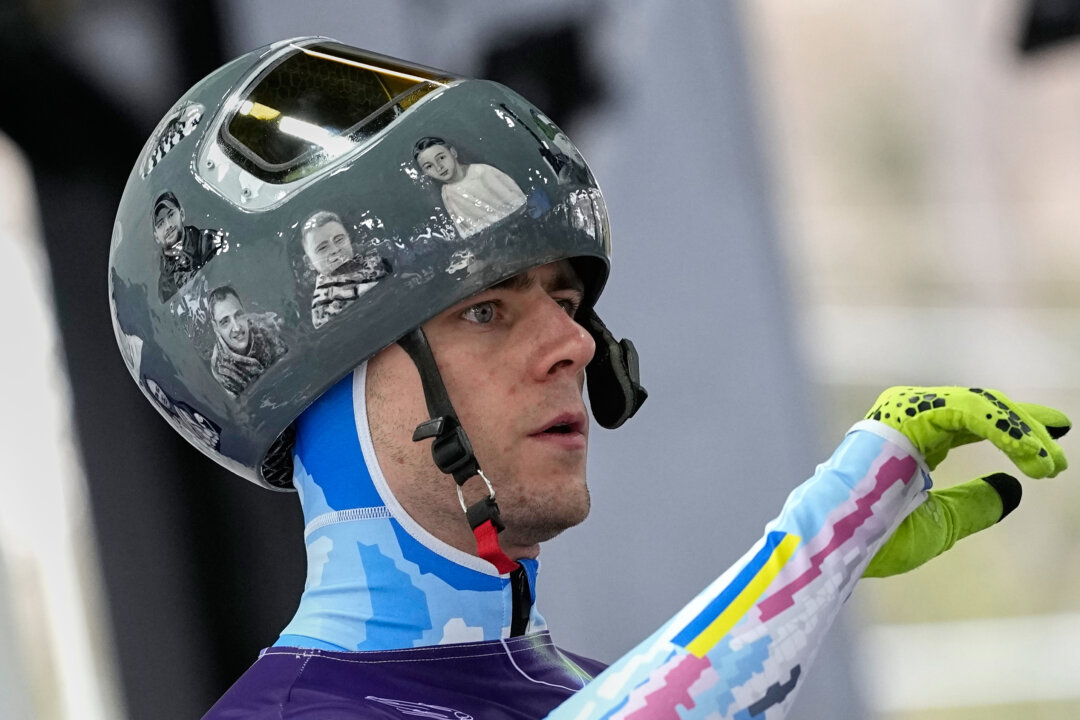




Ukrainian skeleton athlete Vladyslav Heraskevych was disqualified from competing at the 2026 Milan-Cortina Winter Olympics after he refused the International Olympic Committee’s request to change or remove his “helmet of memory,” which depicts Ukrainian athletes and coaches killed in Russia’s war. Both liberal and conservative outlets agree that he was pulled from the February 12 men’s skeleton event, that his accreditation was initially withdrawn and then later reinstated so he could remain in the Olympic village and support teammates, and that the IOC justified the decision by invoking Rule 50.2 of the Olympic Charter, which bans political statements and propaganda on the field of play. Coverage across the spectrum notes that Heraskevych and his family were emotionally affected, that he considers the helmet a tribute rather than a political slogan, and that he plans or planned an appeal to the Court of Arbitration for Sport.
Across ideological lines, outlets situate this episode within the IOC’s broader insistence on political neutrality at the Games, rooted in longstanding Olympic rules limiting athlete expression during competition and medal ceremonies. Both sides describe the war in Ukraine as the backdrop, highlighting that the helmet specifically commemorates compatriots killed since Russia’s invasion and that the IOC says it has no quarrel with the message itself but must enforce content-neutral regulations. Coverage converges on the idea that this case sits at the intersection of remembrance, free expression, and institutional rule enforcement, with Heraskevych insisting his focus is honoring friends and fallen sports figures rather than lobbying for specific policies or parties. Media from both camps also reference prior debates over athlete protests at recent Olympics to frame this dispute as part of an ongoing struggle over how far the Olympic movement can or should go in policing political symbolism.
Areas of disagreement
Nature of the act. Liberal-aligned outlets overwhelmingly frame Heraskevych’s helmet as a non-political act of human remembrance for war victims, stressing his claim that he is honoring friends and fallen athletes rather than making a partisan statement. Conservative outlets also highlight the commemorative aspect but more readily describe the helmet as a moral reminder of Russian aggression that necessarily carries political implications. Liberal coverage tends to parse the distinction between memory and politics to argue that the IOC misapplied its own rules, while conservative coverage is more comfortable characterizing the helmet as both tribute and warning about an aggressor.
Assessment of the IOC. Liberal sources depict the IOC as having “got it badly wrong,” emphasizing reputational damage, emotional harm to the athlete, and a pattern of inconsistency in enforcing Rule 50.2 across different protests and symbols. Conservative outlets criticize the IOC as well, but their focus is less on institutional hypocrisy and more on how the decision effectively assists or normalizes Russian narratives by silencing a victim nation’s testimony. While liberal coverage calls for apologies and reform of expression rules, conservative coverage stresses that neutral rule enforcement should not override clear moral distinctions between aggressor and victim.
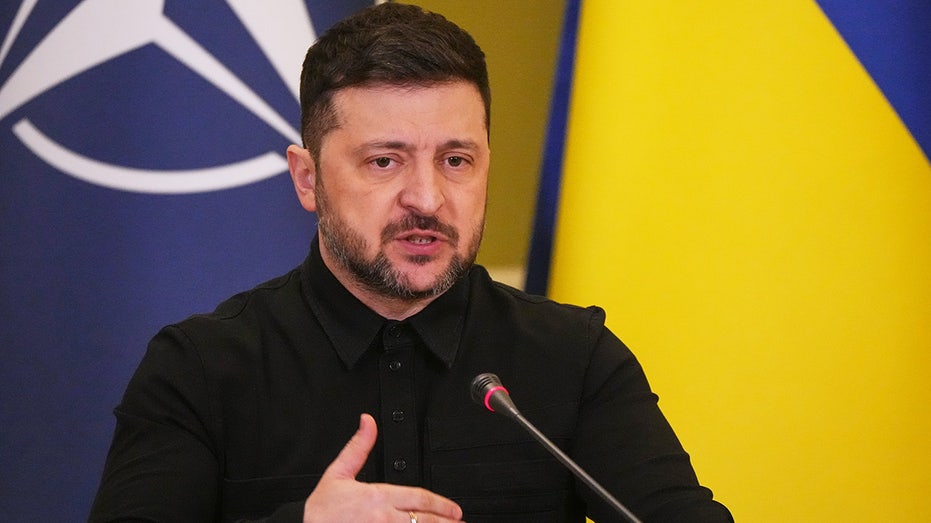
Geopolitical framing. Liberal reporting centers the internal Olympic governance story—rule 50, PR missteps, and the tension between athlete expression and organizational neutrality—using Russia mainly as factual context for the war that produced the victims on the helmet. Conservative outlets more strongly foreground President Zelenskyy’s condemnation and cast the move as part of a broader pattern of international bodies appeasing or accommodating Russian interests. Liberal pieces tend to avoid presenting the IOC as deliberately pro-Russian, while conservative pieces more readily echo Heraskevych’s and Zelenskyy’s suggestions that the ruling functions as propaganda or a win for Moscow.
Implications for athlete activism. Liberal sources link the case to a wider trajectory of athlete protests at recent Games, arguing that Heraskevych’s stand exposes how vague and unevenly enforced rules chill legitimate expressions of conscience. Conservative coverage is comparatively more selective, focusing on this incident as a unique moral test tied to an ongoing war rather than as a general mandate to expand protest rights in sport. Where liberal outlets worry that rigid neutrality undermines the Olympics’ moral credibility in many contexts, conservative outlets mainly argue that, at minimum, the IOC must distinguish between expressions that support an authoritarian aggressor and those that honor its victims.
In summary, liberal coverage tends to treat the helmet as a fundamentally apolitical memorial that exposes IOC overreach, inconsistency, and the need to liberalize or clarify rules on athlete expression, while conservative coverage tends to treat it as both tribute and inherently moral-political message whose suppression plays into Russian interests and illustrates the dangers of value-neutral bureaucracy.
Story coverage