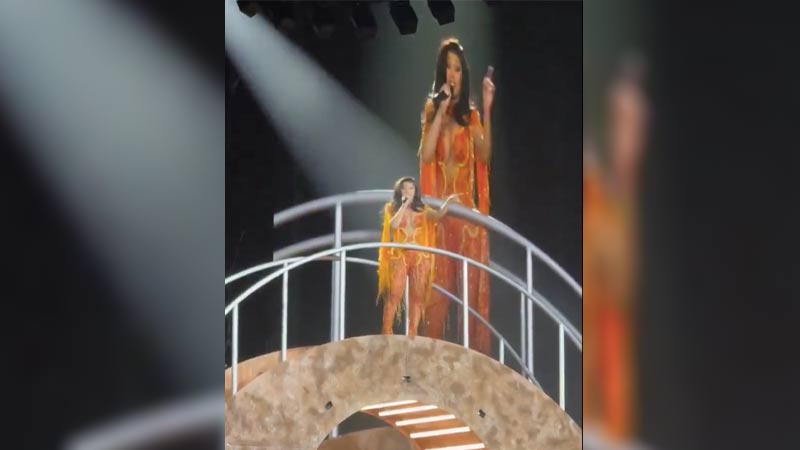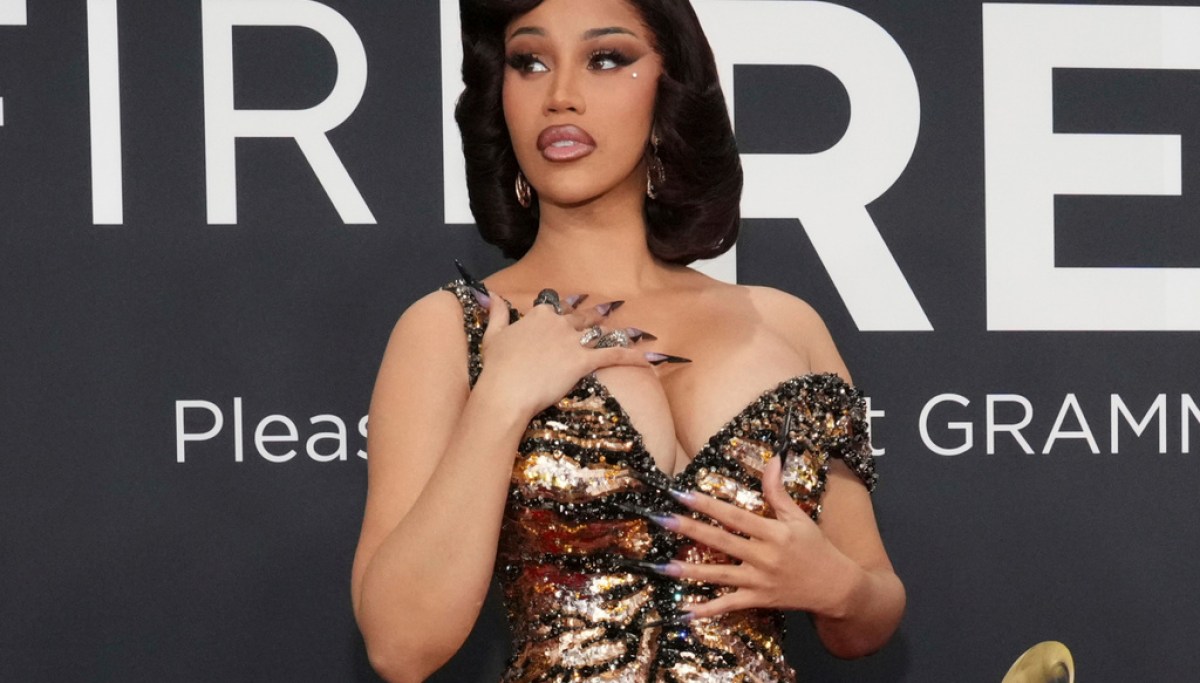



During the opening night of her "Little Miss Drama" arena tour at Acrisure Arena in Palm Desert, California, rapper Cardi B told the crowd that if Immigration and Customs Enforcement agents came into the venue "we're gonna jump they asses" and added that she had "some bear mace in the back" and that agents were not going to "take" her fans. Both liberal- and conservative-aligned coverage agree that these comments were made on stage during her tour debut, framed as a promise to protect fans from possible immigration enforcement actions, and that the remarks quickly circulated online, drawing significant political commentary. Reports also concur that she has a history of outspoken political statements and that figures aligned with Donald Trump, such as advisor Alex Bruesewitz, publicly condemned her words as advocating violence.
Across coverage, there is shared acknowledgment that ICE is a federal agency tasked with immigration enforcement and that it has long been a flashpoint in U.S. debates over immigration policy and civil liberties. Both sides note Cardi B’s prior criticism of Trump-era immigration policies and her support for Democratic politicians, including previously campaigning for Kamala Harris, as important background for understanding why she would address ICE at a concert in California. Outlets generally situate the incident within the broader cultural and political context of celebrities using their platforms to comment on enforcement actions and express solidarity with immigrant communities at a time when concerns about raids and deportations remain prominent.
Areas of disagreement
Serious threat vs. playful rhetoric. Liberal-aligned coverage tends to suggest or at least amplify the idea that Cardi B’s language was performative, emotionally charged, or playful crowd work rather than a literal operational plan to attack federal agents, sometimes noting the entertainment context of a tour debut and her over-the-top persona. Conservative outlets, by contrast, portray her words as a direct and serious call to physically assault ICE officers, stressing the explicit mention of "jump" and "bear mace" as evidence that she crossed a bright line into advocating violence against law enforcement.
Moral framing and responsibility. Liberal coverage, where it engages the controversy, often situates her comments in a broader moral outrage over immigration enforcement practices, implying that her instinct to "protect" fans is rooted in fear of raids and deportations and reflecting the anxieties of immigrant communities, which softens the perceived culpability of her rhetoric. Conservative coverage emphasizes individual responsibility and law-and-order norms, arguing that a high-profile artist bears special responsibility not to inflame hostility toward federal agents and casting her statements as reckless, dangerous, and potentially criminal regardless of her political motives.
Portrayal of ICE and law enforcement. Liberal-leaning narratives generally present ICE as a controversial institution whose aggressive tactics and past abuses explain why a figure like Cardi B would rail against it on stage, often invoking prior criticisms of Trump-era immigration crackdowns as context for her defiance. Conservative outlets, however, frame ICE primarily as legitimate federal officers executing duly enacted laws, depict Cardi B’s comments as demonizing public servants, and warn that normalizing talk of "jumping" agents could endanger officers and undermine respect for immigration law.
Political significance and culture-war framing. Liberal-aligned coverage minimizes the event’s broader political stakes, treating it more as a flashpoint in celebrity activism and fan solidarity than a major development in immigration policy debates, and tends to note conservative backlash without presenting it as an existential threat to civic order. Conservative media, in contrast, fold the incident squarely into culture-war narratives about the left’s hostility to law enforcement and the Democratic Party’s alignment with celebrity activists, highlighting her support for Kamala Harris and labeling her a "leftist singer" to argue that such rhetoric reflects a wider anti-ICE, anti-border-enforcement ideology.
In summary, liberal coverage tends to contextualize Cardi B’s comments as over-the-top, emotionally driven rhetoric rooted in opposition to harsh immigration enforcement and fears within immigrant communities, while conservative coverage tends to treat her statements as a literal incitement to violence against legitimate federal officers and emblematic of a broader left-wing disrespect for law and order.
Story coverage