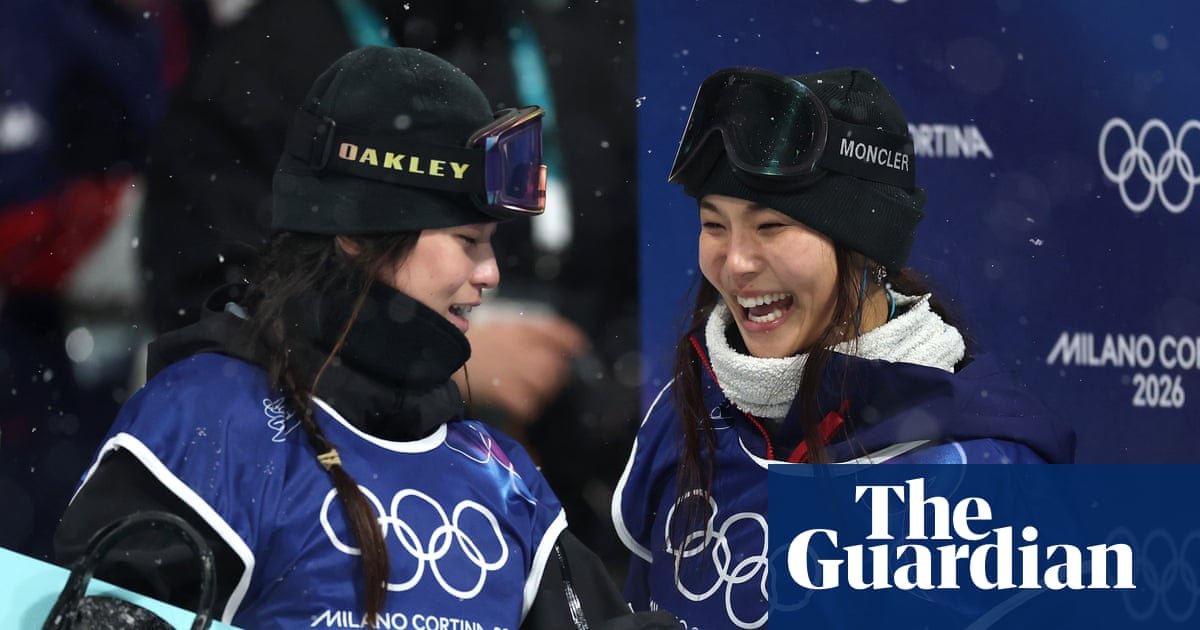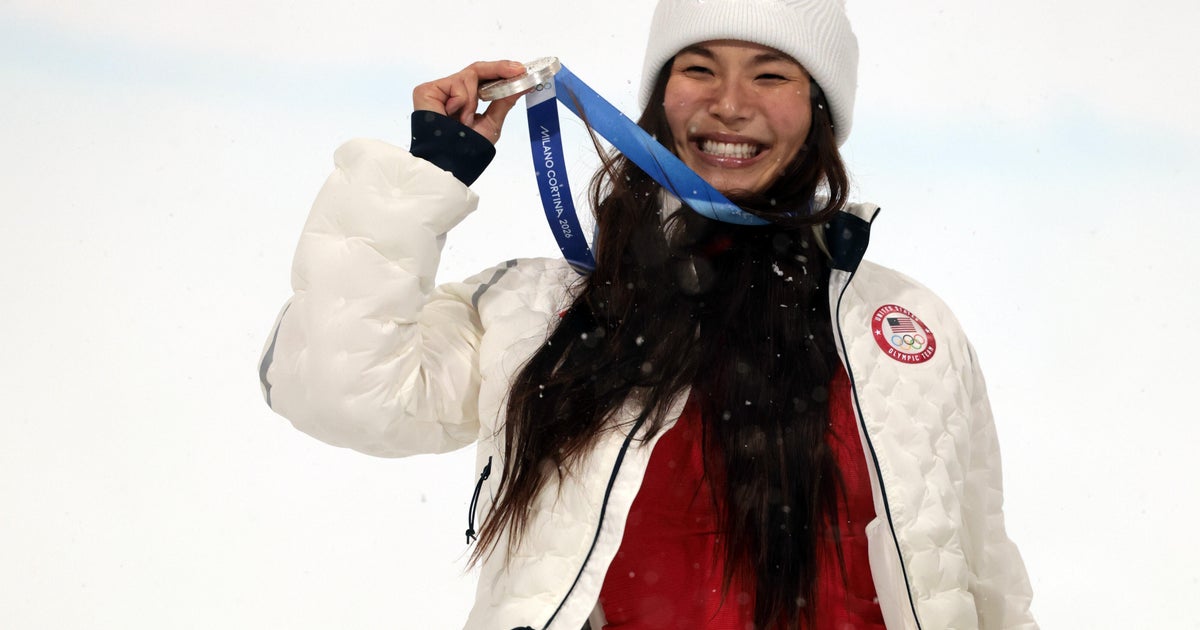


Chloe Kim, the two-time defending Olympic champion in women’s snowboard halfpipe, finished with the silver medal after being surpassed by South Korea’s Choi Gaon in the final at the Winter Olympics. Across outlets, reports agree that Kim opened with a strong first run scoring 88.00, which briefly put her in the lead until Choi landed a record-setting third run that earned 90.25 and secured gold. Coverage consistently notes that this result ended Kim’s bid for an unprecedented Olympic three-peat in the event and marked Choi’s first Olympic title, with the competition held on Thursday at the women’s halfpipe venue and decided on the final runs.
Liberal and conservative sources both describe a cleanly judged event with no major scoring controversy, emphasizing that Choi’s technical difficulty and execution legitimately overtook Kim’s early lead. They agree that Kim was competing while managing a shoulder injury and that the level of riding reflected a broader progression in women’s snowboarding, with younger athletes elevating difficulty and amplitude. Both sides highlight that Kim expressed sportsmanship and grace in post-event comments, acknowledging Choi’s achievement and recognizing a generational shift in the sport. There is shared framing that this competition represents both the end of one dominant chapter and the emergence of a new rival at the top of the women’s halfpipe.
Areas of disagreement
Framing of the result. Liberal-aligned outlets tend to frame the outcome as a historic passing of the torch, stressing that a silver medal amid rising difficulty and a field of younger riders still affirms Kim’s elite status, while spotlighting Choi Gaon’s breakthrough as a positive evolution for the sport. Conservative outlets more bluntly describe Kim as having “fallen short” of her three-peat, emphasizing the loss of a dominant American streak and giving less narrative space to Choi’s personal journey. While both acknowledge the same podium outcome, liberals narrate it as a natural transition, whereas conservatives lean into the storyline of a failed bid for continued American dominance.
Emphasis on national identity. Liberal coverage underscores the cross-cultural inspiration between athletes, noting that Choi has cited Kim as a role model and portraying the moment as a shared Korea–U.S. success story within a global Olympic community. Conservative coverage, by contrast, focuses more narrowly on the United States giving up gold to South Korea, often leading with the disappointment for Team USA rather than the binational connections between the competitors. Where liberal sources highlight transnational mentorship and representation, conservative sources center the competitive national scoreboard and the end of an American winning streak.
Athlete narrative and legacy. Liberal outlets devote significant space to Kim’s broader legacy, her resilience in competing with a shoulder injury, and her role in pushing women’s snowboarding forward, casting the silver as part of an ongoing, influential career rather than a downturn. Conservative coverage, at least in the available reporting, is more transactional and results-driven, focusing on placements and the fact that Kim did not secure a third gold, with relatively less contextualization of her long-term impact on the sport. As a result, liberals frame Kim as both champion and mentor in a transitional moment, while conservatives present her primarily as a favored competitor who was beaten on the day.
In summary, liberal coverage tends to present the event as a nuanced, inspirational inflection point that celebrates both Kim’s enduring stature and Choi’s rise within a global, interconnected sport, while conservative coverage tends to foreground the simple fact of Kim’s failed three-peat and the loss of American gold to a South Korean challenger.
Story coverage