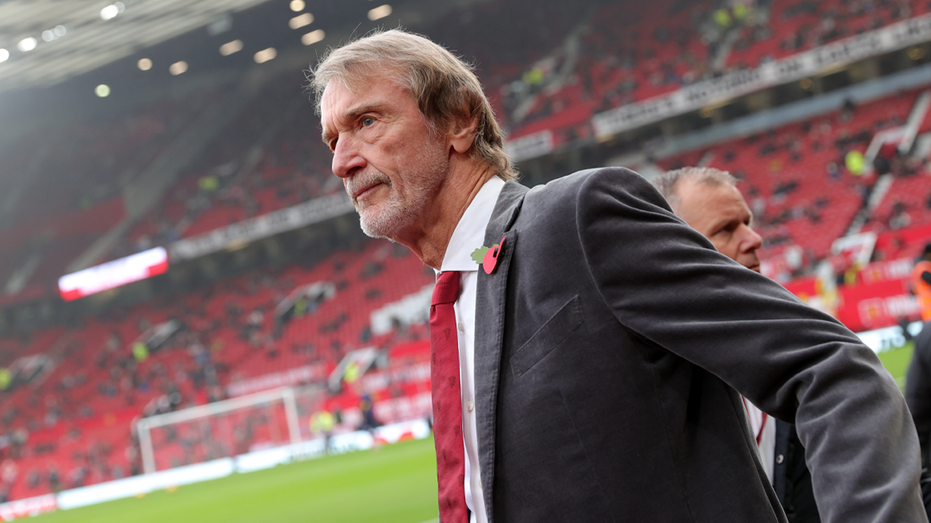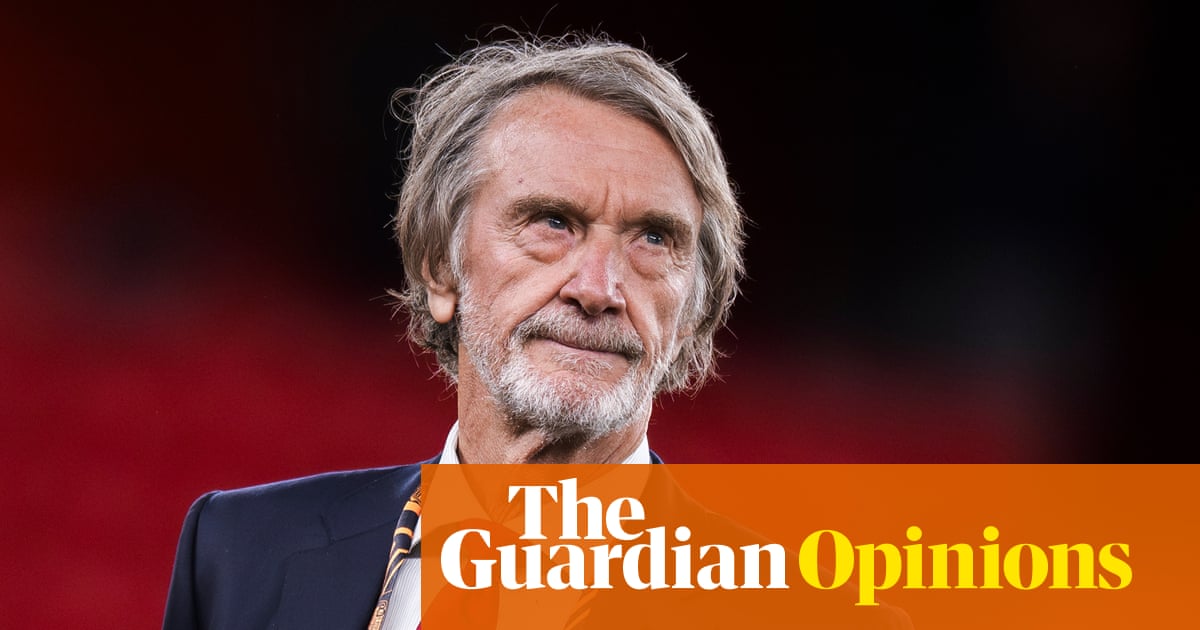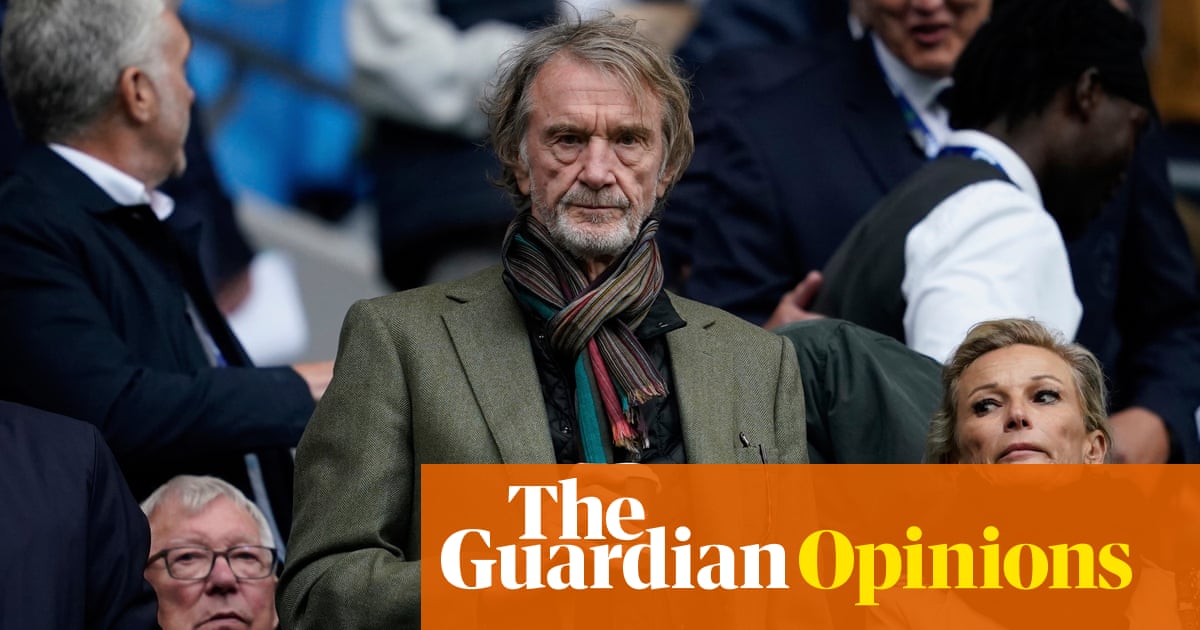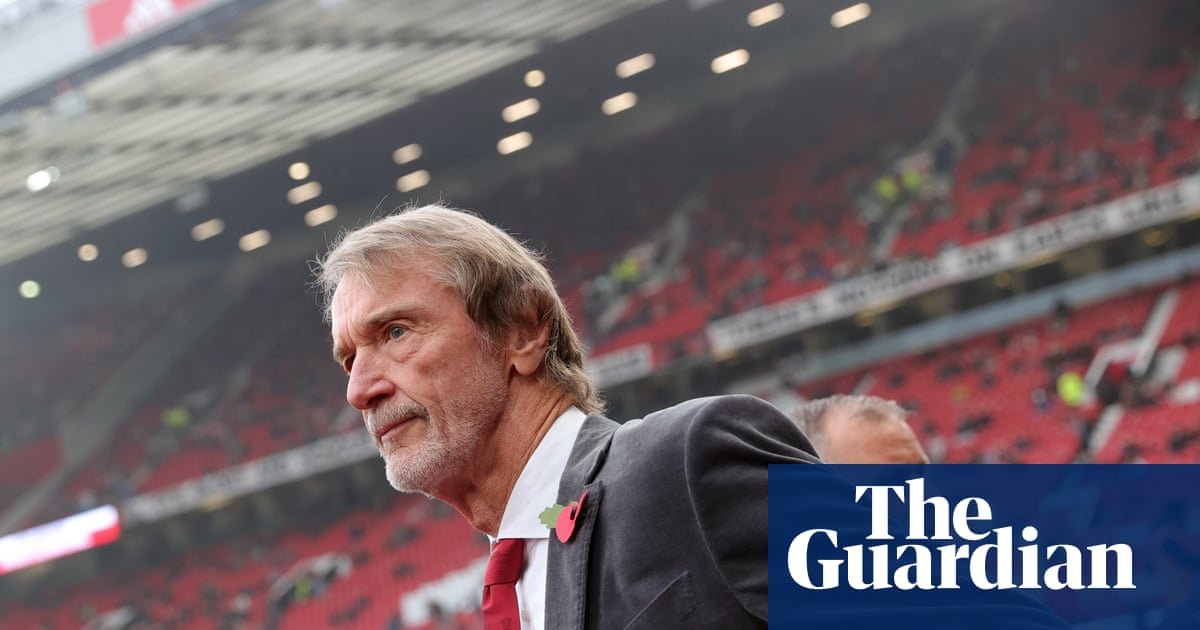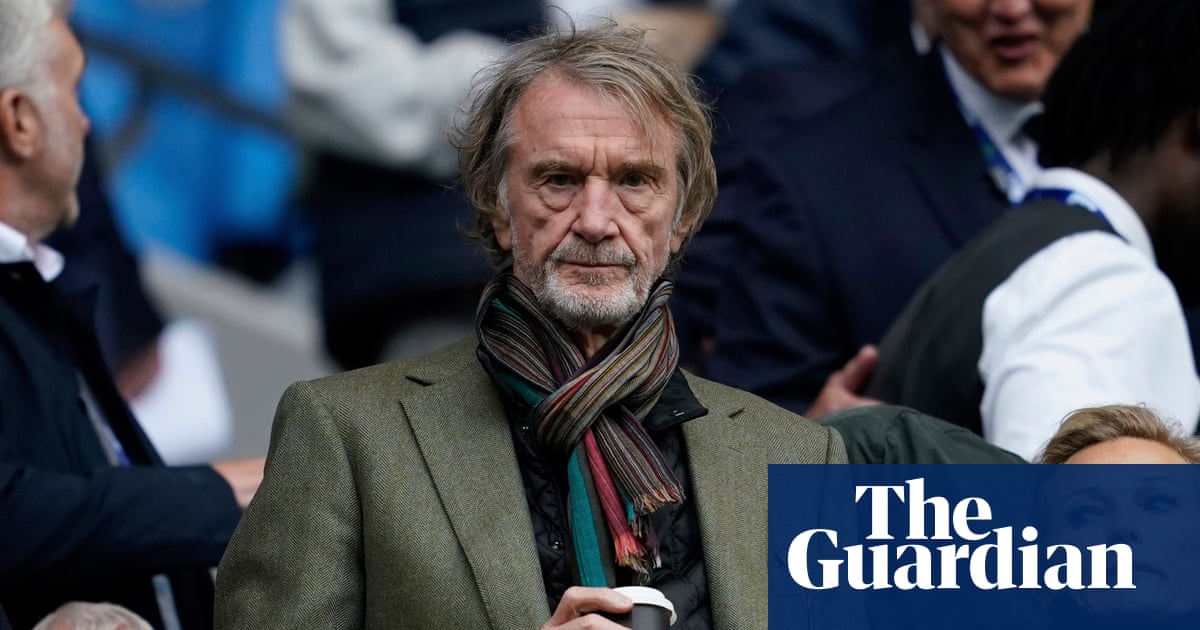


Sir Jim Ratcliffe, the Manchester United co-owner and billionaire industrialist, sparked controversy after publicly claiming that the UK is being “colonised” by immigrants, using disputed and partly outdated statistics about population growth, benefits, and migration. Across both liberal and conservative coverage, reports agree that the comments triggered swift backlash from politicians, fan groups, anti-racism and anti-discrimination organizations, and that the Football Association opened an investigation into whether his remarks may have brought the game into disrepute. Both sides note that Prime Minister Keir Starmer condemned the words as offensive and wrong and called for an apology, which Ratcliffe subsequently issued in qualified terms, saying he regretted his “choice of language” and any offence caused while still stressing the need to talk about immigration. They also concur that Manchester United followed up with a public statement reasserting its commitment to equality, diversity, and inclusion, implicitly distancing the club’s values from Ratcliffe’s phrasing.
Coverage from both liberal and conservative outlets situates the controversy within broader debates about immigration, national identity, and the role of high-profile business figures in political discourse. Shared context includes Ratcliffe’s status as a Monaco-based tax resident and one of Britain’s richest men, his prominent role in football through Manchester United, and the sport’s diverse, international player base and fan communities. Both sides describe how his comments intersect with a tense pre-election atmosphere and long-running arguments over whether immigration is being managed effectively, and whether public figures are using inflammatory or exaggerated language. There is also broad agreement that the episode raises questions for football institutions, including the FA and Manchester United, about how to uphold anti-discrimination norms and inclusive messaging when owners or executives make polarizing political interventions.
Areas of disagreement
Nature of the remarks. Liberal-aligned outlets characterise Ratcliffe’s “colonised” comment as echoing far-right narratives, describing it as crude, inaccurate, and racially charged language that feeds divisive politics. Conservative coverage is more likely to frame the phrase as provocative but related to legitimate concerns about migration levels and social cohesion, treating the main problem as the wording rather than the substance. While liberals emphasise that the analogy to colonisation is historically and morally inappropriate, conservatives tend to downplay ideological implications and cast it as an overblunt way of raising valid questions.
Sincerity and adequacy of the apology. Liberal sources often portray Ratcliffe’s statement as a non-apology, stressing that he only regretted his “choice of language” and offence caused while standing by his broader position, and suggesting this shows a lack of genuine remorse. Conservative outlets, by contrast, depict the apology as a reasonable and sufficient response to political pressure, highlighting that he acknowledged people were offended yet defended the need for debate on immigration. Liberal coverage tends to frame the apology as damage control aimed at protecting his business and football interests, while conservative accounts focus on the broader climate that makes public figures quickly retract or soften controversial remarks.
Responsibility within football and politics. Liberal reporting foregrounds football’s ethical responsibilities, arguing that the sport should reject what it calls cynical, self-serving electioneering and that clubs and governing bodies must actively oppose divisive rhetoric. Conservative coverage gives less weight to football’s institutional role and more to the idea that Ratcliffe, as a citizen and investor, has a right to speak on national issues, even if his views upset some stakeholders. Liberals stress the duty of Manchester United and the FA to uphold anti-racism norms and protect diverse communities, whereas conservatives focus more on political leaders’ reactions and the broader immigration policy debate than on football’s internal values framework.
Framing of Ratcliffe’s status and motives. Liberal sources highlight Ratcliffe’s wealth, tax exile status, and past government support as evidence of hypocrisy, arguing that he is using inflammatory language to advance his own economic and political agenda while living outside the UK tax system. Conservative outlets mention his prominence and success but frame him more as a hard-headed businessman speaking uncomfortable truths about migration and welfare, with less emphasis on his Monaco residency as a disqualifying factor. Where liberal coverage suggests his intervention empowers divisive forces and undermines social cohesion, conservative coverage tends to interpret his comments as part of a necessary, if heated, national conversation on the scale and management of immigration.
In summary, liberal coverage tends to treat Ratcliffe’s comments as dangerously aligned with far-right rhetoric, insincere in apology, and symptomatic of billionaire overreach into divisive politics, while conservative coverage tends to view them as clumsily worded but rooted in legitimate concerns about immigration, with his apology and continued stance framed as part of a constrained but essential public debate.
Story coverage