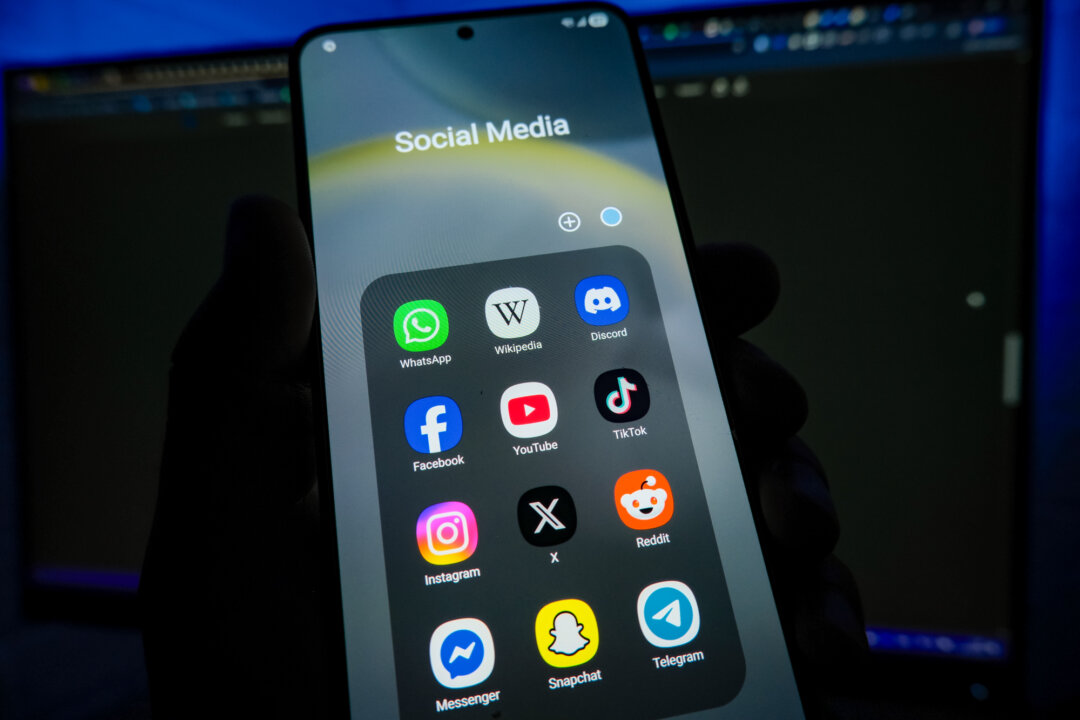
Russia has moved to block WhatsApp nationwide, with both liberal and conservative outlets reporting that access to the Meta-owned messaging app has been cut or severely restricted for users inside the country. Coverage across the spectrum agrees that Russian authorities are openly promoting a new domestic messaging platform called Max (or MAX) as the preferred alternative, and that the change potentially affects more than 100 million WhatsApp users in Russia. Both sides note this is part of a broader state campaign to consolidate control over digital communications and internet access, following earlier crackdowns on services such as Telegram and other Meta platforms that have been labeled extremist by Moscow. Officials, including Kremlin spokesman Dmitry Peskov, are cited across outlets as framing the move in terms of enforcing Russian law and encouraging the use of compliant, locally controlled platforms.
Liberal and conservative sources concur that the WhatsApp ban sits within a longer-running push by the Russian government to force data localization, expand censorship capacity, and drive citizens toward services that authorities can more easily monitor. They describe a pattern of tightening online controls since Russia adopted more stringent internet and data regulations and escalated pressure on Western tech firms. Both perspectives highlight WhatsApp’s criticism of the block as harmful to private and secure communication and as part of Russia’s efforts to isolate its information space. There is also shared acknowledgment that replacing a widely used global platform with a state-backed app carries major implications for privacy, civil liberties, and Russia’s integration with the wider digital ecosystem.
Areas of disagreement
Motives and justification. Liberal-aligned outlets frame the blocking of WhatsApp primarily as a political and authoritarian move aimed at silencing dissent and tightening state surveillance, emphasizing Russia’s history of suppressing independent media and foreign tech platforms. Conservative outlets also note increased government control but are somewhat more inclined to foreground the official rationale of enforcing local laws and protecting national sovereignty over data. Liberal coverage tends to portray the legal justifications as pretexts for deeper repression, while conservative reporting often presents them more neutrally, as one side of a dispute between a sovereign state and a global tech firm.
Characterization of Max. Liberal sources heavily stress WhatsApp’s description of Max as a de facto surveillance app, warning that funneling citizens onto a state-backed messenger will erode privacy and enable mass monitoring. Conservative outlets acknowledge critics’ concerns but more consistently include Russian authorities’ denials and present Max as a state-sanctioned or state-owned alternative designed to comply with Russian regulations. Where liberal coverage suggests Max is inherently suspect and a tool of the security services, conservative reporting more often leaves its nature open, stressing that claims of surveillance are contested.
Implications for rights and information space. Liberal coverage emphasizes the development as a serious blow to free expression, access to independent information, and the ability of Russians to communicate securely with the outside world. Conservative outlets do raise concerns about censorship and isolation, but they also frame the episode within a broader global trend of states asserting control over tech platforms and sometimes compare it to other countries’ regulatory battles with Big Tech. As a result, liberal reporting tends to highlight Russia’s distinct trajectory toward a closed, repressive internet, while conservative coverage folds the story into wider debates about platform governance and national control.
Framing of Meta and Western platforms. Liberal-aligned sources generally depict Meta and WhatsApp as imperfect but vital tools for private communication and civil society in authoritarian contexts, stressing the harm when such platforms are restricted. Conservative outlets are more likely to recall that Russia has designated Meta an extremist organization and to reference prior controversies around Meta and other Western platforms, treating the conflict as part of a broader geopolitical and regulatory confrontation. Thus, liberal coverage leans toward a rights-based defense of WhatsApp’s role in Russia, whereas conservative coverage more evenly balances criticism of Moscow with skepticism toward large Western tech firms.
In summary, liberal coverage tends to cast the WhatsApp block and promotion of Max as an overt authoritarian power grab that weaponizes technology to expand surveillance and crush digital freedoms, while conservative coverage tends to treat it as a significant but somewhat more normalized episode in a larger global struggle over tech regulation, national sovereignty, and the role of Western platforms.