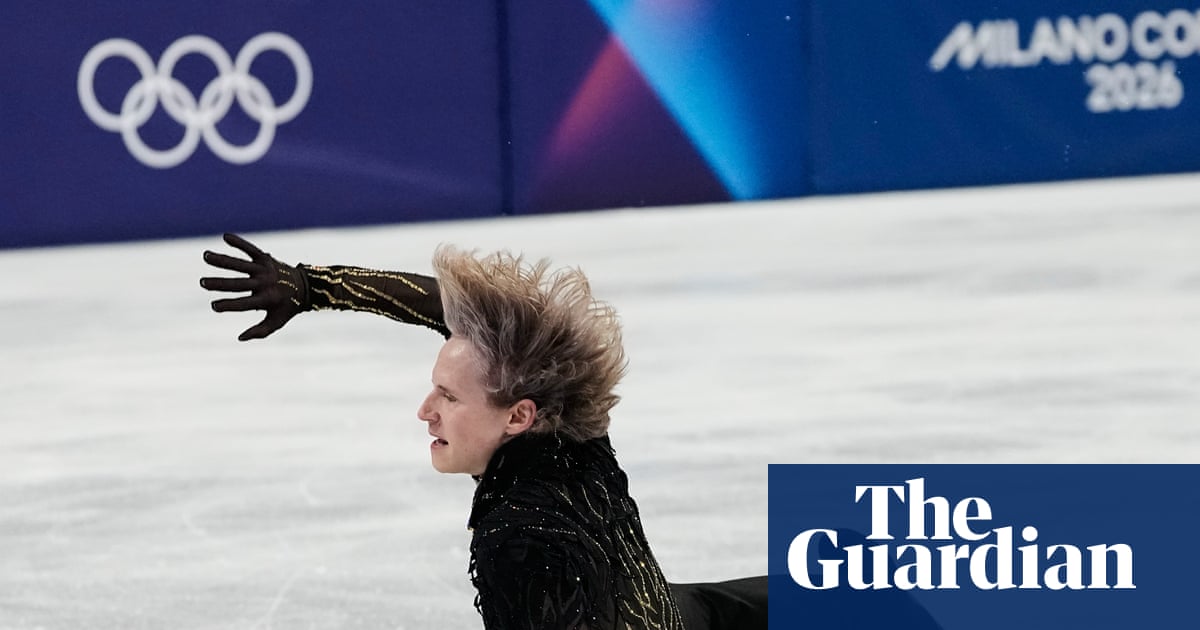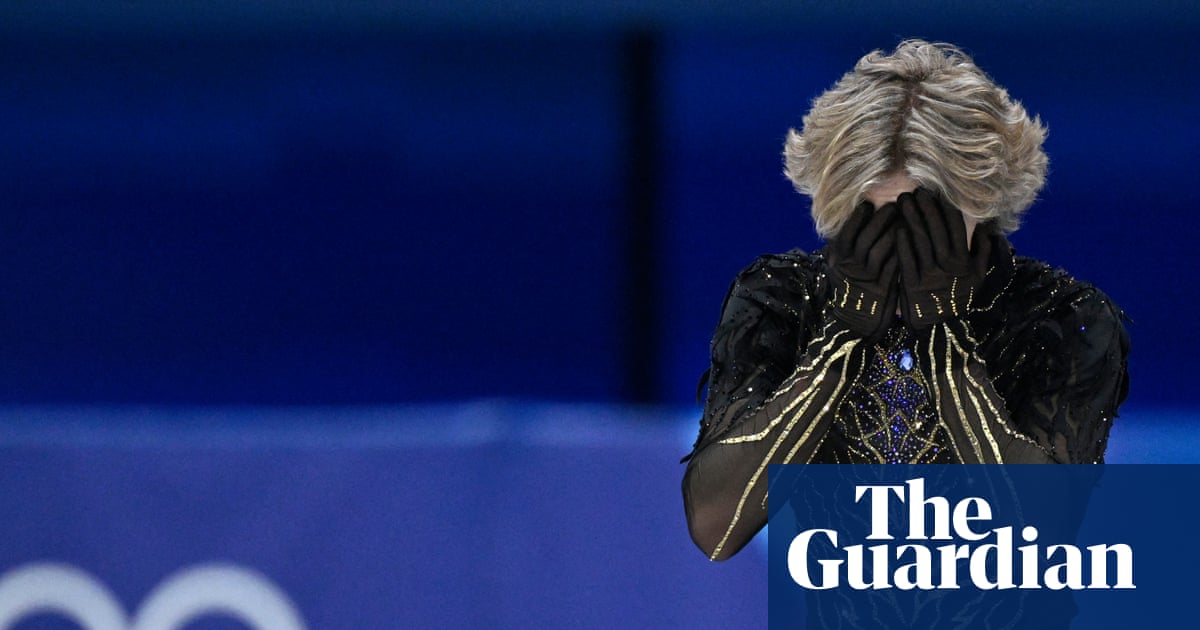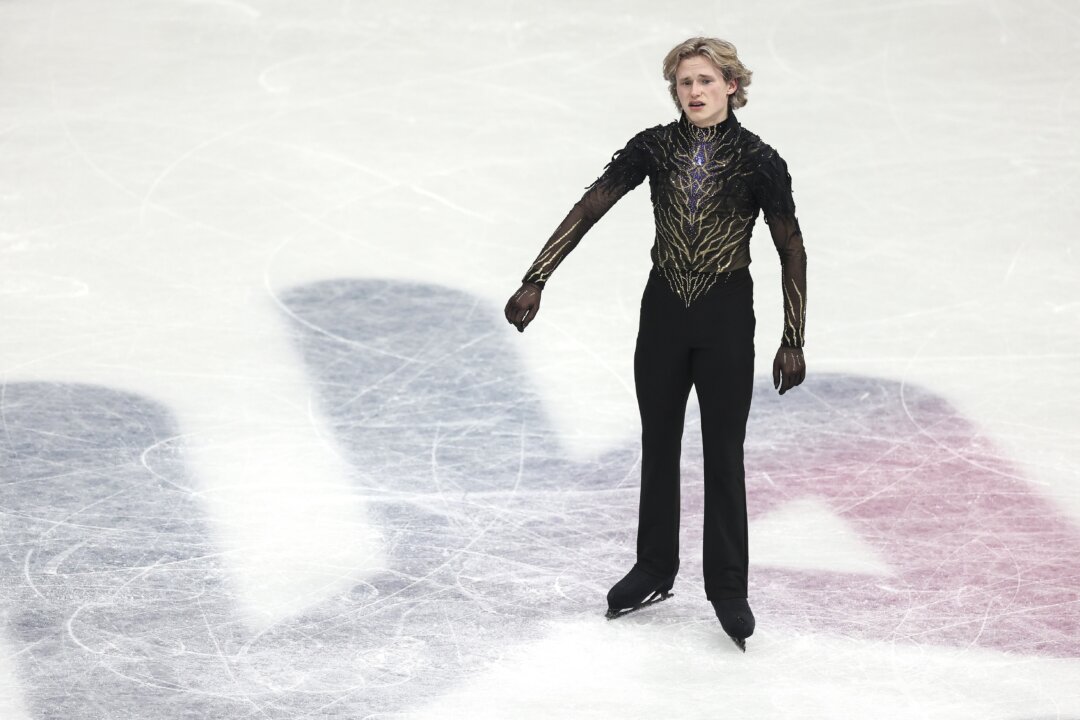



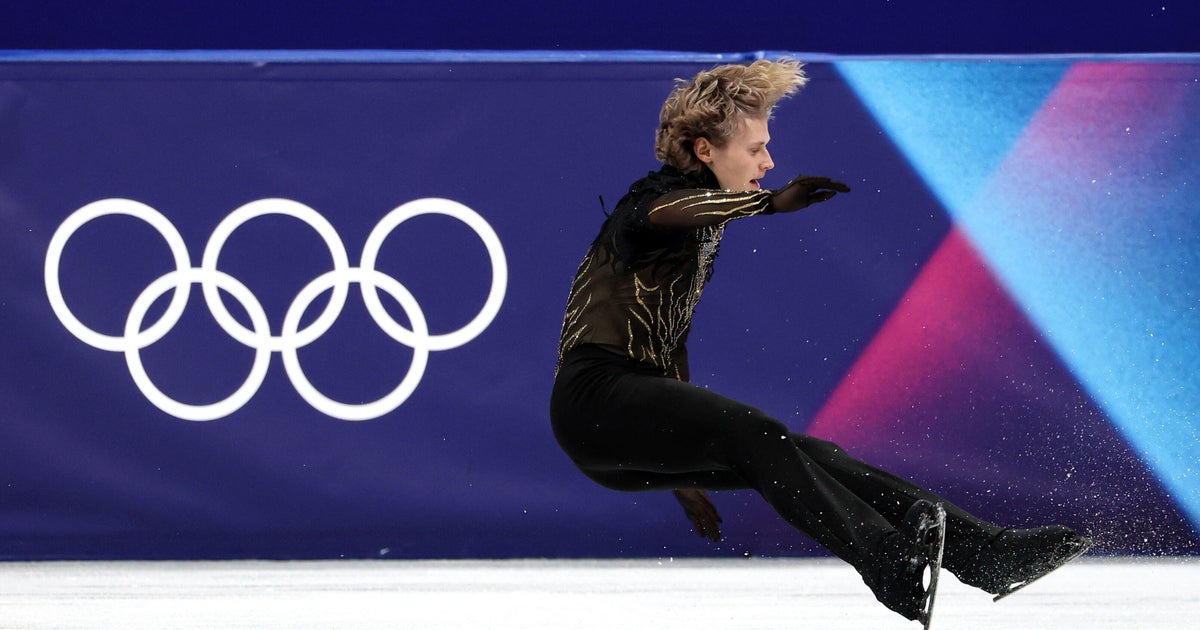
Ilia Malinin, the American figure skater nicknamed the "Quad God" and overwhelming favorite for the men’s Olympic title, entered the free skate in Milan-Cortina with a substantial lead after a dominant short program and a two-year unbeaten streak. In the free skate, however, he fell at least once on a quad lutz, botched other jumping passes including turning a planned quad axel into a single, and incurred cascading technical penalties that slashed his base value and overall score, ultimately dropping him to eighth place and off the podium. Both liberal and conservative outlets agree that Kazakhstan’s Mikhail Shaidorov delivered a clean, career- or season-best free skate to win gold and secure his country’s first Olympic figure skating (and Winter Games) gold, with Japan’s Yuma Kagiyama taking silver and Shun Sato bronze.
Coverage across the spectrum also aligns on the broader competitive and institutional context: modern figure skating’s precise scoring system harshly punishes multiple major errors and rewards clean execution over theoretical difficulty, leaving even a skater with a large short-program lead exposed if their free skate unravels. The reporting converges on the narrative that Olympic pressure is uniquely unforgiving, that program composition and the ability to maintain structure under stress are as crucial as technical ambition, and that Malinin’s loss underscores how fragile dominance can be at this level. Both sides highlight the symbolic significance of Shaidorov’s win for Kazakhstan, frame Malinin’s performance as a rare collapse rather than a typical outing, and present the result as a dramatic upset that will likely influence how skaters, coaches, and federations think about risk, difficulty, and mental resilience heading into future championships.
Areas of disagreement
Tone and framing of the collapse. Liberal-aligned outlets tend to frame Malinin’s free skate as a humanizing unraveling under extraordinary Olympic pressure, emphasizing the "fall of the Quad God" and the psychological demands of sustaining a two-year unbeaten streak on such a stage. Conservative outlets more often describe the performance as an "Olympic disaster" or a major choke, using sharper language to underscore the shock value of the upset and the severity of his mistakes. While both acknowledge the same errors, liberal coverage leans toward empathetic narrative and nuance, whereas conservative coverage foregrounds failure and drama.
Emphasis on systemic scoring versus individual execution. Liberal sources devote more attention to the technical anatomy of the loss, explaining how downgraded jumps, under-rotations, and broken program structure caused Malinin’s base value and component scores to crater under the current judging system. Conservative outlets focus more on the visible falls and their immediate impact on placement, mentioning the scoring mechanics but not dissecting them in as much detail. As a result, liberal coverage frames the outcome partly as a case study in how unforgiving the system is for high-risk programs, while conservative coverage presents it more straightforwardly as an individual failure to execute.
Narrative focus: Malinin’s arc versus Shaidorov’s breakthrough. Liberal reporting often balances Malinin’s downfall with substantial attention to Shaidorov’s composure and controlled skating, using his gold as an illustration of how steadiness can defeat raw difficulty at the Olympics. Conservative accounts, while acknowledging the historic nature of Kazakhstan’s first Winter Games gold, more prominently center Malinin as the headline story and the main protagonist of the upset. Thus liberal outlets tilt toward a dual narrative of one star faltering and another emerging, whereas conservative ones more consistently cast the event as Malinin losing gold rather than Shaidorov decisively winning it.
Implications for the sport and future storylines. Liberal sources are more inclined to situate the episode within broader debates about risk-taking, mental health, and how federations and coaches might recalibrate programs to balance difficulty with reliability. Conservative coverage tends to treat the event as a dramatic but contained Olympic upset, focusing on the end of Malinin’s unbeaten streak and the shock to American medal hopes rather than on long-term reform or institutional change. Consequently, liberal analysis extends toward what this means for the evolution of men’s figure skating, while conservative analysis largely stays with the immediate competitive and national-sport ramifications.
In summary, liberal coverage tends to present Malinin’s Olympic collapse as a human, systemic, and technical case study that shares narrative space with Shaidorov’s poised breakthrough, while conservative coverage tends to sharpen the story into a high-drama upset centered on Malinin’s individual failure to capitalize on his lead and the resulting shock to American expectations.