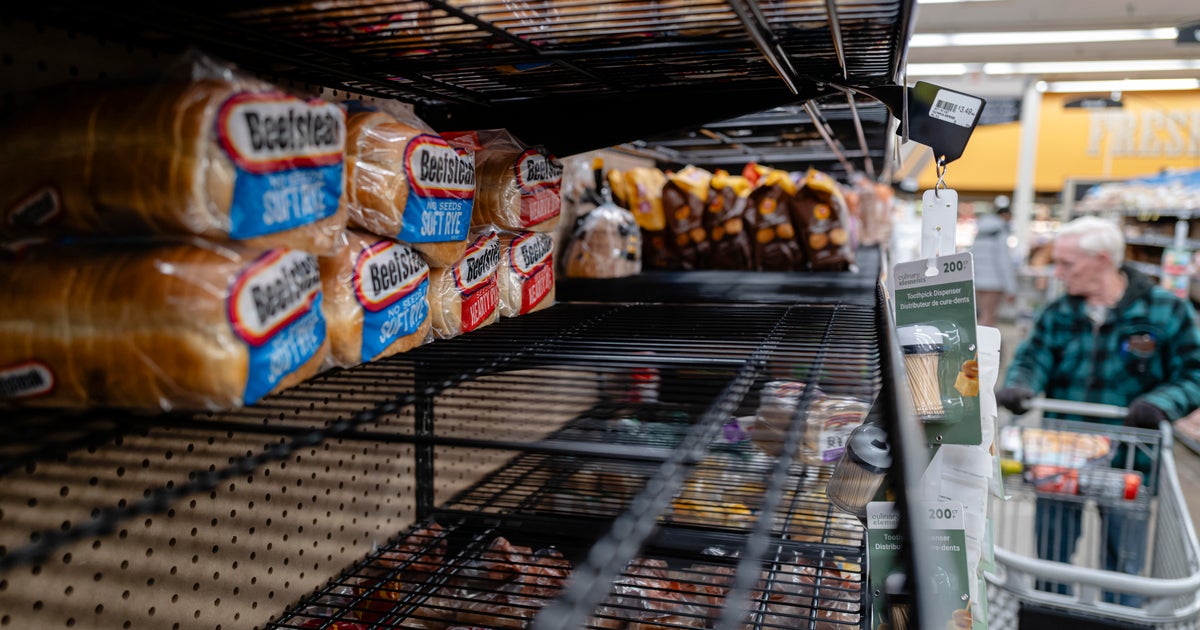
The January Consumer Price Index report shows that U.S. inflation slowed to a 2.4% annual rate, with overall consumer prices rising 0.2% from December, a touch cooler than economists had expected. Both liberal- and conservative-aligned outlets agree this is the lowest headline inflation reading since mid‑2025 and that core inflation, excluding food and energy, eased to around 2.5%, its softest pace since March 2021. Coverage on both sides notes that falling gasoline and broader energy prices were a major driver of the cooler headline figure, while food and shelter costs continued to rise faster than the overall index. Markets and analysts on both sides are described as reacting positively, with stock futures relatively steady and expectations increasing that the Federal Reserve could move toward interest-rate cuts later in the year if this disinflation trend persists.
Outlets across the spectrum emphasize that the report comes as the Federal Reserve weighs how quickly to shift from a restrictive stance toward potential easing, highlighting the central bank’s dual mandate to balance inflation control with labor market strength. Both liberal and conservative coverage acknowledge that price changes are uneven across categories: some staples like gasoline, chicken, and eggs have become cheaper, while other essentials such as certain meats, coffee, electricity, and shelter remain elevated. They also agree that the new data feed directly into the broader political narrative around economic stewardship under President Trump, shaping voter perceptions ahead of upcoming elections. Shared context includes recognition that previous tariff policies, global supply-chain adjustments, and shifts in energy markets have contributed to past price volatility, and that any sustained return of inflation to the Federal Reserve’s target range would likely require continued moderation in core services and housing costs.
Areas of disagreement
Credit and political framing. Liberal-aligned coverage tends to frame the 2.4% reading as part of a broader, complex inflation cycle driven by global shocks, tariffs, and supply-chain issues, often downplaying direct credit to Trump and highlighting polling that shows persistent voter frustration with prices. Conservative outlets more explicitly credit Trump’s economic and trade policies for the improvement, portraying the data as vindication of his approach and as a political asset. While liberals stress that many households still feel squeezed despite the better headline number, conservatives emphasize that the report undercuts critics who accused Trump of mismanaging inflation.
Role of tariffs and policy choices. Liberal sources often point to Trump’s tariffs as a prior source of price volatility and sector-specific cost pressures, suggesting that any consideration of rolling them back is an implicit acknowledgment of their inflationary impact. Conservative coverage is more likely to either ignore the inflationary downside of tariffs or present them as a justified tool whose costs have been outweighed by recent disinflation and broader economic strength. This leads liberals to advocate for more targeted, rules-based trade and industrial policies, while conservatives highlight the benefits of Trump’s “America first” approach and argue that it is compatible with cooling inflation.
Economic pain versus progress. Liberal reporting underscores that even with inflation down to 2.4%, cumulative price increases over several years mean many households still face high living costs, particularly in rent, food, and utilities, and they stress voter dissatisfaction with the overall cost of living. Conservative outlets acknowledge lingering price pressures in specific items but emphasize the direction of change, arguing that moderating inflation shows conditions are improving under Trump. Liberals use the mixed picture to argue for further reforms such as housing affordability measures and stronger worker supports, whereas conservatives focus on reassuring readers that current policies are working and that patience is warranted.
Implications for the Federal Reserve. Liberal coverage typically stresses the Fed’s independence and presents the cooler CPI as giving the central bank more flexibility to consider rate cuts later in the year, while cautioning against premature easing that could reignite inflation. Conservative outlets more readily tie the report to Trump’s calls for a friendlier monetary stance, framing the data as support for the view that the Fed can safely shift toward cuts to bolster growth. Liberals tend to foreground technocratic assessments from economists and analysts, whereas conservatives are more likely to weave the Fed’s next moves into a narrative of Trump seeking to maximize economic momentum.
In summary, liberal coverage tends to treat the 2.4% inflation reading as welcome but incomplete progress embedded in a complicated economic and political landscape, while conservative coverage tends to present it as clear confirmation that Trump’s policies are easing price pressures and strengthening his economic case to voters.