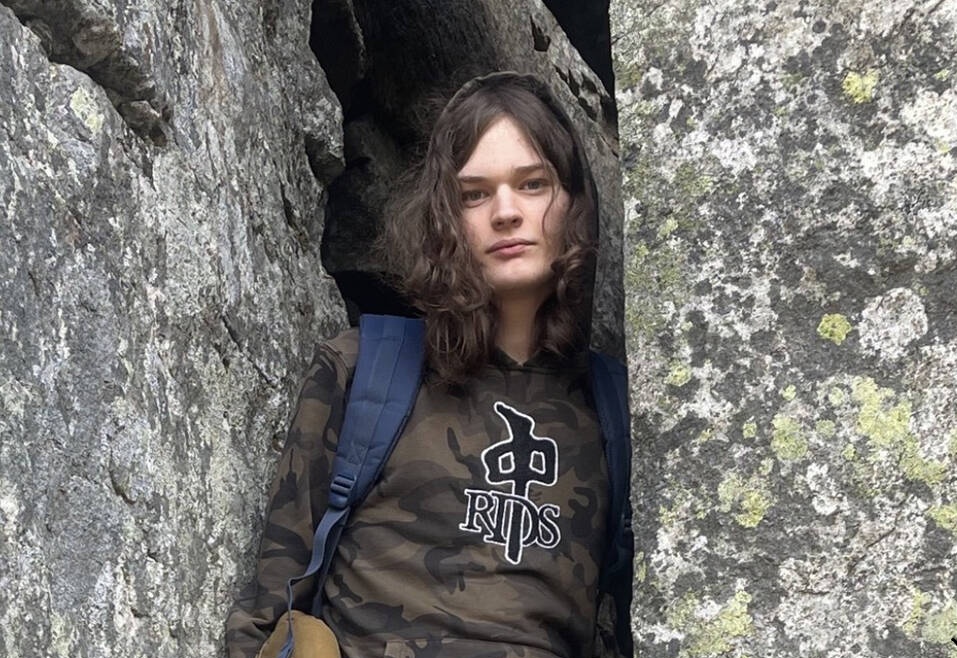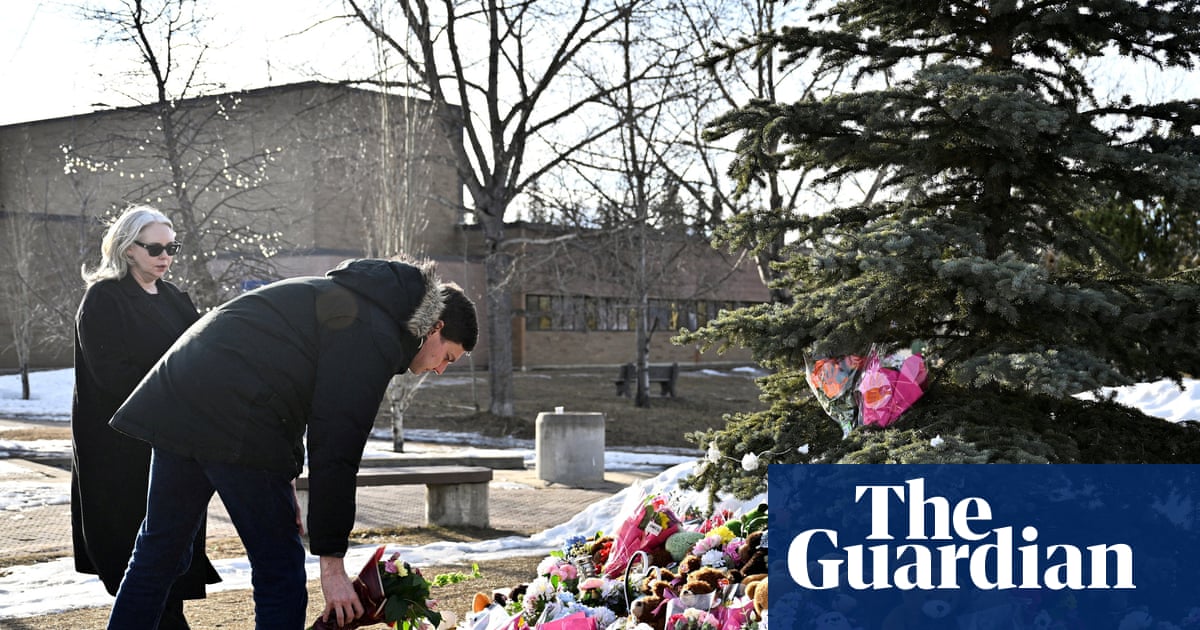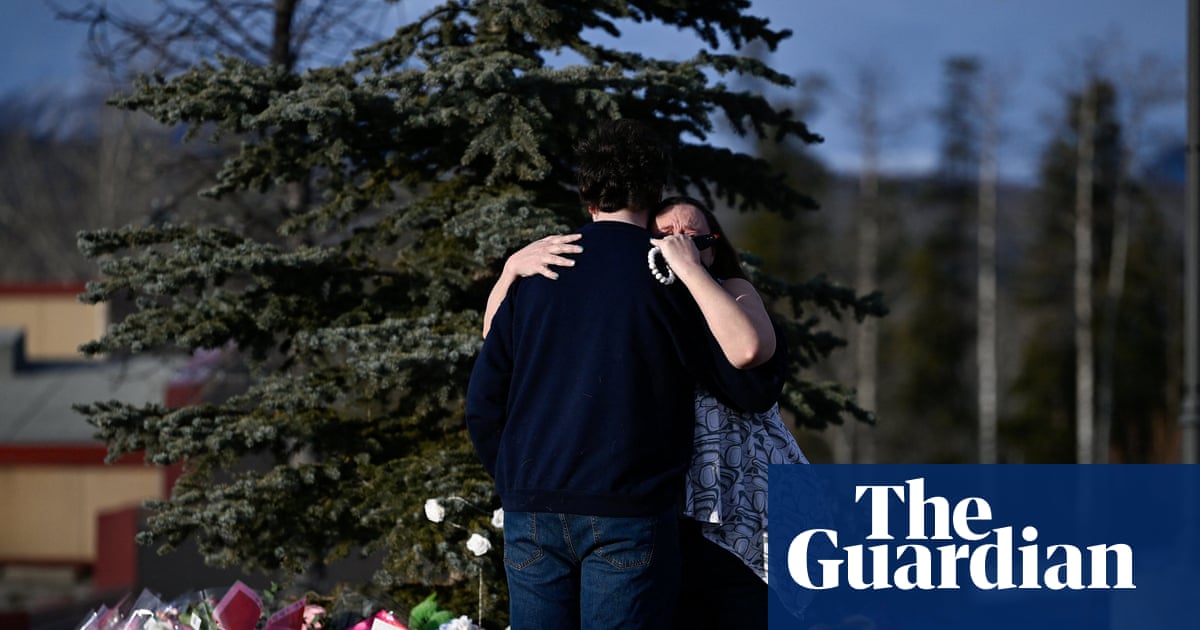

News coverage from both liberal- and conservative-aligned outlets agrees on the core facts of the Tumbler Ridge tragedy: an 18-year-old former student opened fire on February 10 at Tumbler Ridge Secondary School in the small mining town of Tumbler Ridge, British Columbia. Eight victims were killed, including multiple children around ages 12–13, a teacher or assistant teacher, and members of the suspect’s family, with the shooter dying by suicide and total deaths sometimes reported as nine when counting the suspect. Police received the first emergency calls shortly after 2:20 p.m. MST, officers came under fire upon arrival, and victims were found in school hallways and the library as well as at a nearby residence linked to the suspect. Authorities say the attack appeared random rather than targeted, with the suspect effectively “hunting” anyone encountered; more than two dozen people were injured, some airlifted to hospital, and the investigation into motive remains ongoing.
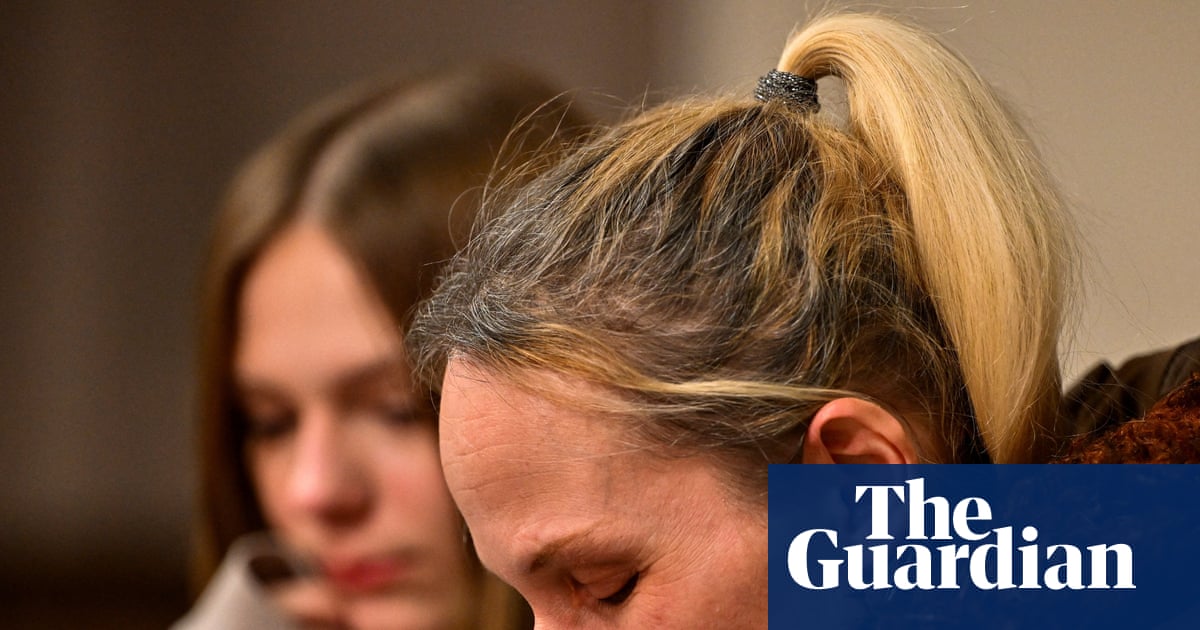
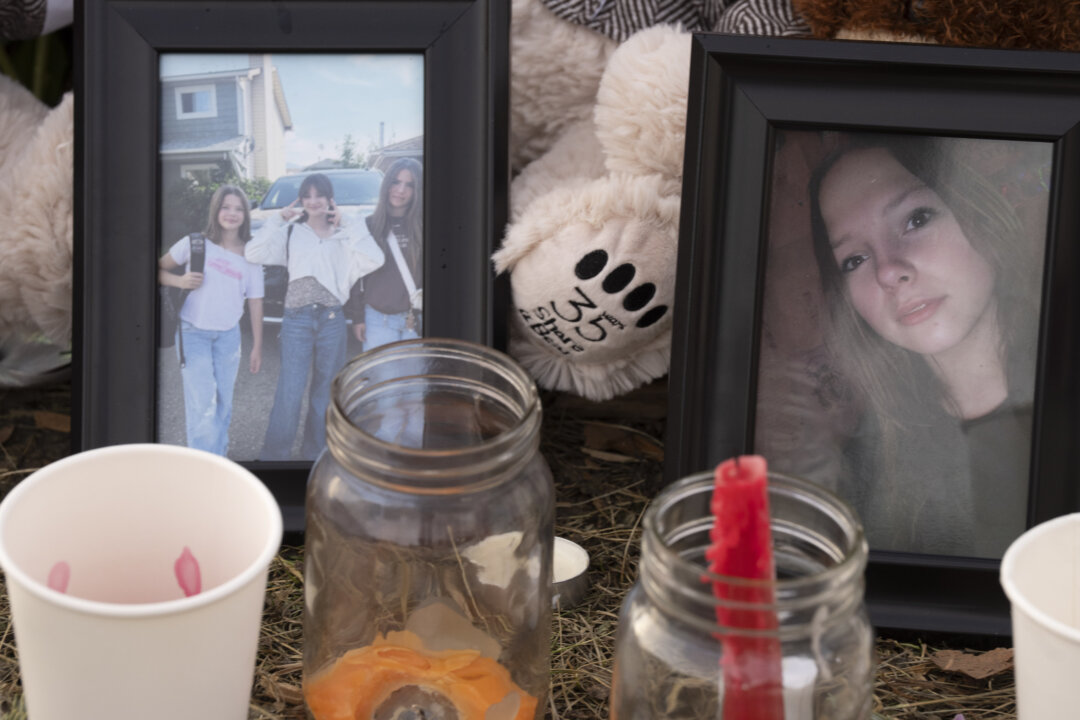
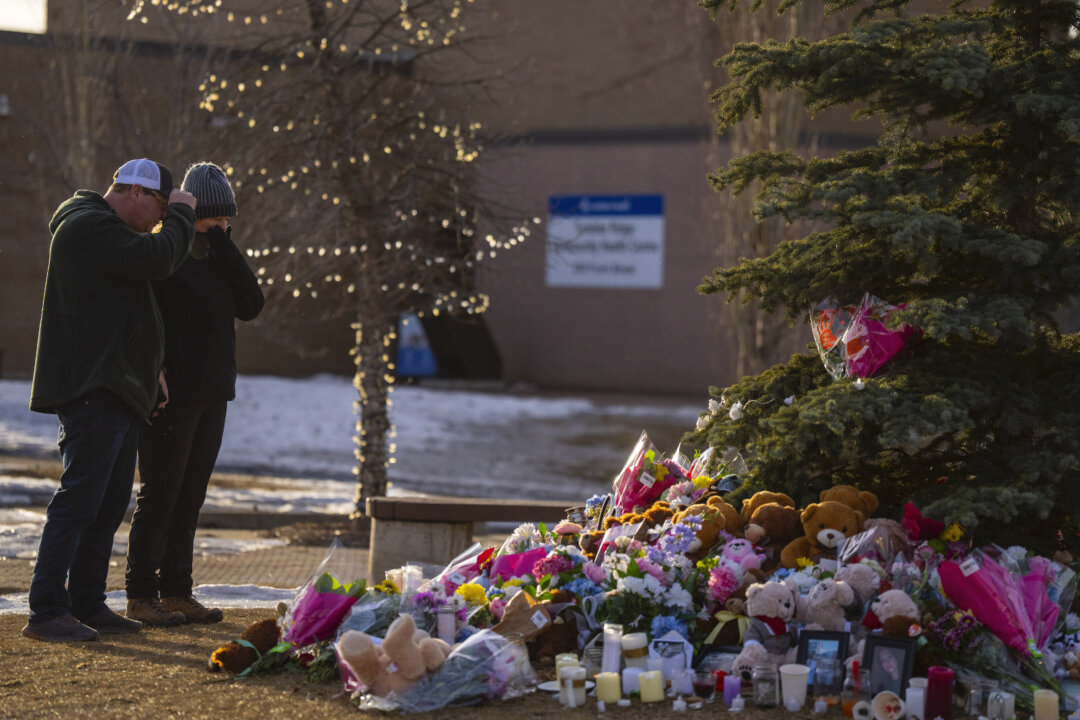
Outlets across the spectrum portray Tumbler Ridge as a tight-knit, resource-dependent town that has been psychologically shattered by the killings but is also coming together in collective mourning. They highlight vigils, memorials, and statements of solidarity, including the prime minister’s plans to attend a vigil, along with emotional tributes from grieving families describing the children’s personalities, aspirations, and roles in the community. Both sides emphasize institutional involvement: the RCMP’s prior contacts with the suspect’s family over mental health and firearms, the seizure and later return of weapons, and the role of schools, healthcare, and social services in trying—and failing—to detect and prevent such violence. There is shared focus on the broader questions this raises about gaps in mental health care, the pressures on small-town policing, and the complex influences on a young person who reportedly created a mass-shooting simulator on a gaming platform before carrying out a real-world attack.
Areas of disagreement
Primary causes and systemic failures. Liberal-aligned coverage tends to frame the shooting as the culmination of systemic breakdowns in mental health support, gun oversight, and digital platforms that enable “gamified” violence, emphasizing how previous police visits and weapon seizures did not translate into sustained intervention. Conservative outlets, while acknowledging prior police contact and mental health concerns, focus more on the individual pathology of the shooter and the immediate tactical details of the attack rather than institutional culpability. Liberal stories more often connect the Roblox mass-shooting simulator to a broader culture of online extremity and inadequate regulation, whereas conservative pieces largely treat the simulator as a disturbing detail rather than a central explanatory factor. This leads to divergent implications: liberals lean toward policy reform narratives, while conservatives foreground personal responsibility and evil.
Law enforcement and government accountability. Liberal sources scrutinize the RCMP and other authorities for missed warning signs, stressing that past interactions over mental health and weapons, including the seizure and return of firearms, should have prompted more decisive action or better follow-up services. They also weave in criticism of broader governmental underinvestment in rural mental health and prevention programs, sometimes implicitly questioning whether current policing and regulatory frameworks are fit for purpose. Conservative coverage is more inclined to present the RCMP as responding professionally under fire, detailing their rapid arrival, engagement with the shooter, and casualty management, with less emphasis on institutional blame. Where liberals ask how the state failed to act earlier, conservatives tend to emphasize how first responders acted bravely once the crisis began.
Cultural and identity narratives. Liberal-aligned outlets generally avoid dwelling on the suspect’s gender identity or cultural flashpoints, focusing instead on grief, trauma, and community resilience, and referring to the shooter in clinical, law-enforcement terms. Conservative commentary, by contrast, highlights and often criticizes decisions by police and officials to use the suspect’s preferred pronouns and gender identity, framing this as an example of political correctness overriding clarity about biological sex in serious crime reporting. While liberal coverage tends to treat identity language as a secondary or purely descriptive issue, conservative outlets elevate it into a symbol of what they see as ideological capture within institutions. This creates a sharp contrast between narratives centered on mourning and public safety versus narratives that also spotlight broader culture-war concerns.
Policy responses and future prevention. Liberal sources more frequently connect the tragedy to calls for strengthened gun control measures, tighter oversight of online platforms that host violent content, and expanded community-based mental health care, arguing that Tumbler Ridge reveals the cost of delayed or fragmented reforms. Conservative coverage is more circumspect about new regulations, focusing instead on enforcing existing laws, improving threat assessment, and addressing family instability or moral decline, sometimes cautioning against overreacting with sweeping policy changes that may not have stopped this attacker. Liberals tend to discuss the prime minister’s presence at the vigil as part of a broader national reckoning that should spur structural change, whereas conservatives treat such high-level political involvement more as symbolic solidarity than as a lever for major new legislation. As a result, liberal reporting is more forward-leaning on specific reforms, while conservative reporting emphasizes caution, targeted fixes, and respect for individual rights.
In summary, liberal coverage tends to treat the Tumbler Ridge shooting as a systemic failure involving mental health care, gun oversight, and digital culture that demands structural reforms and institutional accountability, while conservative coverage tends to emphasize the shooter’s individual responsibility, the operational response of police, and cultural or ideological issues such as identity language and the risks of overbroad policy reactions.
Story coverage