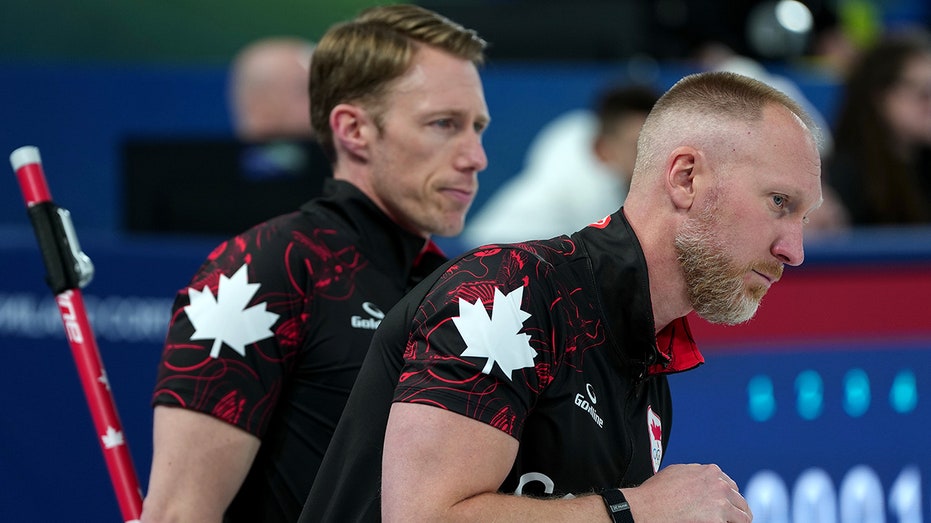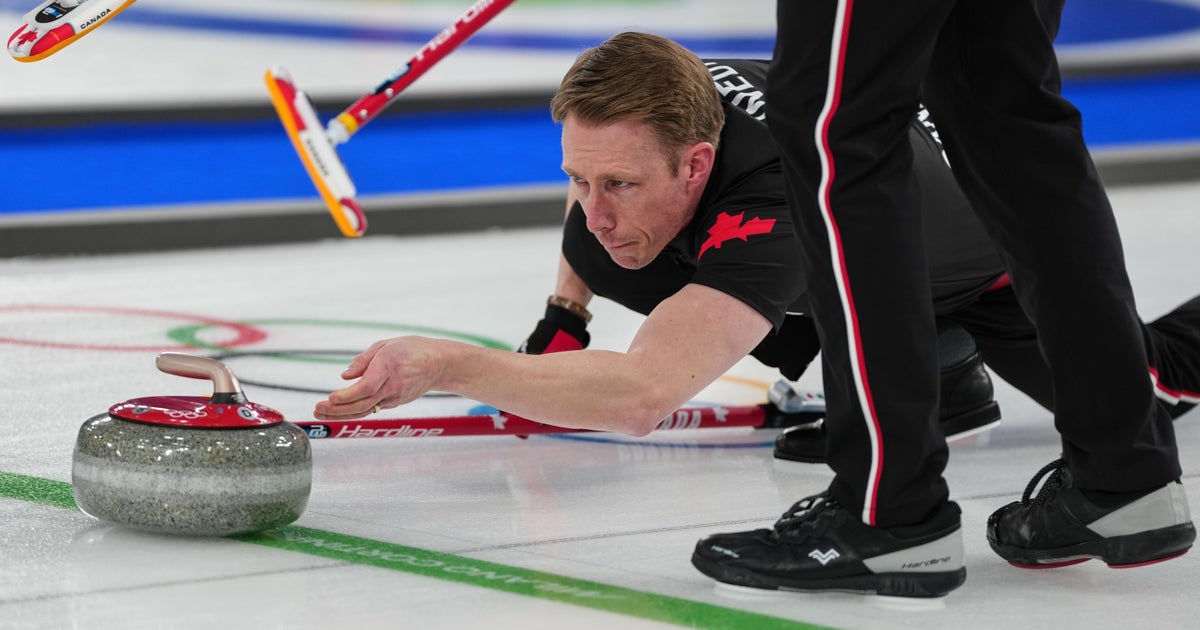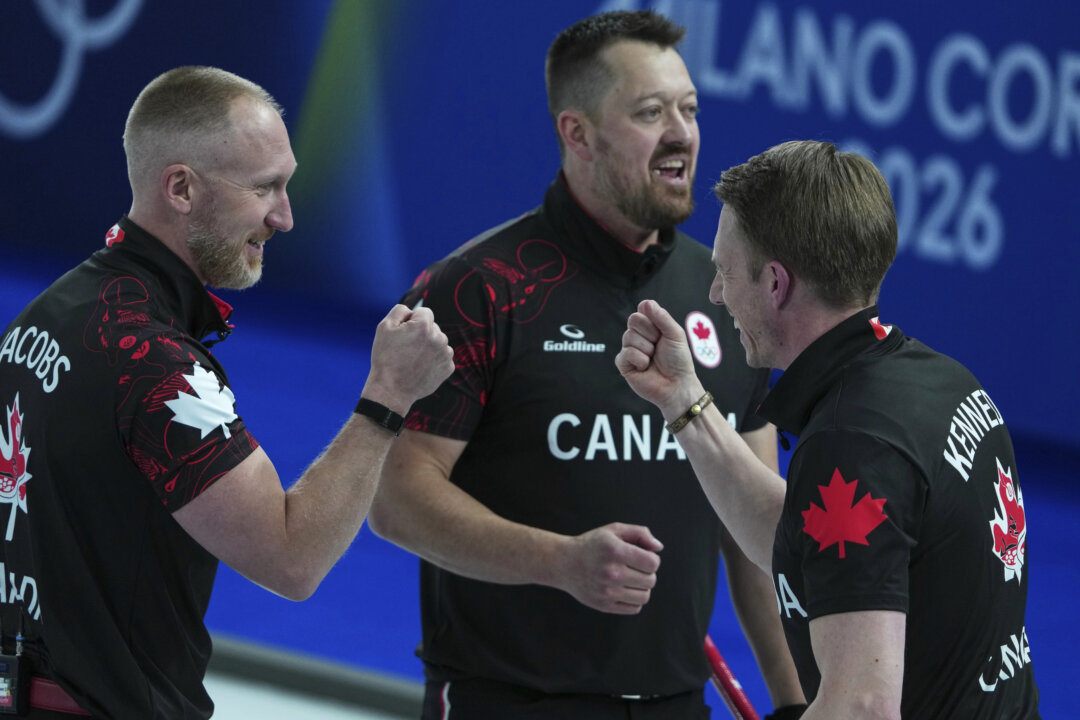


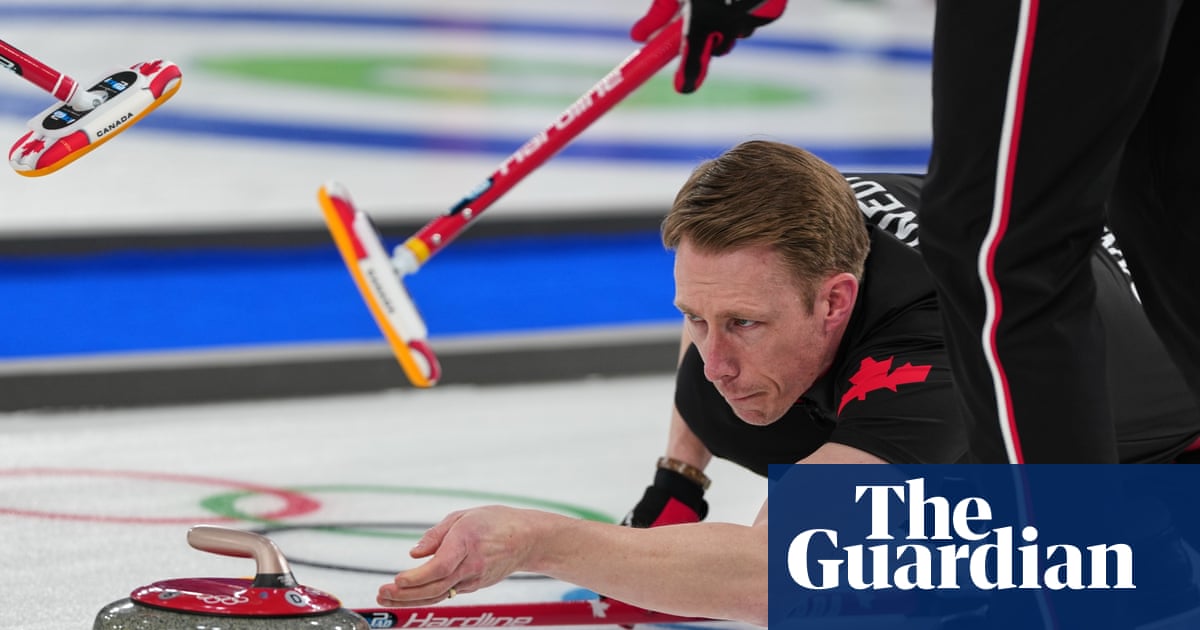
A Canada–Sweden men’s curling match at the 2026 Winter Olympics in Cortina d’Ampezzo became controversial after Swedish third Oskar Eriksson accused Canadian third Marc Kennedy of illegally touching a stone after its release, a form of “double touching” at the hog line. Both liberal and conservative outlets agree that umpires and World Curling officials reviewed the incident, found no rule violation, and let the 8–6 Canadian win stand, but issued a verbal warning to Canada over Kennedy’s profanity-laced response, which temporarily stopped play. Coverage on both sides notes that video clips circulated online, that Sweden insisted the rules had been misapplied, and that the exchange between the thirds created a tense, “war of words” atmosphere on the ice.
Liberal and conservative reporting also concur that the controversy sits within a broader shift in curling toward more rigorous officiating and technology-assisted enforcement, including electronic stone handles designed to detect hog line violations. Both sides describe World Curling’s response as adding extra officials and spot checks in subsequent games and reiterating that using stones without electronic handles is illegal. They agree that the incident has spotlighted curling’s culture of sportsmanship and self-policing, raising questions about how to enforce rules without eroding mutual trust, and that Kennedy later acknowledged his language and behavior were inappropriate even as he continued to deny any cheating.
Areas of disagreement
Framing of the incident. Liberal-aligned outlets emphasize the clash as a “war of words” and a colorful, personality-driven dispute, highlighting the profanity, the frosty atmosphere, and fiery quotes like Kennedy telling his opponent “where to stick it.” Conservative outlets frame it more as a rules controversy and officiating issue, focusing on the process by which World Curling examined evidence and cleared Canada of cheating. While both mention the same core facts, liberal coverage leans into the drama and interpersonal conflict, whereas conservative coverage foregrounds institutional findings and the integrity of the result.
Responsibility and blame. Liberal sources tend to present the Swedes as instigating the cheating narrative by “trying to catch” Canada breaking rules, subtly portraying Canada as reacting defensively but within the bounds of competitive pressure. Conservative sources more clearly stress Kennedy’s responsibility for crossing a line in his expletive-filled reaction, underscoring his later apology and the appropriateness of the warning he received. As a result, liberal pieces more often frame Sweden’s accusation as overreach, while conservative pieces underscore that Canada’s conduct, even if not technically illegal, warranted official censure.
Characterization of rules and officiating. Liberal outlets stress Swedish claims that officials misread or misapplied the rules, giving more space to the Swedish perspective that the system or interpretation failed them. Conservative coverage, by contrast, tends to validate the umpires’ authority, reiterating that in-game observation found no hog line or double-touch violations and that the governing body’s conclusion should settle the cheating question. Liberals thus highlight perceived ambiguity and tension around enforcement, while conservatives convey a message that the rules worked as designed and that institutional review restored order.
Broader implications for curling culture. Liberal reporting often uses the incident to question whether technology and stricter oversight might undermine curling’s traditional ethos of gentlemanly self-regulation and mutual trust, suggesting the sport is at a crossroads between old norms and modern enforcement. Conservative outlets are more likely to frame the enhanced use of electronic handles, spot checks, and added officials as necessary safeguards to protect fairness and credibility at the Olympic level. Where liberals raise concern about eroding sportsmanship and escalating conflicts, conservatives treat the controversy as evidence that stronger, clearer enforcement mechanisms are appropriate and effective.
In summary, liberal coverage tends to spotlight the interpersonal drama, Swedish frustration, and cultural tensions over sportsmanship and evolving rules, while conservative coverage tends to emphasize institutional investigations, the clearing of cheating allegations, and the legitimacy of disciplinary warnings and enhanced officiating.