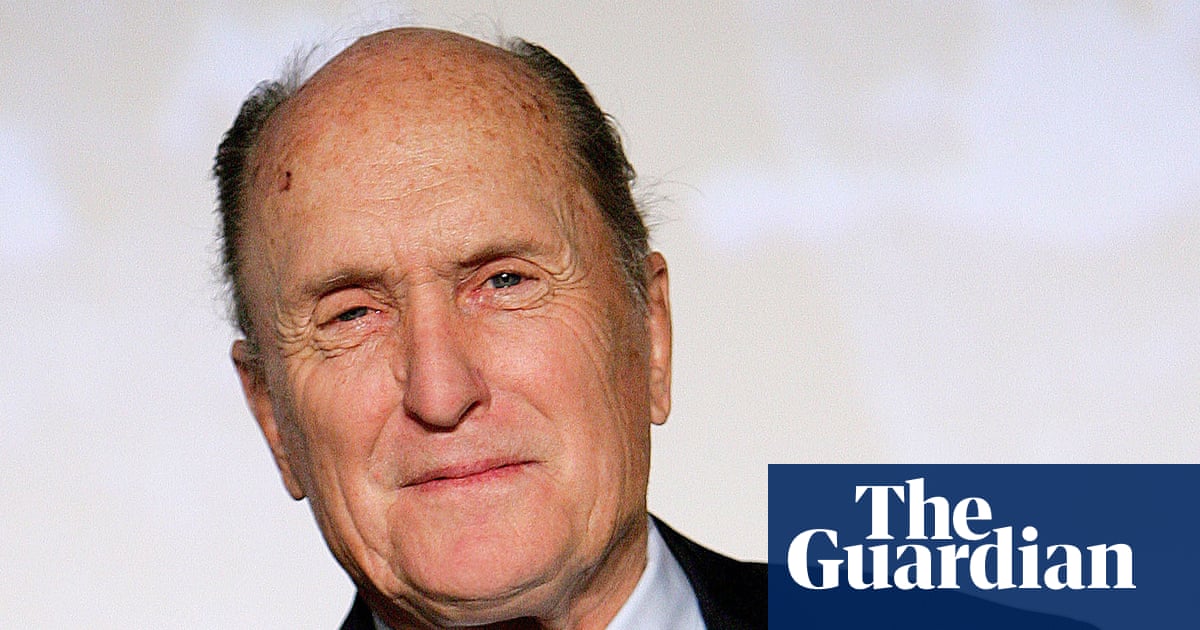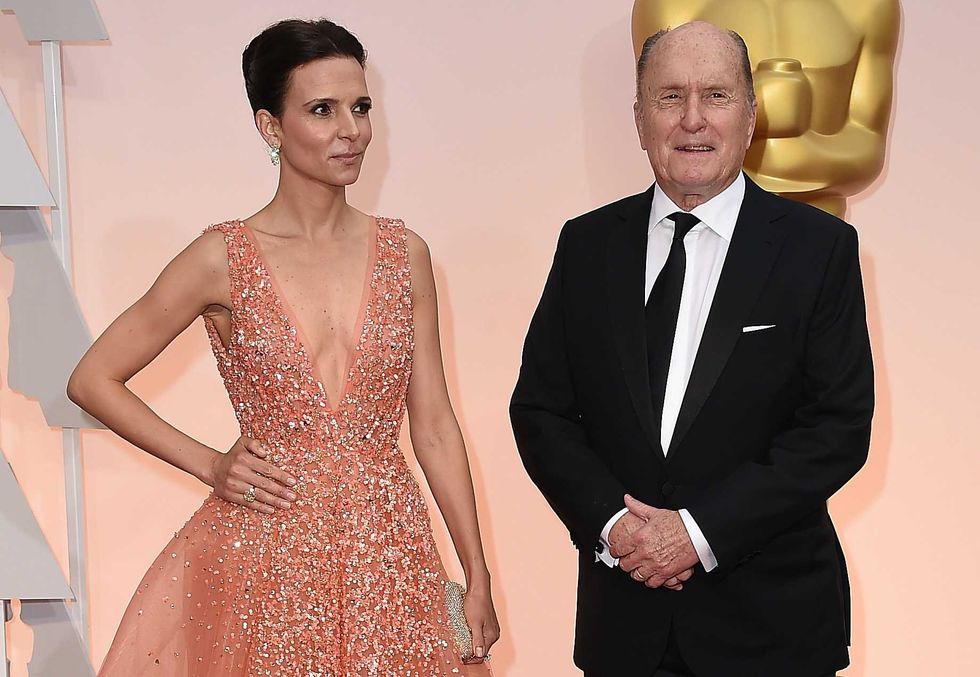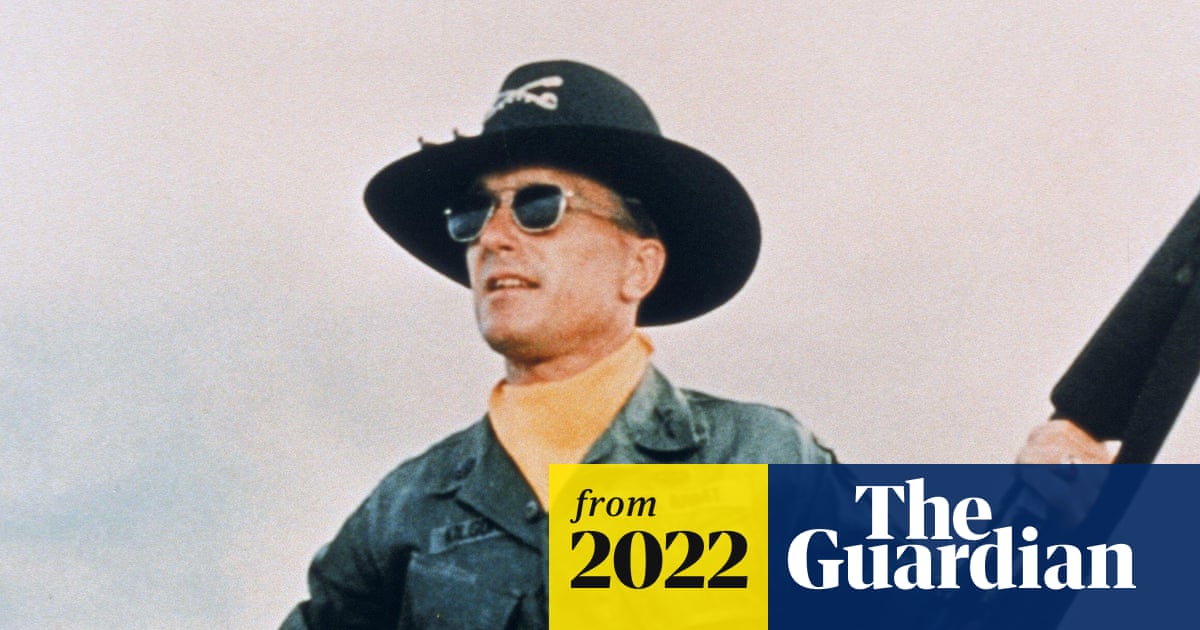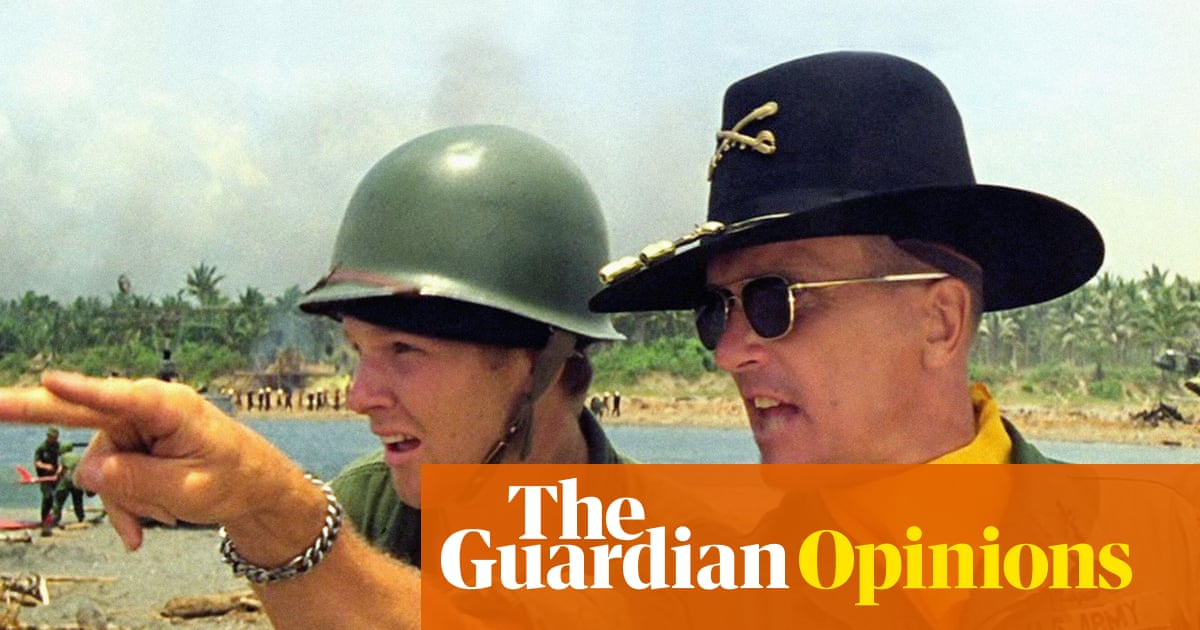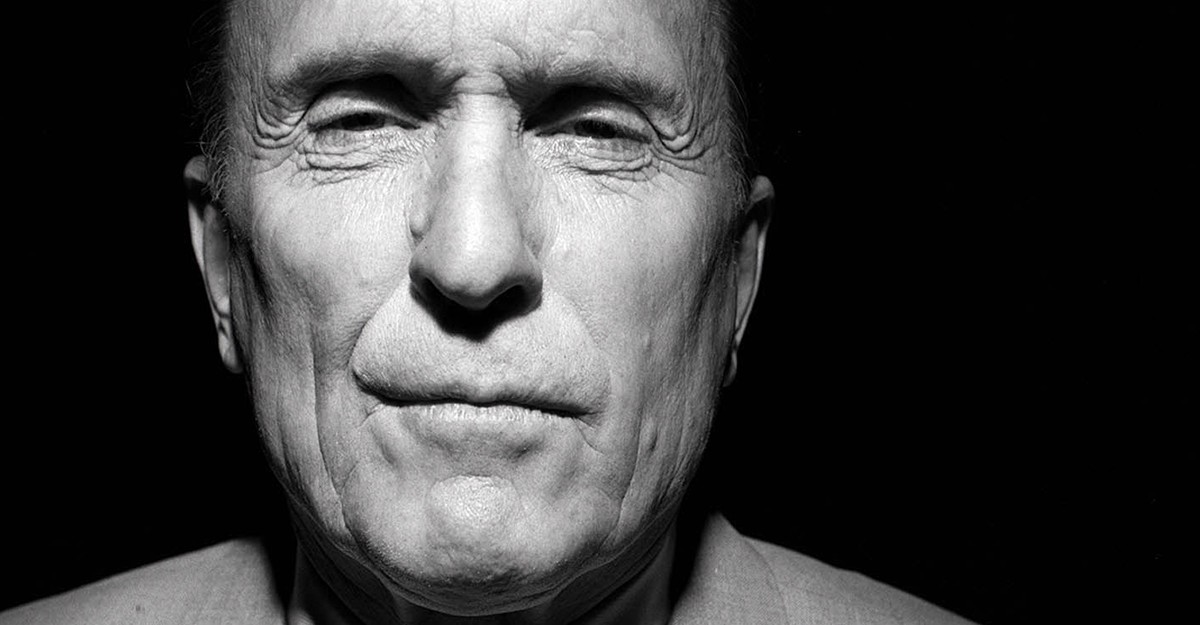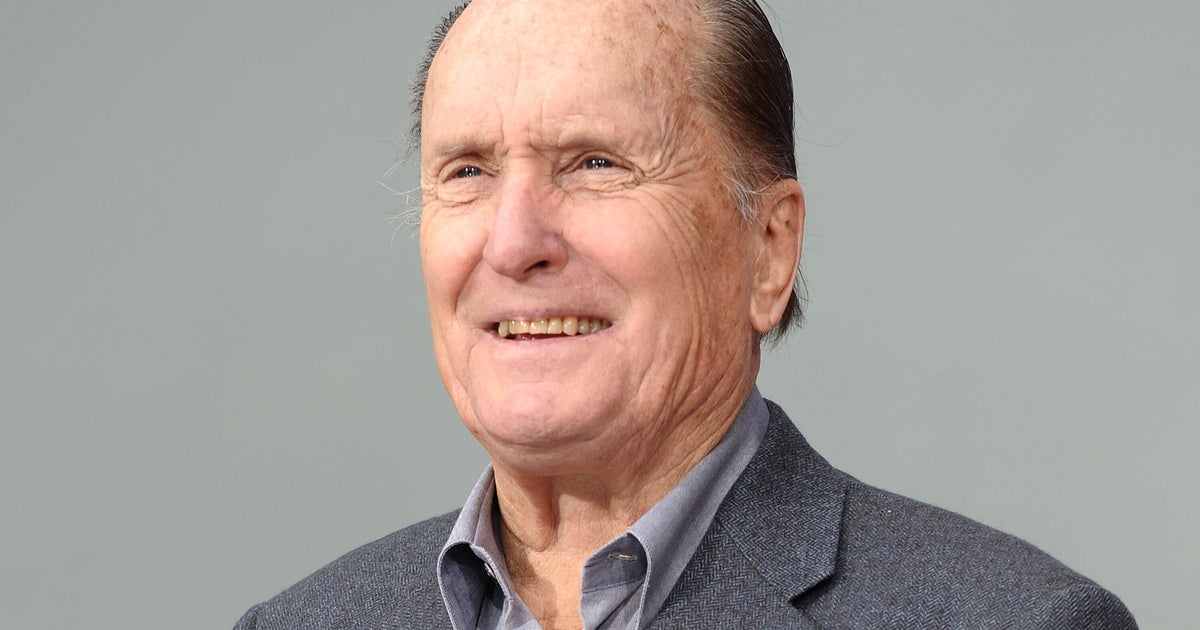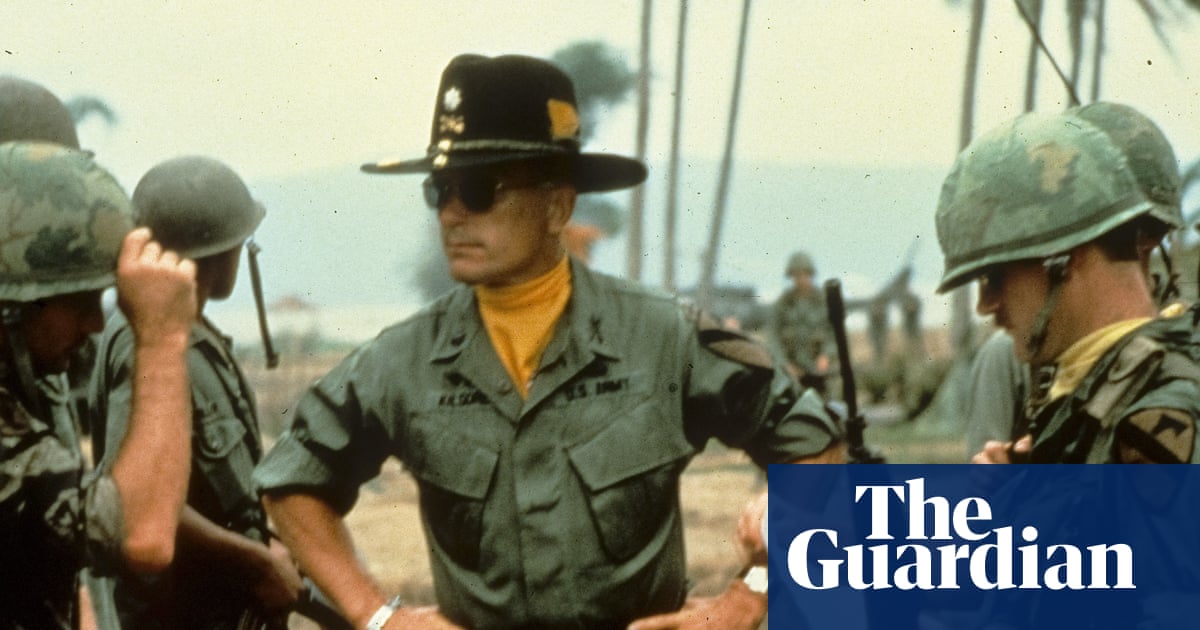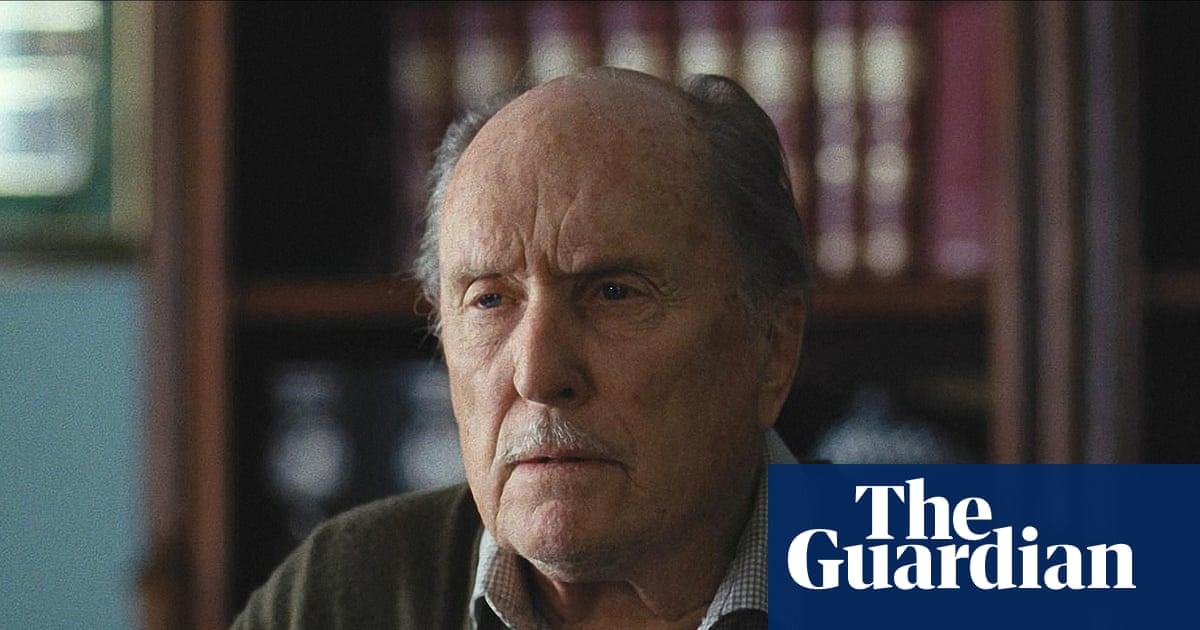



Robert Duvall, the Oscar-winning American actor whose career spanned more than six decades, has died at the age of 95 at his home in Middleburg, Virginia, with his wife Luciana announcing that he passed away peacefully. Across both liberal and conservative coverage, outlets emphasize his defining performances as Tom Hagen in the first two films of The Godfather, Lieutenant Colonel Kilgore in Apocalypse Now, his early role as Boo Radley in To Kill a Mockingbird, and his Best Actor Oscar win for Tender Mercies after seven Academy Award nominations. Reports agree that he amassed well over 100 screen credits, worked steadily into his 90s with projects as recent as the early 2020s, and was widely admired by peers, with tributes pouring in from actors, directors, and fans remembering him as a consummate professional who brought intensity, subtlety, and conviction to every role.
Liberal and conservative outlets alike frame Duvall as one of the great American character actors whose career tracked the evolution of modern Hollywood from the studio era to the age of auteur and independent cinema. Both sides describe his hallmark as a distinctive blend of restraint and power, highlighting how he often played morally complex, ethically conflicted figures—from military officers and gangsters to preachers, country singers, and ordinary men—while maintaining a grounded, observational style. There is shared attention to his contributions beyond acting, including his work as writer-director on The Apostle and as a stabilizing presence on set, as well as to the broader cultural impact of his performances in films and television events like Lonesome Dove that helped define American screen storytelling for several generations.
Areas of disagreement
Personal politics and identity. Liberal-leaning coverage either omits Duvall’s political leanings or keeps them to an understated aside, focusing instead on his craft, collaborations, and influence on acting styles. Conservative outlets, by contrast, more readily describe him as a notable conservative figure and fold that detail into his public identity, presenting his success as an example of a right-leaning voice thriving in Hollywood. Where liberal sources center his artistic risk-taking and independence in aesthetic terms, conservative sources sometimes imply that this independence also reflected a quiet ideological distance from the industry mainstream.
Career emphasis and legacy framing. Liberal outlets tend to situate Duvall within a canon of New Hollywood and global cinema, stressing his work with major directors, his range from lead to supporting roles, and his contribution to complex portrayals of American institutions like the military, religion, and the justice system. Conservative coverage foregrounds his marquee titles and iconic characters in more populist terms—The Godfather, Apocalypse Now, Lonesome Dove, Tender Mercies—leaning on recognizability, star power, and audience affection rather than film-historical analysis. While liberal pieces often rank his performances or trace thematic through-lines in his roles, conservative outlets more frequently crystallize his legacy around a handful of beloved, audience-facing parts and the admiration of fellow celebrities.
Tone of remembrance and audience engagement. Liberal-aligned pieces commonly adopt a reflective, essayistic tone, running obituaries, career retrospectives, and calls for readers to share tributes that emphasize his artistry, method, and influence on future filmmakers. Conservative outlets favor a more concise, news-and-tribute format, prominently featuring social-media posts and statements from actors like Adam Sandler and Jamie Lee Curtis to convey his impact in a relatable way. Where liberal coverage may invite deeper critical engagement with his filmography and craft, conservative coverage tends to invite emotional identification and nostalgia among a broad audience.
Cultural positioning and symbolism. Liberal sources often present Duvall as emblematic of a certain kind of American screen realism and psychological nuance, linking his work to shifts in how films portray power, war, and faith without assigning him a particular cultural “side.” Conservative sources are more inclined to frame him as a traditional, no-nonsense figure whose grounded persona and off-screen conservatism resonate with readers who feel underrepresented in Hollywood. As a result, liberal coverage folds him into a broader artistic and institutional narrative of cinema history, while conservative coverage hints more explicitly that his life and politics subtly counter prevailing industry trends.
In summary, liberal coverage tends to treat Duvall primarily as a towering craftsperson situated within film history and evolving screen portrayals of American life, while conservative coverage tends to spotlight his iconic roles, celebrity tributes, and status as a rare openly conservative star embodying traditional, audience-friendly values.
Story coverage