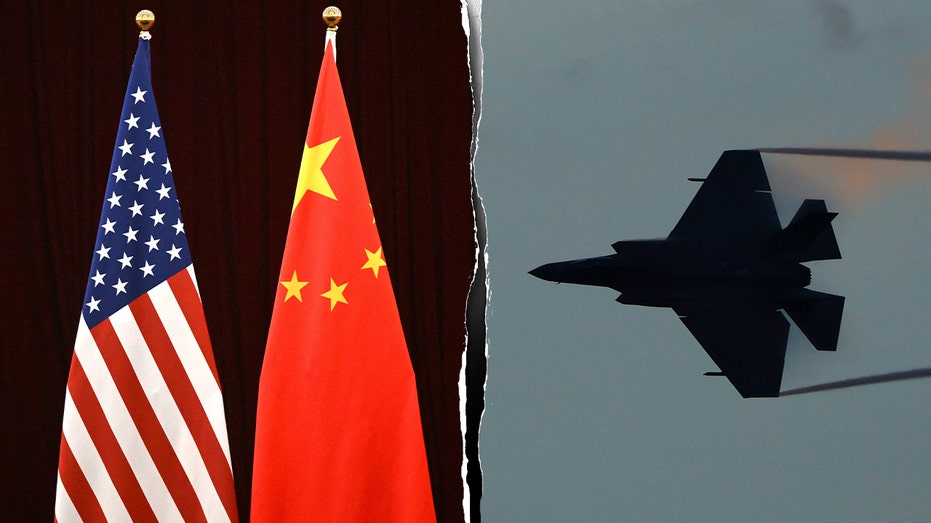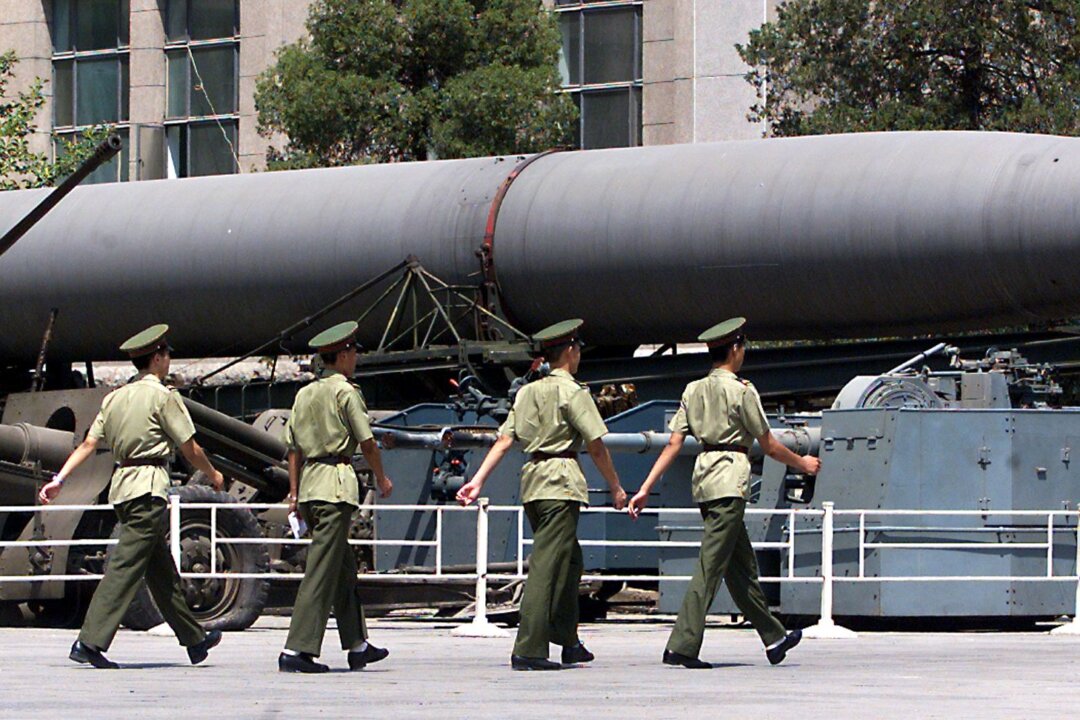


U.S. and international coverage broadly agrees that a senior U.S. State Department arms control official has recently alleged that China conducted a secret underground nuclear test in June 2020 at the Lop Nur test site in Xinjiang. Reports on both sides note that the allegation rests heavily on seismic data from a station in Kazakhstan that recorded what U.S. officials describe as a singular explosive event consistent with an underground detonation, and that Washington is framing this as potentially linked to Beijing’s broader nuclear buildup and modernization. Outlets across the spectrum also acknowledge that China has categorically denied the accusation, insisting it has maintained a voluntary moratorium on nuclear testing and characterizing the U.S. claims as political manipulation.
Liberal and conservative sources both place the story within the wider context of deteriorating U.S.-China relations, ongoing nuclear arms competition, and stalled or fragile arms control frameworks. They connect the allegation to longstanding concerns about verification under the Comprehensive Nuclear-Test-Ban Treaty, even though neither Washington nor Beijing has ratified it, and to worries about a three-way nuclear competition involving the United States, China, and Russia. Coverage from both camps notes that U.S. intelligence and monitoring of Lop Nur has been a recurring issue in arms control debates, that China has been expanding and modernizing its nuclear arsenal, and that any confirmed violation of testing norms could further complicate future negotiations on strategic stability and nonproliferation.
Areas of disagreement
Strength of the evidence. Liberal-aligned outlets tend to stress the limitations and ambiguity of the seismic data, emphasizing that independent experts have not conclusively verified a nuclear test and that alternative explanations such as conventional explosions or mining activity remain possible. Conservative outlets are more likely to present the U.S. seismic analysis and official statements as highly persuasive, underscoring language like “highly likely” and highlighting technical details that, in their view, point strongly to a covert nuclear detonation.
Framing of U.S. motives. Liberal sources often question Washington’s timing and intent, suggesting the allegation may serve broader strategic messaging, domestic political narratives, or budgetary arguments for modernizing the U.S. arsenal, and warning against overhyping uncertain intelligence. Conservative sources generally frame U.S. officials as sounding a necessary alarm, portraying the disclosure as a responsible response to a growing threat and criticizing past administrations and arms control advocates for underestimating Chinese nuclear ambitions.
Assessment of Chinese behavior. Liberal coverage tends to frame China’s reported nuclear activities within a narrative of mutual great-power escalation, often pairing concerns about Beijing’s buildup with reminders of U.S. modernization plans and prior American withdrawals from arms control agreements. Conservative coverage more often presents China as the primary aggressor, emphasizing rapid warhead increases, suspected testing, and opaque military planning, and using the alleged 2020 blast as evidence that Beijing is pursuing nuclear warfighting capabilities in violation of international norms.
Policy prescriptions. Liberal outlets typically emphasize the need for renewed diplomacy, stronger verification regimes, and multilateral arms control talks that include China, while cautioning against an unchecked arms race driven by worst-case assumptions. Conservative outlets more frequently call for accelerated U.S. nuclear modernization, tougher deterrence posture in the Indo-Pacific, and reduced reliance on agreements they view as unverifiable or easily exploited by adversaries, arguing that credible military strength is a prerequisite for any effective arms control.
In summary, liberal coverage tends to treat the alleged 2020 test as a worrisome but not yet conclusively proven indicator of broader nuclear competition that calls for careful verification and renewed diplomacy, while conservative coverage tends to treat it as compelling evidence of Chinese cheating and aggressive nuclear expansion that justifies a stronger U.S. deterrent posture and skepticism toward arms control with Beijing.
Story coverage