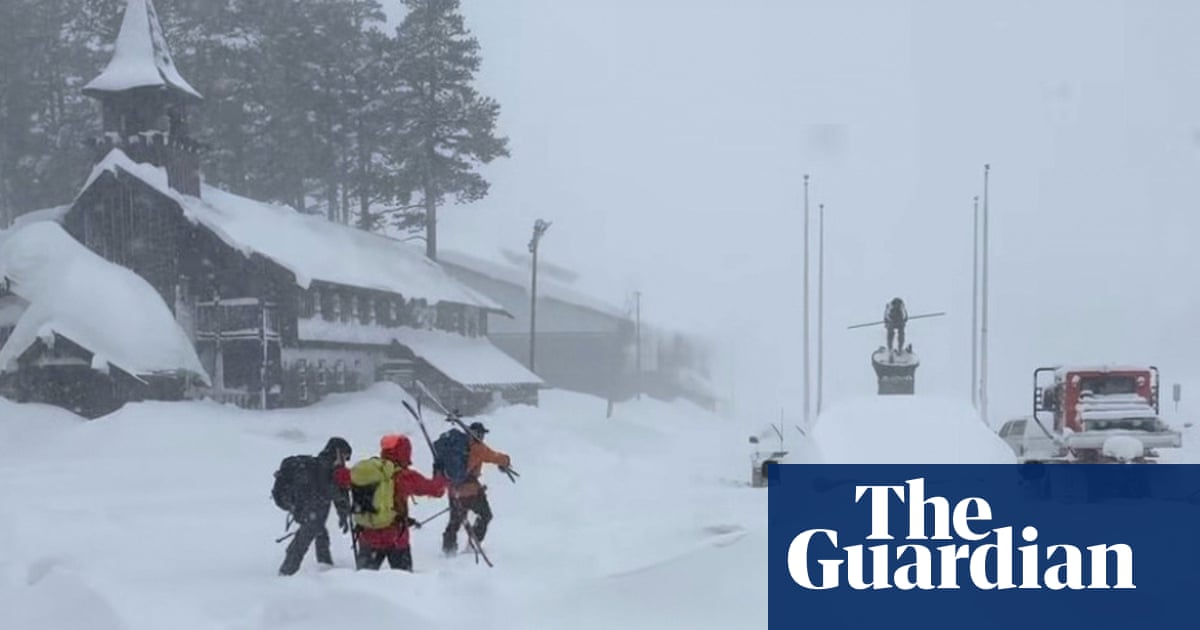
Eight skiers have been confirmed dead and one remains missing after a massive avalanche in California’s Sierra Nevada near Lake Tahoe, with six other skiers rescued alive, according to authorities cited by both liberal and conservative outlets. The slide occurred in a backcountry area associated with the Boreal Mountain Resort/Castle Peak region during a severe winter storm, and officials say it is the deadliest single avalanche in the United States in roughly 45 years, with comparable events not seen since around 1981. Rescue operations were launched after the group was reported missing, but were slowed by extreme weather and dangerous conditions, and search teams have warned that avalanche risk in the area remains high in the immediate aftermath.
Across the spectrum, coverage situates the disaster within the broader pattern of hazardous winter weather in the Sierra Nevada and the particular risks of backcountry skiing during major storms. Outlets agree that professional search-and-rescue teams, local sheriffs, and avalanche experts are coordinating the response and assessment, and that the incident underscores the importance of avalanche forecasts, emergency preparedness, and awareness of terrain beyond controlled resort boundaries. Both liberal and conservative reporting note that this event will likely factor into ongoing discussions in the outdoor community and among safety agencies about how to better warn, educate, and equip skiers and riders who venture into high-risk backcountry zones during extreme weather cycles.
Areas of disagreement
Responsibility and blame. Liberal-aligned outlets tend to frame the tragedy as a systemic failure of safety culture and risk communication, implicitly questioning whether resorts, local authorities, and the outdoor industry did enough to deter backcountry travel during a known “monster” storm with high avalanche danger. Conservative sources, by contrast, emphasize individual decision-making and personal responsibility, portraying the victims as experienced skiers who knowingly accepted the inherent risks of backcountry terrain and focusing less on institutional culpability.
Emphasis of narrative. Liberal coverage often centers the scale of the loss and the historic nature of the disaster, using it to highlight climate-driven volatility in winter storms and the need for more robust public safety investments and regulations around high-risk recreation. Conservative coverage gives more space to the survival stories of the six rescued individuals, stressing resilience, preparedness, and the practical aspects of how they endured the avalanche, with comparatively less attention to broader structural or regulatory themes.
Policy and prevention framing. Liberal outlets are more likely to connect the event to potential reforms, such as expanding avalanche education programs, improving early-warning systems, and revisiting land-use and resort-adjacent backcountry access practices in an era of increasingly intense storms. Conservative outlets, where policy questions appear at all, lean toward voluntary measures, better personal gear, and training rather than new mandates, and they are less inclined to treat the avalanche as a springboard for large-scale regulatory or climate-policy debates.
Climate and environmental context. Liberal-aligned reporting is more apt to situate the storm and avalanche within a pattern of more extreme and less predictable winter weather that they link to climate change, arguing that such hazards will become more frequent and severe without broader environmental action. Conservative coverage tends either to omit climate discussion or to treat the storm as part of natural variability, keeping the focus narrowly on immediate conditions, rescue operations, and the human stories rather than on long-term environmental drivers.
In summary, liberal coverage tends to tie the Lake Tahoe avalanche to systemic issues like climate volatility, public safety policy, and institutional responsibility, while conservative coverage tends to highlight individual risk-taking, survival narratives, and practical lessons without strongly pushing broader regulatory or climate-oriented conclusions.
Story coverage