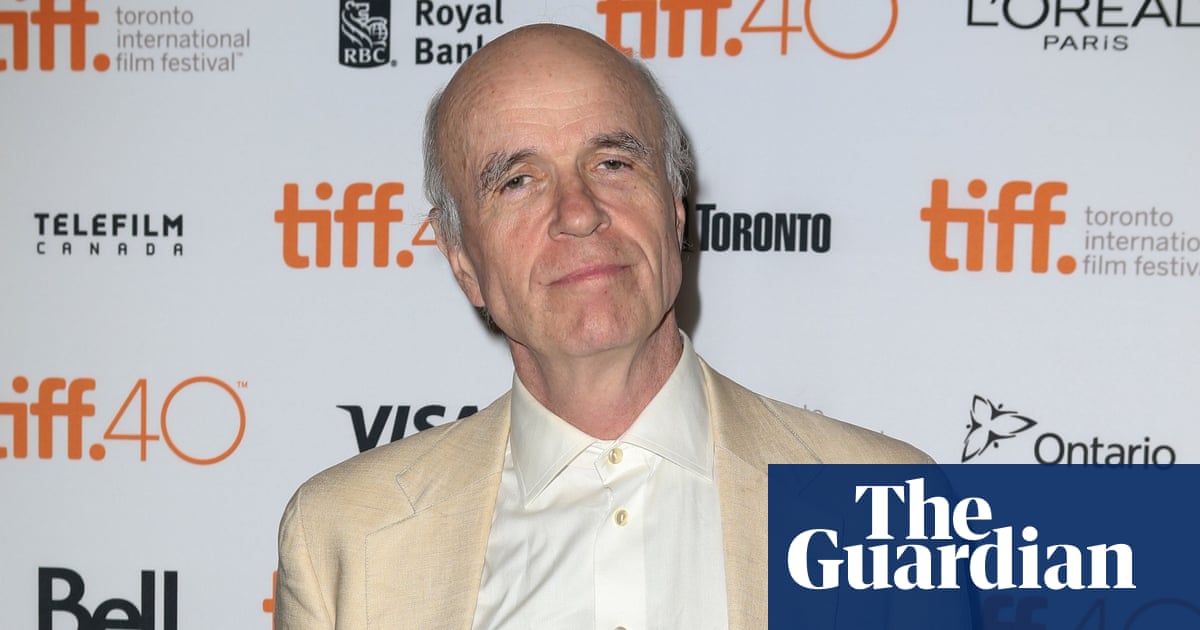
Tom Noonan, the American actor, playwright, and filmmaker best known to mainstream audiences for his roles in Michael Mann’s films Manhunter and Heat, has died at the age of 74. Both liberal and conservative outlets report that his death was confirmed this week, that the cause of death has not been publicly disclosed, and that he was widely regarded as a distinctive character actor whose imposing presence and unconventional looks made him memorable on screen. Coverage from both sides notes his long career in film, television, and theater, frequently citing other credits such as RoboCop 2, Anomalisa, and Heaven’s Gate, and describing him as a notable figure even if not a traditional leading man.
Across the spectrum, outlets emphasize that Noonan’s legacy extends beyond acting into writing and directing, highlighting his work as a playwright and independent filmmaker and the respect he commanded within industry circles. Liberal and conservative sources alike situate him in the tradition of American character actors whose careers spanned decades and genres, noting his particular affinity for playing outsiders, psychologically complex figures, and villains. They agree that his contributions to both prestige cinema and genre projects made him a cult favorite and an influential presence in contemporary film and theater, framing his death as the loss of a singular creative voice rather than merely the passing of a supporting performer.
Areas of disagreement
Emphasis of career highlights. Liberal-aligned outlets tend to foreground Noonan’s broader artistic range, giving roughly equal attention to his theater work, indie films, and voice performance in Anomalisa alongside his roles in Manhunter and Heat. Conservative sources more consistently frame him first and foremost as a character actor best known for his menacing screen persona, using his villain roles in Manhunter, Heat, and RoboCop 2 as the main shorthand for his career, with his stage and indie credentials treated as secondary.
Tone of remembrance. Liberal coverage leans toward an elegiac, culture-focused tone, stressing his status as a beloved figure among cinephiles and theater communities and emphasizing his contributions to artistic experimentation. Conservative coverage, while respectful, is more matter-of-fact and news-driven, concentrating on biographical particulars and filmography rather than extended reflection on his artistic influence or the emotional response within creative circles.
Framing of persona. Liberal outlets more often describe Noonan as a complex, introspective artist who used his physical presence to explore alienation and vulnerability, framing his villain roles as subversive or psychologically rich. Conservative reports typically highlight him as a reliable character actor known for playing chilling or unsettling antagonists, focusing on the effectiveness of his screen menace rather than thematic or psychological interpretations of his work.
Scope of legacy. Liberal-leaning pieces are more likely to present his legacy as spanning mainstream Hollywood, independent cinema, and avant-garde theater, underlining his work as a playwright and director as central to understanding his impact. Conservative coverage tends to confine his legacy primarily to his recognizable roles in popular films and television, treating his stage and behind-the-camera work as notable but ancillary details rather than a coequal pillar of his career.
In summary, liberal coverage tends to portray Tom Noonan as a multifaceted artist whose work across film, theater, and independent projects made him a cult icon and creative force, while conservative coverage tends to emphasize him as a memorable character actor best known for his villainous roles in high-profile crime and action films.