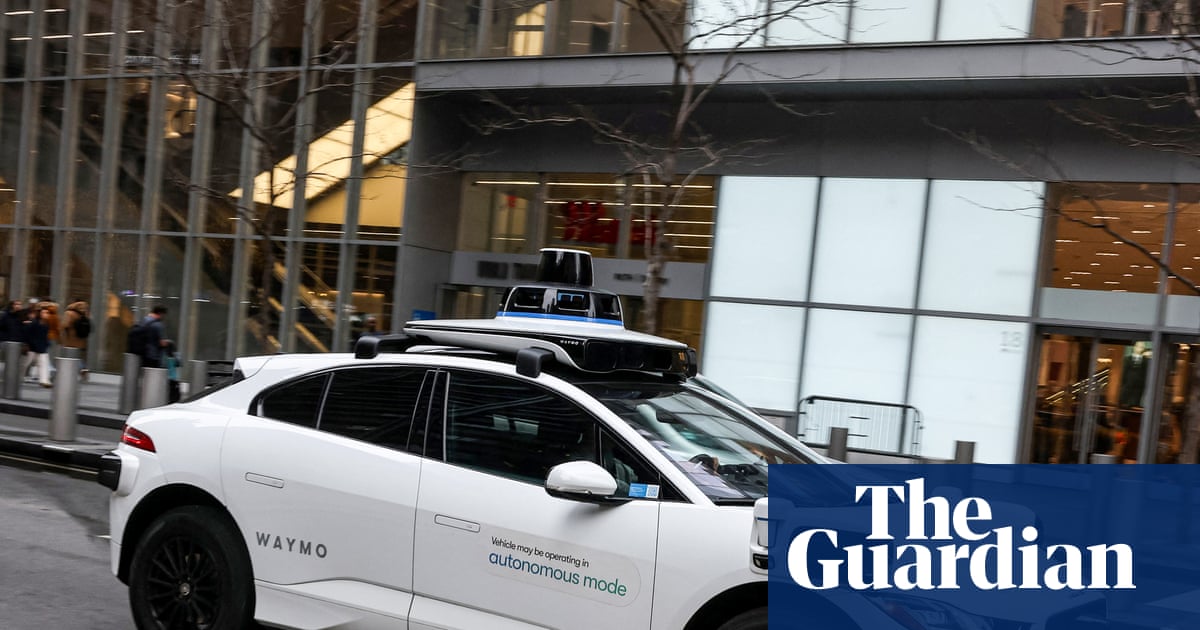
New York Governor Kathy Hochul has withdrawn a proposal that would have allowed commercial robotaxi services to operate in parts of New York State outside New York City, after it failed to gain sufficient support in the legislature. Coverage across the political spectrum agrees that the move is a setback for companies like Alphabet’s Waymo, which had been positioning itself to launch paid autonomous ride-hailing in additional New York cities but will continue limited autonomous vehicle testing in New York City under existing permissions.
Liberal and conservative-leaning reporting alike situate the decision within broader debates over autonomous vehicles, worker protection, and public safety regulation overseen by state and city authorities. They note that labor unions, rideshare drivers, and transit workers were key organized opponents of the proposal, arguing about potential job displacement and safety concerns, while highlighting that Hochul’s withdrawal does not ban autonomous vehicle testing outright but pauses the broader commercial rollout pending further legislative action and negotiations with stakeholders.
Areas of disagreement
Motives and political calculus. Liberal-aligned outlets frame Hochul’s withdrawal primarily as a pragmatic response to legislative arithmetic and organized labor concerns, emphasizing that she pulled the proposal because it simply did not have the votes to pass. Conservative commentators tend to portray the same decision more as an example of political deference to unions and progressive interest groups, suggesting that fear of backlash from these constituencies drove the timing and substance of the retreat. Where liberal coverage stresses the normal push-and-pull of policymaking in a new tech space, conservative coverage is more likely to cast it as a politically motivated capitulation.
Economic trade-offs and innovation. Liberal coverage often highlights the risk of job losses for rideshare and transit workers and treats these as central, legitimate concerns that justify slowing or reshaping robotaxi expansion. Conservative sources, by contrast, emphasize the lost economic and innovation opportunities for New York, arguing that blocking or delaying commercial robotaxis sends an anti-business signal and could push high-tech investment to more welcoming states. Both sides acknowledge there are economic stakes, but liberals foreground worker protections and conservatives foreground competitiveness and growth.
Safety and regulation framing. Liberal-aligned reporting generally emphasizes safety as a core rationale for tighter oversight, pointing to incidents in other states and arguing that stronger guardrails and phased pilots are needed before wide deployment. Conservative coverage tends to acknowledge safety issues but is more inclined to argue that existing regulatory tools and iterative testing are sufficient, warning against what they see as overly precautionary regulation driven by anecdotal fears. The liberal narrative leans toward a "regulate first" approach, while the conservative narrative leans toward "innovate with guardrails" and adjusts based on evidence.
Role of big tech companies. Liberal outlets typically describe Waymo and similar firms as powerful corporate actors whose market entry must be balanced carefully against public interest, labor standards, and democratic oversight. Conservative voices are more likely to frame these companies as key drivers of technological progress that are being stymied by protectionist politics and bureaucratic inertia. While both acknowledge Waymo as a major player, liberals stress the need to constrain its impact on workers and communities, whereas conservatives stress enabling its investment and deployment.
In summary, liberal coverage tends to present Hochul’s move as a cautious, worker- and safety-centered pause that reflects legitimate concerns and legislative realities, while conservative coverage tends to cast it as a politically driven setback for innovation that prioritizes union and interest-group pressure over economic dynamism and technological progress.