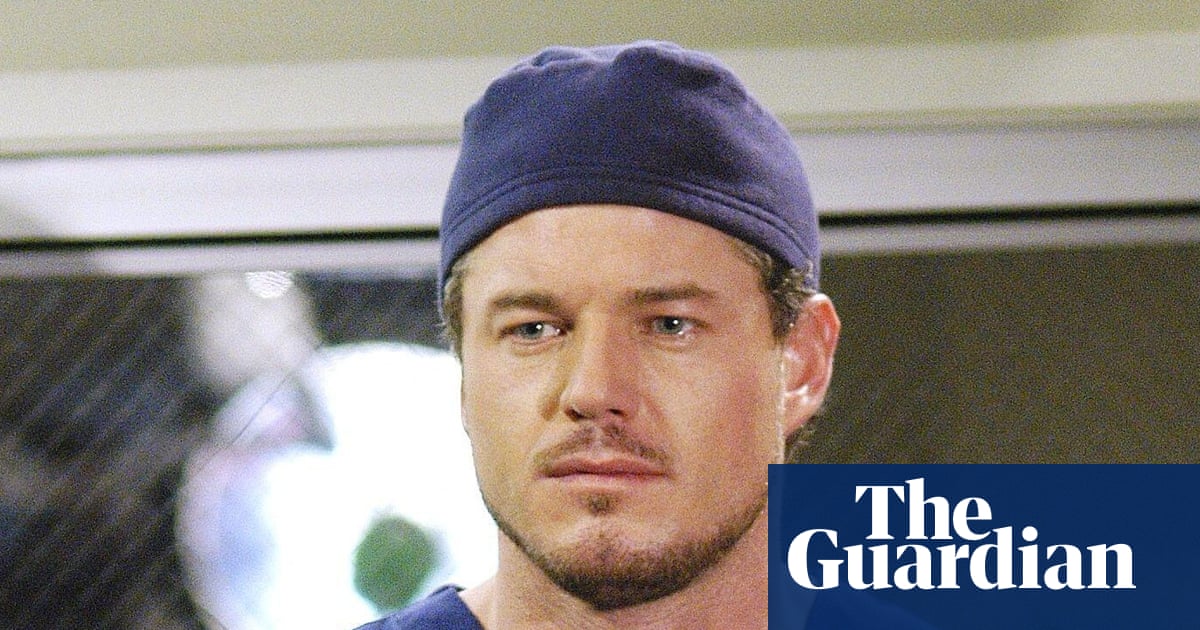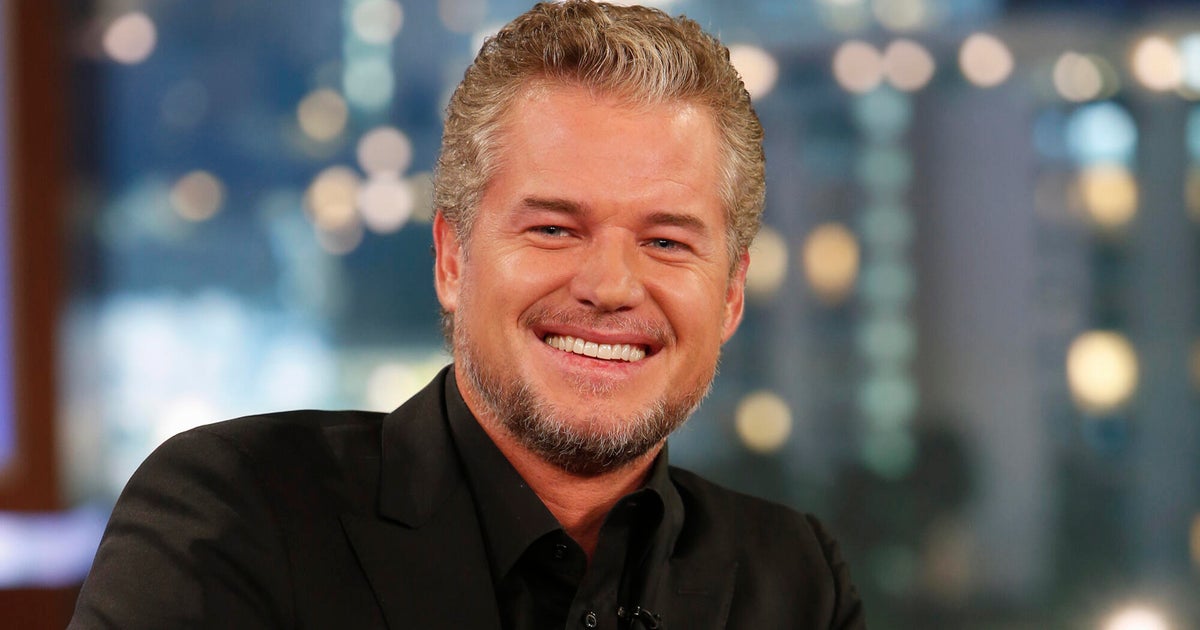


Actor Eric Dane, best known for playing Dr. Mark “McSteamy” Sloan on Grey’s Anatomy and for a major role on HBO’s Euphoria, has died at the age of 53 after a battle with amyotrophic lateral sclerosis, also described in some coverage as motor neurone disease. Both liberal and conservative outlets agree that he died on a Thursday, that his death followed a publicly disclosed ALS diagnosis, and that he had a long television and film career that included Grey’s Anatomy, Euphoria, and the TNT series The Last Ship, as well as various movie roles. They uniformly note his breakout as a sex symbol on Grey’s Anatomy, his centrality to multiple storylines on that show, and the strong fan recognition attached to the “McSteamy” nickname.
Across the spectrum, outlets situate Dane’s death within a broader narrative of a respected working actor who transitioned from being known primarily as a TV heartthrob to being recognized for range, longevity, and professionalism. Liberal and conservative sources alike highlight that in the later years of his life he became a visible advocate for ALS awareness and research after publicly revealing his diagnosis in 2025, framing his illness as a courageous and public struggle rather than a private matter. Both sides also provide contextual reminders of his influence on medical dramas and prestige cable television, portraying him as part of a generation of actors who helped shape 2000s and 2010s pop culture, and they emphasize the grief of fans and colleagues who saw him as both a charismatic on-screen presence and a symbol of the human cost of neurodegenerative disease.
Areas of disagreement
Cause and characterization of illness. Liberal-leaning outlets tend to use more clinical language, explicitly naming both ALS and motor neurone disease and briefly explaining that ALS is a progressive neurodegenerative condition, sometimes emphasizing the lack of a cure and the need for medical research. Conservative outlets more often stick to simpler phrasing such as “after a battle with ALS” or “after a courageous battle,” avoiding extended medical context and leaning on emotional descriptors. While both agree ALS was the cause and describe his struggle as brave, liberal coverage treats his illness partly as a public-health and research issue, whereas conservative coverage frames it more as a personal and inspirational fight.
Advocacy and public role. Liberal sources place stronger emphasis on Dane’s transformation into an ALS advocate, underscoring his vocal support for awareness campaigns and research funding and sometimes connecting this to broader conversations about healthcare and support for patients with serious illnesses. Conservative outlets do mention his ALS advocacy but give it less space, focusing more on his entertainment legacy and the personal courage he displayed, largely avoiding linkage to systemic policy debates. As a result, liberal coverage subtly situates Dane within a narrative of activism tied to his diagnosis, while conservative coverage treats advocacy as an admirable but secondary detail.
Cultural framing and legacy. Liberal-aligned coverage tends to frame Dane as emblematic of evolving television storytelling, highlighting Grey’s Anatomy and Euphoria as influential series that pushed boundaries on sex, relationships, and darker character studies, and positioning him within a creative community that shaped modern prestige TV. Conservative outlets highlight his iconic “McSteamy” status and enduring fan appeal but are more likely to keep the focus on mainstream cultural impact and nostalgia rather than on how those shows challenged norms or tackled controversial themes. Thus, liberals more often discuss his roles in terms of representation, narrative complexity, and artistic risk, while conservatives lean toward his star power and recognizable, crowd-pleasing characters.
Tone and emotional emphasis. Liberal coverage generally balances emotional tributes with career retrospectives and contextual detail, offering a somewhat reportorial tone that mixes admiration with information about his diagnosis and activism. Conservative outlets often employ a more straightforward elegiac style, foregrounding words like “courageous,” “iconic,” and “battle,” and keeping analysis brief to emphasize sentiment and remembrance. Both sides are respectful, but liberal reporting leans into context and structural implications, whereas conservative reporting concentrates on honoring his memory through concise, emotionally resonant summaries of his life and work.
In summary, liberal coverage tends to integrate Eric Dane’s death into broader narratives about healthcare, advocacy, and the evolution of modern television, while conservative coverage tends to highlight his star power, personal courage, and fan-beloved roles with fewer forays into policy or industry-wide analysis.
Story coverage