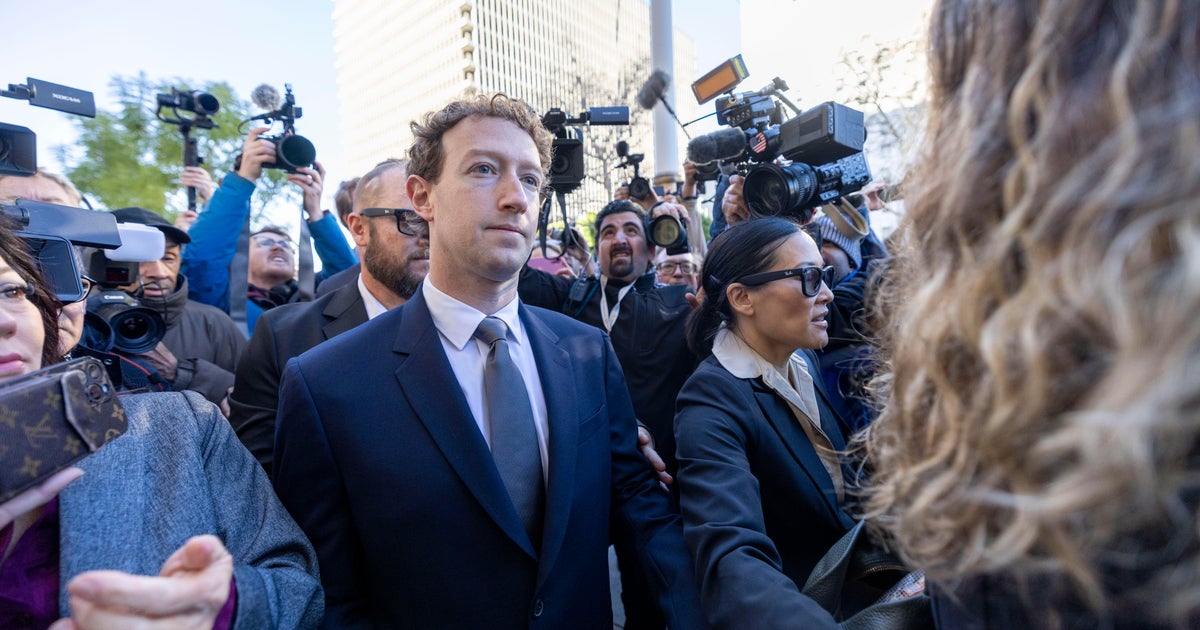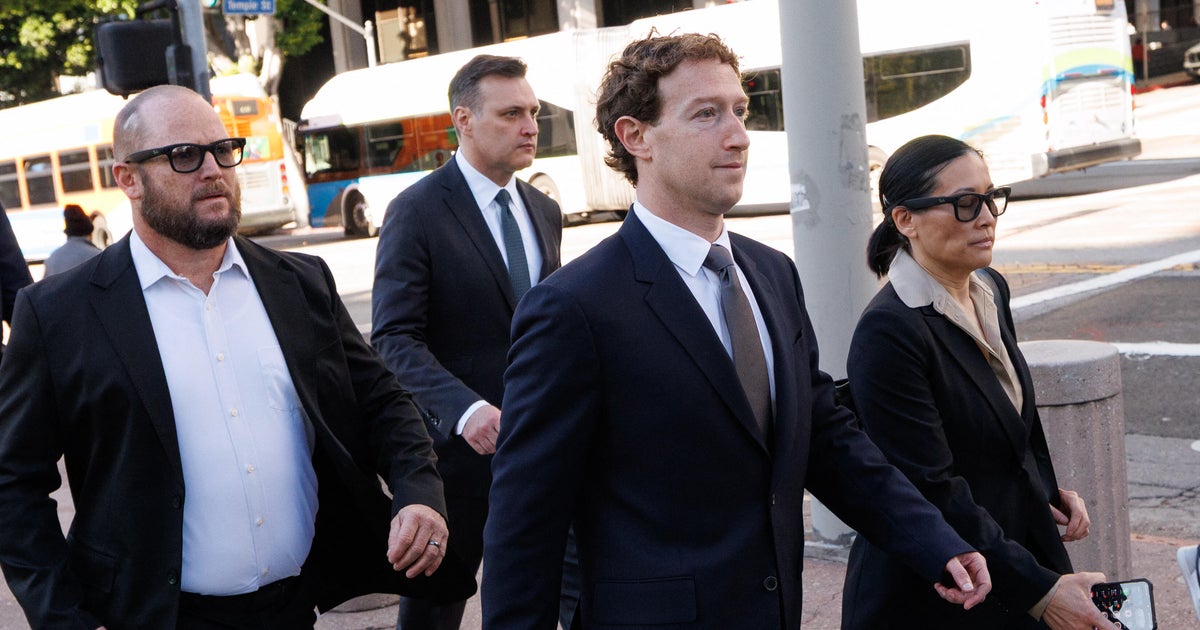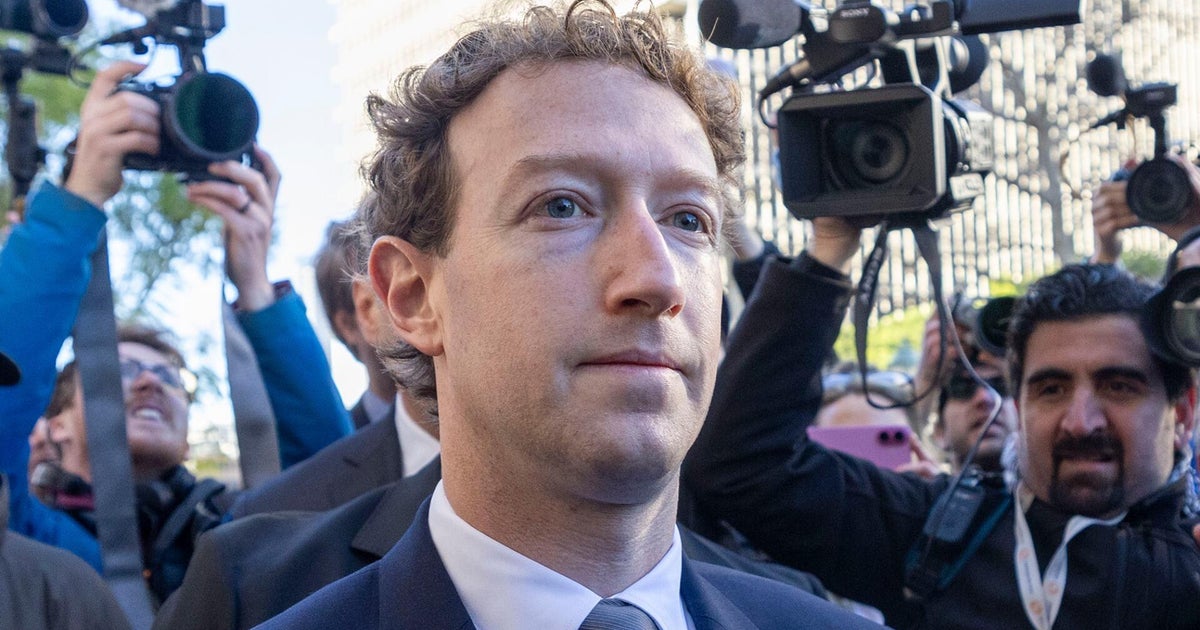


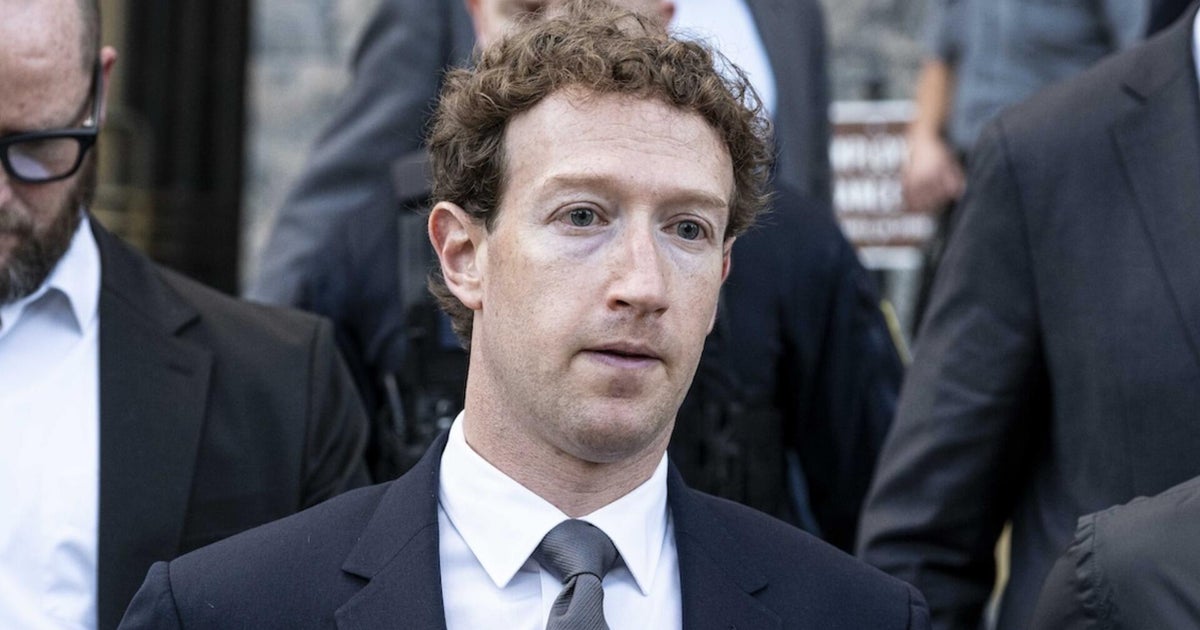
Mark Zuckerberg testified in Los Angeles Superior Court in a civil trial alleging that Meta’s platforms, particularly Instagram, and YouTube are designed to be addictive and harmful to children and teens. Coverage across liberal- and conservative-leaning outlets agrees that Zuckerberg was questioned extensively about under-13 users, engagement and usage goals, and whether high usage reflects value or engineered compulsion. Both sides report that the proceedings are considered a landmark or unprecedented social media addiction case, that the outcome could influence thousands of similar suits, and that the judge intervened at least once on courtroom conduct, including admonishing members of Zuckerberg’s team for wearing Ray Ban-Meta glasses with cameras. Reports concur that questioning referenced his prior congressional testimony and internal guidance on how he presents himself, and that the trial is focused on whether social media use at a young age contributed to addiction and mental health problems for the plaintiffs.
Liberal and conservative outlets also agree that the case fits into a broader wave of legal and policy scrutiny over the impact of large social media platforms on minors. Coverage on both sides situates the trial within ongoing debates about children’s online safety, platform design choices that prioritize engagement, and the adequacy of existing regulations governing under-13 users. They describe the proceeding as a potential catalyst for new legal standards or reforms that could reshape how tech companies collect data, moderate content, and design features for young users. Both frames acknowledge that the trial’s outcome may set precedents for corporate responsibility, risk disclosures, and parental expectations around youth social media use.
Areas of disagreement
Responsibility and blame. Liberal-aligned coverage tends to emphasize the possibility that Meta and other platforms knowingly exposed children to addictive and harmful design features, underscoring the plaintiff’s claims about mental health harms and framing the case as a test of corporate accountability. Conservative sources, while acknowledging the addiction allegations, more often treat Zuckerberg’s appearance as one episode in a broader news cycle and are less explicit about assigning blame, sometimes implying that responsibility may be shared among parents, users, and regulators rather than resting primarily on the company.
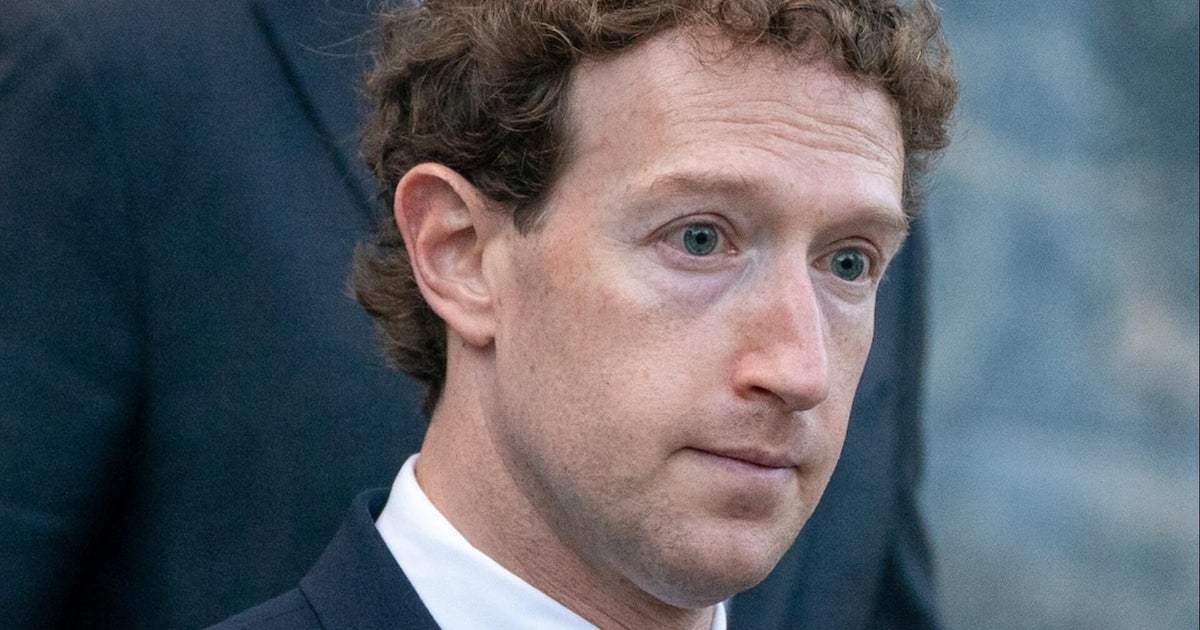
Characterization of Zuckerberg and his testimony. Liberal outlets portray Zuckerberg as being “grilled” or aggressively challenged on under-13 usage, engagement metrics, and safety policies, highlighting tensions between his defense that high usage reflects value and evidence suggesting harm. Conservative coverage is more likely to focus on the optics of his courtroom appearance and his personal presentation style, including references to advice that he be more “authentic” and less “robotic,” treating his testimony as a prominent visual moment rather than a detailed policy reckoning.
Emphasis on harm and regulatory implications. Liberal-leaning reports foreground the mental health impacts on children and teens, the scale of pending lawsuits, and the potential for the case to drive legal solutions or stronger regulations on youth social media use. Conservative reports, when mentioning harm, do so more briefly and tend to place the trial alongside other major events, giving relatively less space to prospective regulatory overhauls or expansive new liabilities for tech firms.
Framing of the trial’s significance. Liberal coverage generally casts the trial as a watershed challenge to the business models of social media companies and a key moment in efforts to rein in Big Tech’s power over young users. Conservative coverage, while calling the case unprecedented, is more inclined to frame it as one important story among many global happenings, and is less likely to suggest it will fundamentally reorder the tech industry unless courts or lawmakers go much further.
In summary, liberal coverage tends to highlight corporate responsibility, youth mental health harms, and the trial’s potential to spur strong regulatory or legal changes, while conservative coverage tends to present Zuckerberg’s appearance as a notable but more visually focused event, place the case within a broader news mix, and more cautiously frame both blame and the scope of potential consequences.
Story coverage