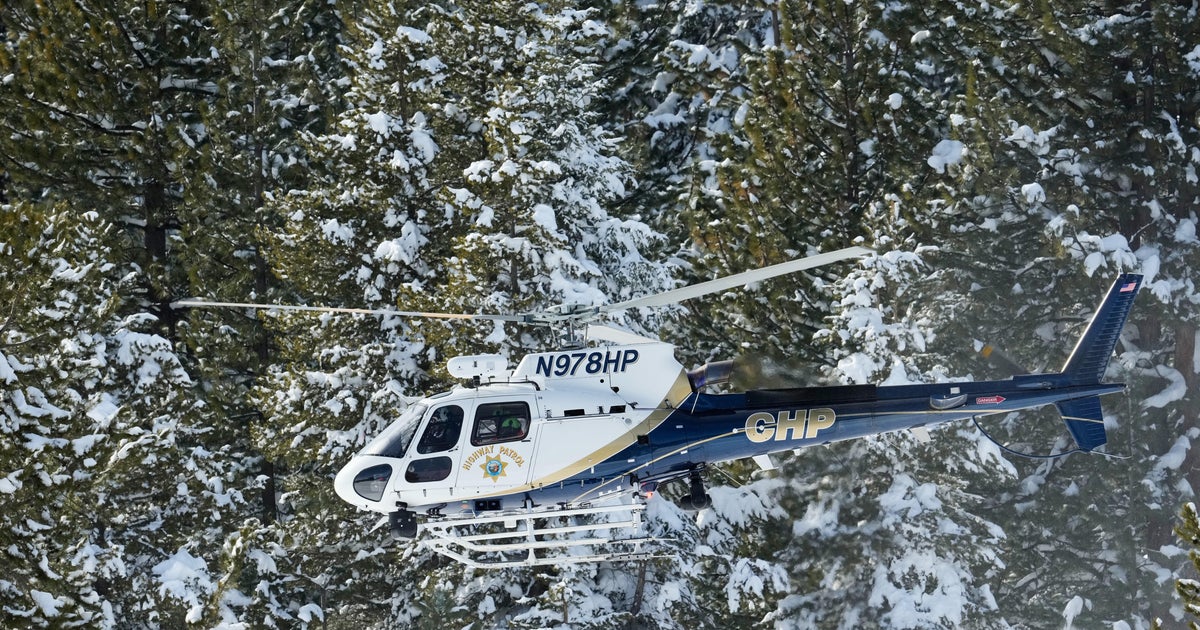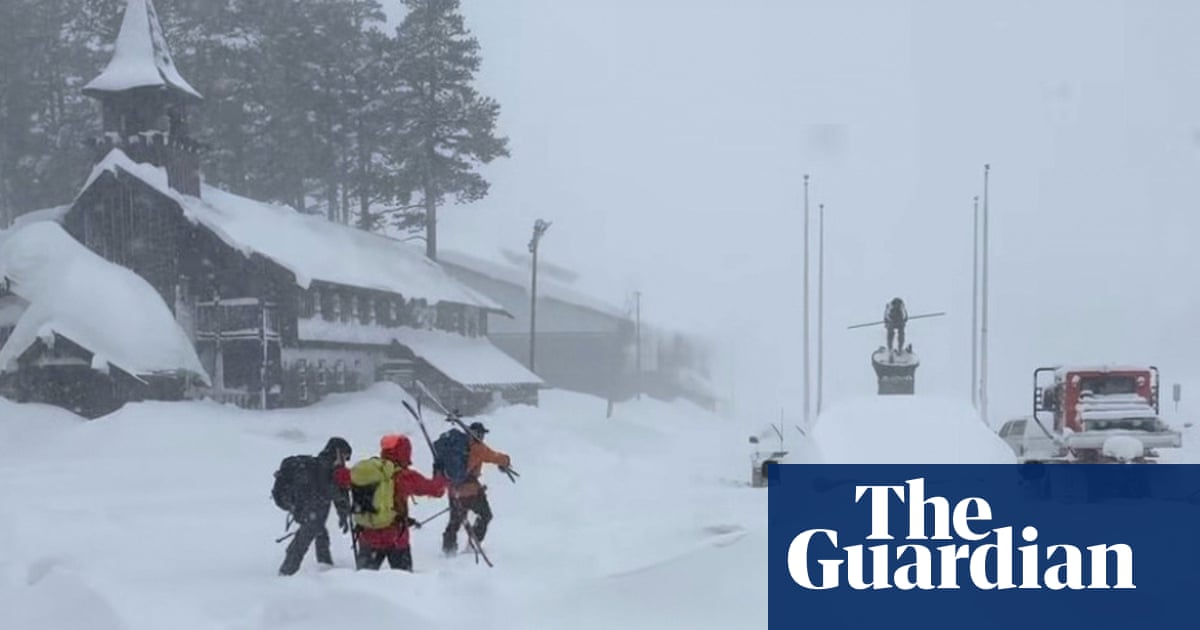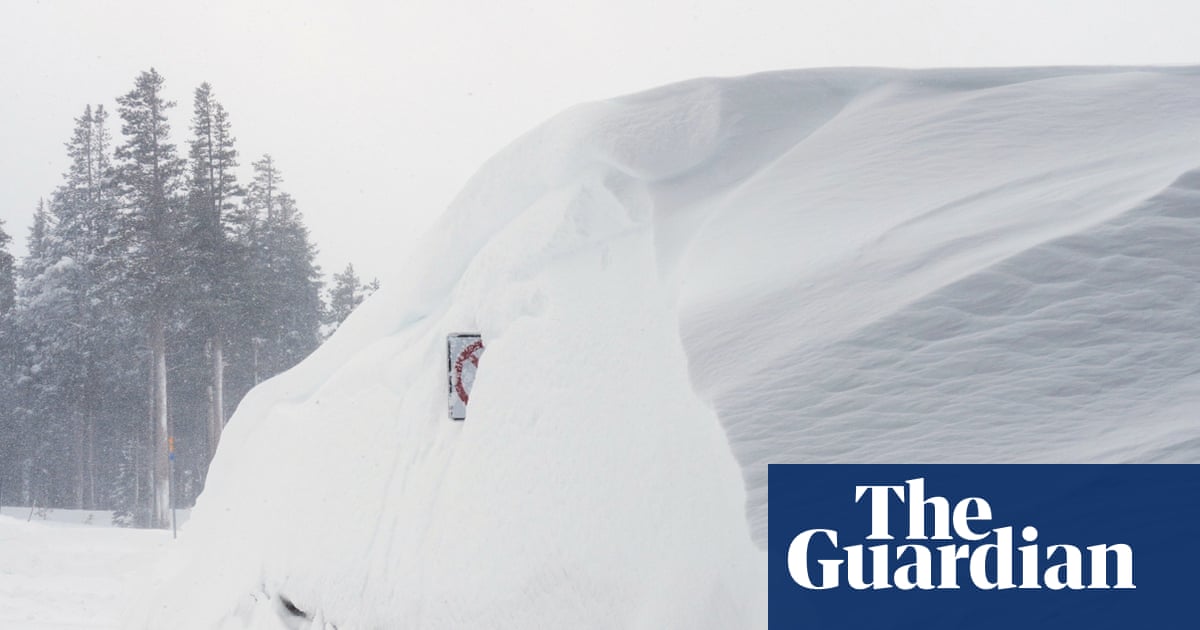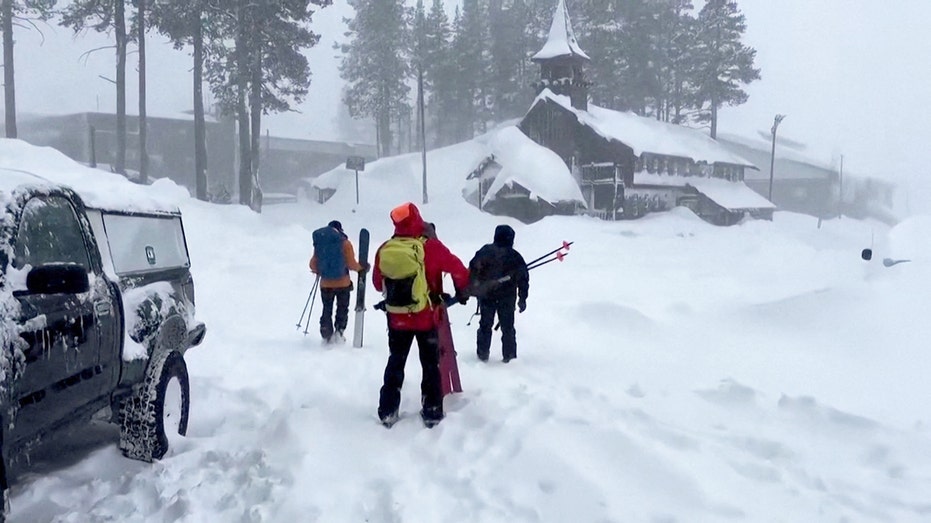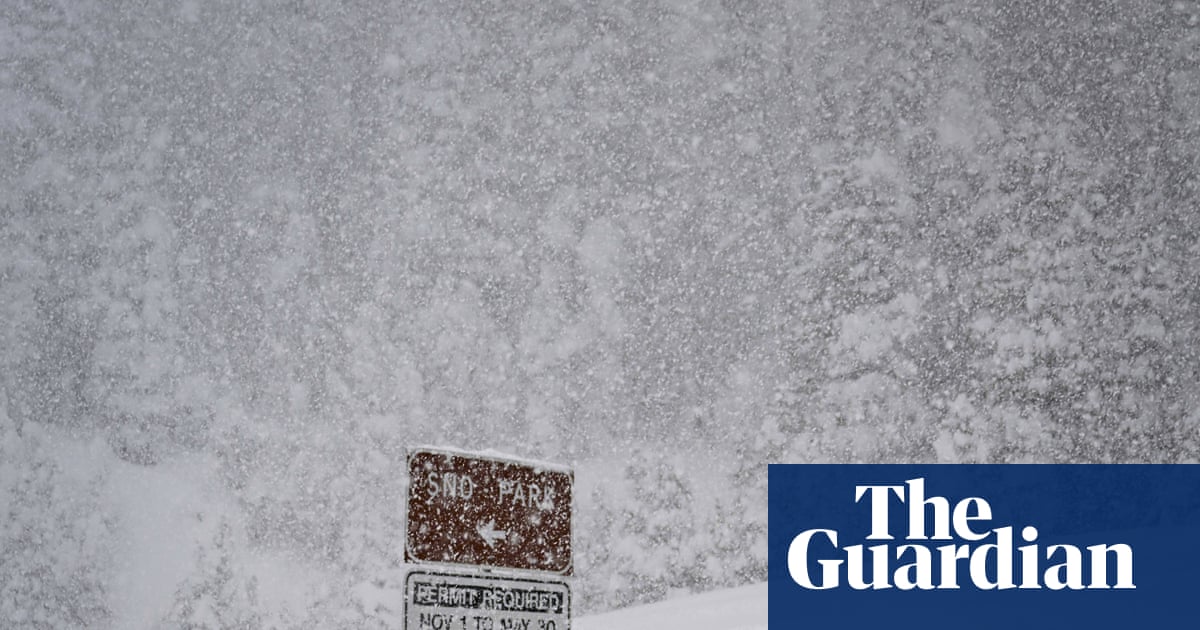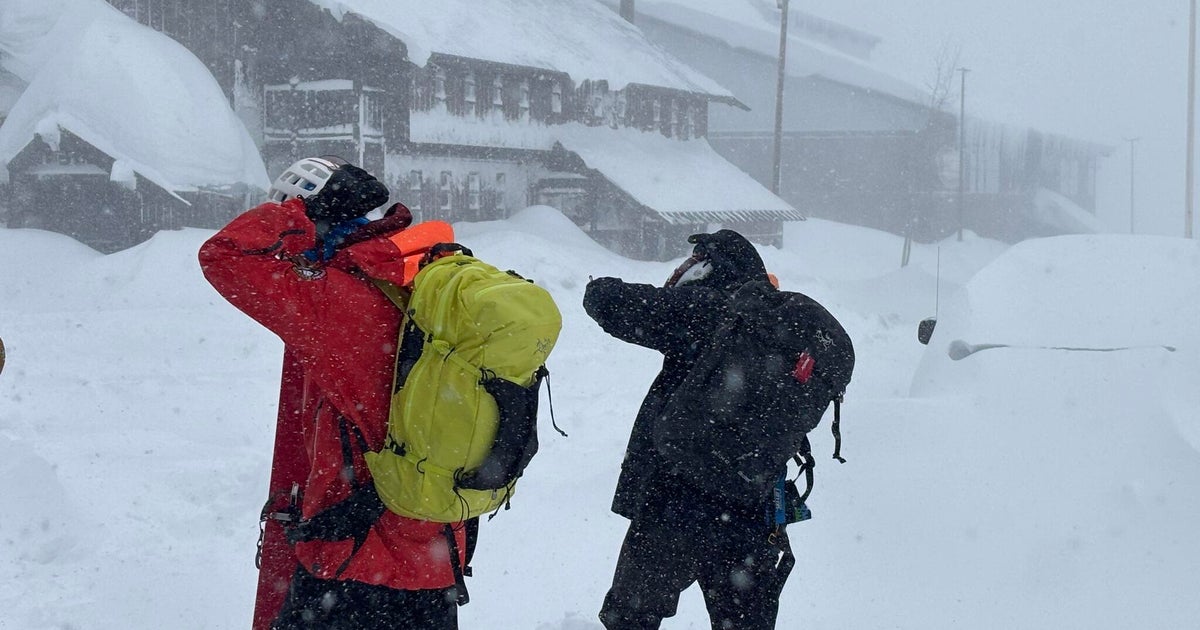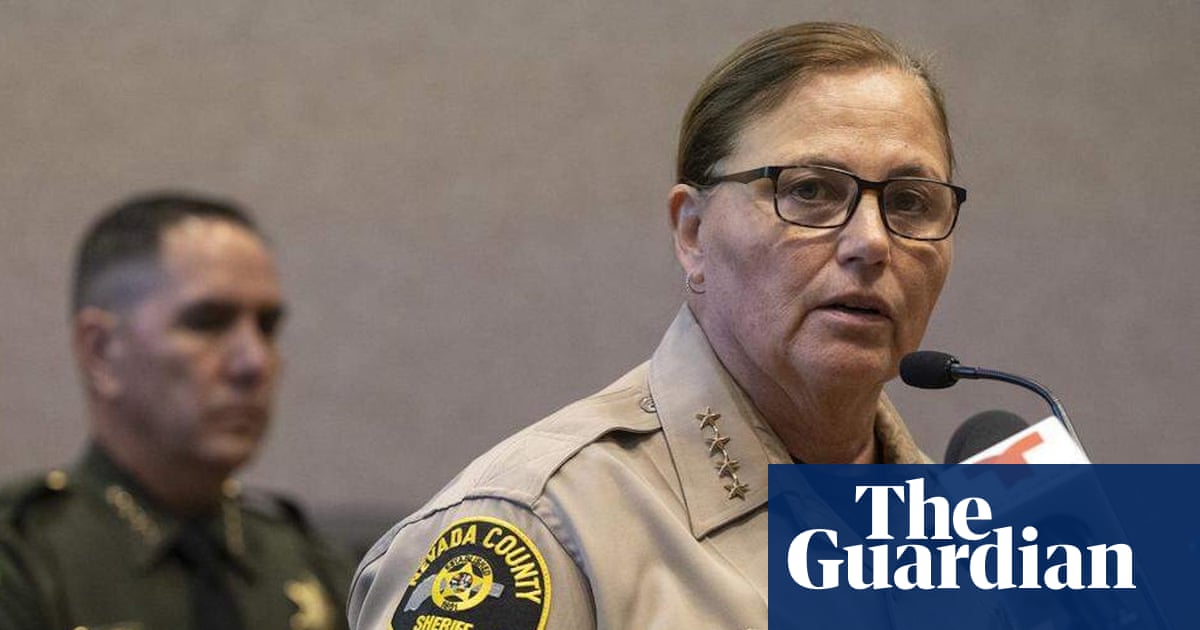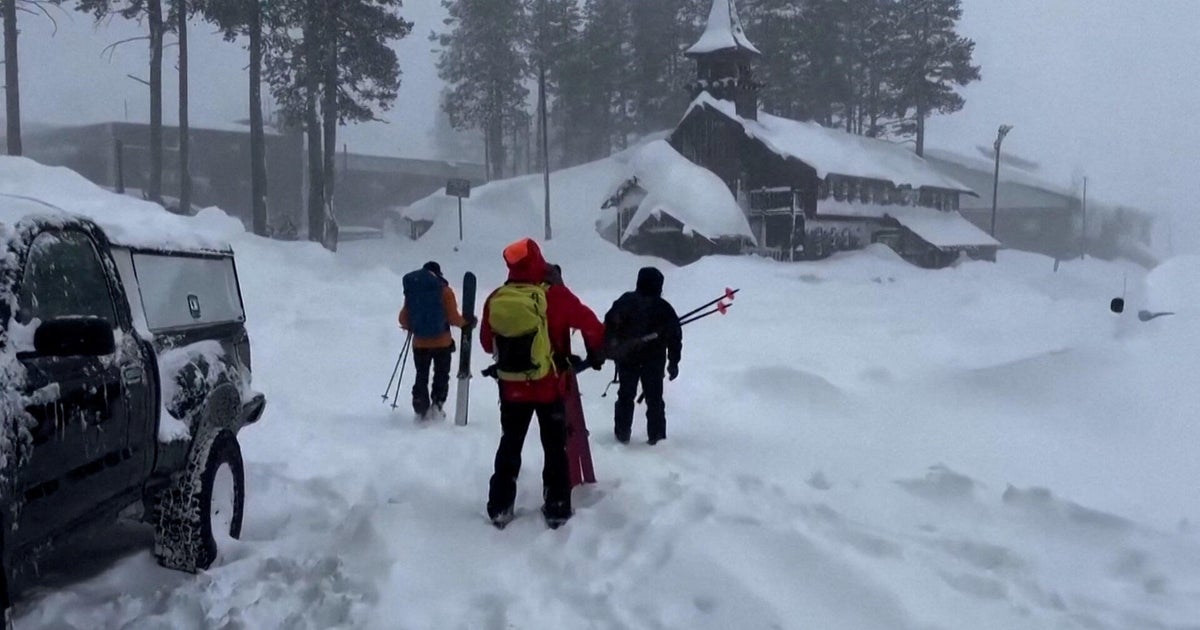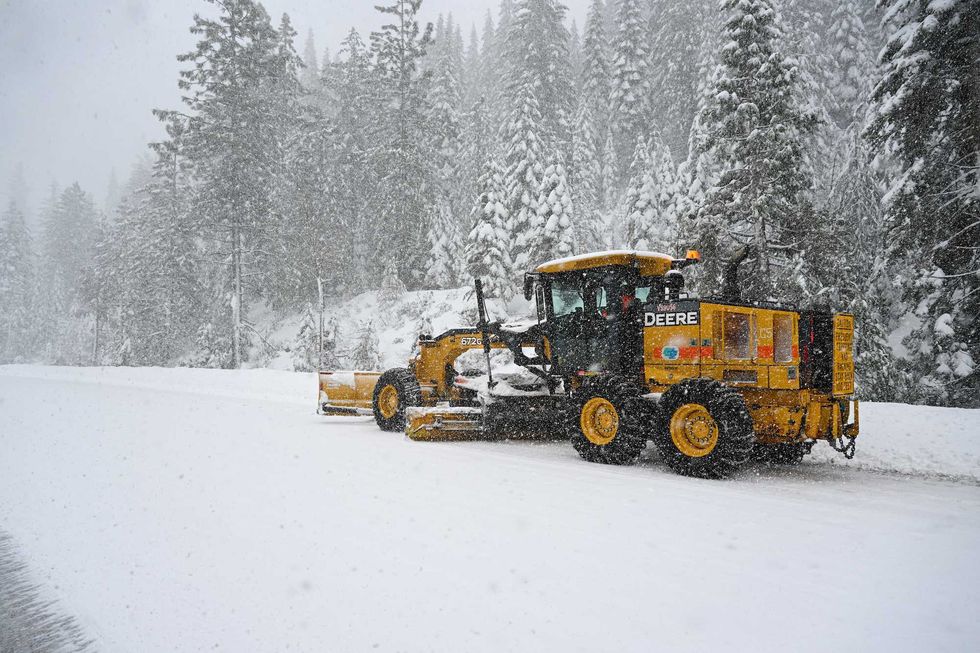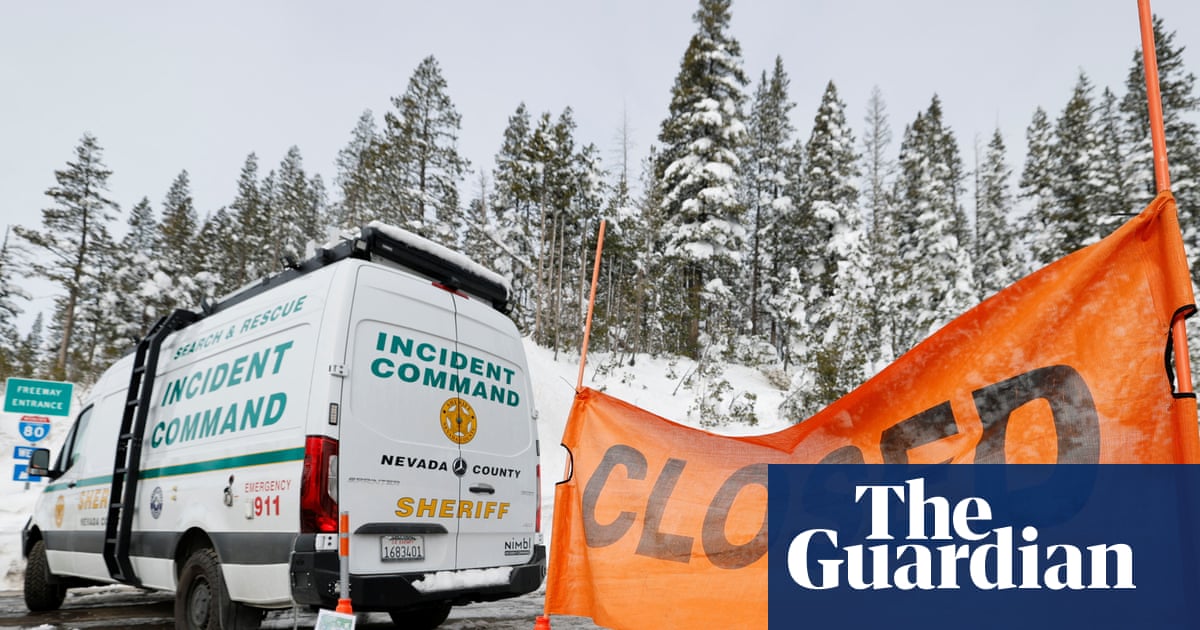





Eight backcountry skiers and guides were killed in a large avalanche on Castle Peak near Lake Tahoe in California’s Sierra Nevada, with a ninth person initially missing and later recovered, bringing the death toll to nine in some accounts as bodies were found over several days. The group of 15, including three professional guides from Blackbird Mountain Guides and several experienced recreational skiers—many of them women and friends from the Bay Area—was returning from a multi-day hut trip when a storm-driven slab of dense snow released, sweeping them down the mountain; six people survived and were rescued. Both liberal- and conservative-leaning outlets agree that this is the deadliest avalanche in California’s history and the deadliest in the United States since around 1981, and that recovery efforts were repeatedly stalled by heavy snowfall, high winds, and continuing avalanche danger before all victims were eventually recovered. Coverage on both sides details that helicopters, search-and-rescue teams, and avalanche experts were deployed, and that local sheriffs and state agencies coordinated the multi-day operation under extremely hazardous conditions.
Across the spectrum, outlets situate the disaster within a broader history of lethal U.S. avalanches and note that forecasters had warned of elevated or high avalanche danger preceding the slide. They agree that an intense winter storm rapidly loaded new, heavy snow atop weaker underlying layers after a warmer, low-snow period, creating unstable conditions that could be easily triggered. Both liberal and conservative sources highlight that the victims were experienced backcountry travelers on a guided trip, that official investigations are underway into what decisions were made before the group set out or continued in the face of posted avalanche advisories, and that state and workplace-safety regulators are examining the role of the guiding company. There is also shared acknowledgment that, beyond individual choices, this event underscores the inherent risks of backcountry skiing, the difficulty of rescue in remote alpine terrain, and the need to review protocols, guide practices, and public awareness around avalanche forecasts.
Areas of disagreement
Responsibility and blame. Liberal-aligned outlets more often foreground the possibility of systemic or corporate failures, emphasizing the criminal negligence probe into the guide company, how warnings may have been overlooked, and whether regulatory oversight of commercial guiding is adequate. Conservative-leaning coverage mentions the investigation but tends to treat it as unusual and stresses that avalanches remain partly unpredictable natural disasters, framing blame as less clear-cut. While liberals emphasize decision-making chains and potential liability for proceeding in high danger conditions, conservatives more frequently highlight personal responsibility among backcountry users and the inherent acceptance of risk.
Climate and environmental framing. Liberal coverage connects the event to broader climate patterns, citing experts who say climate change is driving more volatile snowpack behavior, with warm spells followed by intense storms that destabilize slopes. Conservative outlets generally avoid explicit climate change linkages, treating the weather as a severe but episodic winter storm within a long history of avalanches. Where liberals fold the slide into a narrative of climate-driven extremes that may demand policy and planning changes, conservatives more often present the meteorological setup as background rather than as evidence of long-term environmental shifts.
Regulation and reform. Liberal sources are more likely to discuss potential reforms, including stronger regulation of commercial backcountry operations, clearer legal standards for guide liability, and expanded funding for avalanche forecasting and public education. Conservative coverage instead tends to focus on the uniqueness of a criminal negligence inquiry and raises questions about over-criminalizing guide decisions in a high-risk sport, warning that aggressive legal or regulatory reactions could chill outdoor businesses. While liberals frame policy change as a necessary response to prevent future tragedies, conservatives emphasize voluntary safety practices, training, and individual choice over new mandates.
Narrative emphasis and human stories. Liberal-leaning outlets devote more space to the personal stories of the victims—mothers, spouses, close friends—and to the social networks and communities affected, framing the incident as a communal trauma and a lens on societal obligations to protect people in high-risk recreation. Conservative-leaning sources, though they acknowledge victims’ identities, more heavily emphasize operational details of the rescue, the deployment of helicopters and search teams, and the logistics of working in brutal conditions. The liberal narrative leans toward empathy and questioning of structures around adventure tourism, while the conservative narrative leans toward respect for first responders and the difficulty of managing nature’s dangers.
In summary, liberal coverage tends to stress systemic factors such as guide decisions, regulatory gaps, and climate-driven instability, while conservative coverage tends to foreground the unpredictability of nature, personal responsibility, and caution about turning a rare tragedy into a broader legal or political reckoning.
Story coverage