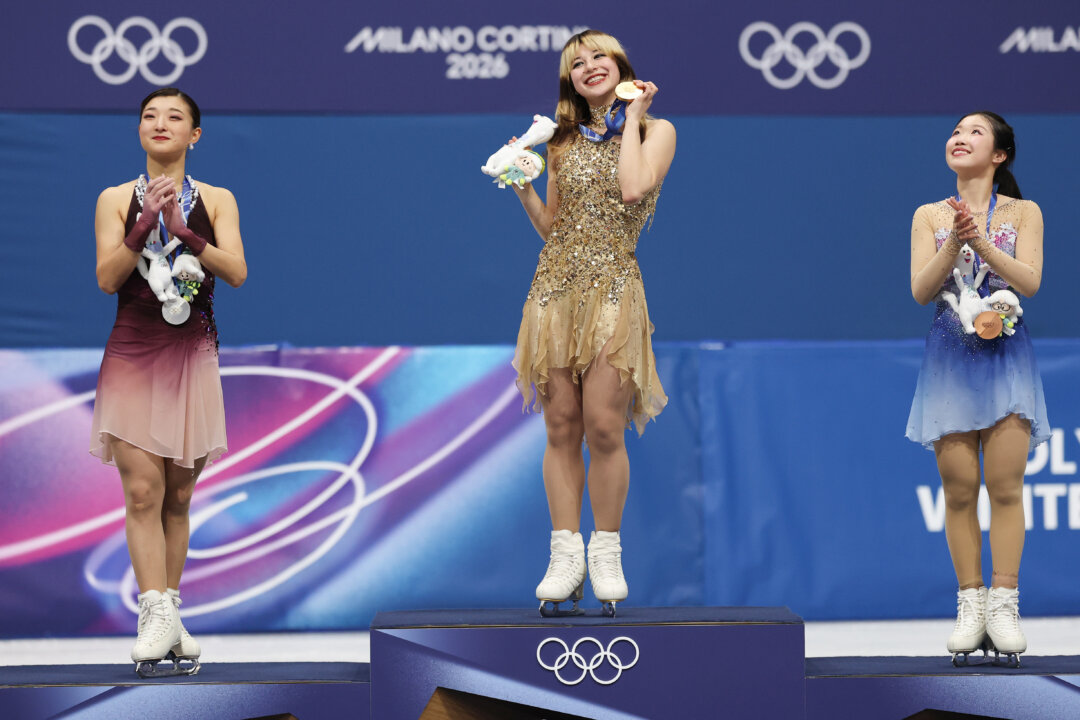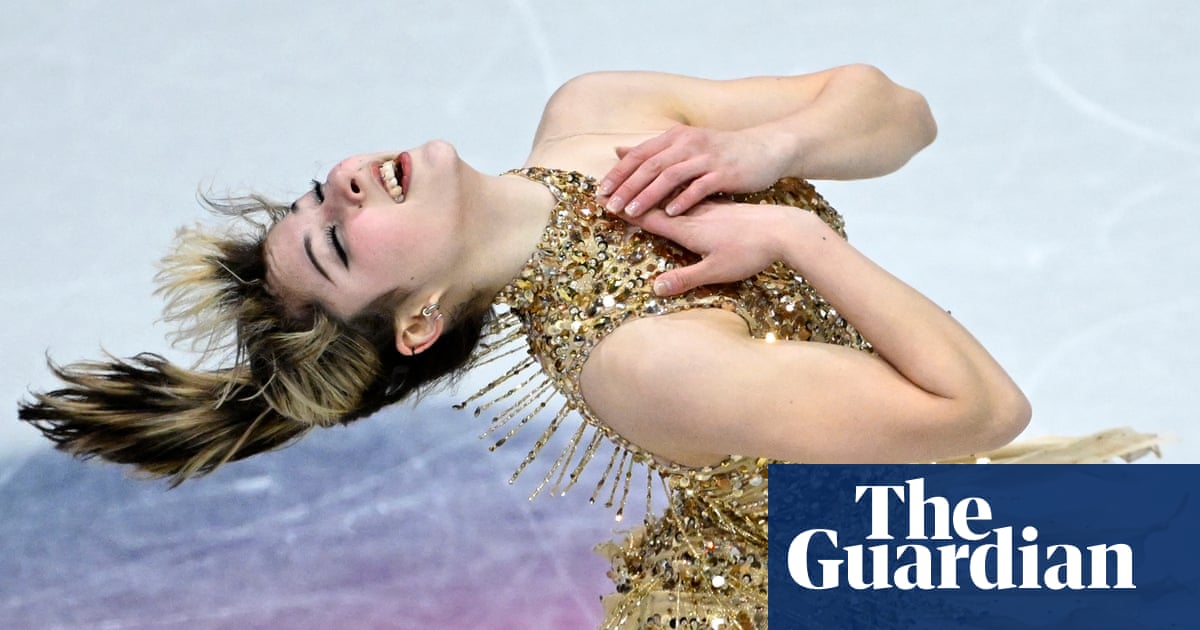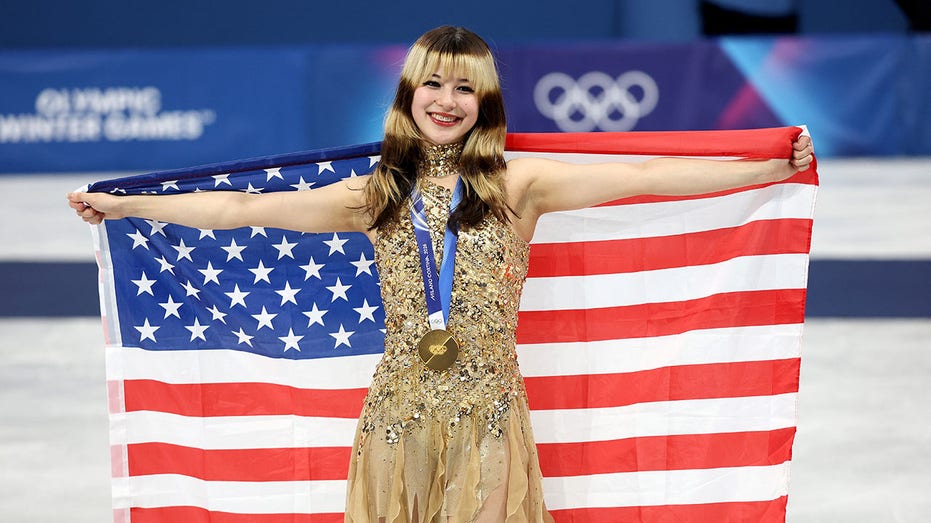

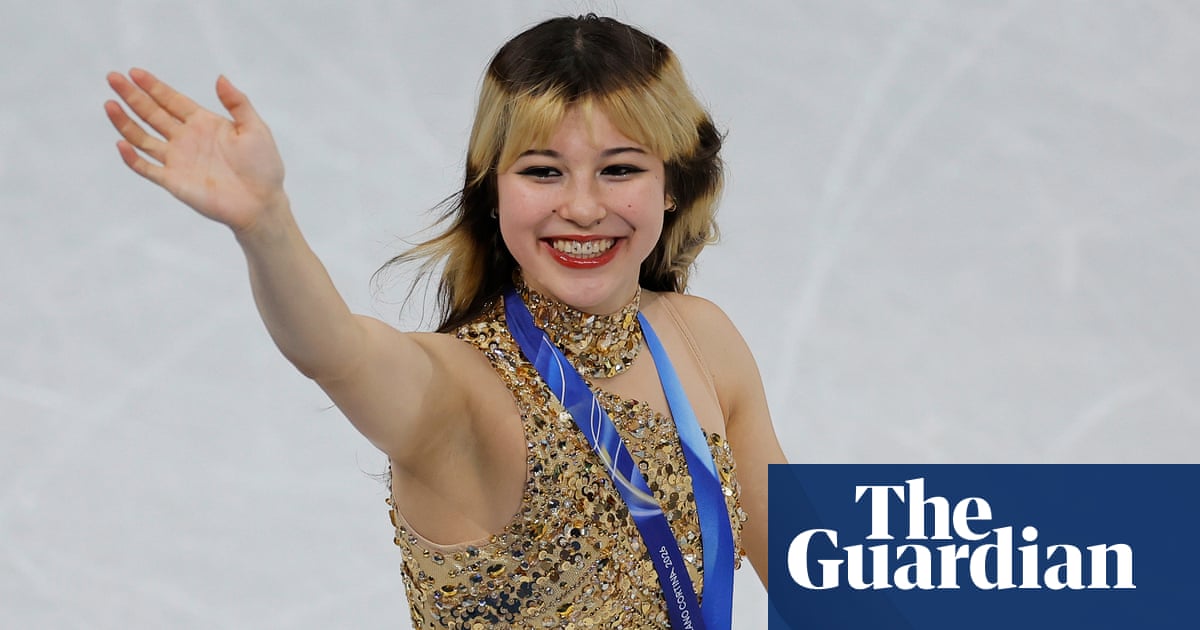
Alysa Liu, a 20-year-old American figure skater from the San Francisco Bay Area, won the women’s singles figure skating gold medal at the 2026 Milan-Cortina Winter Olympics, ending a 24-year drought for U.S. women in the event. Both liberal- and conservative-leaning outlets report that she delivered a career-best performance, landing seven clean triple jumps and earning a total score of 226.79 points, with a 76.59-point short program and a 150.20-point free skate. They agree that this is the first U.S. women’s figure skating Olympic gold since 2002, and that Liu had previously stepped away from the sport due to burnout before returning to competition and ultimately claiming the top prize.
Coverage across the spectrum also converges on the narrative that Liu’s success is closely tied to her shift in mindset toward skating with joy and prioritizing mental well-being. Both sides emphasize that she reframed competition as an opportunity for self-expression and connection with the audience, treating the free skate’s theme of joy as central to her performance. Outlets describe her comeback not only as a technical and athletic achievement but as the culmination of a process in which she reclaimed her love for the sport, returned on her own terms, and demonstrated that elite results can coexist with a healthier, more balanced approach to pressure and expectations.
Areas of disagreement
Framing of personal journey. Liberal-aligned outlets foreground Liu’s internal transformation, stressing her decision to step away from skating, work through burnout, and return with a focus on happiness and self-definition rather than medals. Conservative outlets also mention her retirement and burnout but frame them more as obstacles overcome on the path to victory, putting greater emphasis on perseverance, comeback, and competitive grit. The liberal framing tends to present the gold medal as almost incidental to her pursuit of joy, while the conservative framing treats joy as a powerful tool in service of winning.
Mental health and pressure. Liberal coverage leans into the language of mental health, self-care, and releasing external expectations, linking Liu’s story to broader conversations about athlete welfare and the right to step back from elite sport. Conservative coverage acknowledges that she changed her mindset but usually describes it in terms of reducing pressure to perform better, highlighting mental toughness, composure, and strategic attitude shifts. As a result, liberal stories treat her as an emblem of a healthier sports culture, while conservative stories treat her more as an example of how adjusting one’s mentality can enhance competitiveness and national success.
Significance of the drought. Liberal sources portray the 24-year U.S. gold-medal drought as meaningful but not the core of the story, often subordinating national glory to Liu’s personal narrative and the evolution of women’s figure skating culture. Conservative outlets give the drought more headline-level prominence, stressing the restoration of U.S. dominance and the patriotic importance of reclaiming the top spot after more than two decades. The liberal angle tends to universalize Liu’s journey as one many individuals can relate to, while the conservative angle more strongly situates her win within national achievement and historic American sports milestones.
Role of performance details. Liberal reporting mentions her seven clean triples and career-best skate but quickly pivots to discussion of emotions, narrative arcs, and what her approach says about modern athletes’ values. Conservative reporting dwells longer on the scores, technical content, and competitive context, detailing segment-by-segment results and framing those metrics as proof of excellence. This creates a contrast in which liberal outlets treat technical details as supporting evidence for a human-interest story, while conservative outlets treat the human-interest elements as a complement to the statistical and competitive record.
In summary, liberal coverage tends to center Alysa Liu’s emotional journey, mental health, and redefinition of success beyond medals, while conservative coverage tends to highlight her technical excellence, resilience, and the restoration of U.S. dominance in women’s figure skating.
Story coverage