
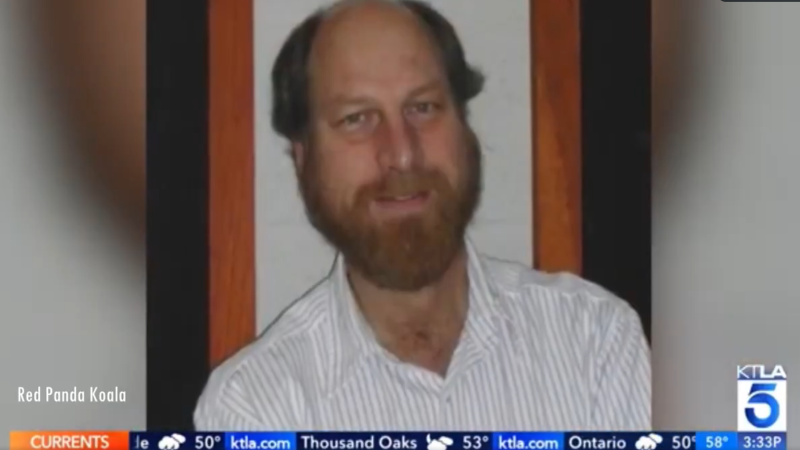
Caltech astrophysicist Carl Grillmair, 67, was shot and killed on February 16 outside his home in the rural community of Llano, in northern Los Angeles County. Across outlets, reports agree that 29-year-old Freddy Snyder was arrested and charged in connection with the killing, along with related offenses such as carjacking and burglary as he allegedly tried to flee the area; he is being held on $2 million bail. Coverage from both liberal- and conservative-leaning sources emphasizes Grillmair’s prominence in astrophysics, citing his work on dark matter, stellar streams, and the detection of water on a distant exoplanet, as well as his affiliations with Caltech and NASA’s Infrared Processing and Analysis Center.
Both sides also highlight Grillmair’s role as a respected figure within the scientific community and situate the incident within the broader context of renewed attention to public safety in California. Reports describe Llano as a relatively quiet desert community, underscoring the apparent shock and rarity of such violence in that area. Outlets note the ongoing nature of the investigation and relay law enforcement’s preliminary assessment that the attack appears to have been random, while also stressing there is no confirmed evidence linking the killing to Grillmair’s research or professional activities.
Areas of disagreement
Motive and speculation. Liberal-aligned outlets largely accept and foreground law enforcement’s early view that the shooting appears random, emphasizing that investigators have not identified a clear motive and warning against drawing premature conclusions. Conservative sources, while also reporting the random-attack framing, give more space to online speculation and reader suspicions about whether Grillmair’s cutting-edge astrophysics work, including dark matter and exoplanet research, could have made him a target. Liberal coverage tends to treat such conjecture as unfounded and potentially irresponsible, whereas conservative coverage frames it as legitimate questions raised by the public that authorities have yet to fully answer.
Focus of the narrative. Liberal sources primarily center the story on Grillmair’s life and scientific achievements, along with the human tragedy of a prominent researcher killed at home, treating the suspect’s broader crime spree as supporting detail. Conservative outlets give somewhat more emphasis to the circumstances of the attack and the suspect’s broader alleged criminal behavior, at times suggesting it fits into a wider pattern of disorder. While liberals present the episode chiefly as a singular, shocking loss to science, conservatives more readily tie the narrative to concerns about everyday security risks even for high-profile professionals.
Crime and public safety framing. Liberal coverage generally presents the killing as a tragic but isolated act and avoids broader policy claims about crime trends in California, sticking closely to what is known from investigators and family or institutional statements. Conservative coverage more readily connects the case to ongoing debates over crime and safety in California, implicitly or explicitly referencing public unease about violent crime and law enforcement effectiveness. As a result, liberal stories stay closer to a memorial profile plus breaking-crime report, while conservative stories situate the event within a perceived pattern of rising risk and insufficient protection.
Treatment of uncertainty and conspiracy-adjacent themes. Liberal-leaning outlets tend to minimize or exclude reference to online conspiracy theories or speculative claims about the role of Grillmair’s research, stressing the absence of evidence and the need to await investigative findings. Conservative sources, while acknowledging that such theories are unproven, give them indirect visibility by noting that some commentators question whether the murder was truly random. This leads liberal coverage to portray speculation as noise around a straightforward, if baffling, homicide, whereas conservative coverage portrays speculation as part of a broader climate of distrust in official narratives.
In summary, liberal coverage tends to frame Grillmair’s death as a shocking but apparently random crime and focuses on his scientific legacy and the confirmed investigative facts, while conservative coverage tends to highlight public safety concerns, give more oxygen to speculative questions about motive, and link the case to wider anxieties about crime and trust in official explanations.
Story coverage