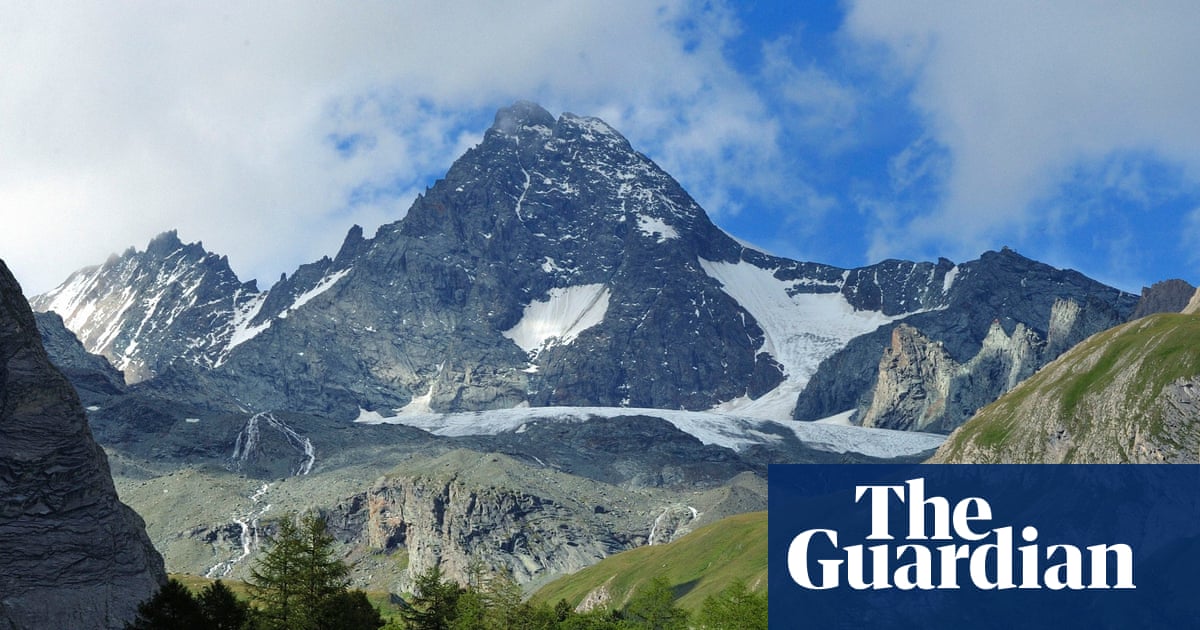
An Austrian court convicted 39-year-old climber Thomas Plamberger of negligent manslaughter after his girlfriend, 31-year-old Kerstin Gurtner, froze to death on the Grossglockner, Austria’s highest peak, during a 2023 ascent. Coverage across the spectrum agrees that Gurtner became exhausted near the summit, that Plamberger left her on an exposed ridge while he went to seek help, and that he did not properly use available emergency equipment, including an emergency blanket and other gear that could have offered more protection. Both liberal and conservative-leaning reports highlight that mountain police attempted to clarify the situation by phone and that Plamberger’s responses were found by the court to be inadequate or unclear, contributing to delays in effective rescue. All outlets note that the judge emphasized the disparity in experience between the two climbers, describing Plamberger as considerably more experienced and therefore bearing greater responsibility, and that he ultimately received a five‑month suspended sentence and a fine totaling roughly €9,400 rather than jail time.
Across ideologies, coverage situates the case within a broader discussion of risk in mountaineering and outdoor sports, noting that climbing on high alpine routes like the Grossglockner carries inherent, widely recognized dangers. Both sides cite experts and legal commentators who say the ruling could influence how responsibility is legally assessed in partner climbs or guided trips, especially when one participant has substantially more experience or authority. Shared context articles describe a possible chilling effect on amateur mountaineering, with some warning of rising insurance costs, tighter regulations, and more formalized safety protocols. Outlets from both camps also agree that the case fits into a wider European debate over how far criminal law should extend into accidents in high‑risk recreational activities when decisions in extreme conditions go wrong.
Areas of disagreement
Responsibility and blame. Liberal-aligned sources tend to foreground the court’s reasoning that Plamberger’s greater experience imposed a duty of care, repeatedly emphasizing his “series of serious mistakes” and the specific failures to use basic emergency measures. Conservative sources, where they cover the story, are more inclined to frame his errors within the chaos and pressure of extreme alpine conditions, suggesting the line between tragic misjudgment and crime is thin. Liberal coverage leans into the notion that this outcome was a foreseeable consequence of avoidable negligence, while conservative coverage is more likely to characterize it as a tragedy that could easily have remained a non-criminal accident.
Legal precedent and risk to outdoor sports. Liberal outlets often describe the verdict as a potentially important, if controversial, step toward clearer accountability in high‑risk sports, suggesting that holding experienced partners responsible could improve safety culture. Conservative coverage instead tends to stress the danger of over-criminalizing decisions made in the mountains, warning that this ruling could open a floodgate of prosecutions after accidents. While liberal reports highlight the possibility of more training, better communication, and codified responsibilities, conservative pieces emphasize fears of legal uncertainty that might deter people from climbing or push insurance and guiding costs sharply higher.
Portrayal of the defendant. Liberal-leaning reporting generally presents Plamberger in a critical light, focusing on inconsistencies in his account, his lack of clear communication with rescuers, and the judge’s assertion that he failed his less experienced partner. Conservative-leaning narratives are more apt to humanize him as an “amateur” climber overwhelmed by a deteriorating situation at altitude, and to stress that he did ultimately descend for help rather than abandoning her maliciously. Liberals tend to treat the court’s assessment of his competence and omissions as largely definitive, whereas conservatives give more space to doubts about whether any climber in that position could have guaranteed a different outcome.
Implications for personal freedom and state intervention. Liberal coverage is more open to the idea that when individuals undertake inherently dangerous activities with less experienced companions, some form of legal accountability is appropriate if gross negligence occurs, even at the cost of modestly expanding state oversight. Conservative coverage is more likely to see the ruling as part of a broader trend of state encroachment into personal risk-taking and private judgment, warning that it could chill the traditional ethos of individual responsibility in the mountains. Liberals tend to frame the case as a necessary recalibration of norms in the face of preventable deaths, while conservatives cast it as a slippery slope toward criminalizing bad decisions in every high‑risk sport.
In summary, liberal coverage tends to emphasize the court’s negligence findings, the power imbalance in experience, and the potential for this ruling to strengthen safety and accountability in mountaineering, while conservative coverage tends to stress the tragic, ambiguous nature of decision-making at altitude and the risk that such prosecutions will overreach, chilling individual freedom and participation in high-risk outdoor sports.
Story coverage