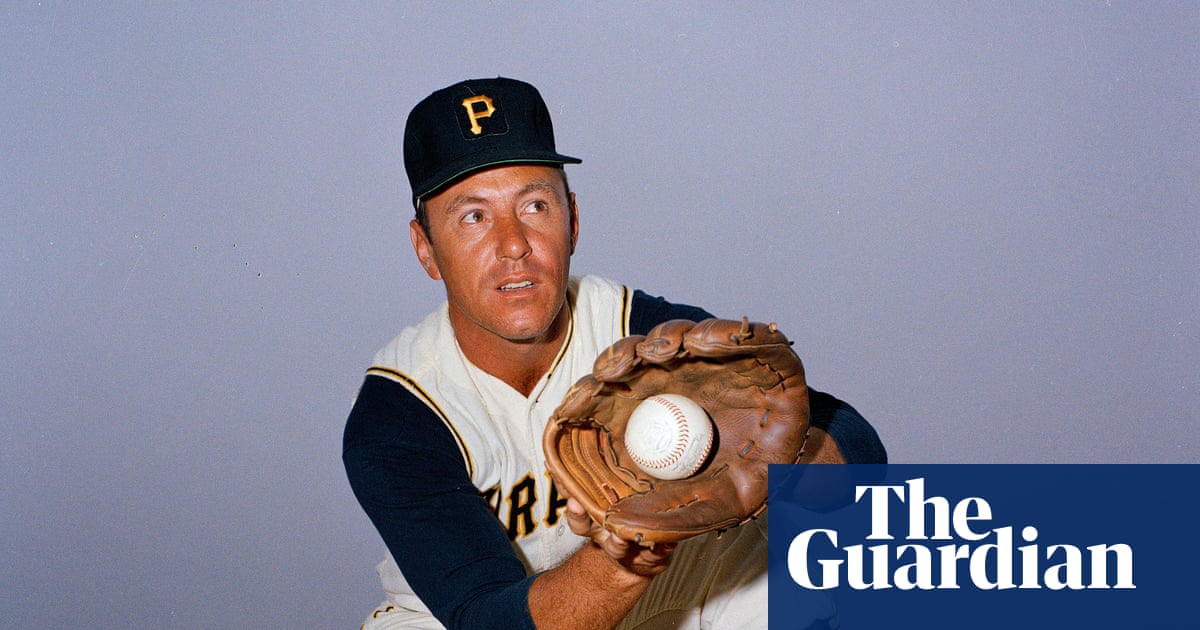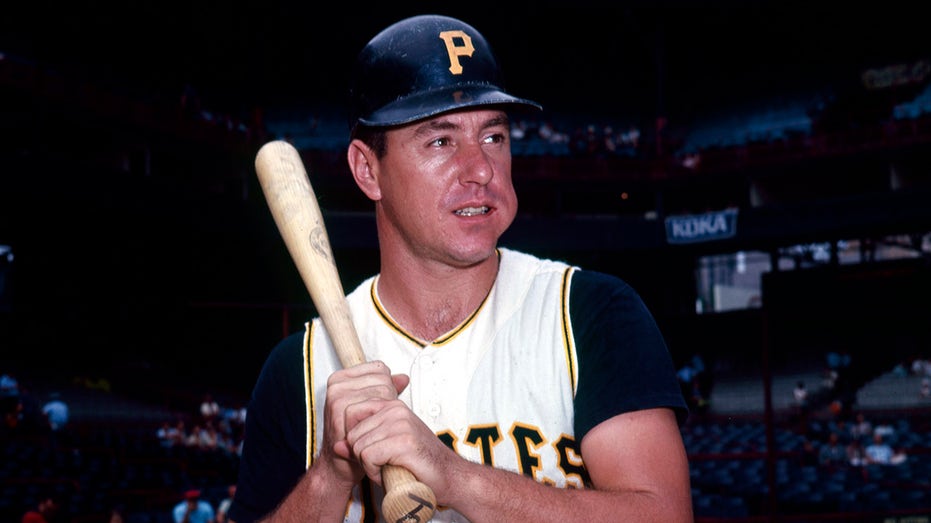

Hall of Fame second baseman Bill Mazeroski has died at the age of 89, an event reported consistently across both liberal- and conservative-leaning outlets. Coverage agrees that he was a Pittsburgh Pirates legend and a central figure in baseball history, best known for his walk-off home run in Game 7 of the 1960 World Series that clinched the championship for the Pirates. Both sides highlight his status as a Hall of Famer, his reputation for extraordinary defense, and his accumulation of accolades including multiple Gold Glove awards and several All-Star selections, framing his death as the passing of a seminal figure in mid-20th-century baseball.
Liberal and conservative reports alike present Mazeroski primarily through the lens of his iconic 1960 World Series moment and his long-term defensive excellence at second base. They describe him as a defensive specialist whose overall offensive numbers were more modest than many Hall of Famers but whose glove, double-play abilities, and postseason heroics defined his legacy. Both perspectives situate him in the broader tradition of the Pirates franchise and Major League Baseball, affirming his place as one of the greatest defensive second basemen in history and underscoring how a single historic swing, combined with sustained defensive brilliance, can cement a player’s enduring cultural and institutional significance.
Areas of disagreement
Emphasis on symbolism. Liberal-aligned coverage places slightly more weight on the symbolic and narrative power of Mazeroski’s 1960 home run, treating it as a storybook moment that reshaped baseball lore and the identity of Pittsburgh fans. Conservative coverage also celebrates the homer but tends to balance it more evenly with detailed enumeration of his awards and records. Where liberal pieces lean into the emotional, almost mythic framing of that single swing, conservative outlets more often present it as the capstone to a statistically and historically validated career.
Framing of career value. Liberal sources more readily acknowledge that Mazeroski’s offensive statistics were below the standard of many Hall of Famers, using that as a springboard to argue for the underappreciated value of defense and intangibles. Conservative outlets acknowledge his modest offensive profile but dwell more on his eight Gold Gloves, All-Star selections, and double-play record to justify his Hall of Fame standing in traditional achievement terms. As a result, liberal coverage subtly challenges offense-centric Hall of Fame norms, while conservative coverage reinforces the idea that his defensive metrics and honors comfortably meet classic benchmarks for greatness.
Historical and institutional context. Liberal reporting tends to situate Mazeroski’s legacy within broader narratives about how certain players reshape perceptions of a position, emphasizing how he redefined second base defense for future generations. Conservative pieces lean more on the institutional markers of esteem—Hall of Fame induction, team records, and longevity—as evidence of his importance within baseball’s established hierarchy. Thus, liberals frame him as a transformative figure in evolving the game’s values, while conservatives foreground him as a paragon recognized by existing baseball institutions and traditions.
In summary, liberal coverage tends to lean into the narrative, symbolic, and norm-challenging aspects of Bill Mazeroski’s legacy, while conservative coverage tends to stress his conventional accolades, records, and institutional validation as the foundation of his greatness.
Story coverage