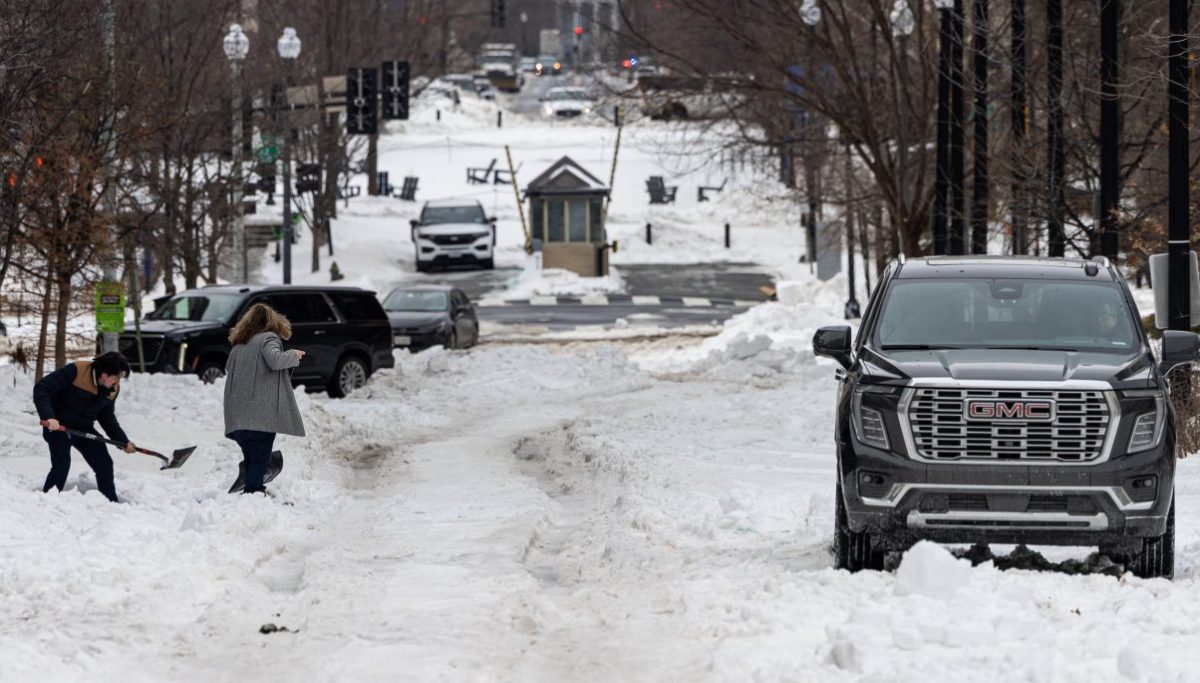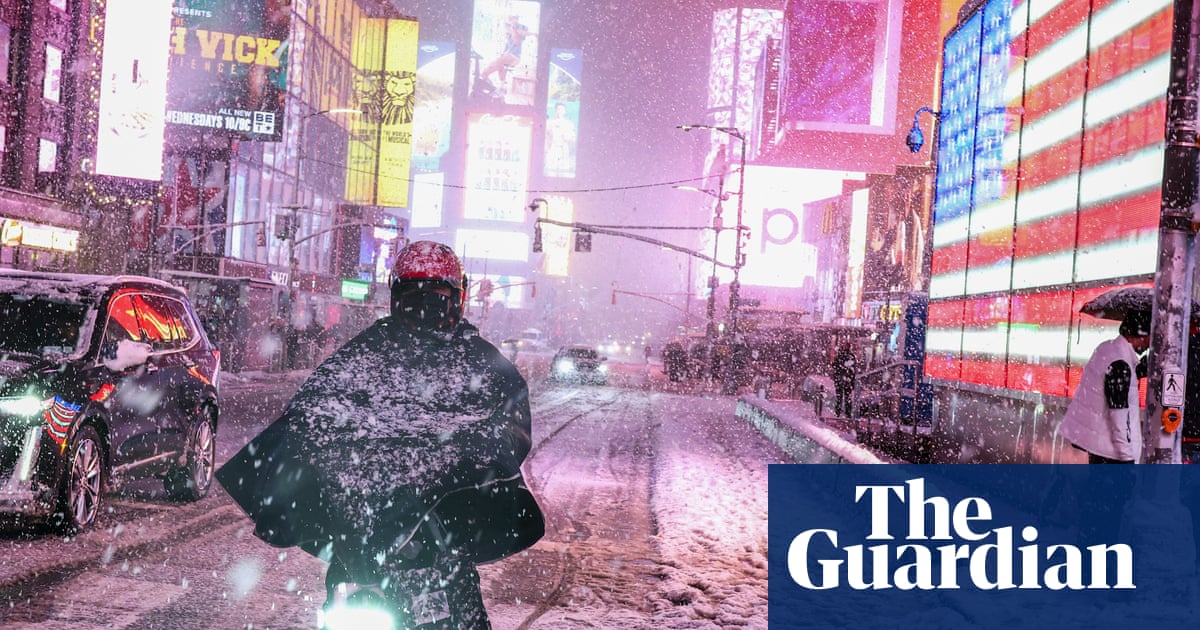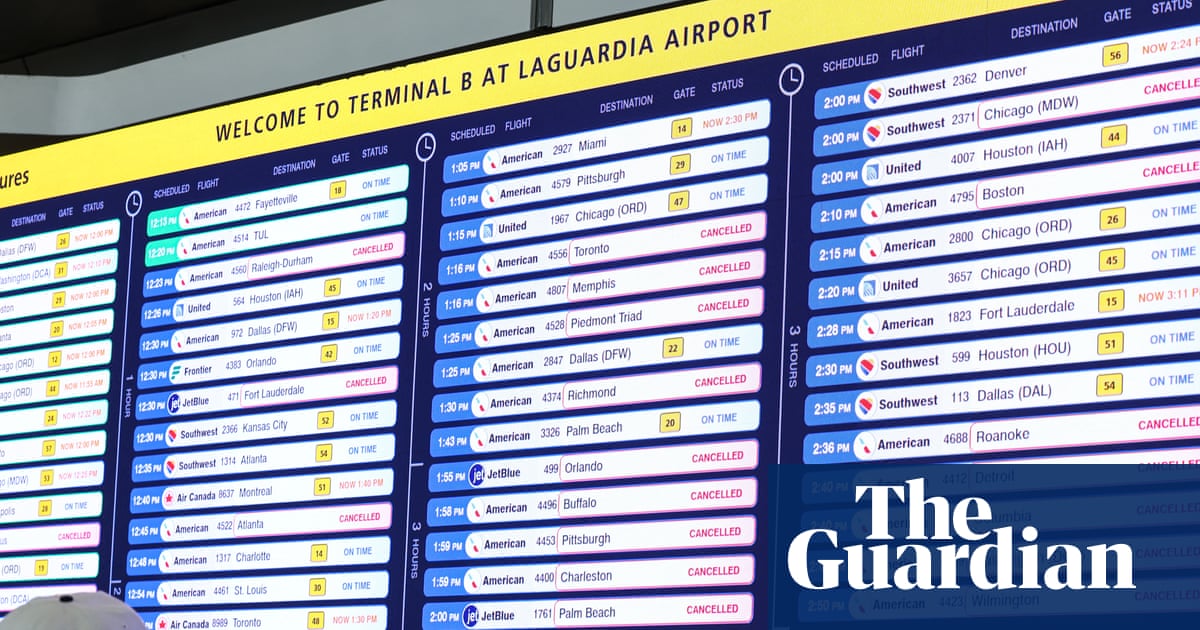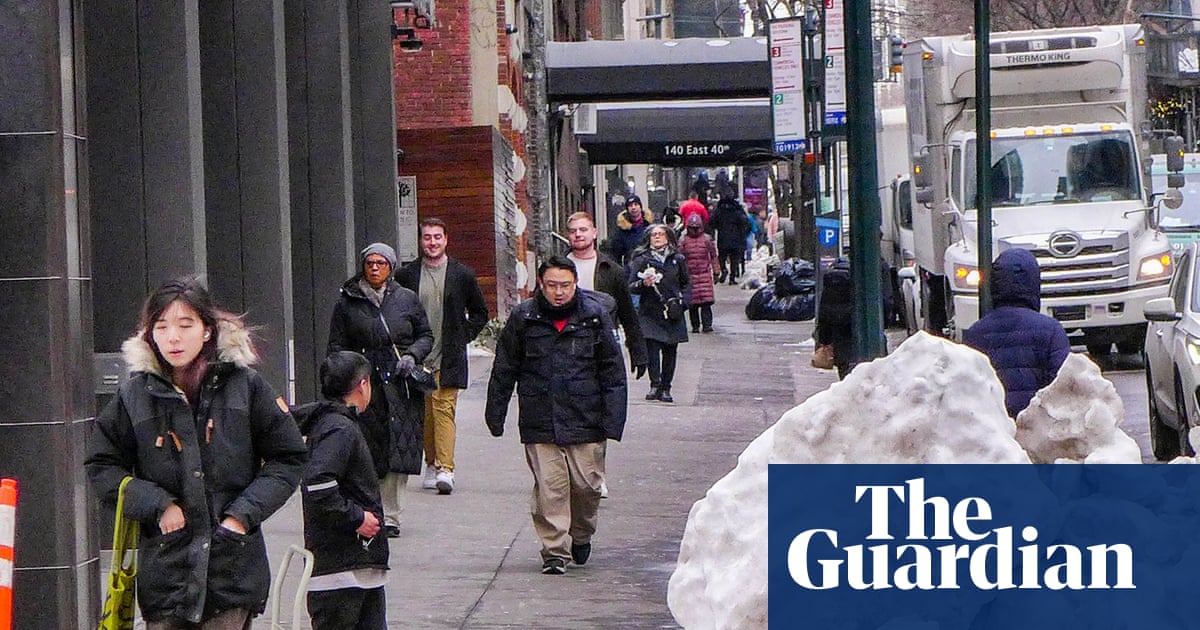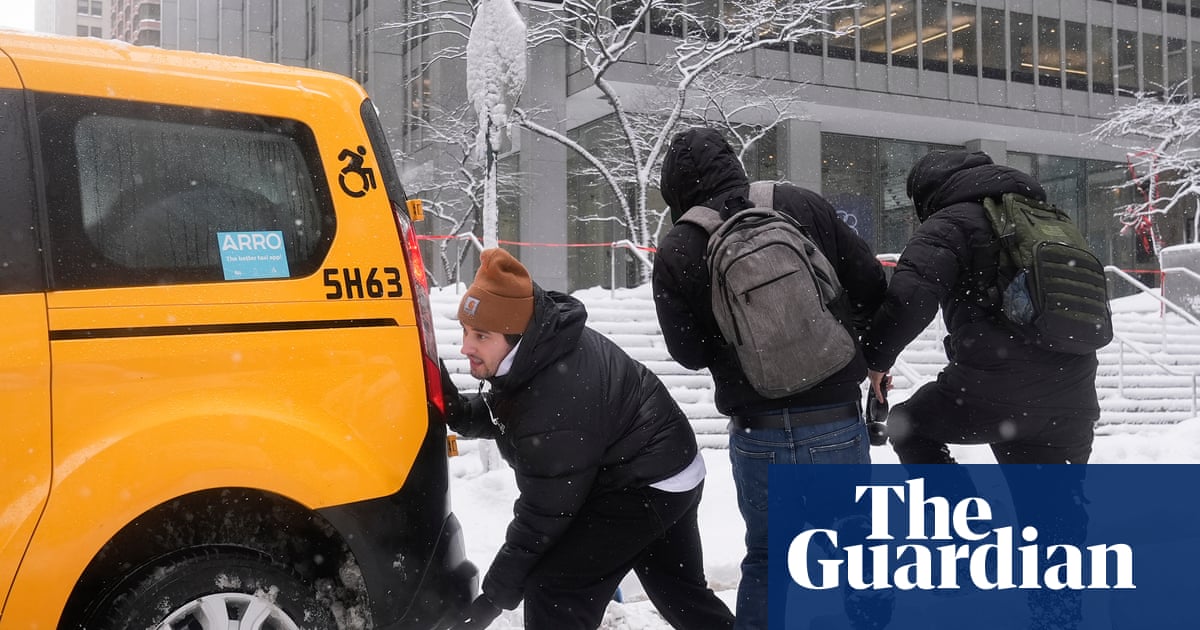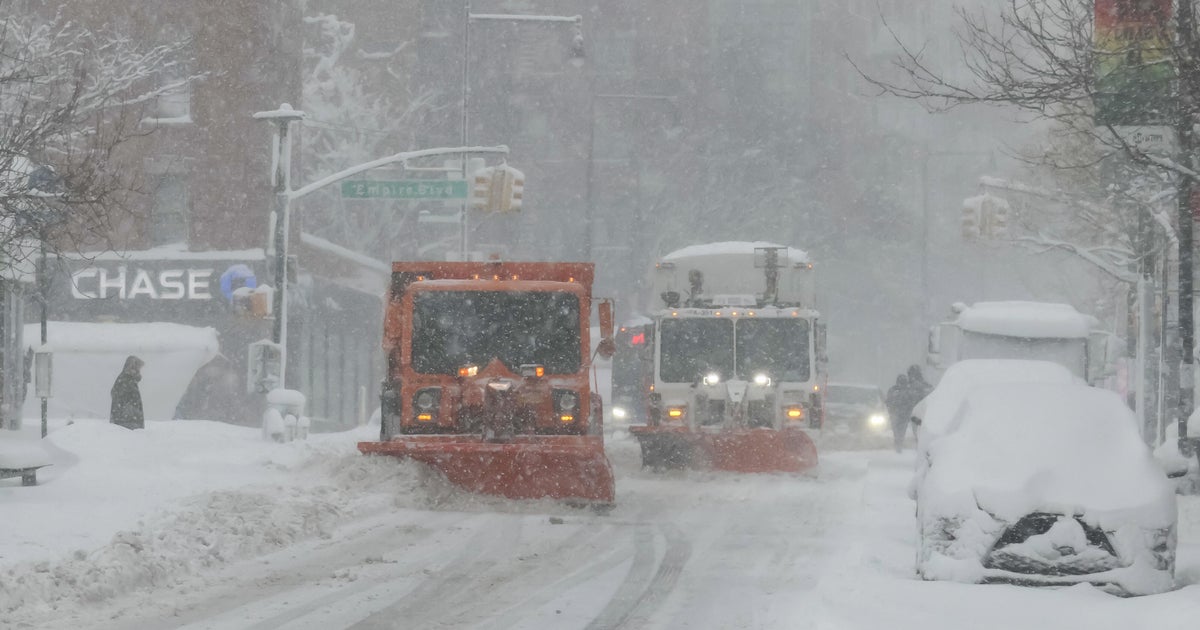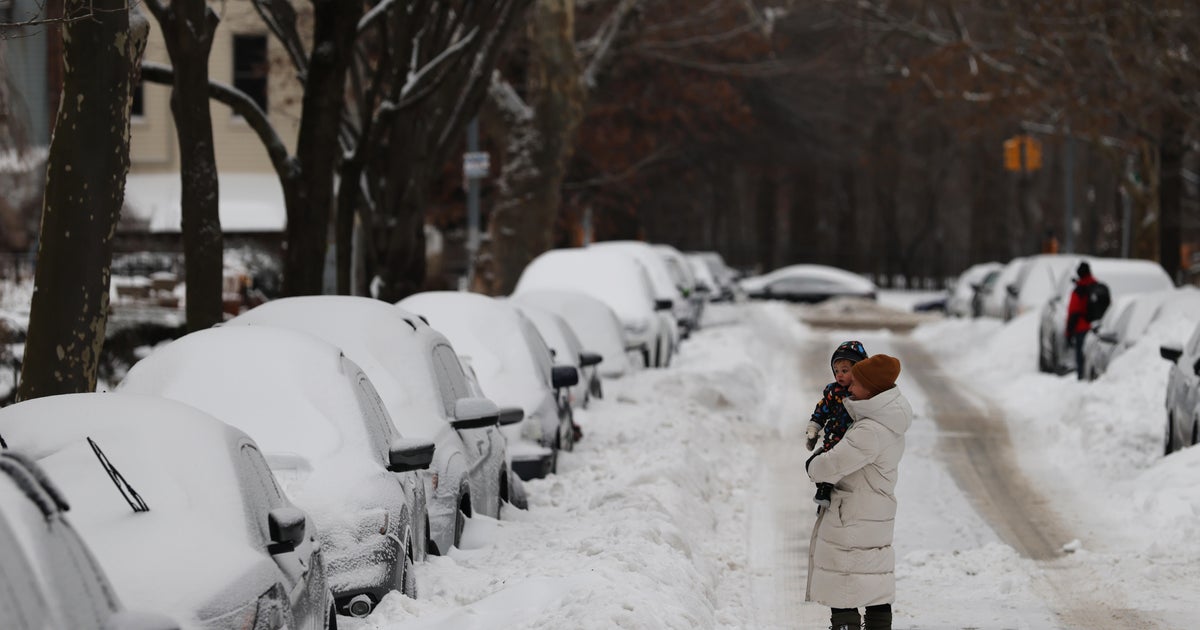




An intense late-winter storm is bringing blizzard conditions to the U.S. Northeast and East Coast, with blizzard warnings stretching from Maryland to Massachusetts and specifically covering New York City, New Jersey, Connecticut, and coastal communities. Both liberal- and conservative-aligned outlets report forecasts of heavy snowfall that could exceed a foot in many locations, hurricane-force gusts in some coastal areas with winds up to around 70 mph, and whiteout conditions that make travel extremely dangerous or impossible. They agree that this is New York City’s first blizzard warning in roughly nine years, that more than 35–40 million people are under some form of blizzard warning or winter weather alert, and that road travel bans have been imposed in parts of the region. Both sides also emphasize extensive transportation disruptions, including the cancellation or delay of thousands of flights at major East Coast airports, school and government office closures, and suspension or reduction of some public transit and delivery services.
Coverage across the spectrum highlights coordinated emergency responses and institutional preparedness: states of emergency have been declared in New York, New Jersey and other Northeast states, snowplows and sanitation crews have been pre-deployed, and coastal communities are warning of possible flooding in low-lying areas. Liberal and conservative outlets alike underscore guidance from the National Weather Service and local officials urging residents to stay indoors, avoid non-essential travel, and prepare for potential power outages. They concur that the storm follows a winter with relatively few major events in the region, making this one of the largest snowfalls in nearly a decade for some locales, and they frame the event as a significant but routine example of how local, state, and federal agencies, along with airlines and utilities, mobilize in advance of a major winter storm.
Areas of disagreement
Severity and certainty of the forecast. Liberal-aligned outlets generally treat the storm’s intensity as highly likely, stressing phrases like “monster winter storm” and “massive snowstorm” and focusing on the upper-end snowfall and wind scenarios, while also noting historical comparisons such as record-breaking totals. Conservative sources, while acknowledging the danger, give more attention to the uncertainty in weather models, highlighting competing tracks that could either bring intense coastal snowfall or a weaker system that shifts out to sea. This difference can make liberal coverage feel more definitive and alarm-oriented, while conservative coverage reads as somewhat more cautious about overpredictions even as conditions deteriorate.
Emphasis on disruption versus resilience. Liberal coverage emphasizes the scale of disruption, foregrounding the sheer number of flight cancellations, travel bans, power outages, and school closures, and often spotlighting workers and commuters struggling through the storm. Conservative outlets also report on bans and closures but tend to frame them more in terms of logistical planning and community adjustment, with language about regions “bracing” or “scrambling to prepare” rather than being “crippled.” As a result, liberal stories lean into the narrative of a region effectively shut down by extreme weather, while conservative stories place slightly more emphasis on adaptation and continuity amid the storm.
Government and institutional response. Liberal-aligned sources devote extensive attention to state-of-emergency declarations, deployment of snow-clearing equipment, and proactive moves by airlines such as fee waivers, treating these as evidence of robust institutional coordination and necessary precaution. Conservative outlets also note these measures but tend to describe them more tersely, presenting them as standard operational responses rather than focal points of the narrative. This leads liberal coverage to foreground the role of public agencies and large corporations as central actors in managing the crisis, while conservative coverage presents them more as background context to a major but familiar weather event.
Broader framing and implications. Liberal coverage at times situates the storm within a broader pattern of increasingly volatile or impactful weather, hinting at questions of infrastructure resilience and long-term preparedness, even if not always explicitly tying this specific event to climate change. Conservative pieces, in contrast, mostly avoid broader environmental or systemic framing, presenting the blizzard as a significant but seasonal occurrence that residents of the Northeast regularly face. This divergence in framing can make liberal articles feel more like part of an ongoing discussion about evolving risks, while conservative articles keep the focus tightly on the immediate forecast, hazards, and short-term disruptions.
In summary, liberal coverage tends to stress the storm’s upper-end severity, large-scale disruption, and the visible role of government and corporate actors in an evolving pattern of intense weather, while conservative coverage tends to underline forecast uncertainty, community preparedness, and the blizzard as a serious but familiar winter challenge bounded in time and scope.
Story coverage