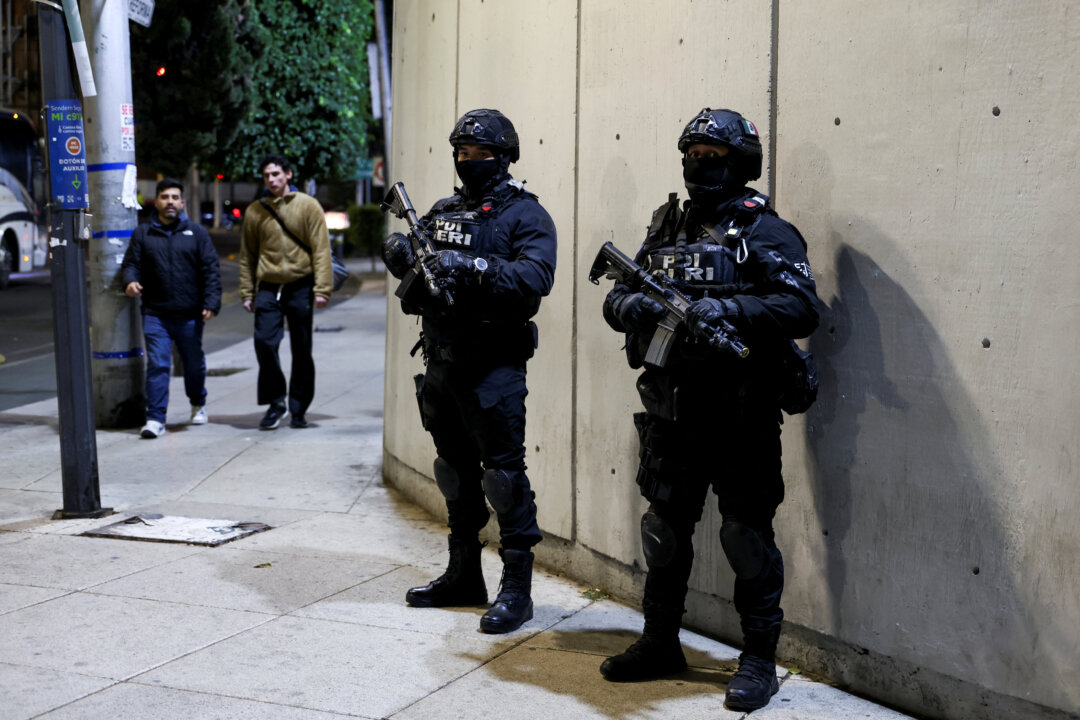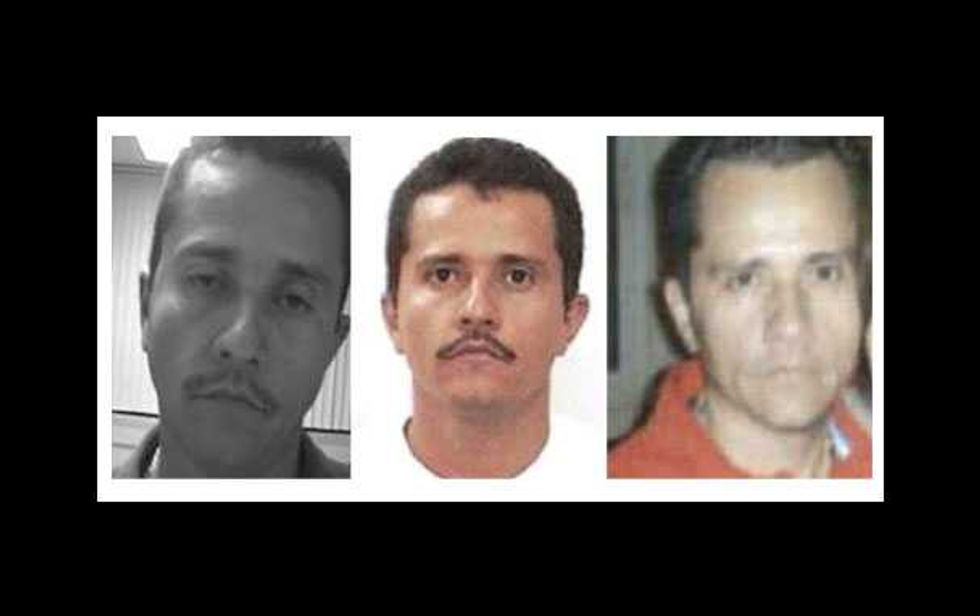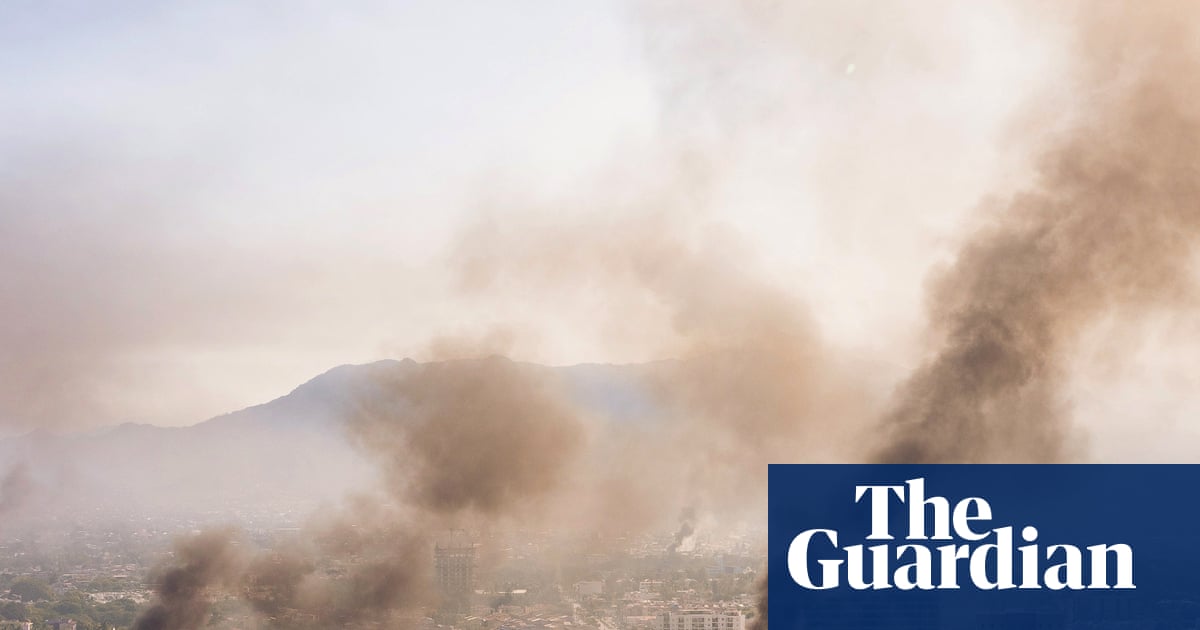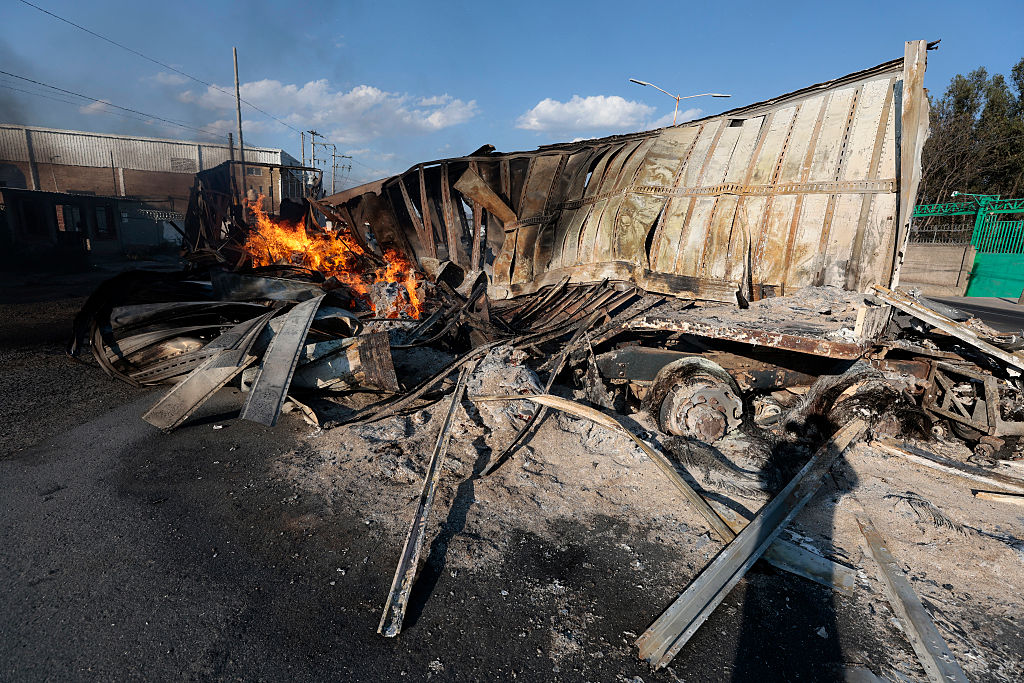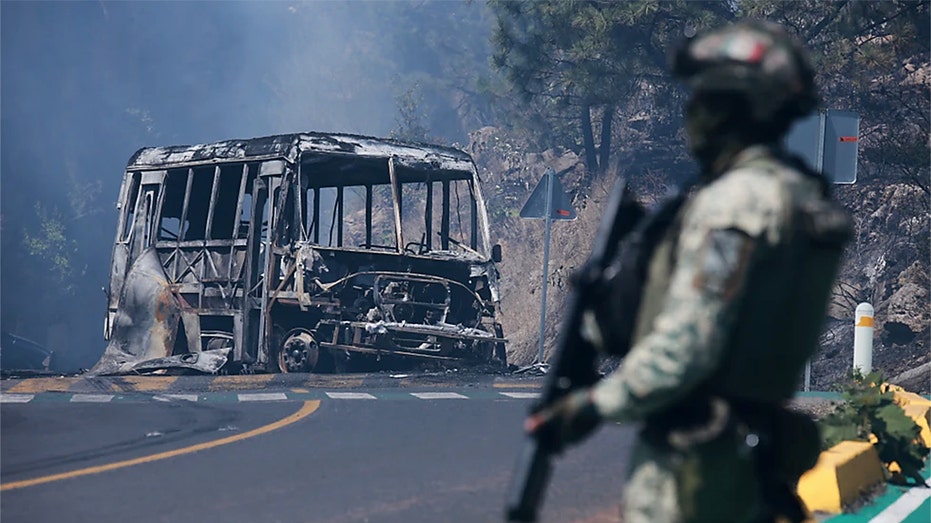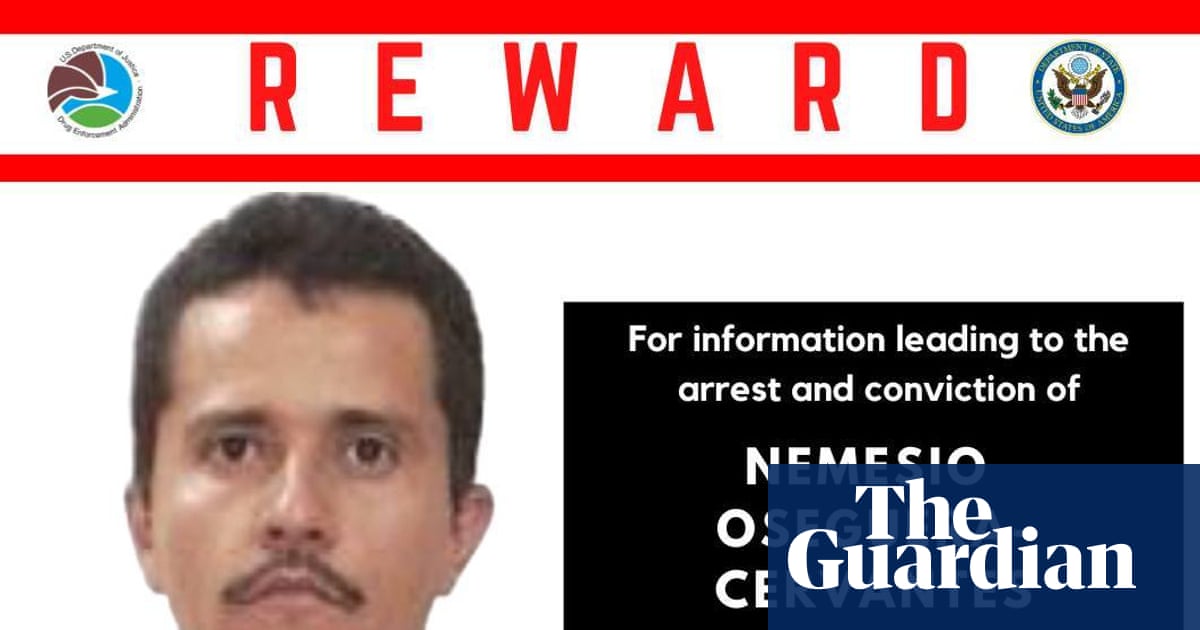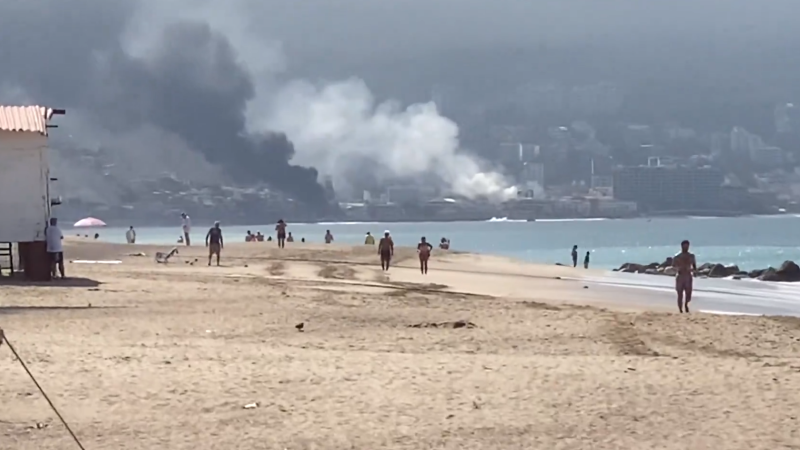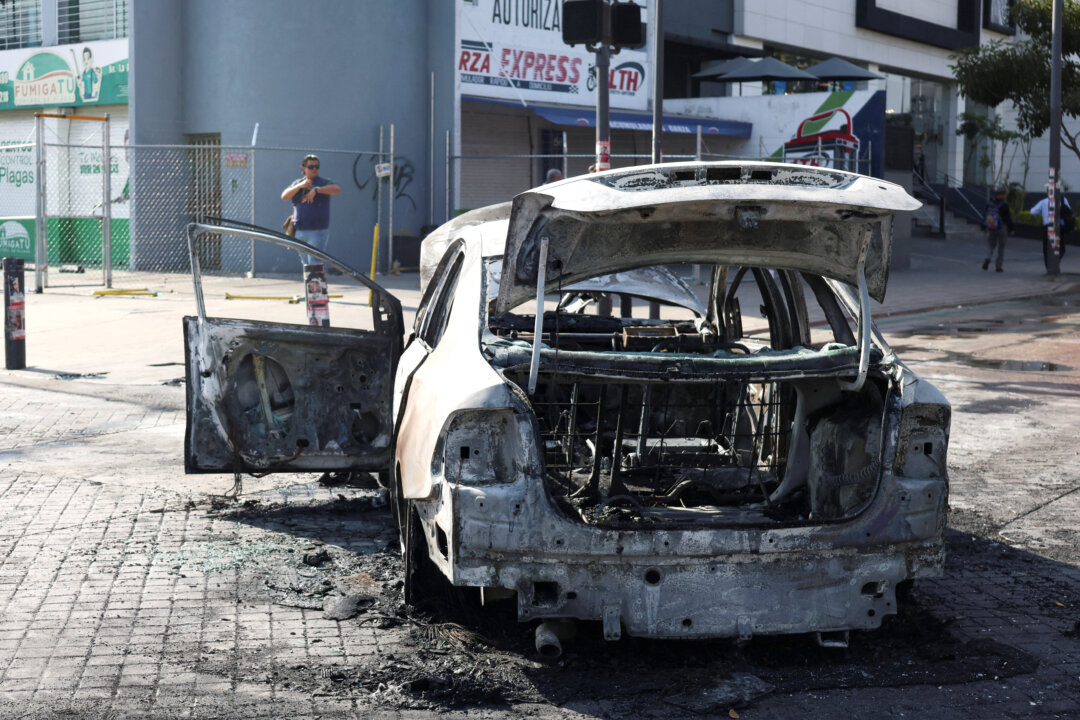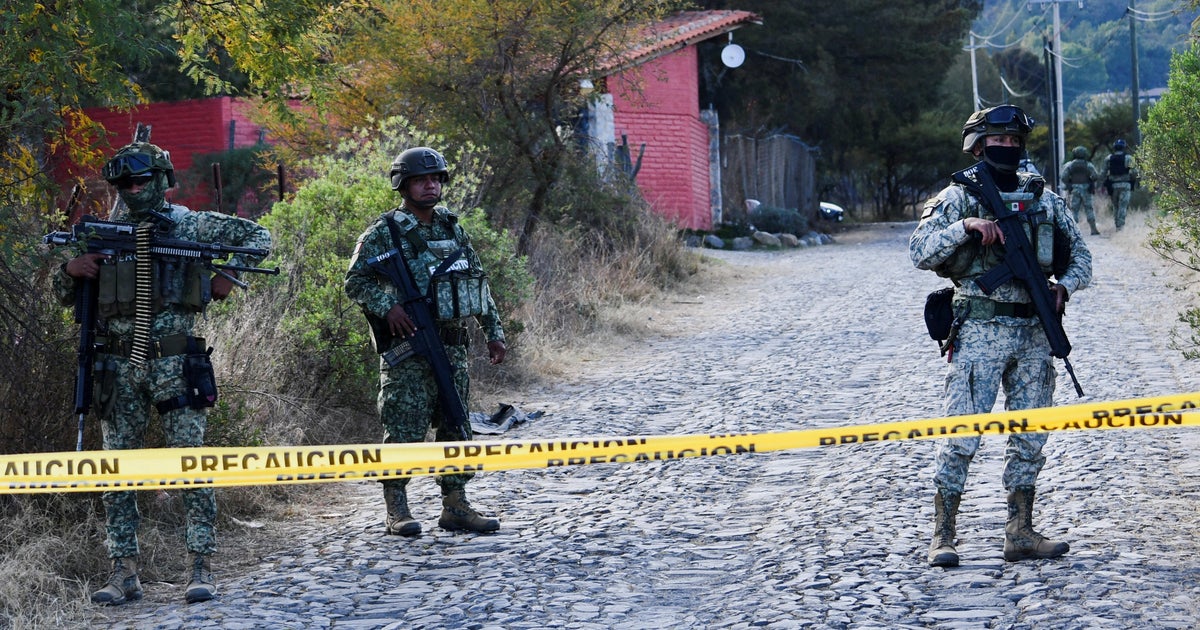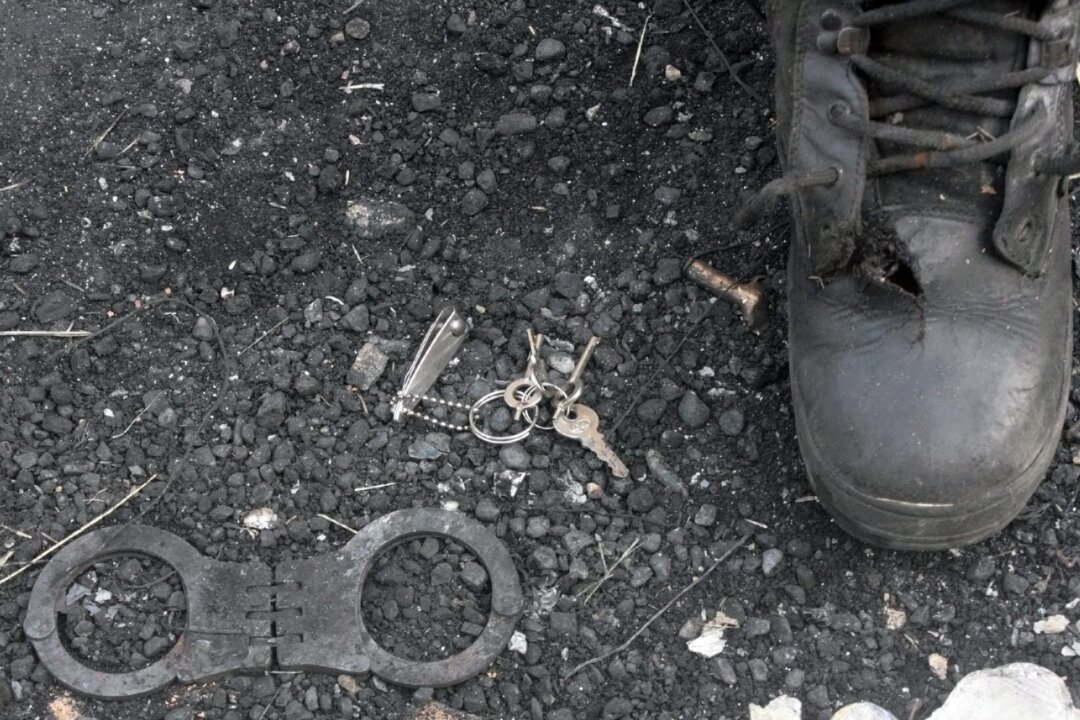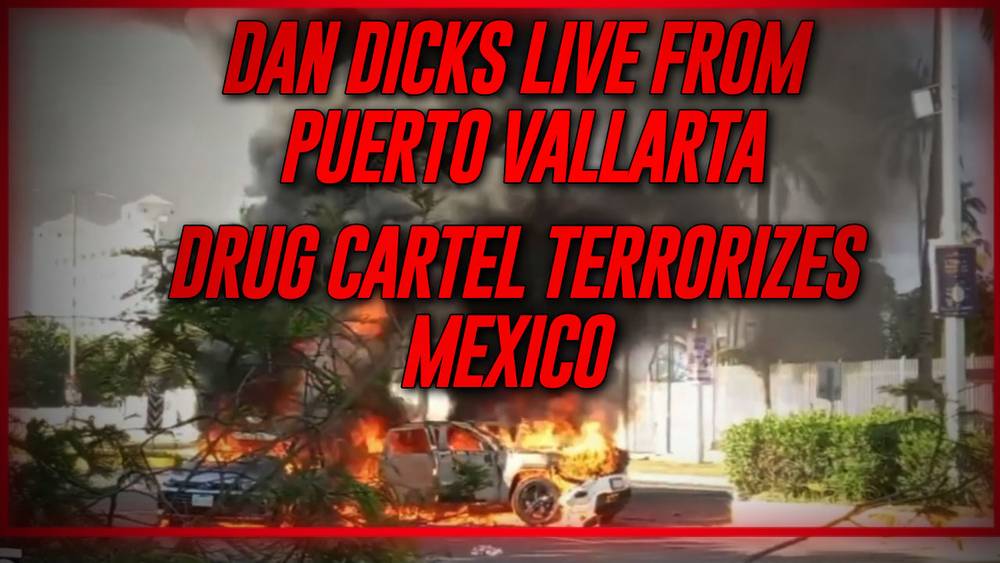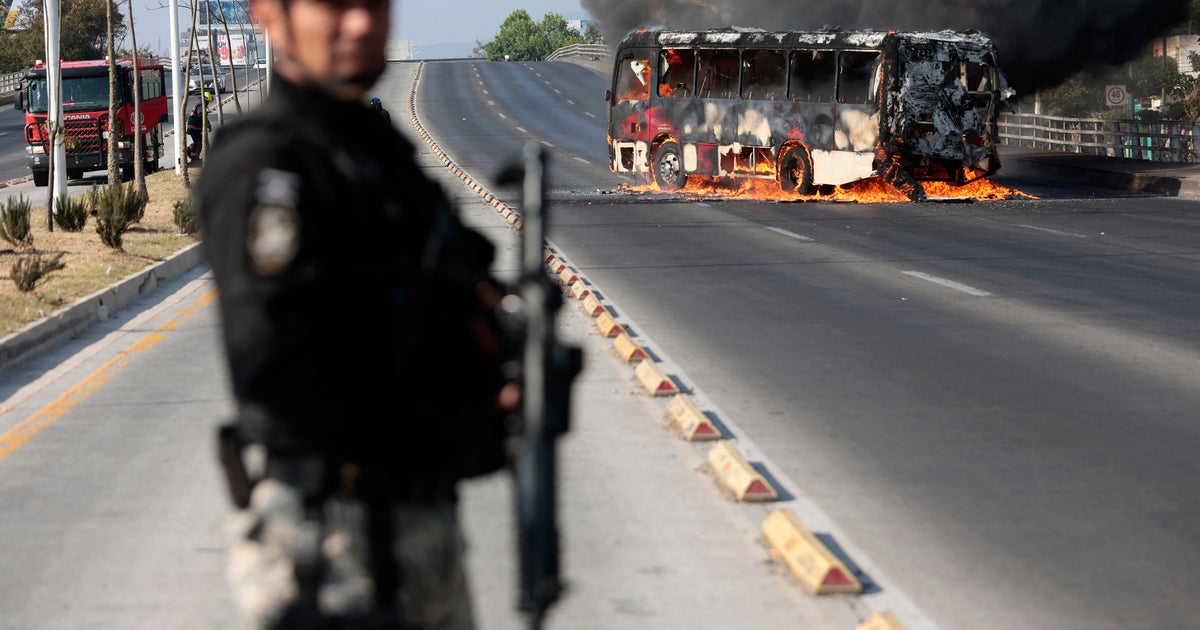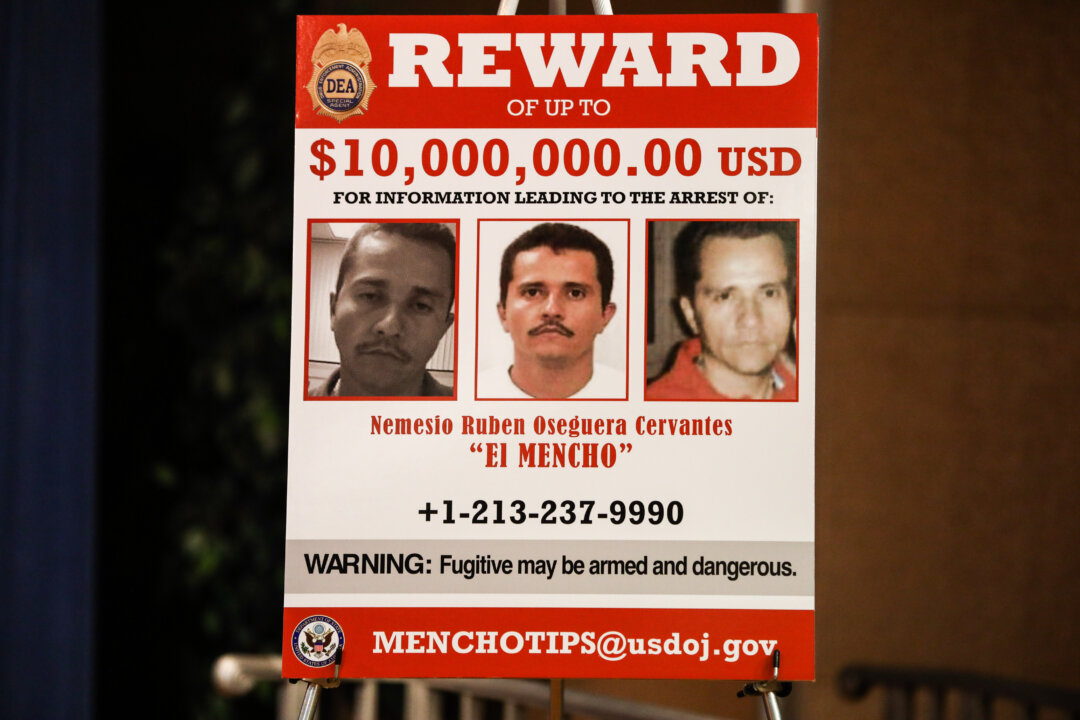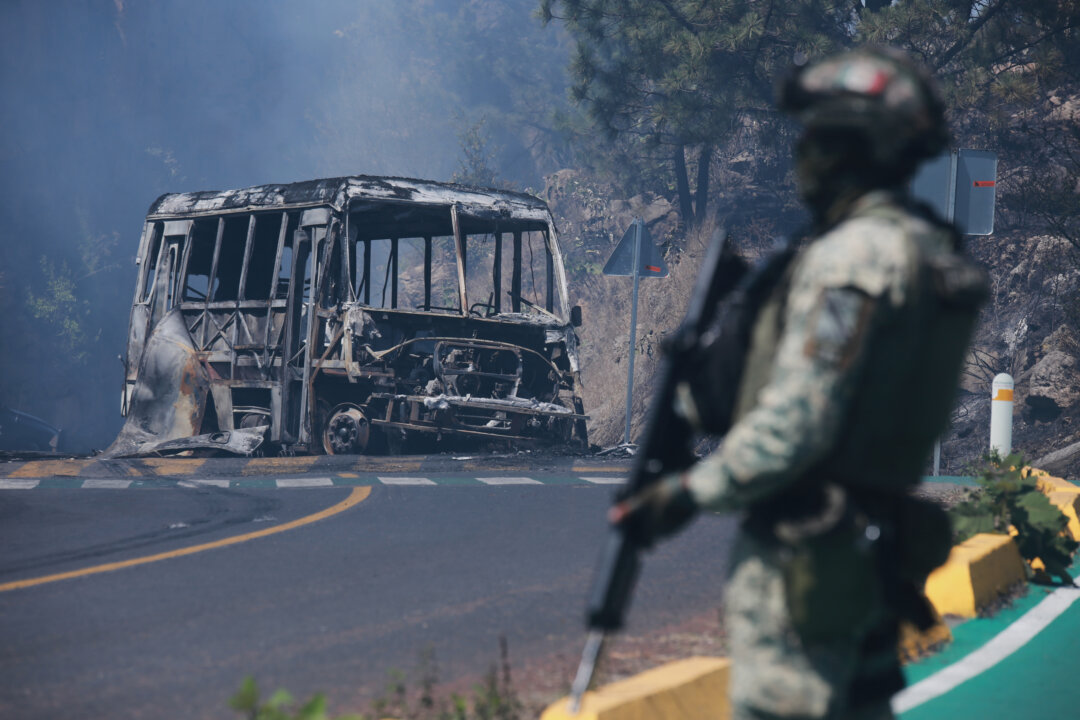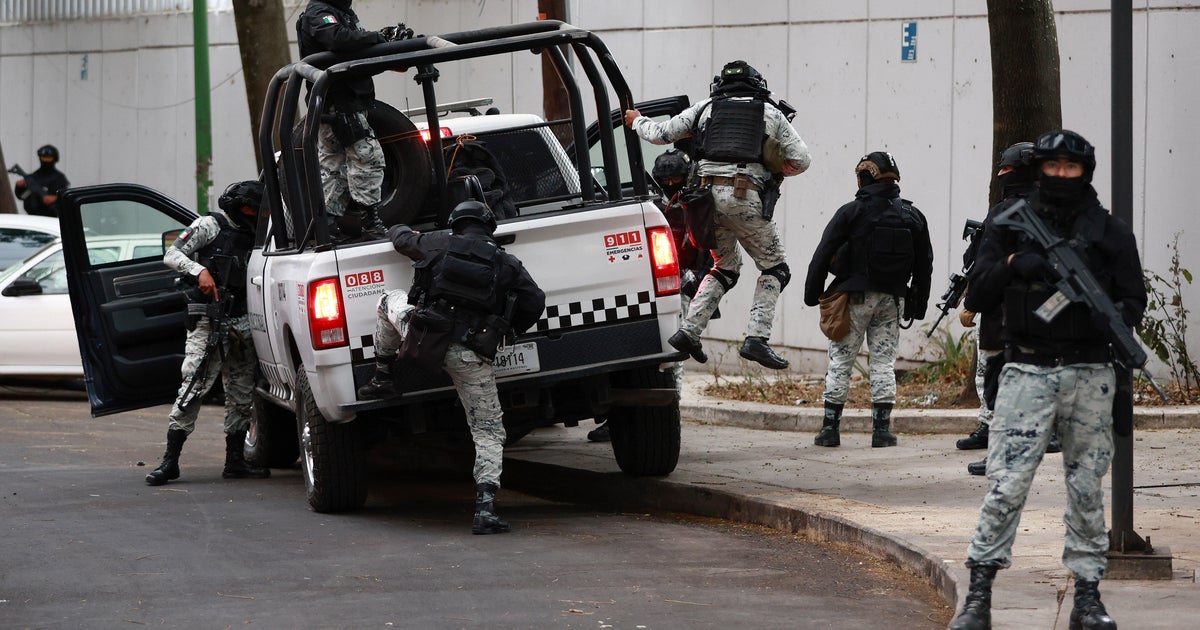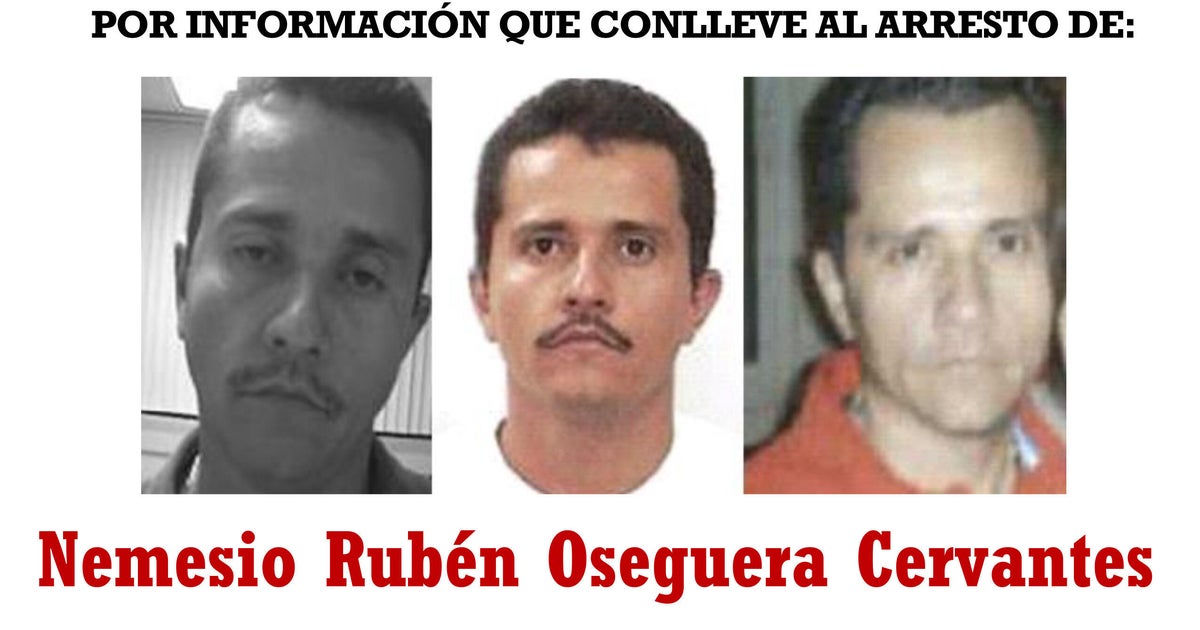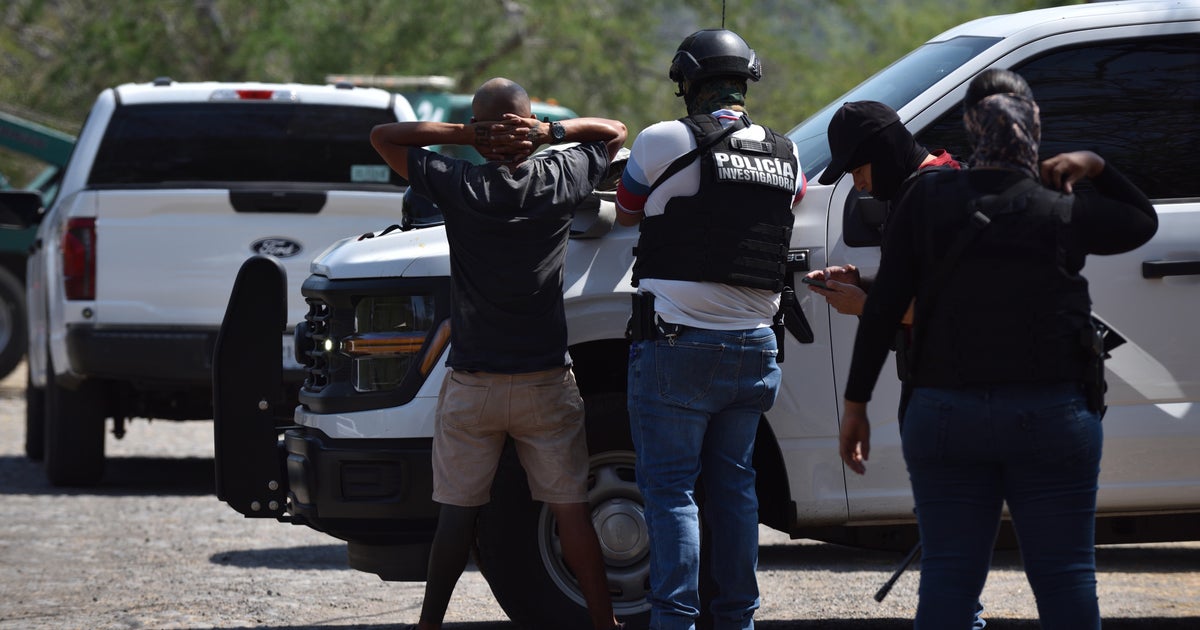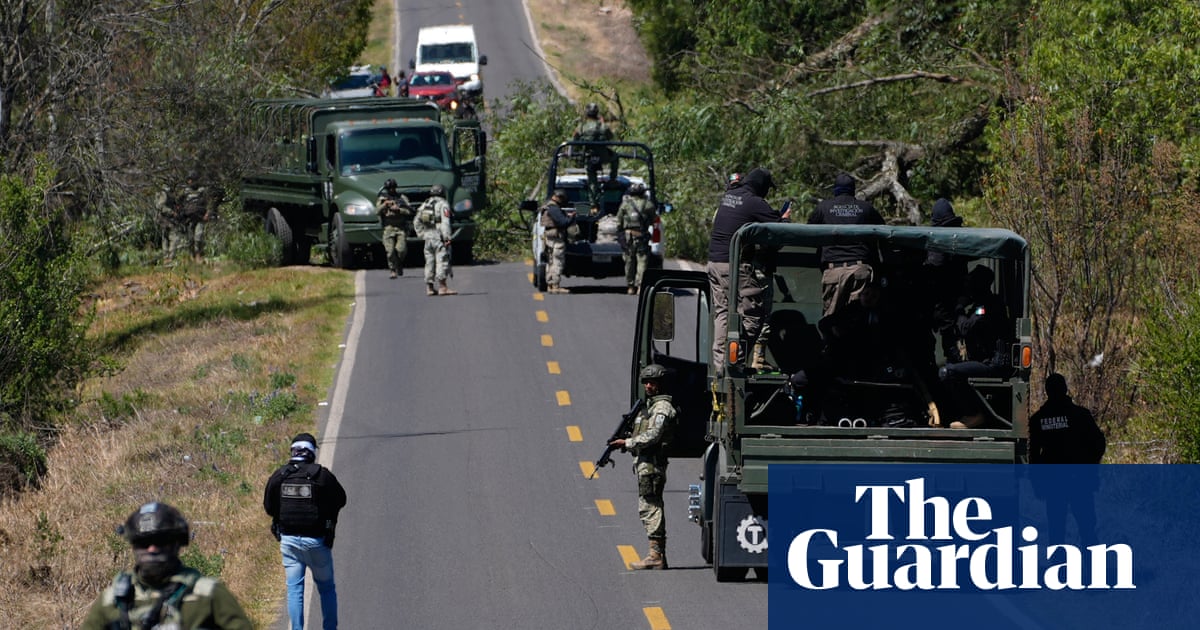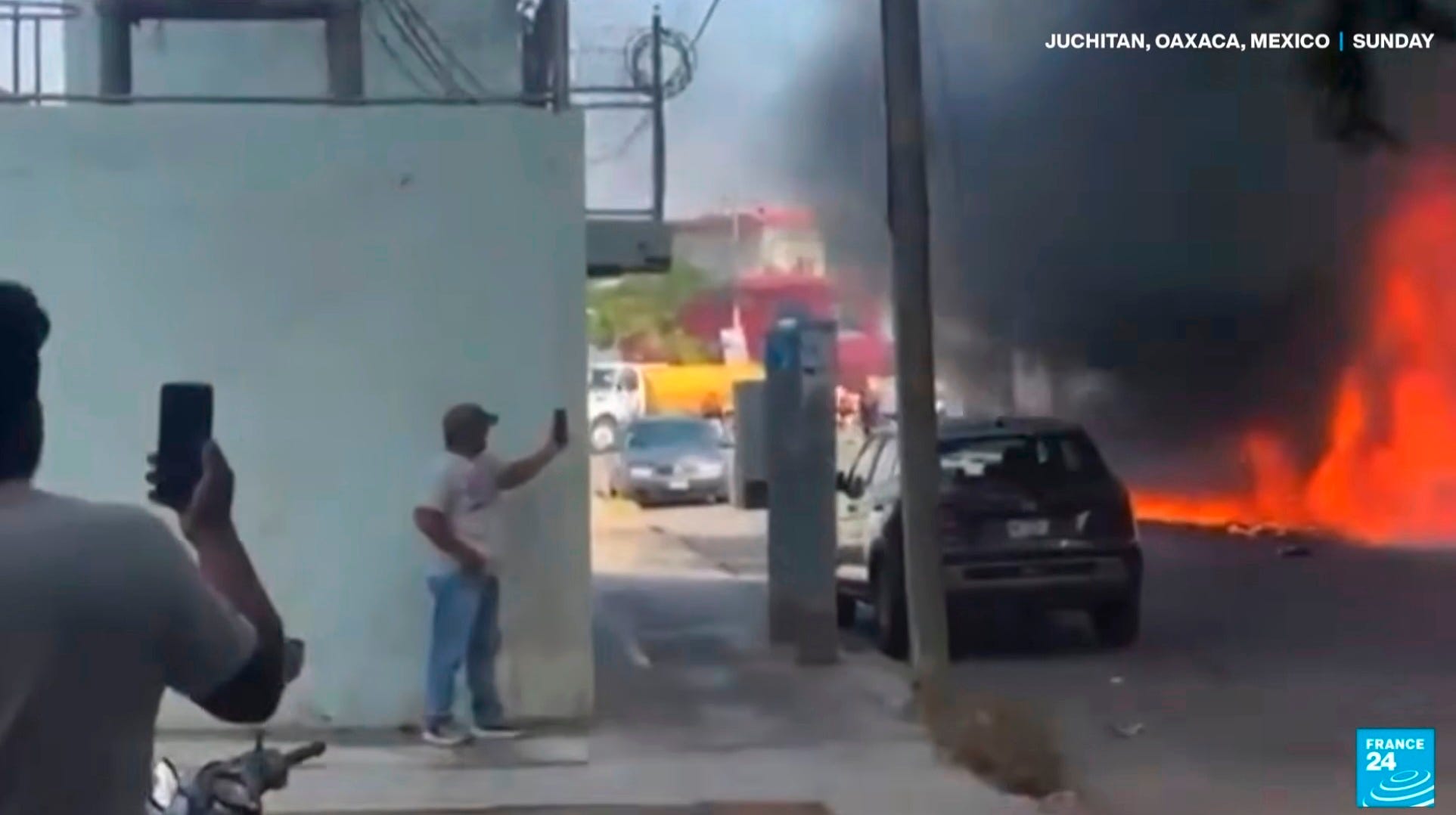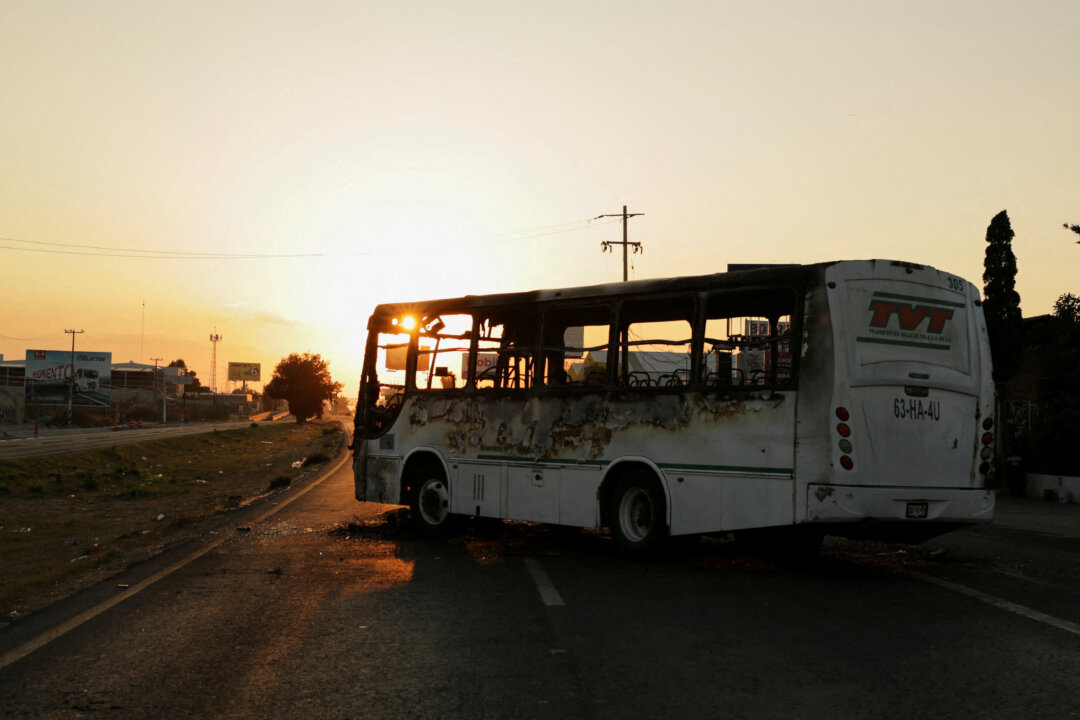







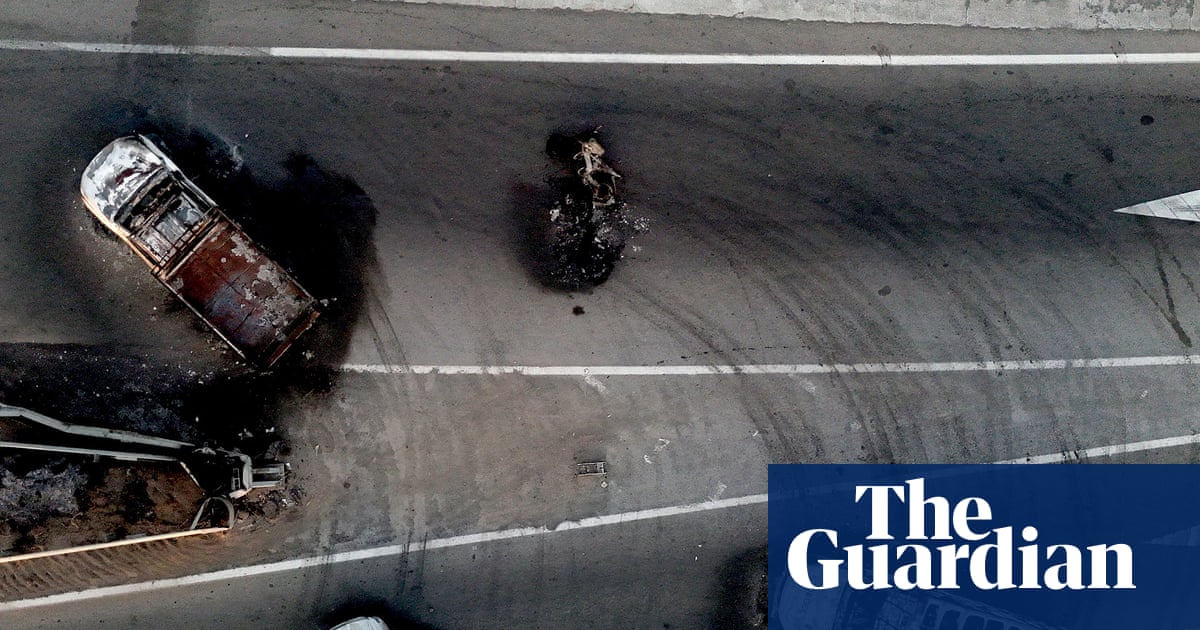
Mexican and international outlets across the spectrum agree that Nemesio Rubén Oseguera Cervantes, known as “El Mencho” and leader of the Jalisco New Generation Cartel (CJNG), was killed during a Mexican military operation around February 22 in Jalisco, western Mexico. Both liberal and conservative sources describe a raid or attempted capture involving Mexican special forces and air support, aided by U.S. intelligence and broader interagency cooperation, in which El Mencho was fatally wounded or killed in a shootout along with several associates. Coverage on both sides notes that his location was identified in part by tracking a romantic partner to a safe house near Tapalpa, that the U.S. State Department had offered a $15 million reward for him, and that Mexican officials and U.S. authorities publicly confirmed his death. They also converge on the scale of immediate fallout: violent clashes, roadblocks with burning vehicles, attacks near or at Guadalajara’s airport and in Puerto Vallarta, suspension of public transport and commercial flights, and shelter‑in‑place or heightened‑caution advisories for U.S., Canadian, and Australian travelers.
Liberal and conservative outlets also share core contextual framing about who El Mencho was and why he mattered. They broadly agree that CJNG is one of Mexico’s most powerful and ultraviolent cartels, with a long record of military‑style tactics, high‑profile attacks including downing a helicopter, and extensive drug trafficking operations—especially fentanyl and other synthetic drugs—into the United States. Both characterizations describe CJNG as a national or binational security threat involved in extortion, human trafficking, and a sophisticated money‑laundering apparatus, and they treat El Mencho’s killing as the removal of a central figure long indicted and wanted by U.S. authorities. Across coverage, there is consensus that his death represents a major symbolic and operational blow to the cartel but also risks a power vacuum and internal fragmentation, with analysts on both sides warning of short‑term surges in violence and uncertainty over CJNG’s future leadership structure.
Areas of disagreement
Significance of the operation. Liberal‑aligned sources acknowledge the tactical success of eliminating El Mencho but more often frame it as a limited or possibly counterproductive victory within a failed kingpin strategy that has historically produced splinter groups and more violence. Conservative outlets, by contrast, tend to describe the raid as a decisive or “huge” win, emphasizing that it “decapitates” Mexico’s most powerful cartel and marks measurable progress against fentanyl flows. Liberal reporting is more cautious about declaring a turning point, stressing the resilience of cartel networks and institutional weaknesses, while conservative coverage highlights triumphal statements by officials and treats the operation as proof that strong military pressure works.
Role of the United States and Trump. Liberal coverage highlights U.S. intelligence support but often situates it in a tense, asymmetric security relationship, stressing ongoing U.S. political pressure and how the killing may temporarily appease Donald Trump while leaving structural issues unresolved. Conservative outlets, however, typically cast U.S. involvement as a positive force multiplier and credit the Trump administration and hawkish lawmakers for demanding tougher action, sometimes holding up the raid as validation of more aggressive cross‑border strategies. Liberals are more likely to question Trump’s consistency and motives and note past accommodations of cartel‑linked actors, whereas conservatives foreground his rhetoric about treating cartels as terrorist insurgencies and praise his allies for pushing Mexico to act.
Threat framing and policy prescriptions. Liberal‑leaning sources focus on civilian suffering, school closures, economic disruption, and the broader human rights implications of militarized drug policy, often warning that treating cartels purely as wartime enemies risks perpetual conflict. Conservative outlets emphasize the cartel’s role in sending fentanyl and crime into the United States, framing CJNG as a quasi‑military enemy and using the violence to argue for tougher border controls, expanded security cooperation, and even authorizations for U.S. forces or contractors to target cartels. Liberal reporting tends to stress governance reform, anti‑corruption measures, and development as necessary complements or alternatives, while conservative reporting leans into law‑and‑order narratives and labels like “terrorist insurgency” to justify escalated force.
Economic and tourism impact. Liberal coverage more often links the post‑raid chaos to systemic vulnerabilities in Mexico’s economy and trade infrastructure, detailing how port, trucking, and air‑freight disruptions expose dependence on routes traversing cartel territory and heighten risks for workers and local communities. Conservative outlets, while noting some of the same disruptions, concentrate more on stranded foreign tourists, travel advisories for Americans and other Westerners, and the contrast between Mexico’s marketing as a beach paradise and scenes of torched businesses and roadblocks. Liberals tend to treat trade slowdowns and local fear as evidence that security policy must be rethought at a structural level, whereas conservatives use travel chaos and advisories to underscore Mexico’s instability and, at times, to argue for tougher border and foreign‑policy postures.
In summary, liberal coverage tends to frame El Mencho’s killing as a significant but constrained tactical success embedded in a problematic militarized drug war and a lopsided U.S.–Mexico relationship, while conservative coverage tends to celebrate it as a major victory against a terrorist‑like cartel, validate hard‑line security approaches, and use the fallout to argue for stronger borders and more assertive U.S. involvement.