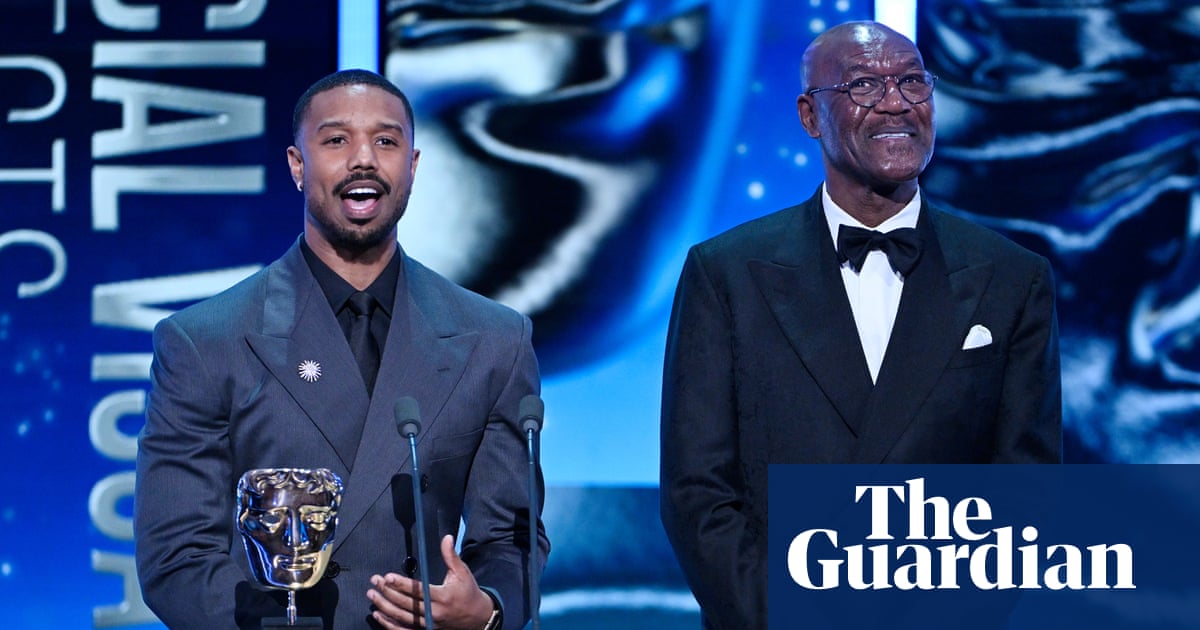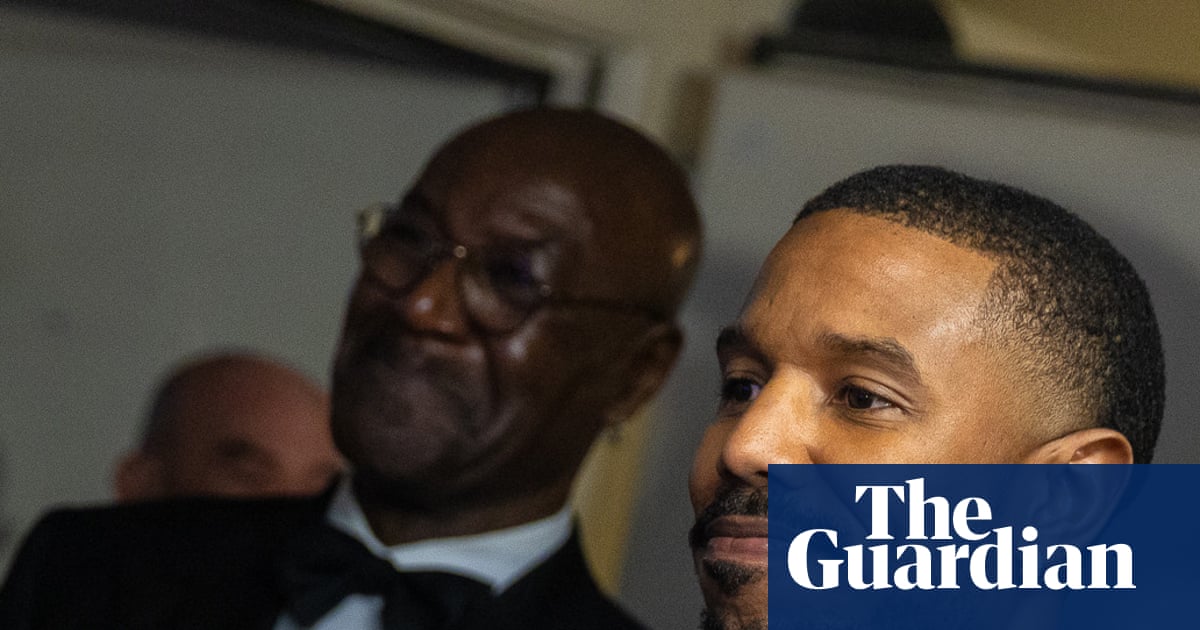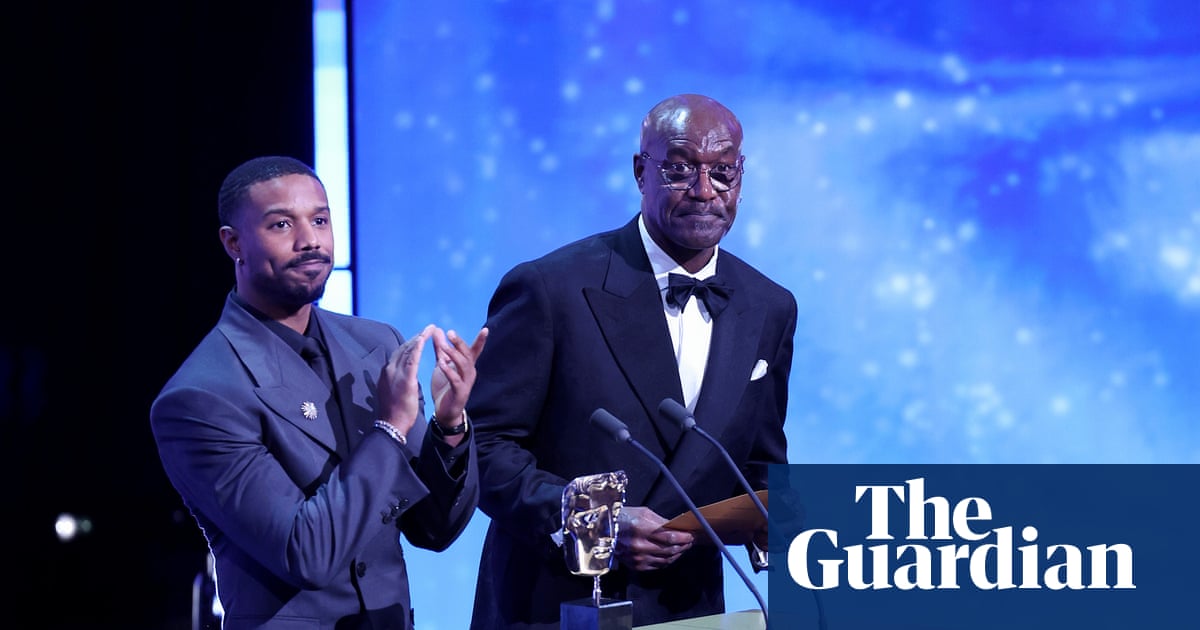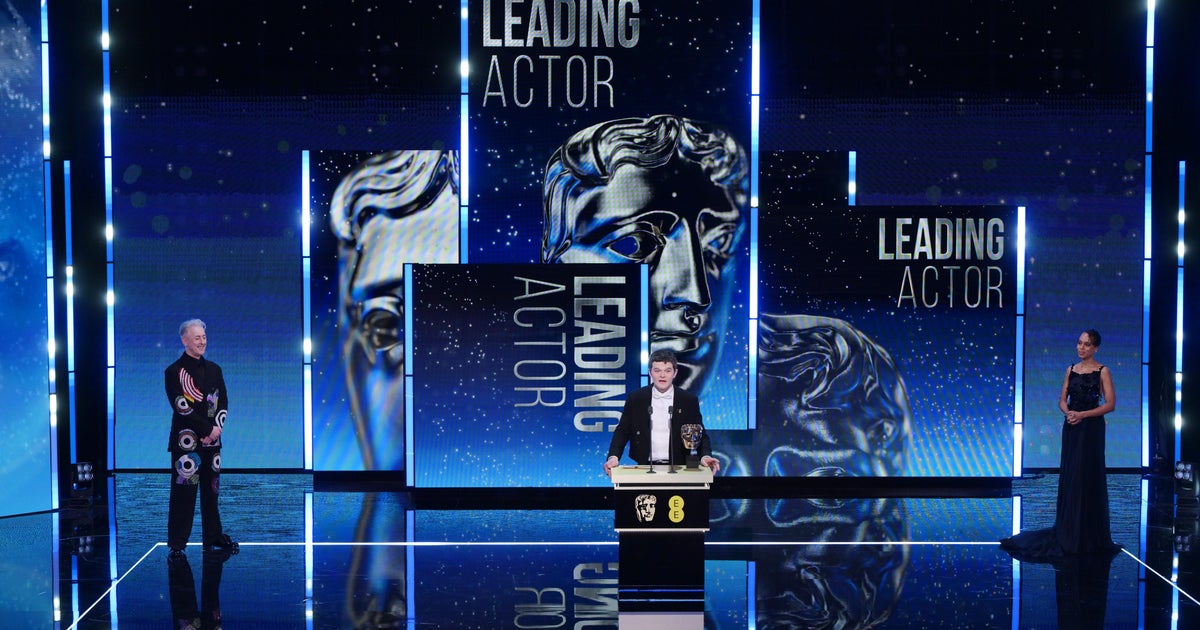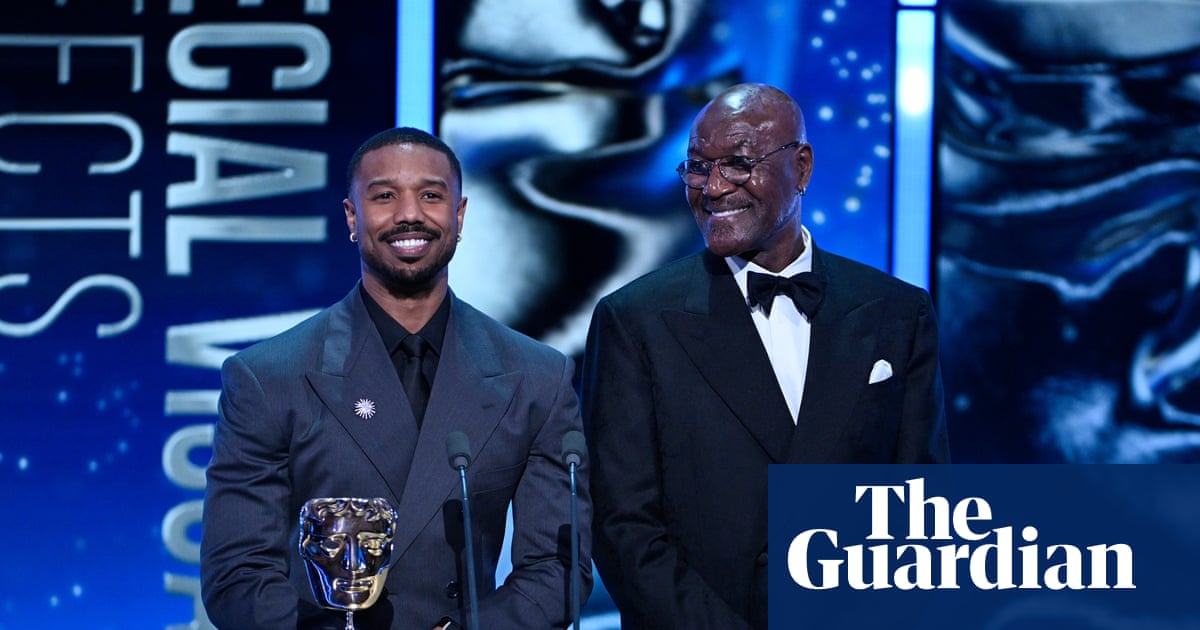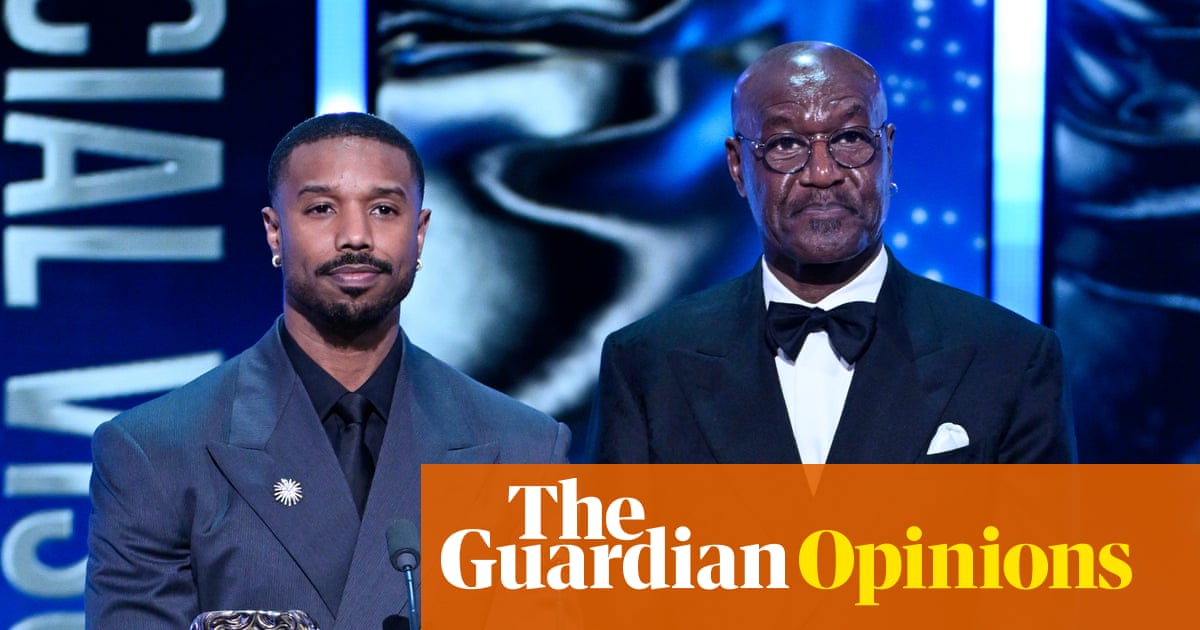

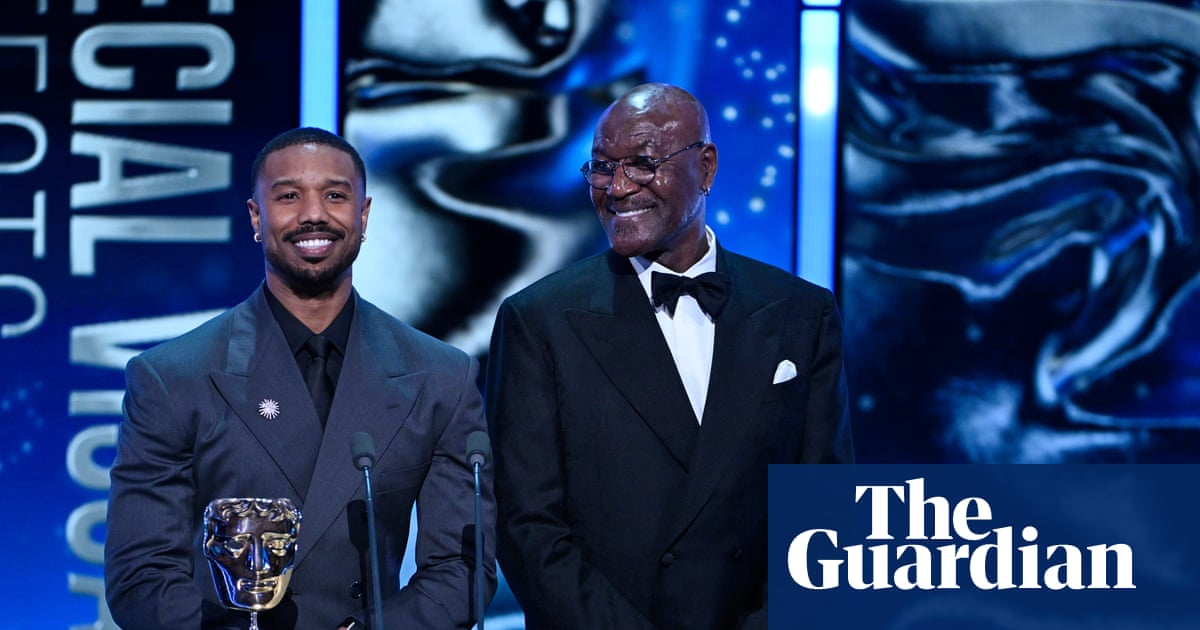
During the Bafta Film Awards in London, John Davidson, a Tourette syndrome campaigner and subject of the film "I Swear," shouted the N-word and other offensive phrases from the audience while Black actors Delroy Lindo and Michael B Jordan were on stage presenting an award. The ceremony was recorded and later broadcast on BBC One with a time delay, but the slur was not initially edited out, leading to public backlash and distress, especially among Black viewers and industry figures; Bafta, the BBC, Davidson himself, and even Google (over an unrelated AI prompt) issued apologies. Both liberal- and conservative-leaning outlets agree on the basic sequence: the slur occurred as part of Davidson’s vocal tics, it was aired in a delayed broadcast despite assurances it would be removed, producers later claimed they had not heard it at the time, and the controversy has since prompted resignations, political criticism, and intense debate over the broadcast’s handling.
Across the spectrum, coverage aligns on the core medical and institutional context: Tourette syndrome is a neurological condition characterized by involuntary tics, and in a minority of cases this includes coprolalia—uncontrollable swearing or taboo language, which can include racial slurs. Reports from both sides acknowledge Bafta’s ongoing efforts to reform its diversity and inclusion practices, the BBC’s editorial responsibility in delayed broadcasts, and the tensions between protecting disabled participants and safeguarding Black guests and audiences from racial abuse. There is shared recognition that the incident sits at a fraught intersection of disability rights, anti-racism, broadcast standards, and public understanding of Tourette’s, and that Bafta and the BBC are now conducting reviews and reconsidering how such sensitive material should be managed in future ceremonies.
Areas of disagreement
Responsibility and blame. Liberal-aligned outlets largely frame the main institutional failure as Bafta’s and especially the BBC’s decision not to bleep or cut the slur in a pre-edited broadcast, emphasizing systemic shortcomings in safeguarding Black attendees and viewers. Conservative coverage, while noting the BBC apology, devotes more attention to individual reactions from high-profile actors who suspect the slur may have been intentional, shifting focus toward Davidson’s personal responsibility. Liberals highlight internal resignations, staff unrest, and structural criticisms of the organizations, whereas conservatives give greater prominence to celebrity anger and doubts about the explanations offered.
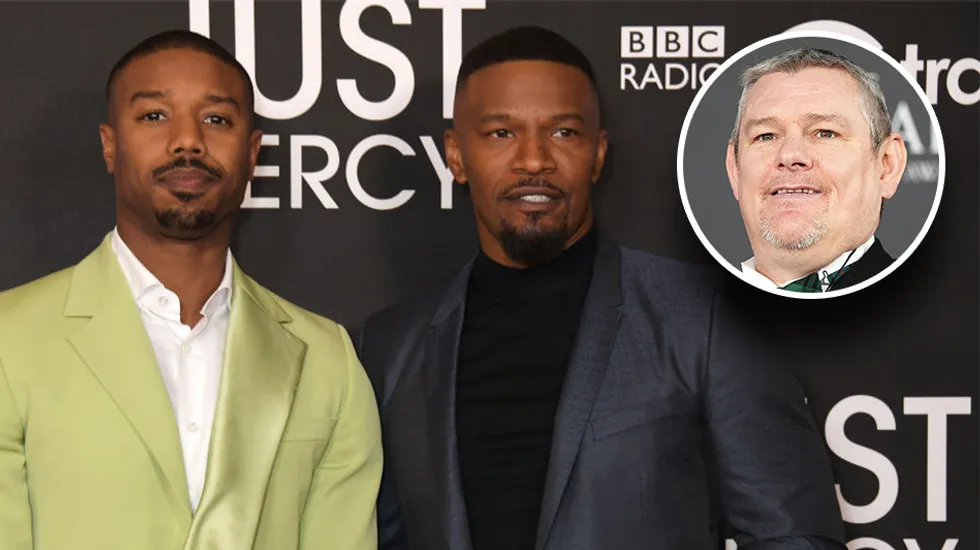
Intent versus condition. Liberal reporting leans heavily on medical explanations of Tourette syndrome and coprolalia, quoting people with Tourette’s who stress that such tics are involuntary even when the words are abhorrent, though they still acknowledge the genuine hurt caused. Conservative coverage gives more space to quotes from figures like Jamie Foxx who assert that "he meant that" and question whether the condition fully explains the outburst, suggesting that intent may not be so easily dismissed. Where liberals generally treat the Tourette diagnosis as a critical mitigating factor that complicates blame, conservatives highlight skepticism and the possibility that the diagnosis is being used as an excuse.
Framing of harm and broader issues. Liberal sources situate the episode within a wider pattern of anti-Black racism and the growing normalization of racial slurs in public and online spaces, arguing that airing the word on prime-time television compounds this harm regardless of intent. Conservative sources, based on available coverage, concentrate more on the shock value and interpersonal offense felt by celebrities in the room, with less emphasis on structural racism or long-term desensitization. Liberals also contrast the airing of the slur with censorship of political statements like "Free Palestine" to argue inconsistency in what harms are prioritized, a line of critique largely absent on the conservative side.
Reform and future handling. Liberal outlets discuss Bafta’s and the BBC’s next steps, including comprehensive reviews, calls for better safeguarding protocols for Black guests, and debates over whether the awards should be broadcast live or handled with more transparent editing rules. Conservative coverage, by contrast, focuses less on institutional reform and more on the cultural debate over acceptable language at awards shows and whether audiences should accept Tourette-related outbursts as inevitable. While liberals tie the incident to ongoing diversity reforms and editorial standards in public broadcasting, conservatives stress the clash between free expression, decorum, and accountability for offensive speech.
In summary, liberal coverage tends to emphasize systemic failures, racial harm, and the need to reconcile disability rights with robust anti-racism standards, while conservative coverage tends to foreground questions about Davidson’s intent, celebrity outrage, and broader cultural disputes over offensive language and accountability.
Story coverage