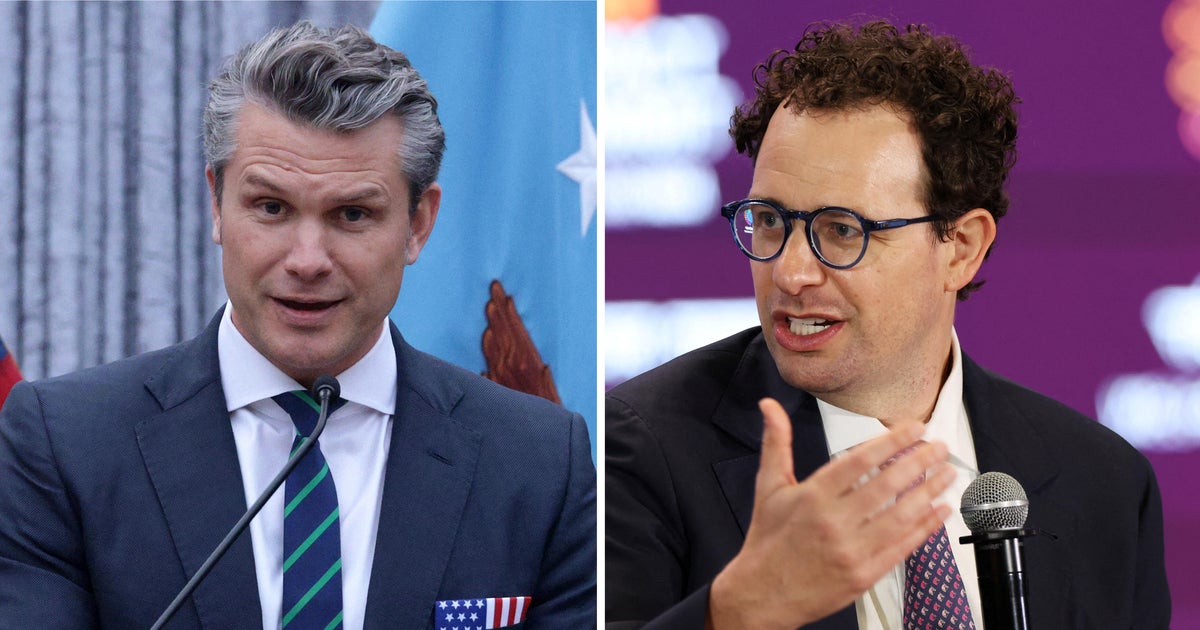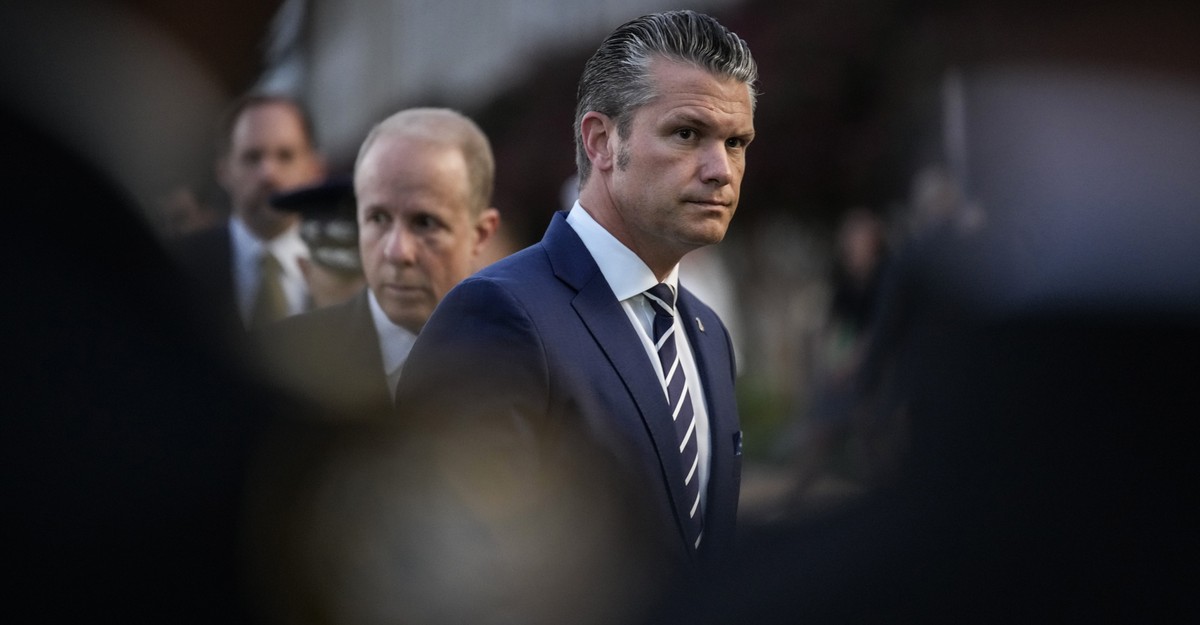



Defense Secretary Pete Hegseth has given AI company Anthropic a Friday deadline to accept what officials describe as a best-and-final offer granting the Pentagon broad, effectively unrestricted access to its Claude models for military purposes. Both liberal and conservative outlets report that if Anthropic does not agree, the Defense Department is prepared to terminate existing or prospective contracts, label the firm a supply chain risk, and is actively weighing the use of the Defense Production Act to compel access to the technology. Coverage agrees that the ultimatum has been delivered directly to Anthropic’s leadership, that the Trump administration is backing Hegseth’s hard line, and that the core dispute concerns how far the military can go in using Claude for operational tasks, including potential battlefield and surveillance applications.
Across the spectrum, outlets emphasize that the clash reflects broader questions about the governance of advanced AI in national security settings, pitting military demands for flexibility and speed against a private company’s safety commitments. Reports agree that Anthropic has sought contractual guardrails to prevent Claude from being used for mass surveillance or for lethal autonomous targeting without human oversight, while the Pentagon argues it must be able to employ any contracted AI for all lawful military uses. Both liberal and conservative coverage situate the standoff within long-running debates over civil liberties, the ethics of autonomous weapons, and the scope of presidential and Pentagon authority to marshal private-sector technology in perceived emergencies, with the outcome viewed as a precedent-setting test for future defense-AI partnerships.
Areas of disagreement
Framing of stakes and priorities. Liberal-aligned coverage portrays the dispute as a high-stakes test of whether corporate AI safety standards can meaningfully constrain government power, stressing risks of mass surveillance and automated killing. Conservative coverage tends to frame it as a straightforward national security issue in which a contractor is resisting legitimate military needs, emphasizing mission readiness and technological dominance over civil liberties concerns. While both acknowledge the potential precedent, liberal outlets highlight potential harms to democratic norms, whereas conservative outlets underscore the dangers of tying the Pentagon’s hands.
Characterization of Anthropic’s stance. Liberal sources often cast Anthropic as a principled actor trying to uphold responsible AI commitments and prevent misuse of its models, depicting its guardrails as reasonable protections, not political defiance. Conservative sources are more likely to characterize the company’s resistance as ideological or naïve, suggesting it is second-guessing lawful military authority and undermining established procurement norms. This leads liberal coverage to present Anthropic as a bulwark against overreach, while conservative coverage presents it as an unreliable defense partner.
Portrayal of Hegseth and government power. Liberal reporting tends to describe Hegseth’s deadline and threats to invoke the Defense Production Act as heavy-handed, raising alarms about coercive use of state power over private firms and potential erosion of civilian privacy and human-rights safeguards. Conservative reporting more often presents Hegseth as appropriately tough, using statutory tools to ensure that critical AI capabilities are available to the armed forces in a dangerous world. Where liberal outlets emphasize the chilling effect on tech-sector dissent and innovation, conservative outlets emphasize the need for clear obedience and predictability from defense contractors.
Interpretation of legal and policy implications. Liberal outlets stress the risk that broad use of the Defense Production Act in AI could normalize emergency powers for routine policy conflicts, weakening legislative oversight and public accountability over military AI deployment. Conservative outlets focus instead on the legality and precedent for using such authorities to secure strategic technologies, arguing that existing law supports the Pentagon’s position and that overcautious regulation could let adversaries gain an edge. Thus, liberal coverage sees the legal turn as a troubling expansion of executive reach, while conservative coverage treats it as a justified and pragmatic use of existing tools.
In summary, liberal coverage tends to stress civil liberties, corporate AI ethics, and the dangers of expanding military and executive power over emerging technologies, while conservative coverage tends to foreground national security imperatives, contractual compliance, and the legitimacy of using strong government tools to secure military access to cutting-edge AI.
Story coverage