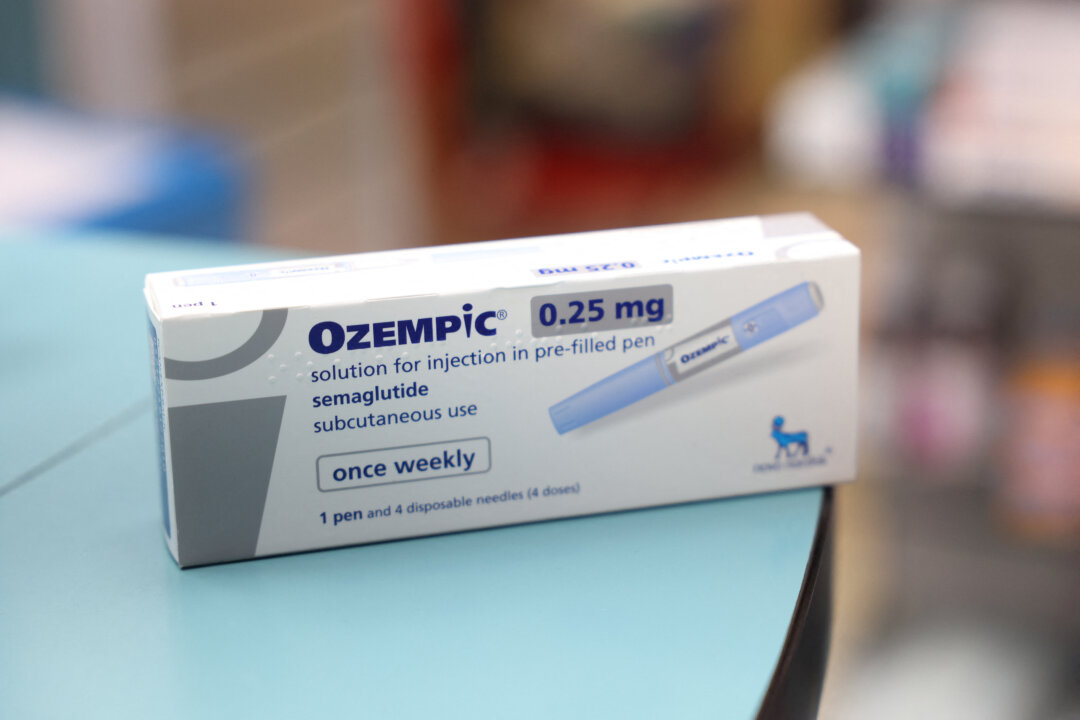


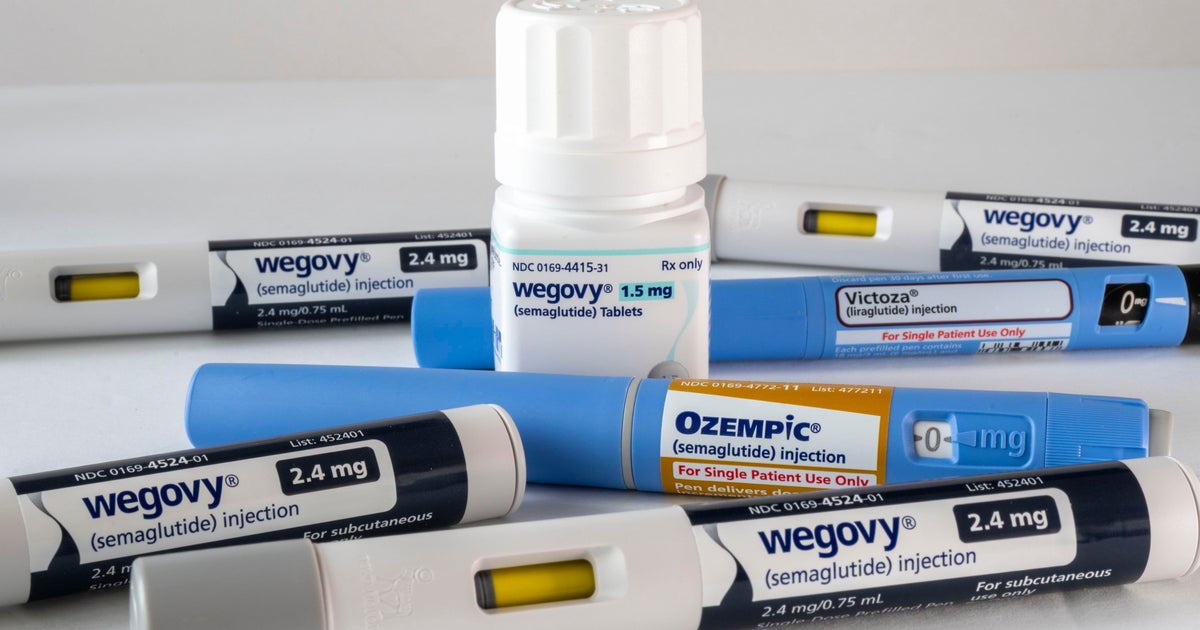
Novo Nordisk has announced that it will reduce the U.S. list prices of its blockbuster GLP-1 drugs Wegovy and Ozempic, along with related products such as Rybelsus, by up to 50 percent starting January 1, 2027. Coverage across liberal- and conservative-aligned outlets agrees on the basic contours: Wegovy will see about a 50 percent list-price cut and Ozempic around a 35–50 percent reduction, with new list prices cited around $675 for certain strengths, and the company publicly framing the move as a way to improve access and lower costs for people living with obesity and Type 2 diabetes. Both sides note that the cuts are targeted at insured patients, especially those facing high deductibles or coinsurance, and that the move comes amid intensifying competition in the GLP-1 market and pressure over the high cost of these medicines.
Reporting from both camps similarly situates the change within broader shifts in U.S. drug pricing, emphasizing the role of list prices, insurer cost-sharing structures, and recent federal actions. Outlets across the spectrum highlight that, although the reductions will not take effect until 2027, they intersect with new Medicare price negotiations enabled by recent drug-pricing reforms, as well as private-sector discount platforms that have begun undercutting traditional pharmacy benefit arrangements. There is shared acknowledgment that high list prices for GLP-1 drugs have strained patients and health plans, and that Novo Nordisk’s move reflects both affordability concerns and strategic positioning as competitors introduce similar obesity and diabetes treatments.
Areas of disagreement
Motives and credit. Liberal-aligned coverage tends to emphasize structural pressures behind the cuts, highlighting government policy such as Medicare price negotiations under the Inflation Reduction Act and growing public scrutiny of pharmaceutical profiteering. Conservative coverage is more inclined to frame the decision as a market-driven response to competition and innovation, giving primary credit to consumer demand and rival drugmakers rather than regulation. While liberal sources mention competition, they often stress that policy and public pressure forced the issue; conservative outlets generally downplay regulatory pressure and cast the move as evidence that markets can self-correct high prices.
Framing of affordability and access. Liberal sources focus on the persistent affordability gap, stressing that even after a 35–50 percent reduction, GLP-1 drugs will remain expensive, especially for the uninsured and for those whose plans exclude obesity treatments. Conservative sources frame the new list price more positively, emphasizing that a $675 price point and deep list-price cuts will "help millions" and portraying the change as a significant step toward access. Liberal coverage tends to interrogate whether list-price cuts will fully translate into lower out-of-pocket costs once intermediaries like pharmacy benefit managers are factored in, while conservative coverage more simply equates the announced list-price reductions with tangible relief.
Role of government versus markets. Liberal-aligned reporting often links the change to a broader case for stronger federal drug-pricing oversight, suggesting that Novo Nordisk’s move validates the need for negotiation authority and regulatory guardrails on high-cost drugs. Conservative outlets generally avoid endorsing expanded government control and instead use the announcement to argue that competition among pharmaceutical firms and alternative discount platforms can deliver savings without heavy-handed regulation. Where liberal coverage portrays the developments as a partial win for policy reforms and a rationale for going further, conservative coverage implies that recent government interventions are at best one factor among many and could risk undermining innovation if expanded.
Assessment of Novo Nordisk’s conduct. Liberal sources tend to adopt a more skeptical tone toward Novo Nordisk, underscoring the company’s past years of high prices, record revenues, and the long delay until 2027 before cuts take effect, questioning whether this is more reputational damage control than altruism. Conservative coverage is generally more neutral or sympathetic, highlighting the potential health benefits for patients and presenting the company’s stated aim of helping people with obesity and diabetes largely at face value. Liberal reporting is more likely to frame the price cuts as overdue and partial, whereas conservative pieces tend to treat them as a meaningful and good-faith step in the right direction.
In summary, liberal coverage tends to present the price cuts as a cautious, policy-driven correction to years of excessive pricing and as evidence for the importance of government pressure, while conservative coverage tends to highlight market dynamics, frame the reductions as a substantial improvement for patients, and credit competition and corporate initiative more than regulation.
Story coverage