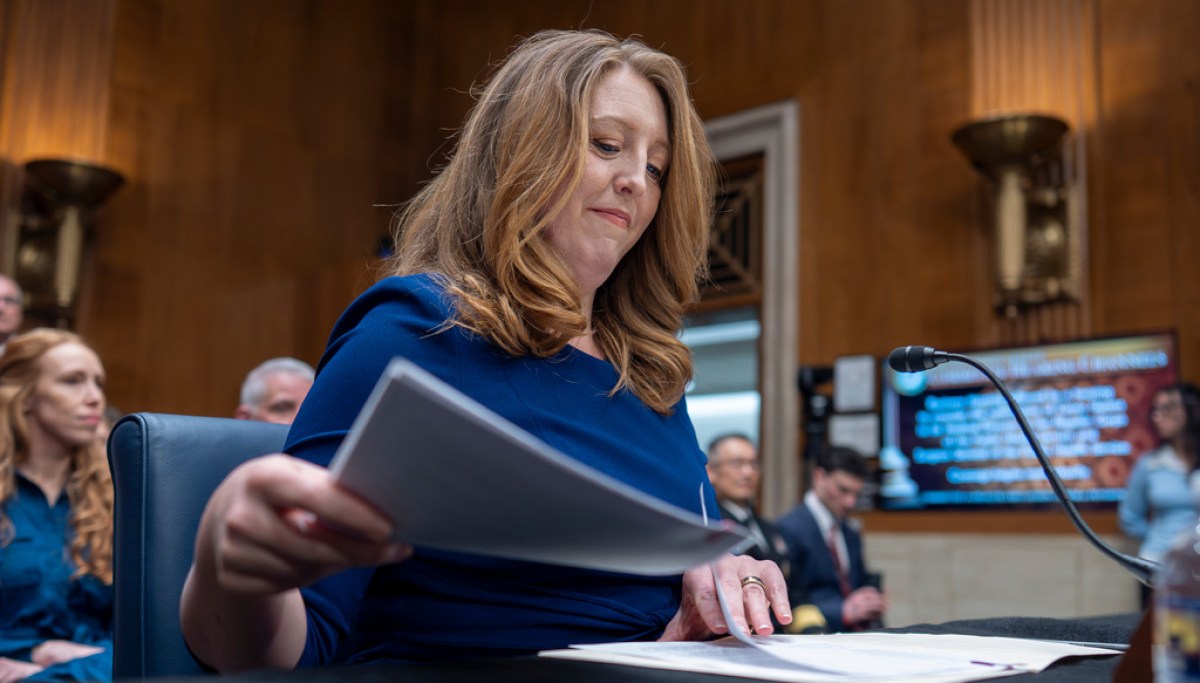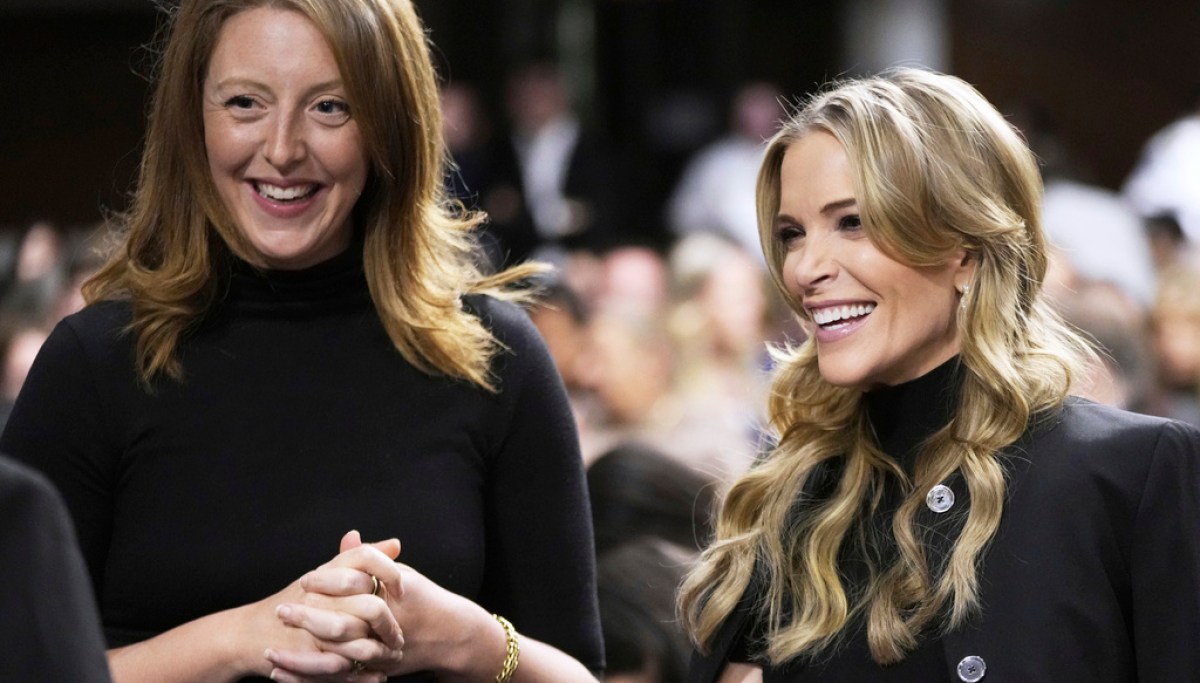


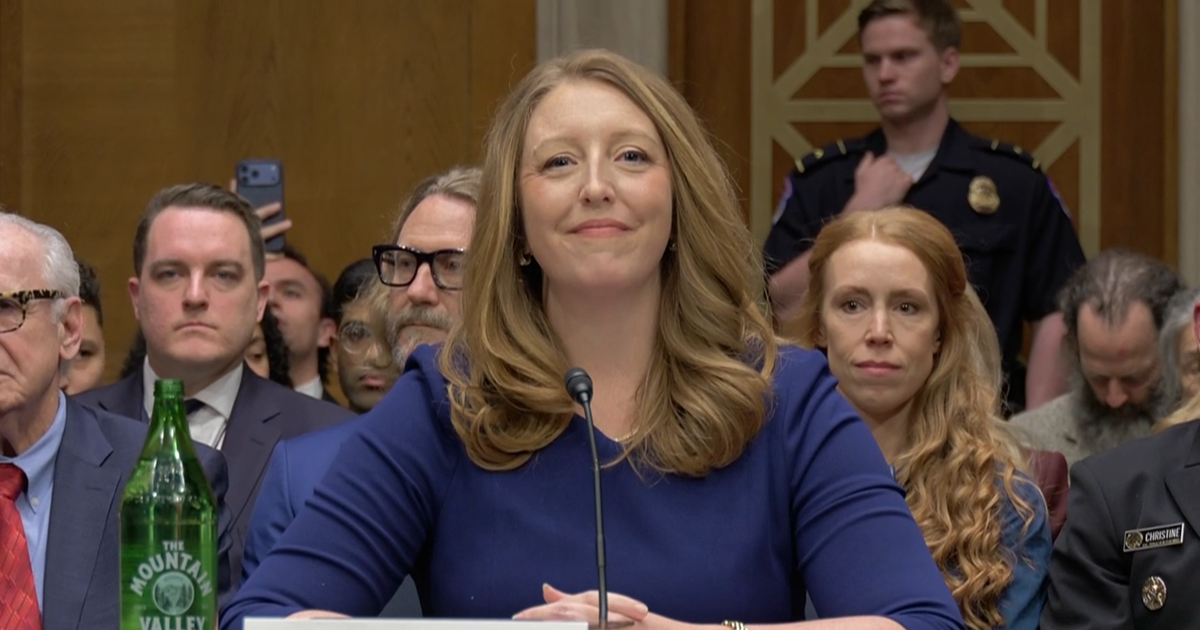
Casey Means, a physician and wellness entrepreneur nominated by President Donald Trump to be U.S. surgeon general, appeared before the Senate Health, Education, Labor and Pensions Committee in a contentious confirmation hearing on Capitol Hill. Both liberal- and conservative-leaning outlets agree that senators from both parties pressed her hard on her past public statements and current positions on vaccines, especially childhood immunizations and the alleged vaccine-autism link, hormonal birth control, and the abortion pill mifepristone. Coverage from both sides notes that she repeatedly used phrases like "science is never settled" when questioned about vaccine safety, was probed about prior financial ties to health and supplement companies and her wellness-influencer background, and was asked about her association with Robert F. Kennedy Jr. They also agree that Means framed her overall agenda as shifting the nation’s health focus from reactive treatment to prevention and root causes of chronic disease, presenting lifestyle and diet changes as central components of her public health vision.
Across the spectrum, outlets describe Means as positioning herself against what she calls a "sick care" system, arguing for more time in doctor-patient conversations, stronger informed-consent practices, and broader preventive measures, including attention to diet, lifestyle, and metabolic health. Liberal and conservative reports alike acknowledge that she presented chronic disease reduction as her central mission if confirmed, that she cast accessible contraception as important but contingent on individualized risk assessment, and that she avoided committing to specific regulatory positions on mifepristone such as in-person visit requirements. They also concur that the hearing had been previously postponed because she was in labor with her first child, that the committee will decide whether to advance her nomination, and that her unconventional background as an influencer-physician and entrepreneur is a defining feature of this confirmation fight.
Areas of disagreement
Scientific credibility and vaccines. Liberal-aligned coverage portrays Means’s "science is never settled" refrain and reluctance to clearly disavow vaccine-autism claims as undermining scientific consensus and raising alarm about elevating someone with perceived anti-vaccine sympathies to a top public health role. Conservative outlets, while acknowledging the tense exchanges, lean into her emphasis on open scientific inquiry and informed consent, casting her language as a call for transparency rather than as explicit skepticism about vaccine safety. Liberal stories highlight her ties to figures like Robert F. Kennedy Jr. as evidence of proximity to organized vaccine skepticism, whereas conservative pieces downplay that angle and instead frame her as a reformer challenging establishment orthodoxy.
Birth control, abortion pill, and reproductive health. Liberal coverage underscores her vagueness on mifepristone rules and her past critical comments on hormonal birth control as signals that she may align with efforts to restrict reproductive health options under the guise of safety concerns. Conservative sources present her stance as a balanced focus on individualized risk assessment and informed consent, emphasizing her statement that accessible contraception is crucial and presenting her refusal to specify mifepristone regulations as appropriate restraint for a would-be surgeon general. Where liberal outlets warn about potential rollback of reproductive rights, conservative outlets frame the same testimony as reinforcing patient autonomy through better information and physician guidance.
Qualifications and role of a surgeon general. Liberal-leaning reports question whether a wellness influencer with commercial ties to supplements and health products has the independence and evidence-based rigor expected of the nation’s top public-health spokesperson, often treating her entrepreneurial background and brand-building as potential conflicts of interest. Conservative narratives tend to celebrate that same background as proof she understands preventive health, consumer engagement, and chronic disease at scale, portraying her as an outsider who can disrupt a failing status quo. While liberal outlets stress the risk that her prior business relationships could shape federal messaging, conservative outlets stress that her experience makes her well placed to communicate preventive strategies to the public.
Public health philosophy and chronic disease. Liberal coverage, though acknowledging her focus on diet and lifestyle, worries that her rhetoric about "root causes" could minimize the importance of established interventions like vaccination campaigns and evidence-based pharmaceutical treatments, especially if she brings a wellness-industry mindset to federal policy. Conservative coverage highlights her chronic-disease agenda as the main story, arguing that focusing on nutrition, metabolic health, and lifestyle is overdue and broadly popular, and suggests critics are unfairly fixating on culture-war issues. Liberals tend to frame her preventive vision as potentially ideologically selective or incomplete, whereas conservatives frame it as a refreshing course correction from what they see as bureaucratic, reactive medicine.
In summary, liberal coverage tends to cast Means as a risky, ideologically aligned wellness influencer whose ambiguities on vaccines and reproductive health could politicize and weaken evidence-based public health, while conservative coverage tends to present her as a reform-minded outsider emphasizing prevention, informed consent, and root-cause medicine against an entrenched medical establishment.
Story coverage