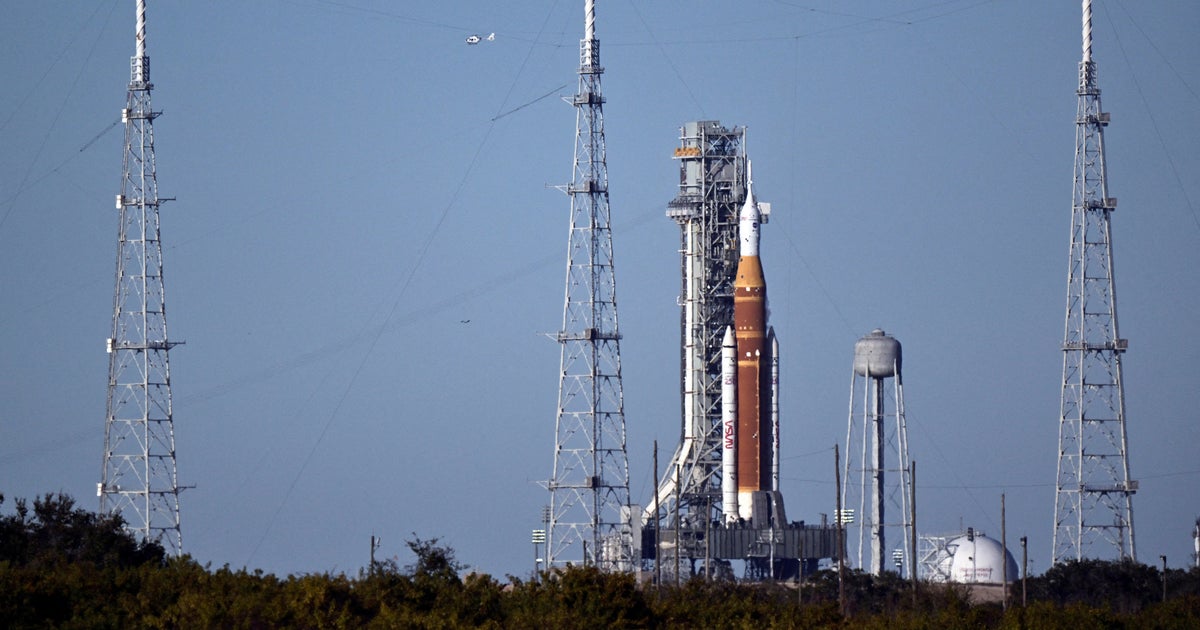


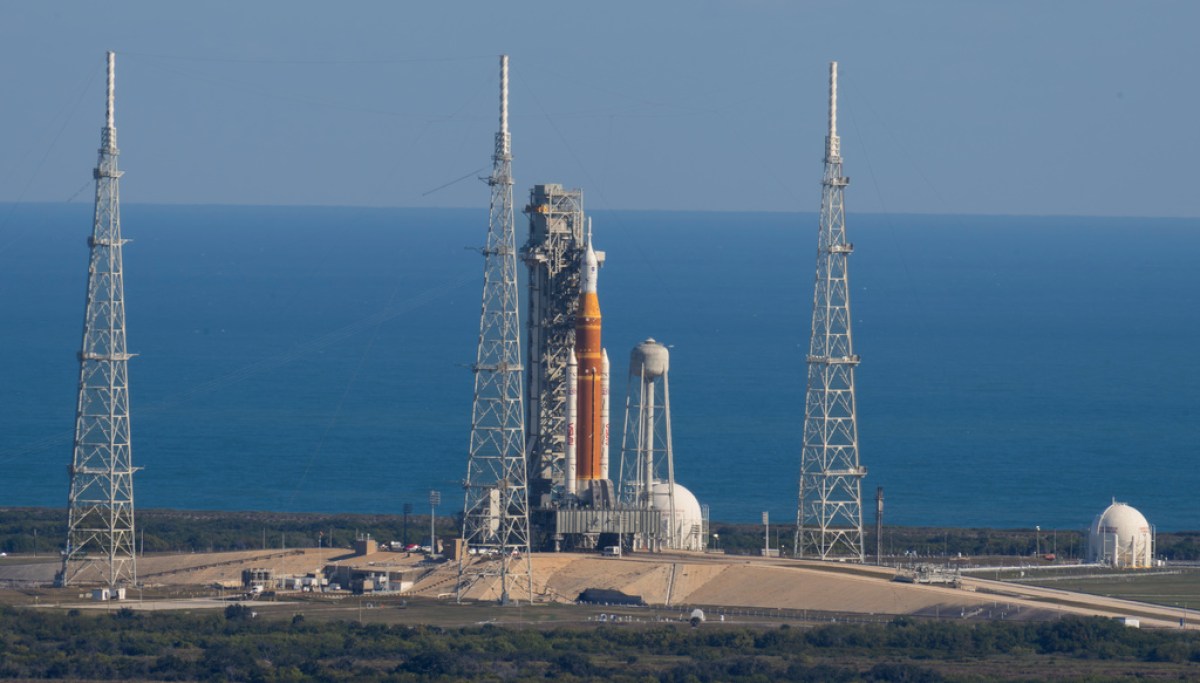
NASA has announced a significant restructuring of the Artemis moon program that both liberal and conservative outlets agree is intended to reduce risk and tighten the timeline for returning astronauts to the lunar surface. Coverage across the spectrum reports that a new pre-landing mission will be inserted into the sequence, with an additional flight in 2027 to test commercial lunar landers and critical spacecraft operations in Earth orbit before a crewed lunar landing attempt on a subsequent mission, now aligned around 2028. Both sides note that Artemis III’s role is being redefined from an early landing attempt to a proving flight focused on validating systems, with a later mission such as Artemis IV taking on the first high-risk lunar landing. Reports concur that NASA wants to increase mission cadence, shorten long gaps between flights, and respond to safety panel concerns while preserving high safety standards.
Liberal and conservative sources also agree that the changes reflect a course correction in response to earlier delays and concerns that the original timeline was too aggressive. They describe the overhaul as a shift toward a more methodical, Apollo-like management style that emphasizes incremental testing and workforce competence before attempting the most dangerous objectives. Both perspectives highlight NASA leadership, particularly Administrator Jared Isaacman, as acknowledging the need to “get back to basics” and realign program milestones without abandoning the broader goals of sustained lunar exploration and competition in space. There is shared recognition that the reform is meant to balance schedule pressure, international and commercial competition, and institutional safety culture by sequencing missions more logically and reducing single-mission risk.
Areas of disagreement
Framing of the overhaul. Liberal-aligned outlets tend to frame the Artemis revamp as a necessary safety-driven reset, emphasizing that the initial 2028 landing plan was flawed without adequate precursor missions and that NASA is correcting an overly risky architecture. Conservative outlets more often portray the move as an efficiency upgrade, stressing that the reordering of Artemis III and IV and added milestones are mainly about speeding up the return to the moon while preserving safety. While liberal coverage highlights the language of “getting back to basics” and responding to warnings, conservative coverage underscores acceleration, competition, and better use of mission sequencing to maintain momentum.
Emphasis on safety versus schedule. Liberal coverage foregrounds NASA’s safety panel concerns and characterizes the new 2027 test mission as a direct response to fears that the earlier approach pushed hardware and crews too quickly toward a high-risk landing. Conservative coverage acknowledges risk reduction but gives more weight to the benefits of increasing launch cadence and avoiding long flight gaps as a way to keep the program on schedule and technically sharp. As a result, liberals describe the change as tempering ambition with caution, while conservatives describe it as streamlining the path to the moon under realistic constraints.
Portrayal of institutional performance. Liberal sources lean into a narrative that NASA’s prior Artemis planning suffered from management overreach and insufficient preparatory work, suggesting that the new Apollo-like management model and focus on workforce competence correct internal shortcomings. Conservative outlets, by contrast, tend to minimize explicit criticism of NASA’s earlier choices and instead frame the revamp as a strategic optimization in the face of delays and rising international competition. Liberal reporting thus sounds more like an internal audit of NASA’s culture and decision-making, whereas conservative reporting highlights institutional resilience and adaptability.
Role of competition and geopolitical context. Liberal-aligned reporting mentions competition and global context but treats them as secondary to internal safety and governance reforms that must guide Artemis forward. Conservative outlets put more explicit stress on competition and the need to keep up with or outpace rivals, implying that accelerating Artemis and tightening mission gaps is crucial for American leadership in space. Where liberal coverage implicitly argues that getting the architecture right is the priority and schedule will follow, conservative coverage suggests that schedule, cadence, and visible progress are themselves key strategic objectives.
In summary, liberal coverage tends to cast the Artemis overhaul as a safety- and governance-focused correction to an overambitious plan, while conservative coverage tends to emphasize acceleration, competitiveness, and efficiency gains from the restructured mission sequence.