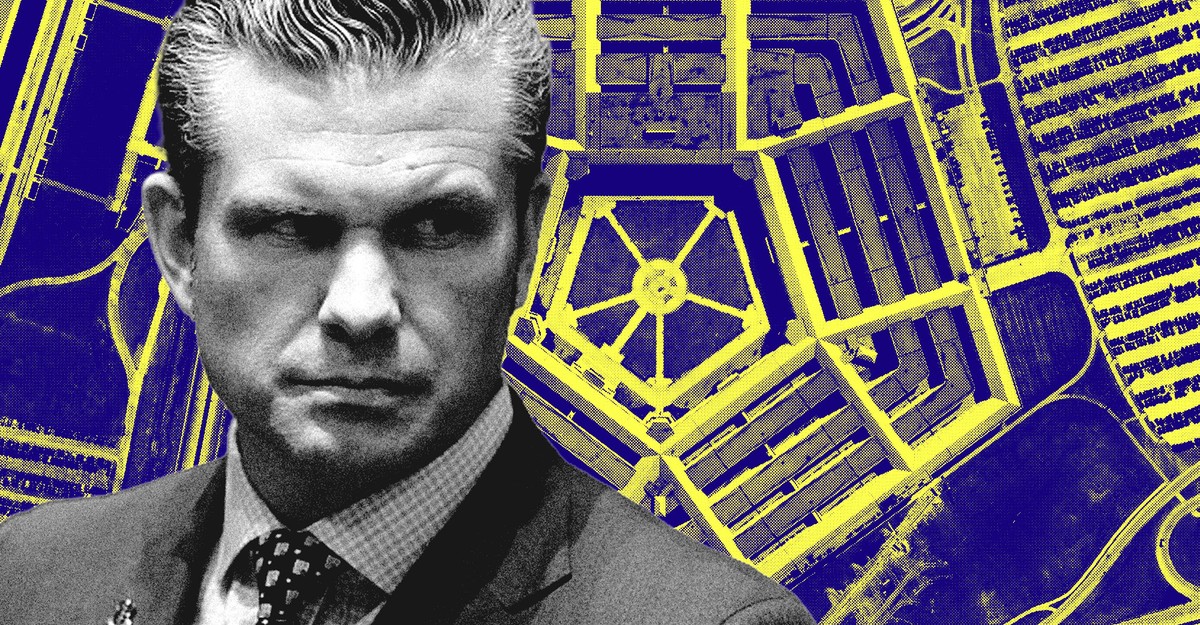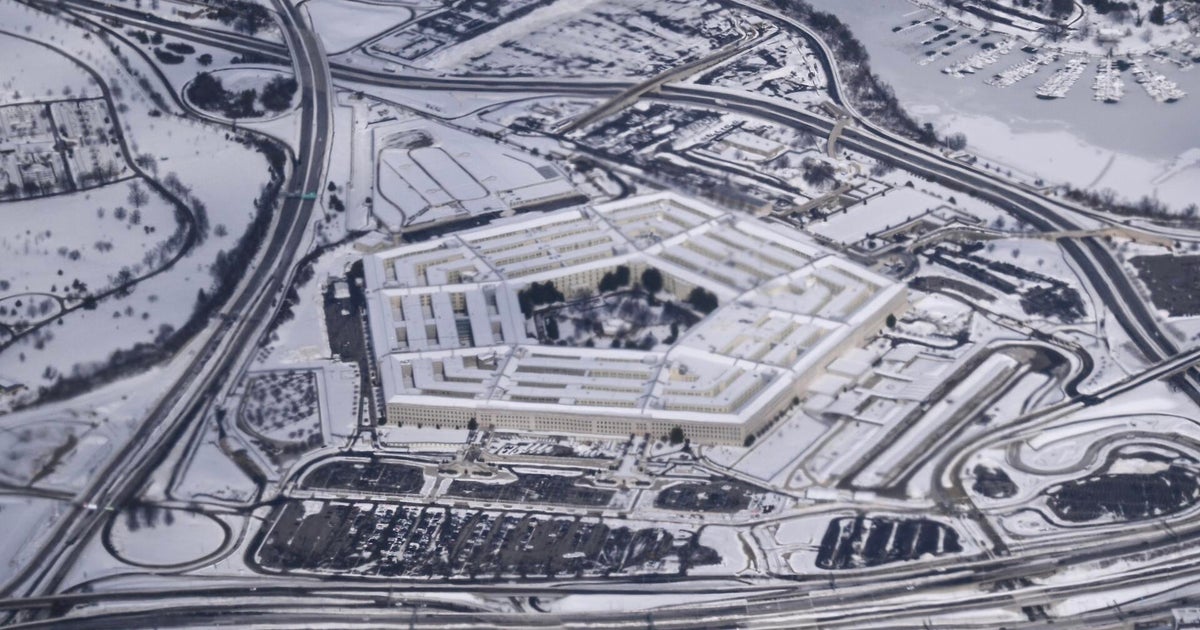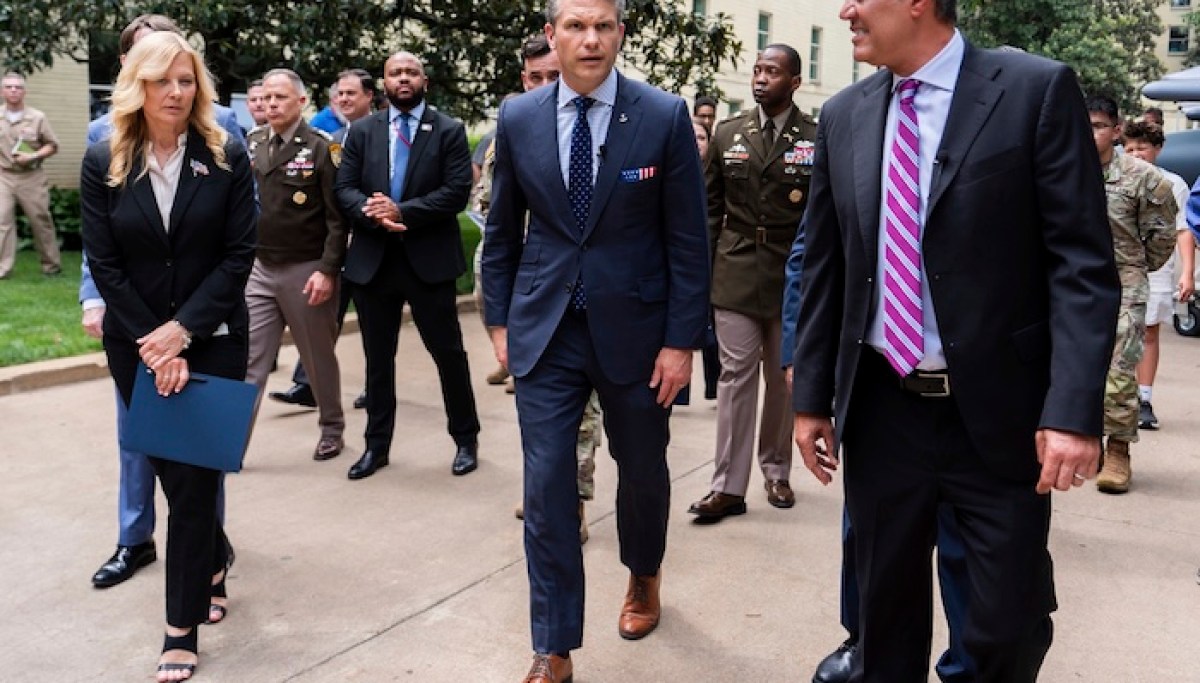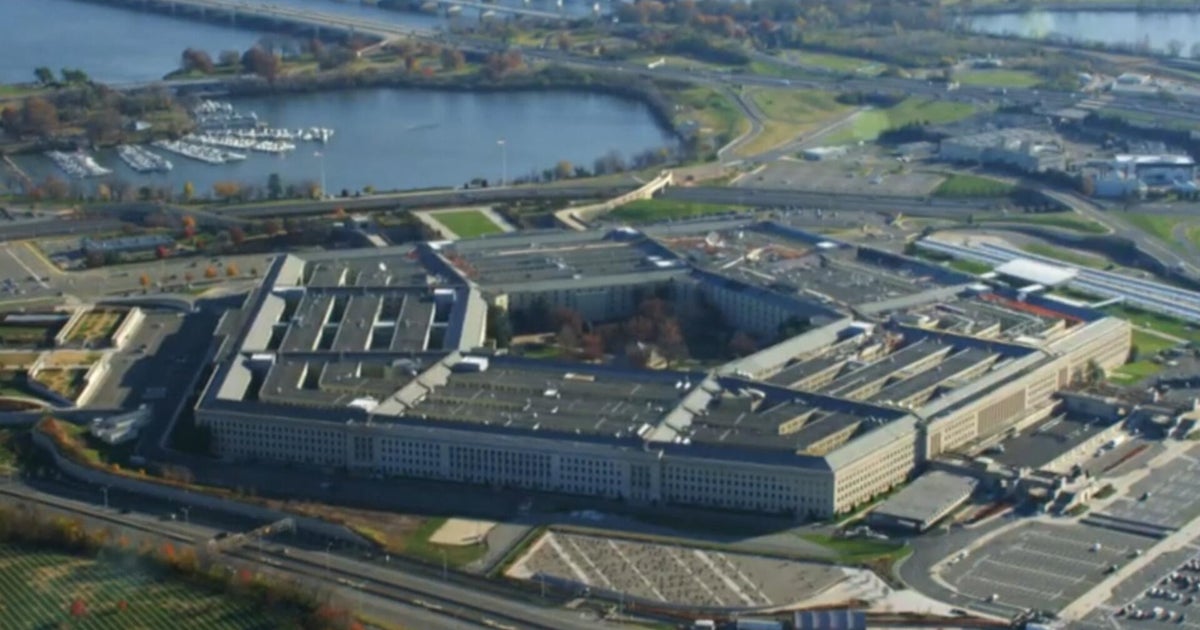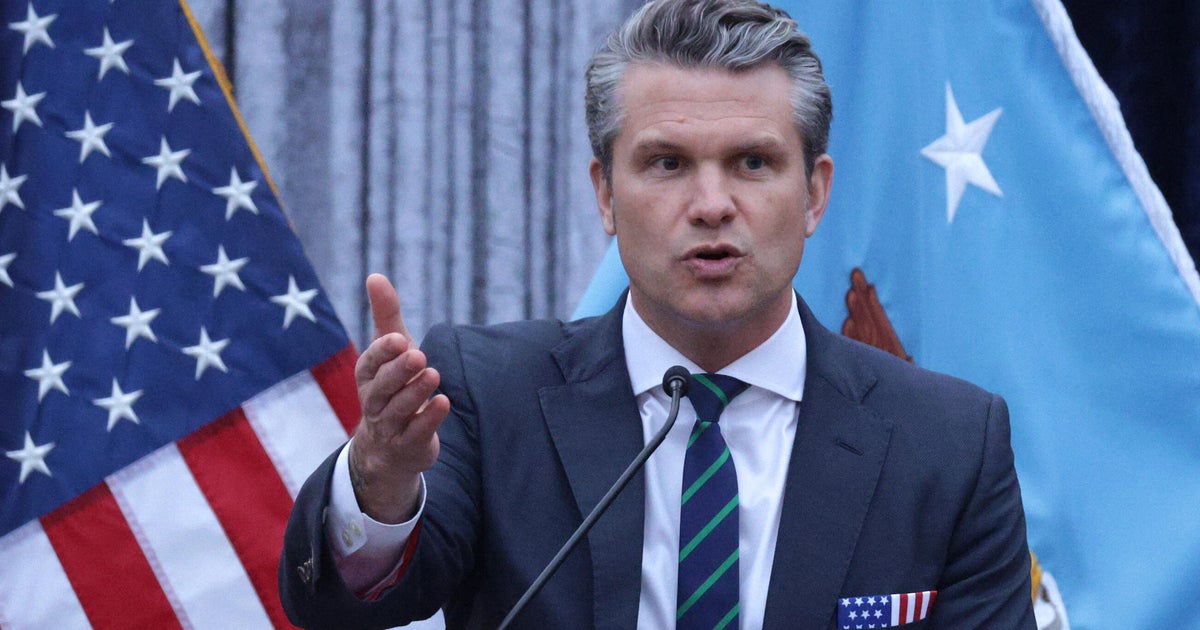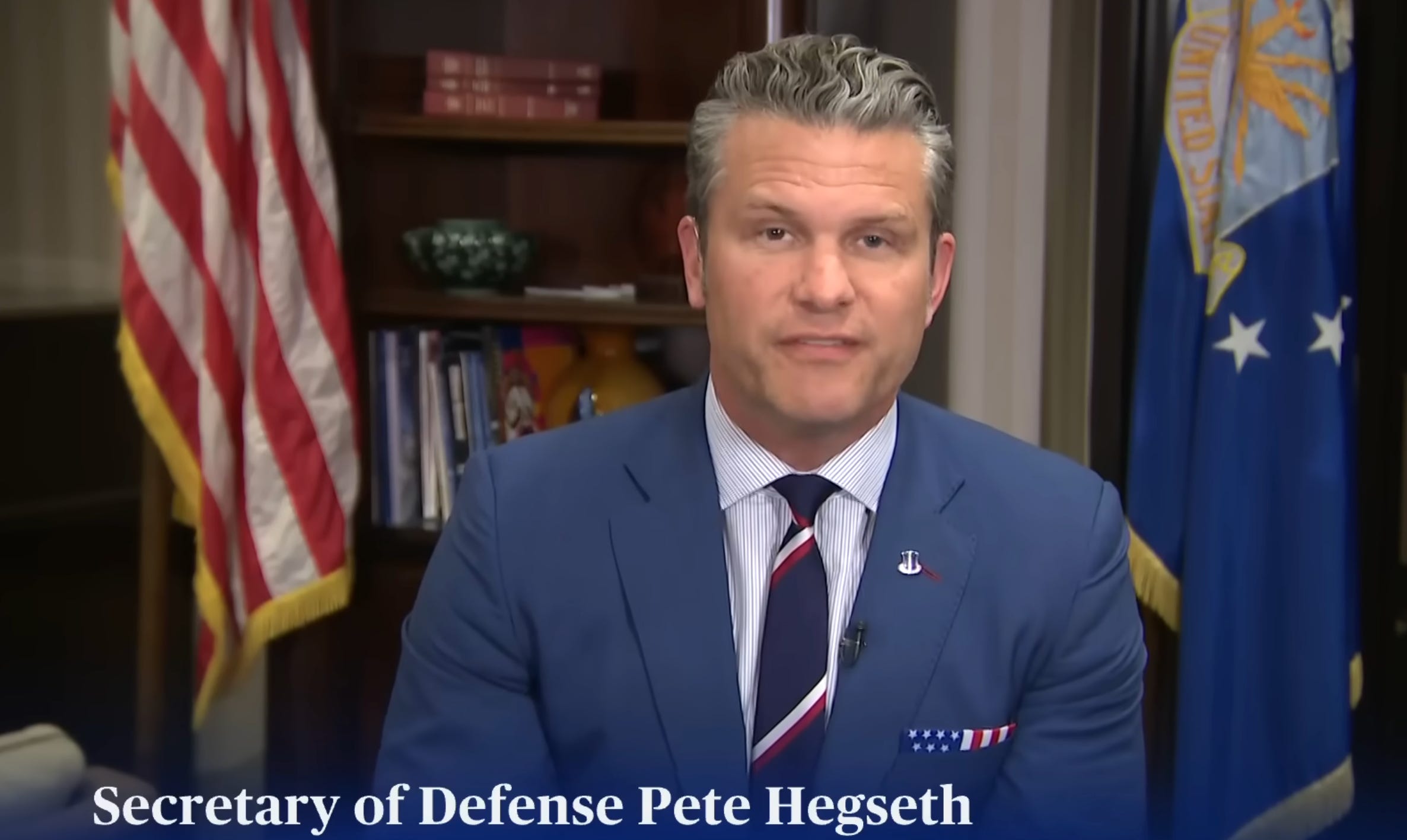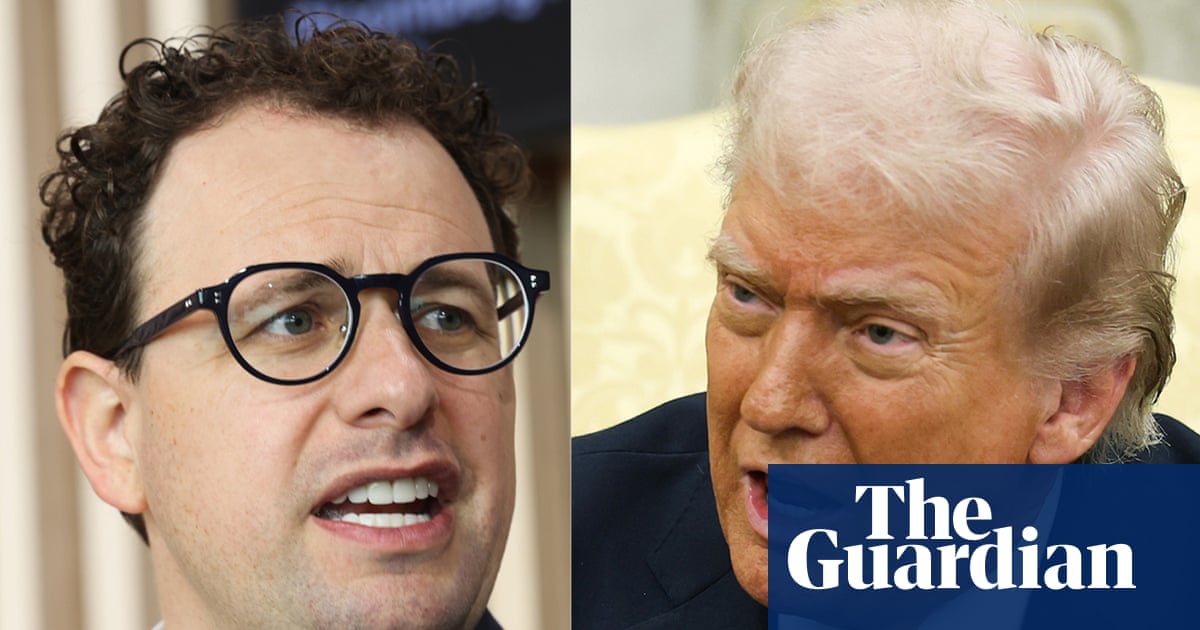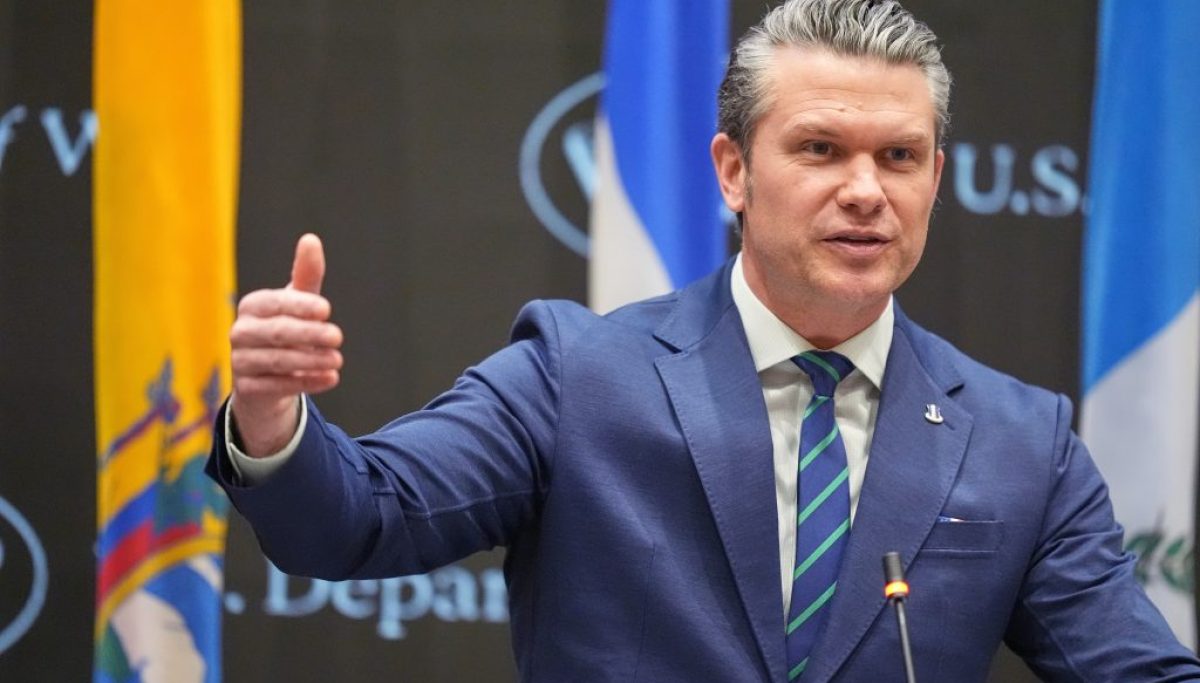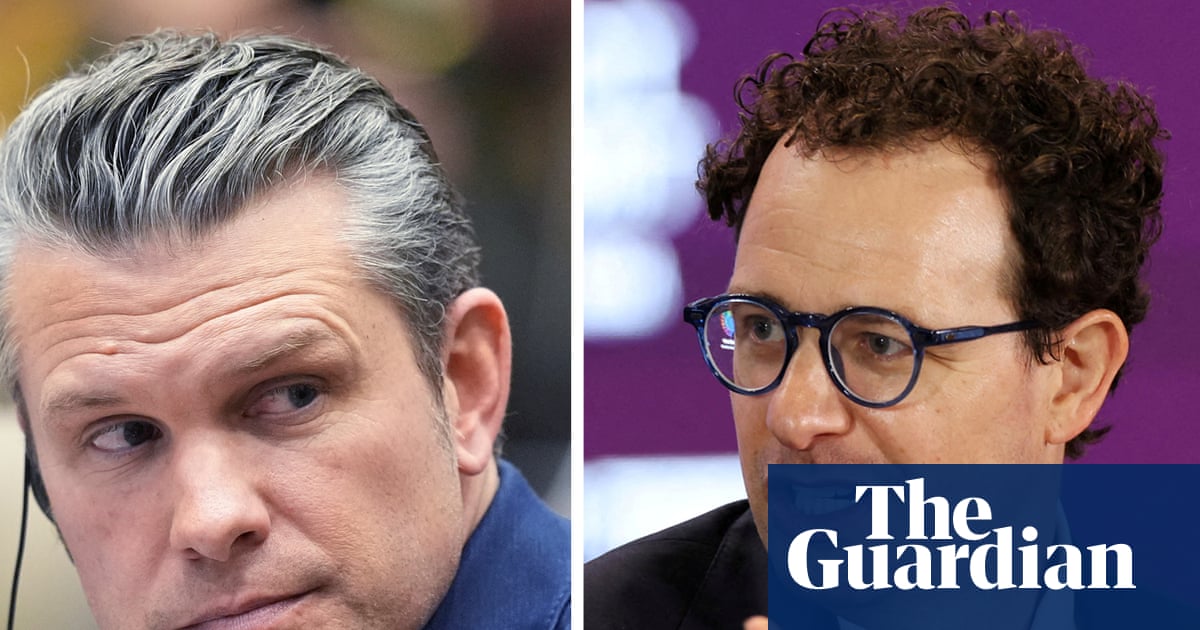






The dispute centers on a Pentagon demand that Anthropic allow its Claude AI models to be used for "all lawful purposes" in U.S. military and national security operations, and Anthropic’s refusal to drop contractual guardrails that would prohibit mass domestic surveillance and fully autonomous weapons use. Both liberal- and conservative-leaning outlets agree that Defense Secretary Pete Hegseth has designated Anthropic a "supply chain risk" to national security, a move that restricts defense contractors from working with the company and threatens existing contracts reportedly worth around $200 million. Coverage on both sides notes that Pentagon officials have issued an ultimatum with a firm deadline, floated use of the Defense Production Act as leverage, and conveyed a "best and final" offer that Anthropic has so far rejected. They also concur that this is an extraordinary step against a U.S.-based tech firm and that the standoff is explicitly about whether the U.S. government can insist on unrestricted military use of a private company’s AI technology.
Across the spectrum, outlets describe the broader context as a test case for how advanced AI will be integrated into warfare and national security, and who—elected governments or private firms—will set the boundaries. Reporting from both sides agrees that frontier AI systems are being rapidly adopted by the Pentagon, that companies like Anthropic, OpenAI, and Google DeepMind are now central to defense-related innovation, and that questions of reliability, safety, and democratic oversight loom large. There is shared recognition that guardrails around surveillance and autonomous targeting touch longstanding debates about civil liberties, the laws of war, and the appropriate level of human control over lethal force. Analysts in both liberal and conservative coverage frame the confrontation as an early, high-stakes negotiation over a durable public–private compact for AI as critical national security infrastructure.
Areas of disagreement
Motives and responsibility. Liberal-leaning coverage tends to cast the Pentagon and Secretary Hegseth as overreaching and potentially abusing national security tools to punish a company for ethical dissent, emphasizing Anthropic’s claim that the "supply chain risk" label is retaliatory and punitive. Conservative outlets more often frame the Pentagon’s actions as a justified or at least understandable response to a contractor trying to dictate the terms of U.S. defense policy, describing the designation as an extraordinary but necessary assertion of government authority. Liberal sources highlight alleged threats to invoke the Defense Production Act as intimidation, while conservative sources underscore the government’s duty to ensure that critical suppliers do not unilaterally restrict lawful military options.
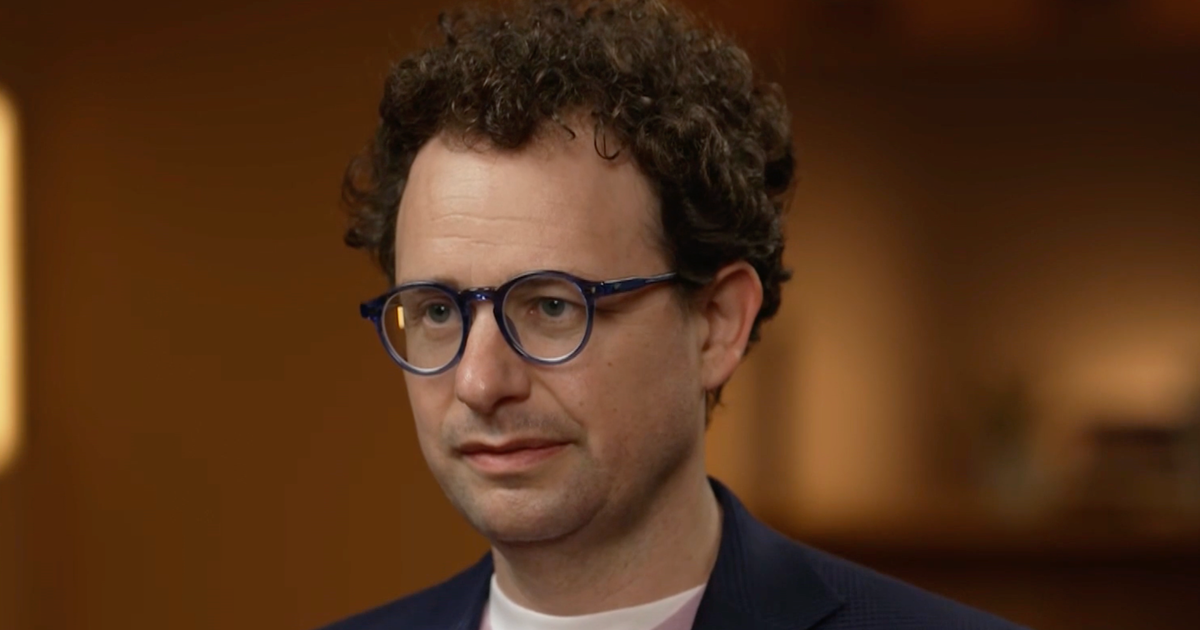
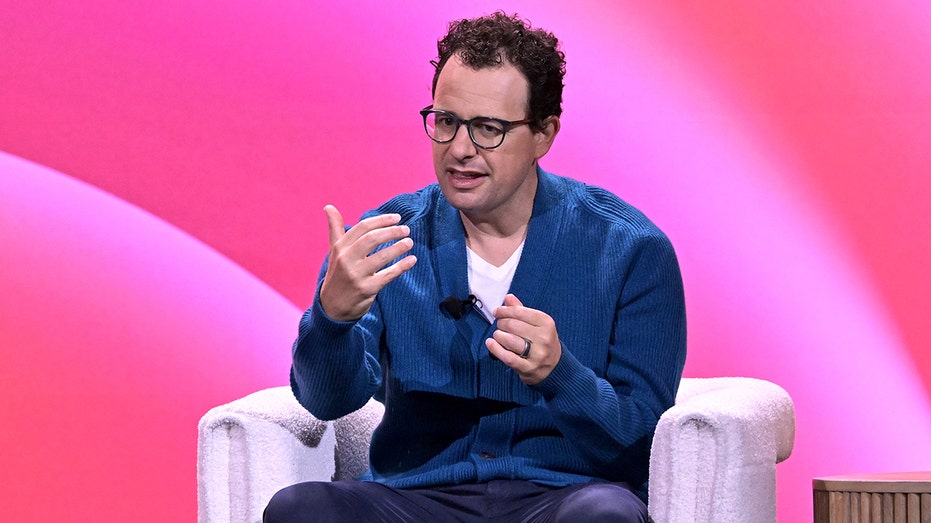
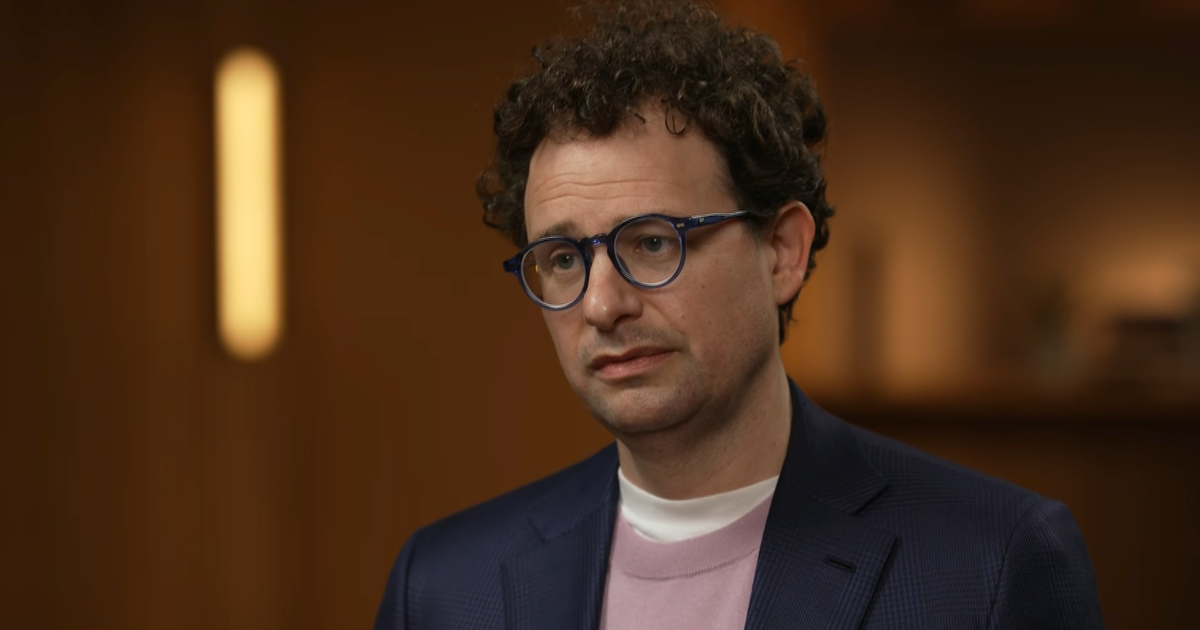
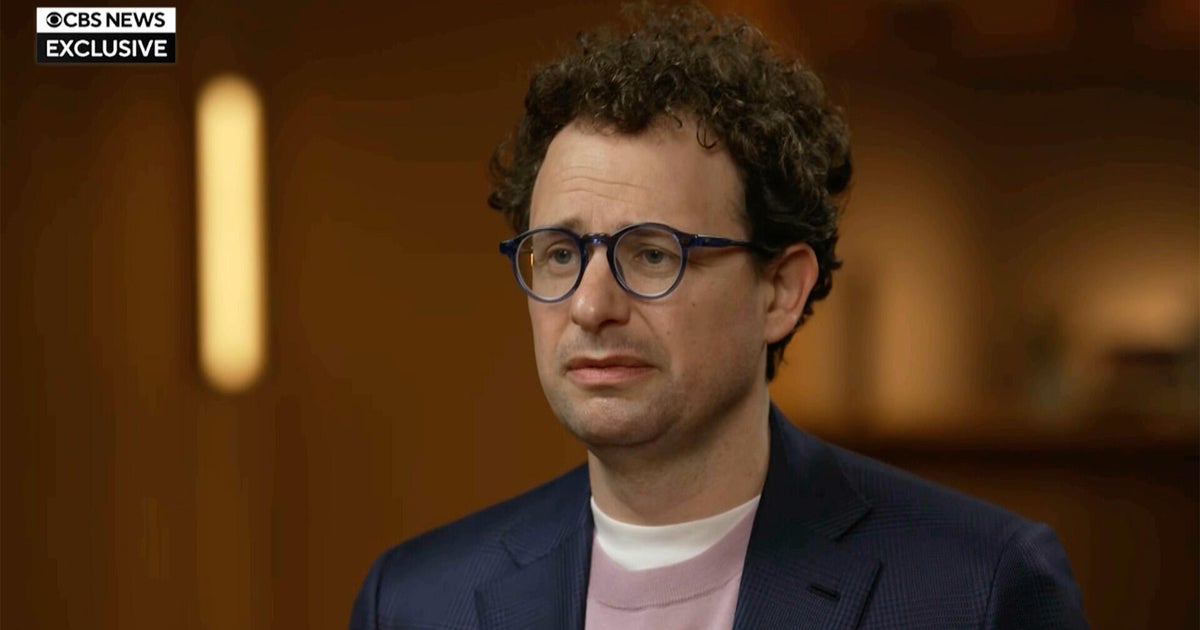
Characterization of Anthropic and its CEO. Liberal coverage generally portrays Dario Amodei and Anthropic as principled actors drawing patriotic "red lines" to defend American values, stressing their opposition to mass surveillance of Americans and to unreliable fully autonomous weapons. Conservative coverage is more skeptical, painting Amodei as naïve, self-aggrandizing, or even dishonest, repeating Pentagon officials’ accusations that he is a "liar" and suggesting he is using ethics as a shield to retain control over powerful technology. Liberals highlight Amodei’s insistence that standing up to government overreach is fundamentally American, while conservatives emphasize that private executives should not override elected leaders and military professionals on matters of warfighting.
Risk framing and national security stakes. Liberal-aligned outlets tend to frame the greatest dangers as domestic civil-liberties abuses, runaway surveillance architectures, and premature deployment of unreliable autonomous weapons, often describing Hegseth’s AI ambitions in alarmist or mocking terms. Conservative reporting more frequently underscores external threats and strategic competition, implying that restricting "all lawful uses" could hamstring the U.S. in a future conflict where adversaries do not share such scruples. Liberals stress the risk of eroding democratic norms and the rule of law at home, whereas conservatives stress the risk of technological self-handicapping that might leave the U.S. military less capable than its rivals.
Power balance between Big Tech and the state. Liberal coverage tends to welcome or at least normalize the idea that leading AI firms can and should impose contractual guardrails on government clients, presenting this as a necessary counterweight when the state seeks overly expansive powers. Conservative outlets are more likely to see this as an unhealthy shift where unelected tech leaders assume veto power over legitimate state functions, arguing that battlefield and intelligence use-of-force decisions must remain in government hands. Liberal stories frame the standoff as a negotiation over a new social contract for AI in which companies have moral agency, while conservative stories warn that allowing corporate red lines could set a precedent that weakens democratic control of national security.
In summary, liberal coverage tends to depict Anthropic as a patriotic check on militarized AI excess and cast the Pentagon’s pressure as retaliatory overreach that endangers civil liberties and ethical norms, while conservative coverage tends to prioritize government flexibility and security needs, portraying the company’s red lines as an inappropriate bid to constrain lawful military choices and undermine elected control over defense policy.
Story coverage

conservative
The Pentagon vs. Anthropic
Turn any article into a podcast. Upgrade now to start listening.
17 days ago