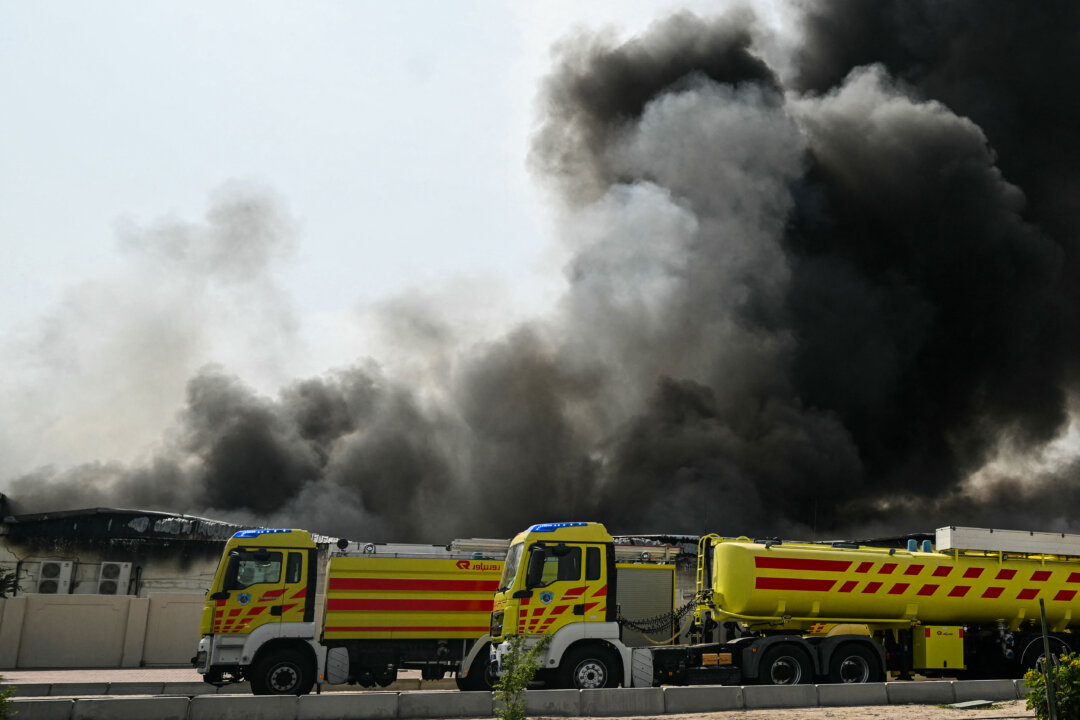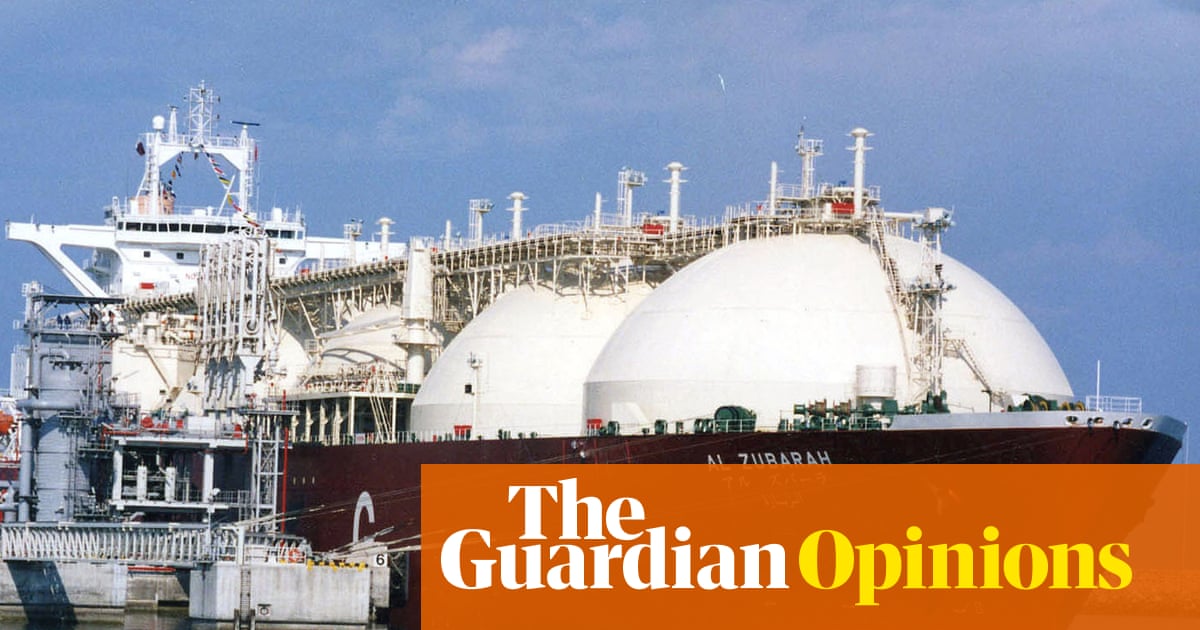

Qatar has halted liquefied natural gas production after coordinated drone and missile attacks on two major export complexes, with facilities at Ras Laffan and Mesaieed reported as primary targets. Liberal and conservative outlets alike agree that the strikes are linked to Iran, describe them as part of a broader round of Iranian military actions in the region, and note that Qatar, as the world’s largest single LNG producer, accounts for roughly 20 percent of global LNG supply. Both sides highlight that the shutdown triggered a sharp spike in European wholesale gas prices, commonly citing jumps in the 45–50 percent range in futures markets, and that U.S. LNG exporters’ shares have risen amid expectations of greater demand for alternative supply.
Coverage across the spectrum underscores that the disruption hits a gas‑centric nerve in the global energy system, with Europe and Asia portrayed as the most exposed buyers given their heavy reliance on Qatari LNG cargoes. Outlets broadly agree that while oil markets have reacted, the more acute risk lies in natural gas, especially if tensions in the Persian Gulf and any constraints around the Strait of Hormuz persist or worsen. There is shared acknowledgment that this episode comes on top of earlier supply shocks from Russia’s war in Ukraine, leaving European energy security fragile and raising the prospect of renewed price pressure on households and industry heading into future heating seasons.
Areas of disagreement
Culpability and framing of Iran. Liberal-aligned outlets tend to frame the attacks as part of Iran’s broader retaliatory cycle in the region, emphasizing escalation dynamics, regional grievances, and the risk of a widening conflict rather than dwelling on moral condemnation. Conservative coverage more sharply foregrounds Iran’s responsibility, characterizing the strikes as deliberate aggression against global energy infrastructure and highlighting Tehran’s role as a destabilizing actor. Where liberal pieces stress the chain of prior confrontations and tit-for-tat strikes, conservative pieces stress deterrence, accountability, and the need for a firmer response to Iranian actions.
Energy security emphasis. Liberal sources typically situate the LNG shutdown within a broader narrative of structural energy vulnerability, linking it to Europe’s post‑Ukraine reorientation away from Russian gas and to systemic overreliance on fossil fuel imports. Conservative outlets, while acknowledging vulnerability, put more weight on immediate market impacts—price spikes, supply squeezes, and the need to secure alternative gas flows—often highlighting opportunities for expanded U.S. production and exports. The liberal discussion leans toward long‑term diversification and resilience, whereas conservative reporting leans toward bolstering traditional supply chains and domestic production capacity.
Economic and political consequences. Liberal coverage tends to stress the downstream social and economic effects on European and Asian consumers, warning of potential spikes in household energy bills and industrial costs, and raising concerns about inequality and political backlash. Conservative reporting is more likely to stress macroeconomic risks, such as inflation, competitiveness, and strain on Western allies, and to connect these to broader critiques of current Western energy and foreign policies. While liberals foreground the risk of hardship and renewed debates over climate and energy transitions, conservatives foreground strategic vulnerability, market instability, and the potential need to reassess sanctions, defense posture, or regulatory burdens.
Policy prescriptions and lessons. Liberal-aligned outlets generally use the incident to argue for accelerated diversification away from volatile hydrocarbon suppliers, greater investment in renewables, and diplomatic de‑escalation in the Gulf to stabilize energy flows. Conservative sources, in contrast, more often argue that the lesson is to expand secure fossil fuel supply from friendly or domestic sources, streamline approvals for LNG infrastructure, and adopt a tougher posture toward Iran and its proxies. Where liberals frame the crisis as evidence of the fragility of the fossil‑fuel‑centric system, conservatives frame it as evidence of the dangers of underinvestment in conventional energy and insufficient deterrence against hostile states.
In summary, liberal coverage tends to interpret the halt in Qatari LNG production primarily as a symptom of deeper geopolitical instability and structural dependence on imported fossil fuels that calls for de‑escalation and energy transition, while conservative coverage tends to treat it as a security and supply shock driven by Iranian aggression that underscores the need for stronger deterrence and expanded reliable fossil fuel production.
Story coverage