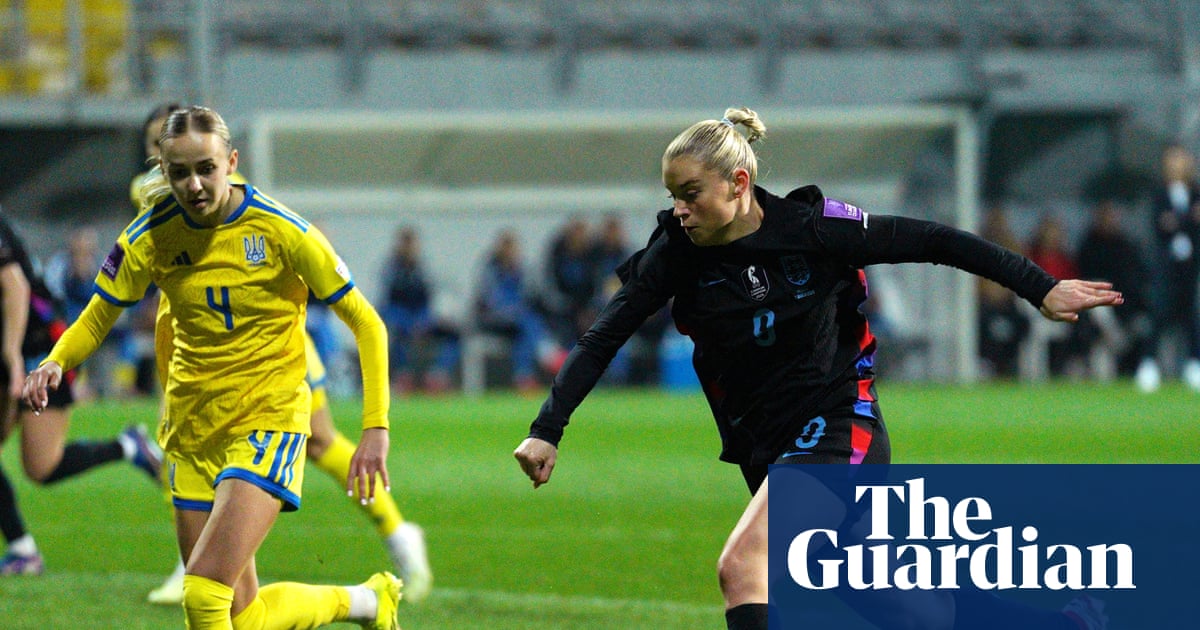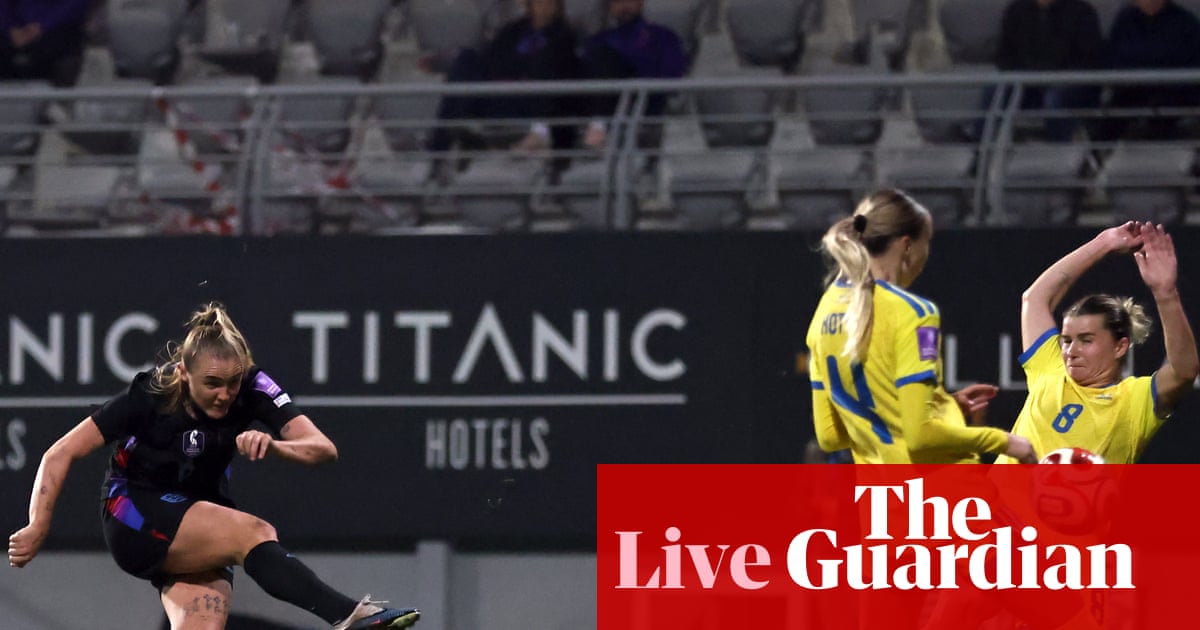
England’s 6-1 win over Ukraine in Women’s World Cup qualifying is described across liberal- and conservative-leaning coverage as a dominant result built on a second‑half surge after a frustrating, goalless first half. Reports agree that Alessia Russo, Georgia Stanway, and Jess Park each scored twice, that England controlled possession throughout, and that Sarina Wiegman’s side turned chances into goals after halftime to complete a commanding scoreline. There is cross‑outlet consensus that the match was technically a Ukraine home fixture but played on neutral ground in Turkey due to the ongoing war, that England used the game as the opening step in their qualifying campaign, and that the lopsided result underlined the talent gap between the teams.
Outlets across the spectrum also concur that Wiegman’s tactical tweaks, particularly the decision to switch wingers and adjust attacking patterns, were pivotal in breaking Ukraine’s resistance. They note that the match sits within a longer arc of England’s rise in women’s football under Wiegman, with qualification framed as a stepping stone toward the next World Cup finals in Brazil in a group expected to feature strong opponents such as Spain. Shared context highlights the disruption to Ukraine’s preparation caused by the war, the symbolic nature of their participation despite displacement, and the broader growth and professionalization of European women’s football that has enabled England to field a deep, clinical squad.
Areas of disagreement
Framing of the result. Liberal-aligned sources tend to frame the 6-1 scoreline as a story of England’s expressive attacking football, technical superiority, and tactical evolution under Wiegman, using the margin to underscore structural investment in the women’s game. Conservative-leaning coverage is more likely to treat the result as routine business for a top-tier side facing a disrupted opponent and may place more emphasis on the expected nature of the win rather than its aesthetic or symbolic dimensions. While liberal outlets dwell on the interplay and individual flair of players such as Russo and Stanway, conservative ones more often compress the narrative into a brief confirmation that England took care of an overmatched Ukraine.
War and competitive imbalance. Liberal sources generally foreground the impact of the war in Ukraine, stressing that playing in Turkey, disrupted training, and emotional strain exacerbated the competitive gap, and they frame Ukraine’s participation as an act of resilience. Conservative coverage, when it mentions the conflict, tends to do so more tersely, casting it as relevant background but not an explanatory centerpiece for the heavy defeat. This leads liberals to interpret the scoreline partly through humanitarian and geopolitical lenses, while conservatives more often treat the war as context rather than a primary cause of the on-field disparity.
Emphasis on women’s football development. Liberal-leaning coverage frequently ties the match to broader narratives about investment in women’s sport, equality of resources, and institutional backing from the English FA, using England’s quality as evidence that systemic support yields results. Conservative-leaning outlets are more prone to focus on the immediate competitive implications—qualification pathways, group standings, and managerial decisions—without elaborating on gender equity or funding debates. As a result, liberals use the fixture to argue for continued or expanded support for women’s programmes, whereas conservatives more often present it as one match in a straightforward sporting calendar.
Individual players and role models. Liberal coverage typically devotes more space to profiling players such as Russo, Stanway, and Park as role models, emphasizing their journeys, visibility for young girls, and symbolic importance for women’s empowerment. Conservative coverage is likelier to mention scorers and key contributors in a box-score style, focusing on efficiency and performance metrics over narrative arcs about representation. This means liberal outlets treat the hat-trick of braces as a platform for discussing leadership, identity, and inspiration, while conservative ones mainly treat those same performances as evidence of squad depth and selection vindication.
In summary, liberal coverage tends to embed England’s 6-1 win in narratives about women’s sport development, wartime resilience, and player visibility, while conservative coverage tends to streamline the story into a largely expected qualifying victory shaped by tactics, execution, and tournament logistics.