

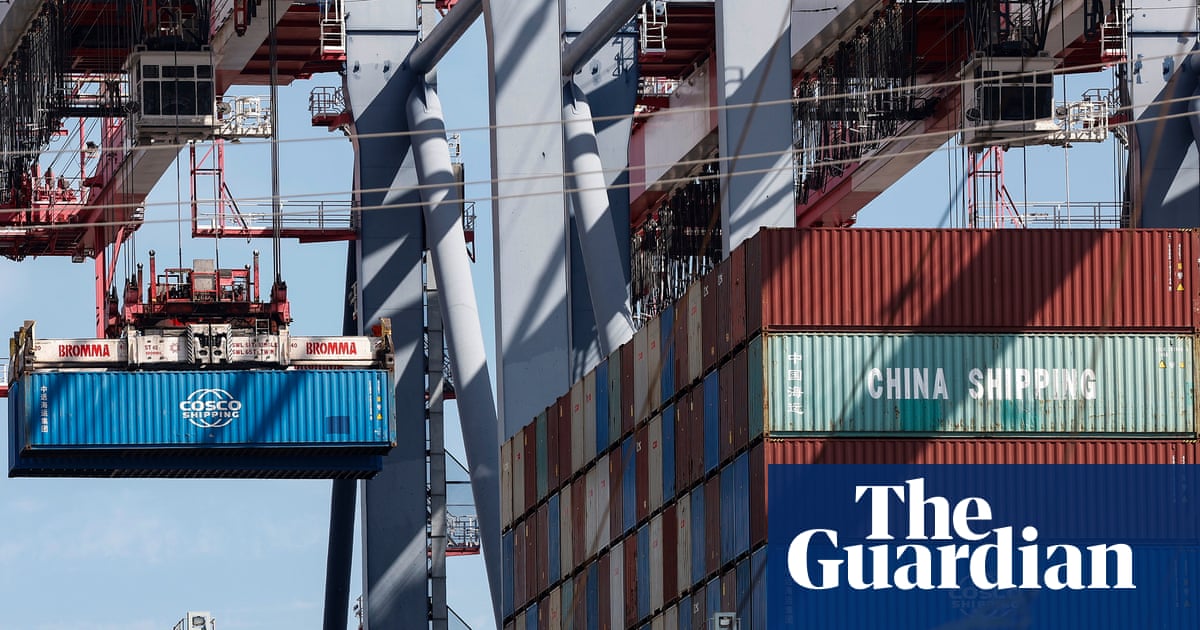
A federal trade judge, Richard Eaton of the U.S. Court of International Trade, has ordered the federal government to refund massive sums—commonly cited in the tens to more than one hundred billion dollars—in tariffs that were imposed during the Trump administration and later deemed unlawful. The tariffs, collected on tens of millions of import entries under authorities including the International Emergency Economic Powers Act, were previously struck down by the Supreme Court, which found the president lacked authority for those specific duties; the new order clarifies that importers are entitled to get that money back with interest. U.S. Customs and Border Protection has told the court that complying is unprecedented in scale, involving manual or semi-manual review of roughly 50–70 million entries, and is not technically possible under existing systems to do instantly, even as the agency projects it can start issuing refunds after system upgrades.
Coverage across the spectrum agrees that this dispute sits at the intersection of presidential trade powers, judicial review, and the operational limits of CBP’s legacy systems. Both sides describe the case as a follow-on to the Supreme Court’s invalidation of the tariffs, with the trade court now converting that ruling into a concrete, system-wide refund process. They also agree that the ruling could reshape how future administrations use emergency trade authorities, by signaling that overreach can trigger years-later clawbacks on a colossal scale and force the government to modernize customs technology and procedures to handle bulk corrections, interest calculations, and mass reimbursements.
Areas of disagreement
Framing of the tariffs and legality. Liberal-aligned outlets tend to emphasize that the tariffs were clearly illegal from the outset, stressing the Supreme Court’s finding that Trump exceeded his authority and framing the refunds as a victory for rule of law and institutional checks on presidential trade powers. Conservative outlets, where they address the issue, more often describe the duties as tariffs that were later “invalidated” by courts, softening the implication of deliberate overreach and framing the outcome as a legal reversal rather than a glaring abuse.
Emphasis on harm and beneficiaries. Liberal coverage foregrounds the economic damage to importers and downstream businesses, highlighting that companies are now “entitled” to restitution and that the government could owe up to roughly $150–$175 billion plus interest. Conservative coverage focuses less on corporate relief and more on the administrative burden and complexity for CBP, casting the story as a bureaucratic implementation challenge rather than primarily as redress for harmed firms.
Portrayal of the Trump administration. Liberal sources tie the case directly to Trump’s broader tariff agenda, presenting the refunds as a costly consequence of his aggressive, unilateral trade moves and as evidence that his trade war was not only economically harmful but also unlawful in key respects. Conservative sources, when mentioning Trump at all, tend to do so briefly and neutrally, avoiding sweeping judgments about his trade policy and instead centering on institutional process issues and the technical compliance timeline for CBP.
Role and criticism of government agencies. Liberal coverage scrutinizes both the Trump White House that initiated the tariffs and the current federal apparatus now scrambling to unwind them, questioning why systems were not built to prevent or quickly correct such overreach and suggesting the need for structural reforms. Conservative coverage tends to be more sympathetic to CBP, highlighting officials’ explanations about outdated technology, data volume, and manpower limits, and portraying the agency as overburdened by a court order that does not fully account for operational realities.
In summary, liberal coverage tends to spotlight the ruling as a major legal and financial reckoning for Trump’s trade overreach and as overdue relief for affected businesses, while conservative coverage tends to downplay Trump’s culpability and focus on the logistical strain and institutional challenges facing CBP as it tries to comply with an enormous court-ordered refund process.
Story coverage