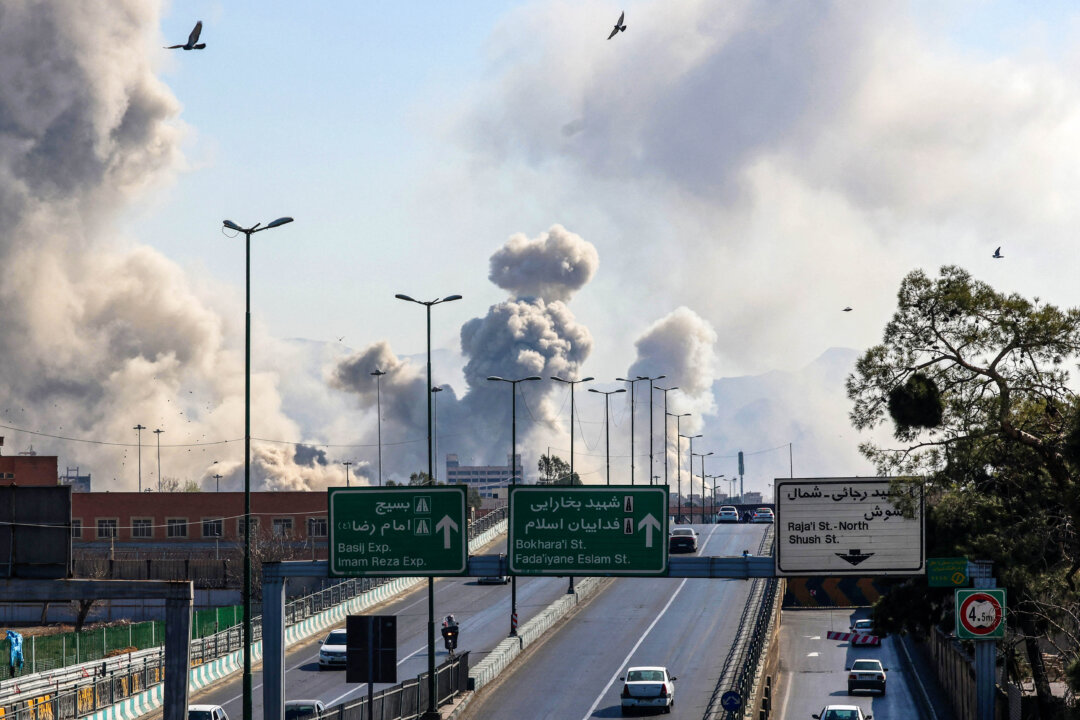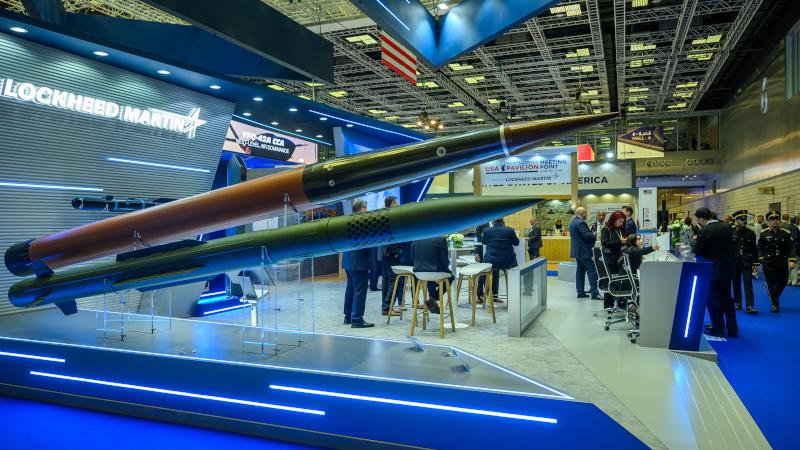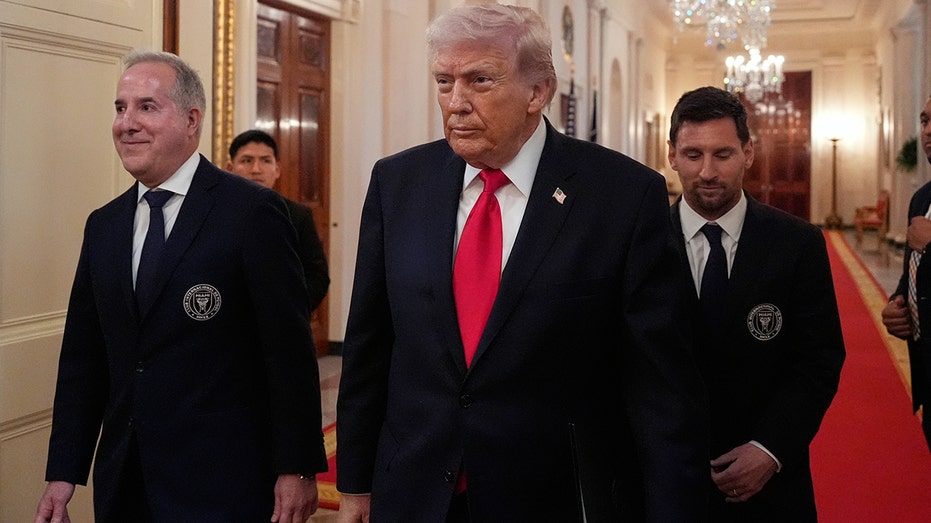


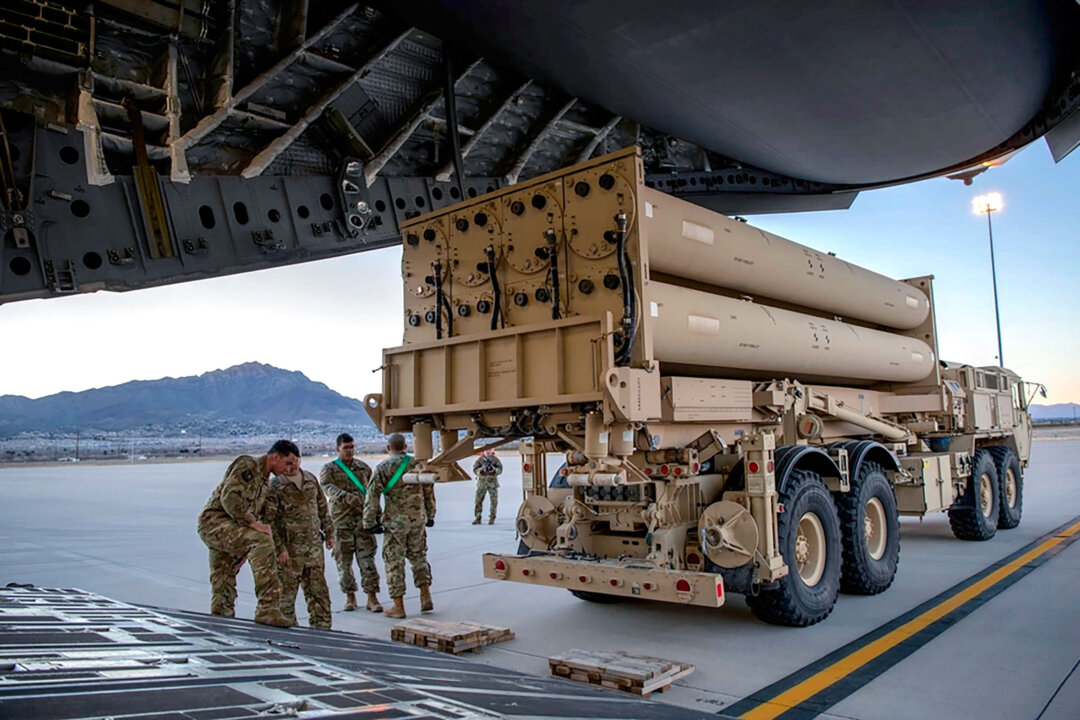
President Donald Trump met at the White House with CEOs and top executives from major U.S. defense and munitions companies to discuss a substantial ramp-up in weapons manufacturing, with both liberal and conservative outlets agreeing that the goal is to roughly quadruple production of high-end or “Exquisite Class” weaponry and munitions. Coverage from both sides notes that the meeting was scheduled in advance, that it comes during the second week of the U.S. war with Iran under Operation Epic Fury, and that it follows concerns about the rate at which U.S. forces are expending missiles and bombs. Both describe White House messaging that U.S. stockpiles remain adequate while emphasizing Trump’s directive to expand the defense industrial base, and both acknowledge that production lines and plant expansions tied to a broader acceleration program had already begun before this latest meeting.
Across the ideological spectrum, outlets place the developments within the broader framework of the U.S. military-industrial complex, the logistics of sustaining a major air and missile campaign against Iran, and long-running worries about munitions shortfalls. They agree that Operation Epic Fury has involved thousands of strikes on Iranian Revolutionary Guard targets, that the administration seeks to ensure continued capacity to supply U.S. and potentially allied forces in multiple theaters, and that defense firms have strong financial incentives to scale up production. There is shared recognition that Trump’s posture—refusing a negotiated end to the conflict and conditioning any halt in operations on Iran effectively ending its threat to the United States—shapes the urgency of the production surge. Both sides also highlight the institutional interplay between the White House, the Pentagon, and large contractors in driving rapid shifts in defense output.
Areas of disagreement
Motives and framing of the production surge. Liberal sources portray the push to quadruple production as tightly linked to an avoidable escalation with Iran and as emblematic of an entrenched military-industrial complex benefiting from prolonged conflict, while conservative outlets frame it as a necessary, overdue strengthening of deterrence and warfighting capacity. Liberal coverage is more likely to question whether the scheduling “weeks ago” spin disguises a reactive response to munitions burn rates, whereas conservative pieces present the meeting as a planned step in a coherent buildup strategy. Conservatives emphasize urgency and resolve in wartime leadership, while liberals stress the risks of normalizing continuous high-level weapons output.
Assessment of risk and sustainability. Liberal reporting tends to highlight concerns about long-term sustainability of missile and bomb inventories, the strain on dual-use systems needed in other theaters, and the possibility that aggressive expansion locks the U.S. into a cycle of perpetual readiness for large-scale war. Conservative outlets acknowledge questions about stockpile sustainability but generally downplay immediate risk, instead underscoring assurances that current reserves are sufficient and that scaling up production is a responsible hedge. While liberals focus on potential overextension and escalation dynamics, conservatives stress closing capability gaps and preventing adversaries from exploiting any perceived weakness.
Economic and corporate implications. Liberal-aligned coverage scrutinizes the financial upside for defense firms, noting indices like the Goldman Sachs defense basket poised for gains and implying that corporate profit motives may influence policy choices and war duration. Conservative sources mention strong defense-sector performance more neutrally or positively, framing it as evidence of a robust industrial base and job creation rather than a conflict of interest. Liberals are more inclined to question whether surging production primarily serves shareholders and executives, while conservatives depict it as aligning national security needs with healthy domestic industry.
Endgame and war objectives. Liberal outlets cast Trump’s insistence on Iran’s unconditional surrender and rejection of a negotiated settlement as a maximalist stance that could prolong fighting and deepen reliance on expanded weapons production. Conservative reporting tends to justify unconditional surrender as a clear standard for ending Iran’s threat, presenting the production surge as the material backbone needed to achieve decisive victory and compel compliance. Where liberals see an open-ended commitment that raises humanitarian and geopolitical concerns, conservatives see firm resolve intended to shorten the conflict by denying Iran any leverage.
In summary, liberal coverage tends to emphasize escalation risks, corporate profiteering, and the dangers of tying industrial policy to open-ended war aims, while conservative coverage tends to highlight strategic necessity, deterrence, and the virtues of a robust defense industry backing a hard line against Iran.
Story coverage