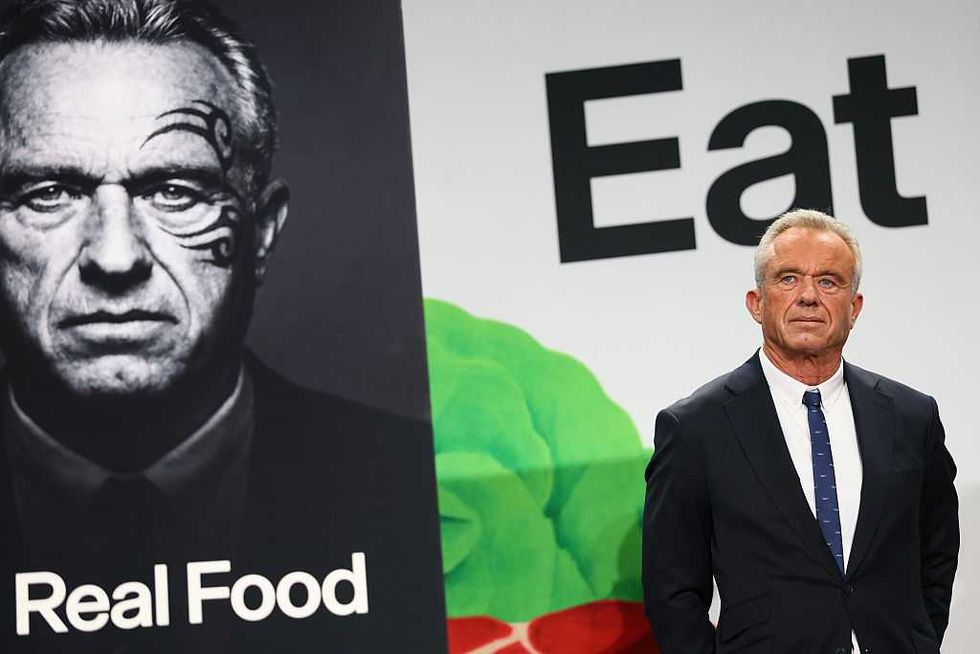

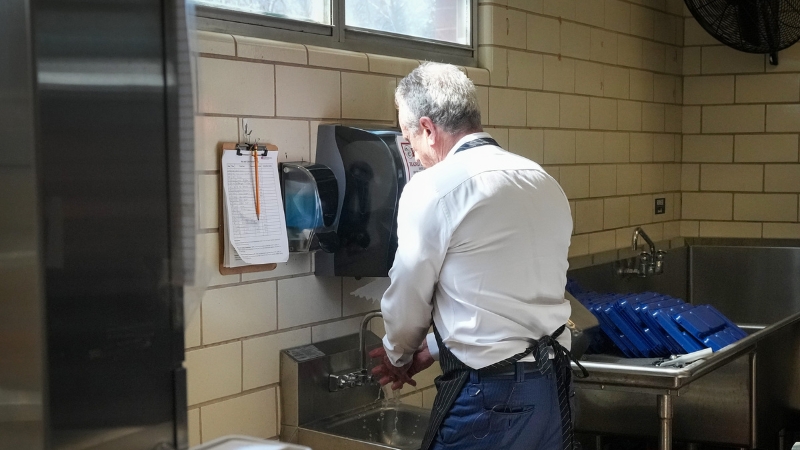
Robert F. Kennedy Jr. has announced a federal "Make America Healthy Again" cooking initiative, described in conservative coverage as operating through agencies such as the Department of Health and Human Services or the Department of Agriculture, to teach Americans basic cooking skills and reduce dependence on ultra-processed foods. Reports agree that the program’s goals include improving nutrition, lowering chronic disease rates tied to diet-related conditions, and encouraging families to cook and eat together at home rather than relying on fast food or highly processed convenience foods.
Across the spectrum, coverage situates the initiative within a broader debate about the American food system, diet-related illness, and lifestyle-driven health outcomes. Both sides acknowledge longstanding concerns about corporate-driven food models, rising chronic disease burdens like obesity and diabetes, and the loss of home-cooking know-how over recent decades, and they frame the initiative as part of wider reform conversations that include food policy, public health education, and community-based approaches to rebuilding healthier eating habits.
Areas of disagreement
Framing of government’s role. Liberal-aligned outlets tend to frame such proposals as part of a comprehensive public health and social-welfare approach in which government not only teaches cooking but also regulates industry, expands benefits, and addresses structural food inequities. Conservative outlets emphasize the initiative as a relatively lean, culture-shaping intervention that empowers individuals with skills rather than expanding regulatory burdens or government mandates, casting it as a personal responsibility and family-strengthening effort.
Cultural and political symbolism. Liberal coverage is more likely to situate the plan in the context of technocratic health policy and evidence-based nutrition programs, downplaying culture-war implications and treating cooking classes as one tool among many to tackle systemic health disparities. Conservative coverage, by contrast, highlights the cultural symbolism of “letting the man cook,” presenting Kennedy’s emphasis on shared family meals and ritual as a quiet but radical rejection of corporate food culture and atomized modern life, and as a return to traditional household practices.
Economic and corporate critique. Liberal-leaning sources generally stress the need to confront food deserts, corporate consolidation, and predatory marketing in tandem with any cooking campaign, suggesting that without stronger constraints on large food companies the impact of skills training will be limited. Conservative sources tend to nod at corporate influence but foreground the idea that knowledge, choice, and personal initiative can significantly offset corporate incentives, portraying the initiative as a way to bypass rather than heavily regulate big food interests.
Assessment of impact and priorities. Liberal-leaning commentary is more likely to question whether a cooking initiative alone can substantially reduce chronic disease without parallel reforms in healthcare access, wages, and social safety nets, and may treat it as symbolically positive but insufficient. Conservative coverage tends to present the plan as one of Kennedy’s most promising and innovative ideas, suggesting that widespread skill-building and cultural change around cooking could have outsized effects on health outcomes even in the absence of sweeping new entitlement or regulatory programs.
In summary, liberal coverage tends to treat the cooking initiative as a modest, potentially useful component of a much larger structural public health agenda whose success depends on broader economic and regulatory reforms, while conservative coverage tends to celebrate it as a culturally resonant, individual-empowering move that pushes back against corporate food dominance and overreliance on expansive state solutions.