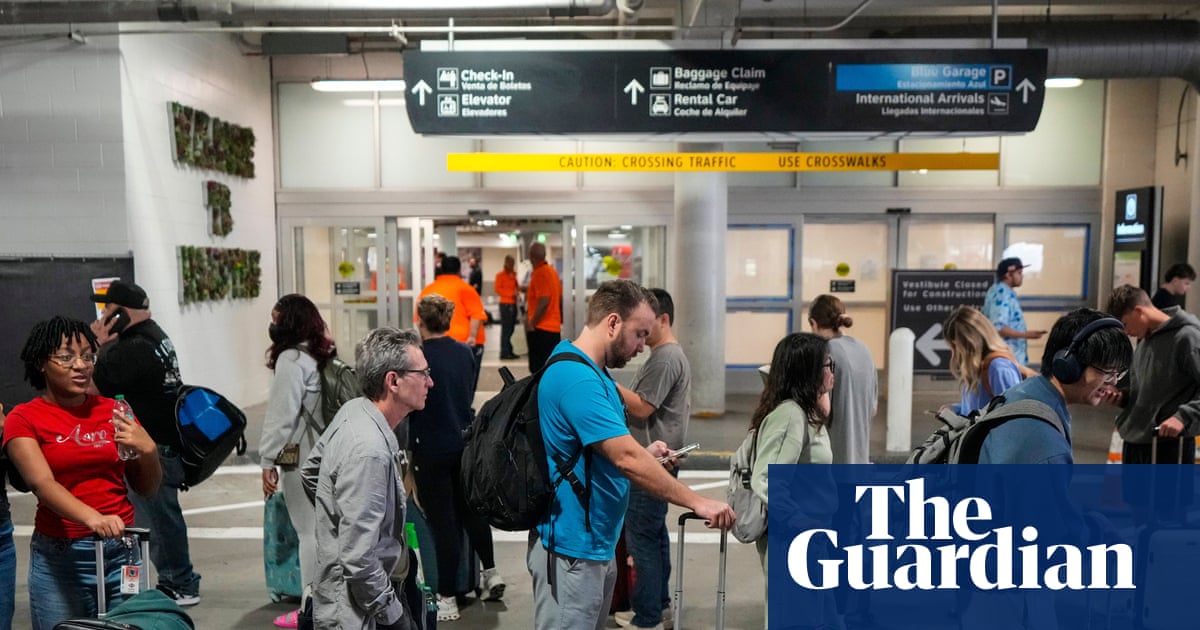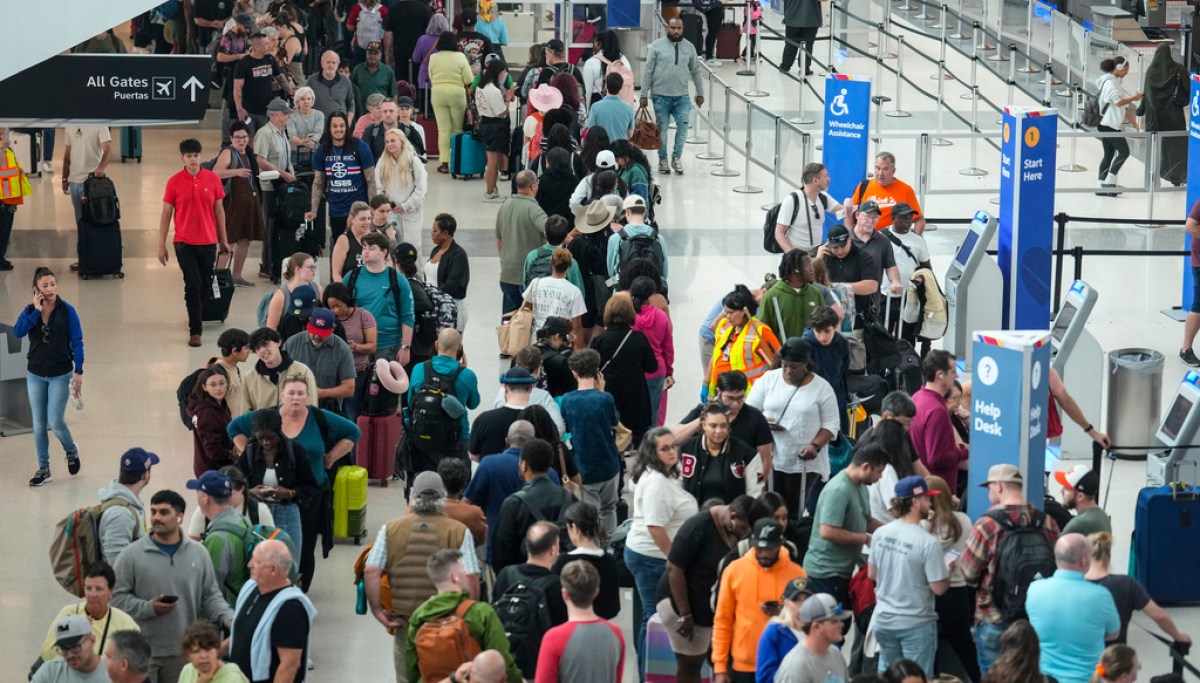


Airport security lines at multiple U.S. airports, including major hubs in Houston and New Orleans, have stretched for hours as the Department of Homeland Security experiences a funding lapse tied to a broader government shutdown. Both liberal and conservative outlets report that the Transportation Security Administration is operating with reduced staffing because many officers are either working without pay or calling out, leading to missed flights, bottlenecks at checkpoints, and mounting frustration for travelers during the peak spring break travel period.
Coverage across the spectrum agrees that the combination of the DHS funding lapse and high seasonal travel volumes is driving the problem, with TSA’s dependence on frontline staff who are legally required to work but are not being paid cast as a central vulnerability. Outlets on both sides describe the situation as a tangible consequence of a partial government shutdown that directly impacts airport operations, national security procedures, and the financial strain on TSA workers, while also acknowledging that the issue fits into a recurring pattern of shutdown politics where essential security functions are used as leverage in funding disputes.
Areas of disagreement
Responsibility and blame. Liberal-aligned outlets frame the long lines primarily as a systemic failure of shutdown politics and an unavoidable outcome of forcing essential workers to stay on the job without pay, with less emphasis on any single party as the culprit. Conservative outlets, echoing DHS leadership, spotlight Democrats as directly responsible for the funding lapse, arguing that their refusal to approve DHS funding is causing the chaos, missed flights, and financial hardship for TSA staff. While liberals discuss the shutdown as a bipartisan or structural breakdown, conservatives more explicitly personalize responsibility to Democratic lawmakers.
Framing of the shutdown’s purpose. Liberal coverage tends to portray the shutdown and DHS funding lapse as a dysfunctional bargaining tactic in a broader political standoff, focusing on how workers and travelers are collateral damage rather than on the political objectives behind the standoff. Conservative coverage, by contrast, presents the lapse as the result of Democrats blocking what they characterize as necessary national security funding, suggesting that opponents are effectively holding security and travelers hostage to gain leverage on other issues. Thus, liberals emphasize the human and operational costs of the shutdown, whereas conservatives emphasize the shutdown as a consequence of Democrats obstructing a legitimate security agenda.
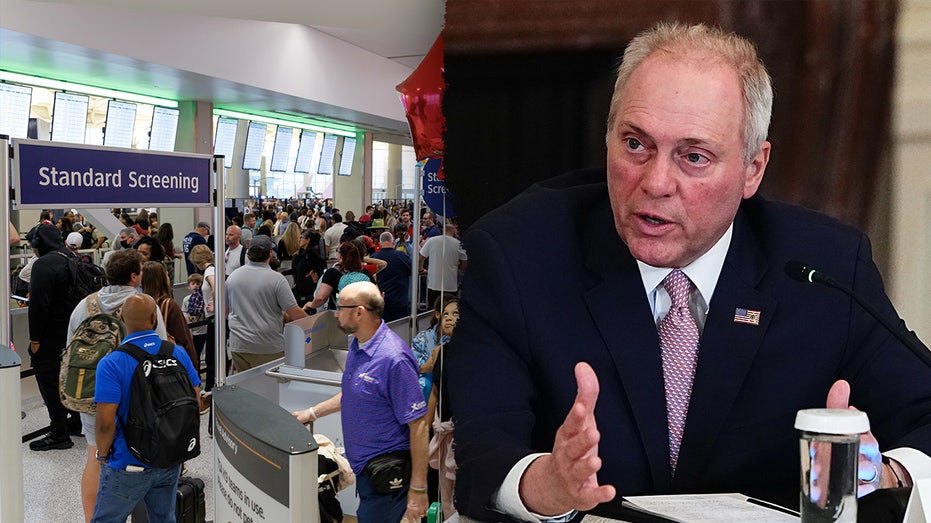
Characterization of DHS and TSA. Liberal-aligned sources generally treat DHS and TSA staff as overburdened public servants unfairly forced into unpaid work, with the agencies themselves portrayed as caught in the middle of a political fight. Conservative outlets highlight DHS as an active political actor that is "hammering" Democrats and warning of national security risks, aligning the department’s public messaging with a tougher critique of Democratic leaders. In liberal reporting, TSA and DHS are institutional victims of gridlock; in conservative reporting, DHS is also a megaphone amplifying partisan blame and underscoring the urgency of restoring funding.
Scale and political meaning of disruption. Liberal coverage underscores the immediate traveler impact at specific airports like Houston and New Orleans and treats the delays as a concrete but somewhat predictable symptom of underfunding and overwork. Conservative coverage tends to broaden the narrative to "airport chaos," using the scenes of long lines as emblematic of a wider governance failure caused by one side’s intransigence and as a key pressure point in the shutdown debate. Liberals lean toward describing a serious operational strain that reflects structural vulnerabilities, while conservatives frame the disruptions as a high-visibility crisis that validates their argument for swift approval of DHS funding on their terms.
In summary, liberal coverage tends to depict the growing airport security lines as a structural consequence of shutdown politics and the strain placed on unpaid frontline workers, while conservative coverage tends to cast the same disruptions as a crisis engineered by Democratic resistance to DHS funding and as validation of their broader national security messaging.