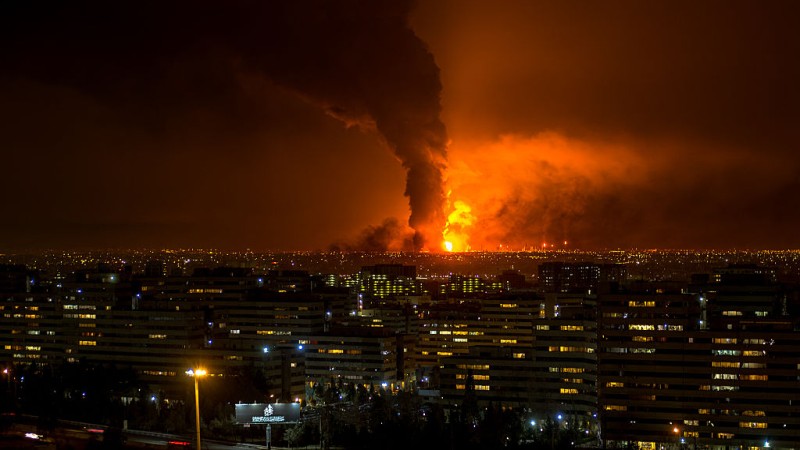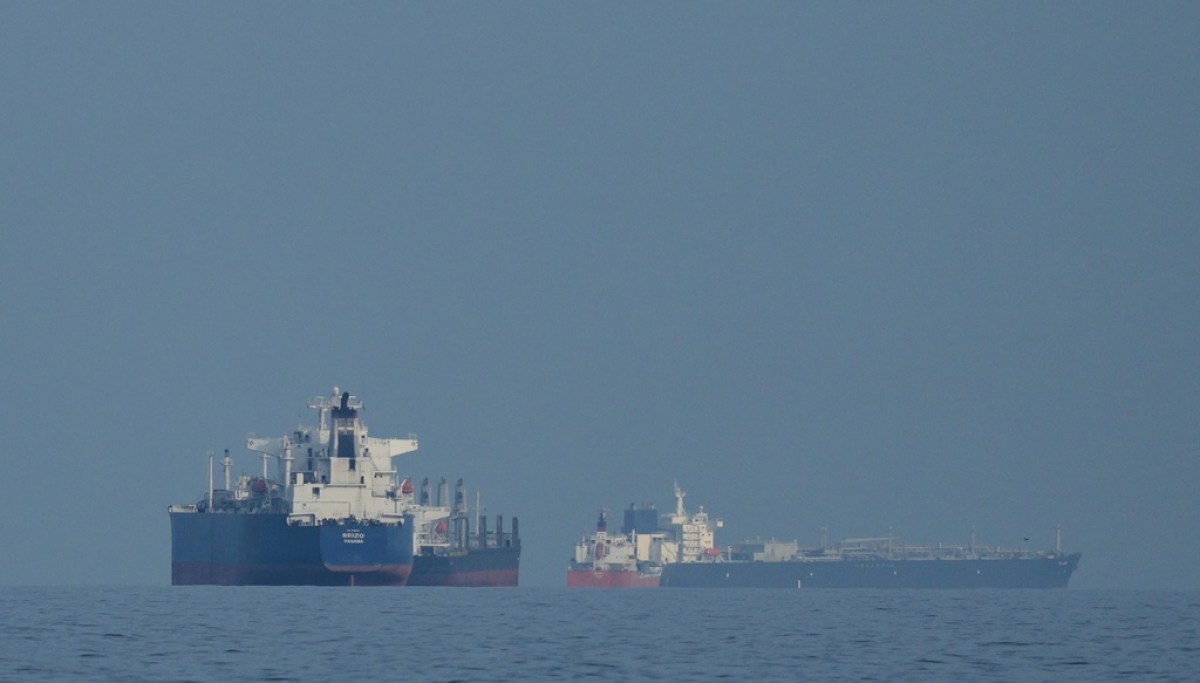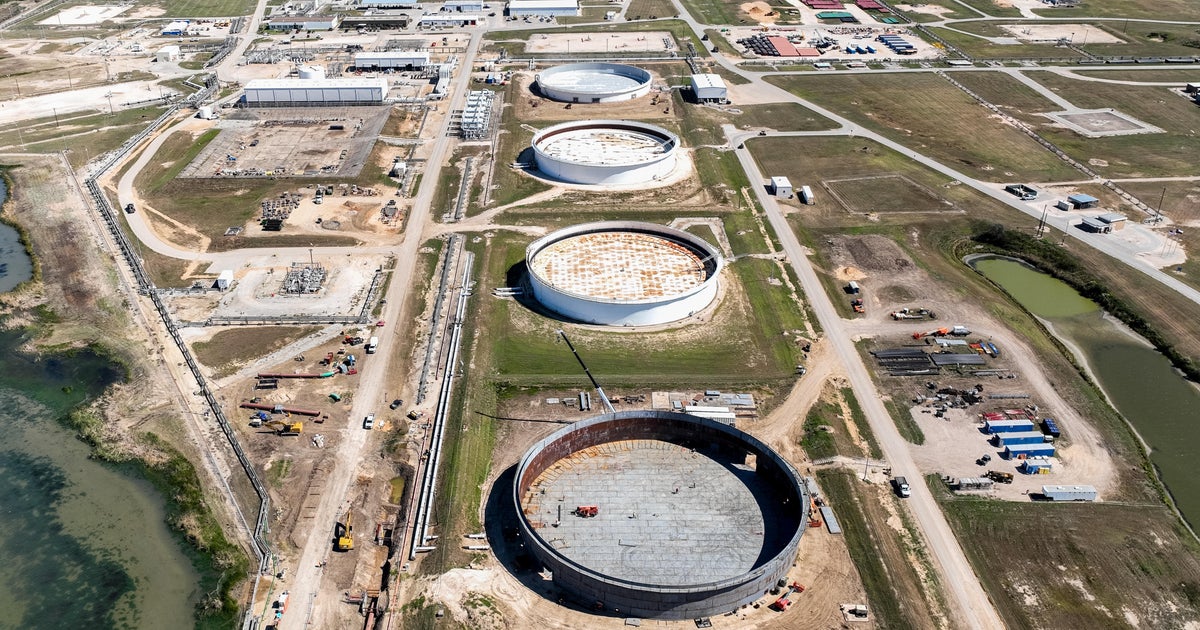




The liberal and conservative outlets agree that the International Energy Agency has coordinated the largest release of emergency oil reserves in its history, totaling roughly 400 million barrels. Both sides report that this is a collective move by IEA member countries to counter steep price spikes and supply disruptions linked to the war involving Iran and attacks in and around the Strait of Hormuz, a key chokepoint where roughly 15 million barrels per day of crude flows have been halted or severely disrupted. They concur that the decision was made unanimously by IEA members, that key countries such as the UK, Japan, South Korea, Germany, and others are contributing specified amounts from their strategic reserves, and that the released oil represents only a few days of global demand. Coverage from both camps highlights that the IEA’s goal is to stabilize energy markets, limit economic damage from soaring oil prices, and reassure consumers and businesses about energy security.
Across the spectrum, outlets emphasize that this release is an extraordinary tool used only in rare crises and that its effectiveness depends on developments in the conflict and in shipping through the Strait of Hormuz. Both liberal and conservative reports describe the IEA as a central institution created to manage major supply shocks and note that the current move echoes past emergency drawdowns, but on a much larger scale. They agree that the fundamental constraint is not only the volume of reserves but also the ability to move oil to where it is needed while tankers avoid attack risks. There is shared acknowledgment that sustained price relief and normal market conditions ultimately require resumption of safe tanker traffic and cooperation from major non-IEA producers and consumers, including countries like China, as well as broader diplomatic or military de-escalation around Iran.
Areas of disagreement
Causes and culpability. Liberal-aligned coverage tends to frame the crisis as a consequence of the US-Israeli campaign against Iran and the effective closure or blockade of the Strait of Hormuz, sometimes referring to a US-Israel war on Iran that has triggered market panic. Conservative outlets more often speak in broader terms of a “war in Iran” or conflict in the Strait of Hormuz, stressing Iran’s naval mining and threats of $200 oil, and highlighting Iranian actions as the primary destabilizing factor. While liberals emphasize how aggressive Western strikes and fears of escalation have spooked shippers and traders, conservatives foreground Iran’s maritime behavior and drone programs as the main cause of shipping disruptions and price surges.
Policy framing and effectiveness. Liberal sources frequently treat the IEA release as a necessary, solidarity-based emergency measure aimed at protecting consumers and global economic stability, while also raising questions about whether even 400 million barrels can meaningfully lower fuel prices given the scale of lost supply. Conservative coverage more often presents the move in transactional market terms, noting it only covers about four days of global demand and emphasizing that it may offer limited or temporary relief from “soaring” or “record” prices. Liberal outlets dwell on technical constraints like transportation bottlenecks and storage limits, whereas conservatives spotlight the symbolic scale of the release and tie its effectiveness primarily to how long the conflict and blockade conditions persist.
Domestic political and leadership angles. Liberal reporting largely keeps the focus on the multilateral IEA system, emergency planning, and global energy governance, mentioning national governments mainly as cooperative participants. Conservative pieces more readily weave in domestic US politics, referencing the Trump and Biden administrations, past strategic reserve decisions, and critics of previous SPR releases. In this telling, the IEA move becomes part of a broader narrative about energy leadership, with conservatives underlining that the current US administration has not yet tapped the Strategic Petroleum Reserve in this episode, contrasting it with prior Democratic actions that were portrayed as politically driven or imprudent.
Security narrative and tone. Liberal coverage typically adopts a technocratic and economic tone, focusing on how the war and attacks have “shocked” markets and unsettled energy security, with concern about humanitarian and economic fallout but less graphic treatment of military operations. Conservative outlets, by contrast, lean into a more overt security narrative: detailing mine-laying, drone strikes, destroyed vessels, casualty reports, and pundit warnings of the “most intense day” of operations to come, against which the oil release is a stabilizing countermeasure. While liberals stress global governance, market stability, and long-run price uncertainty, conservatives stress imminent military escalation and risk of extreme price spikes, framing the IEA action as a defensive move in a high-stakes geopolitical confrontation.
In summary, liberal coverage tends to portray the record IEA oil release as a multilateral, technocratic response to a crisis heavily shaped by Western-Iranian military escalation and structural market vulnerabilities, while conservative coverage tends to situate the move within a more hard-edged security and domestic political narrative that emphasizes Iranian aggression, looming military drama, and the limits of emergency reserves in offsetting war-driven price shocks.
Story coverage