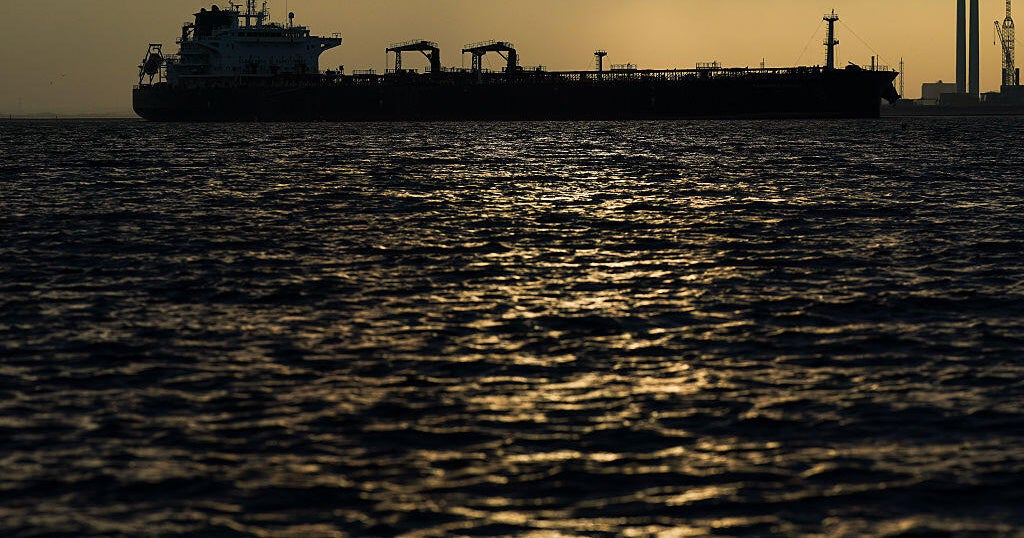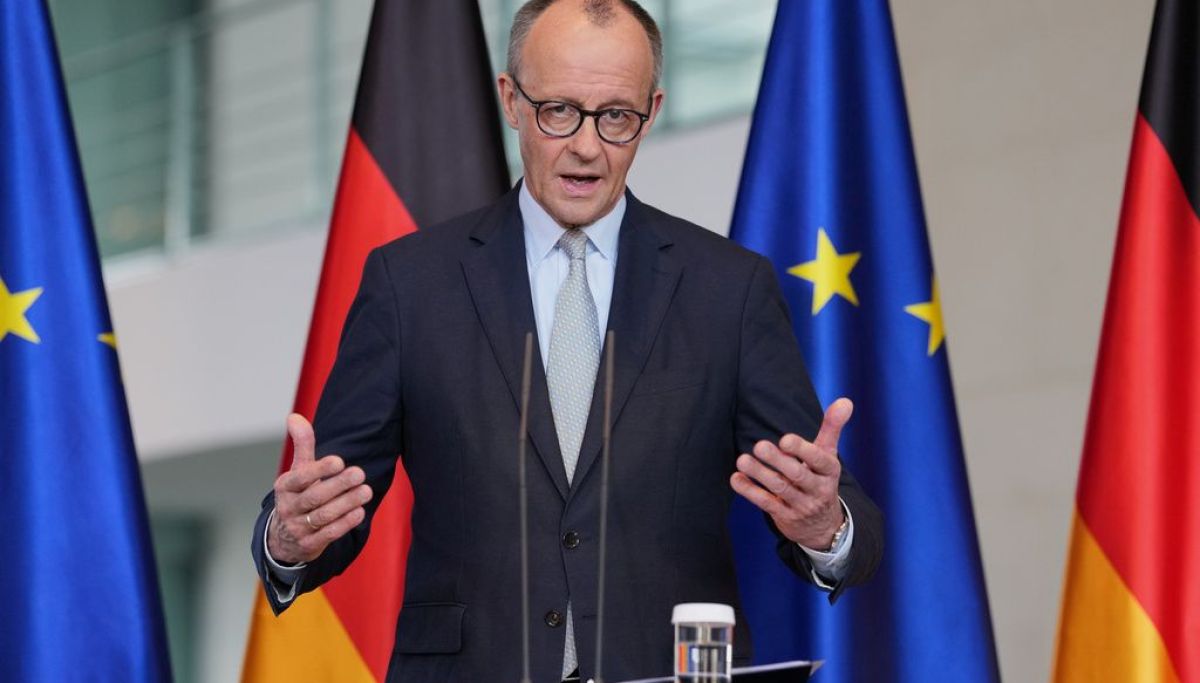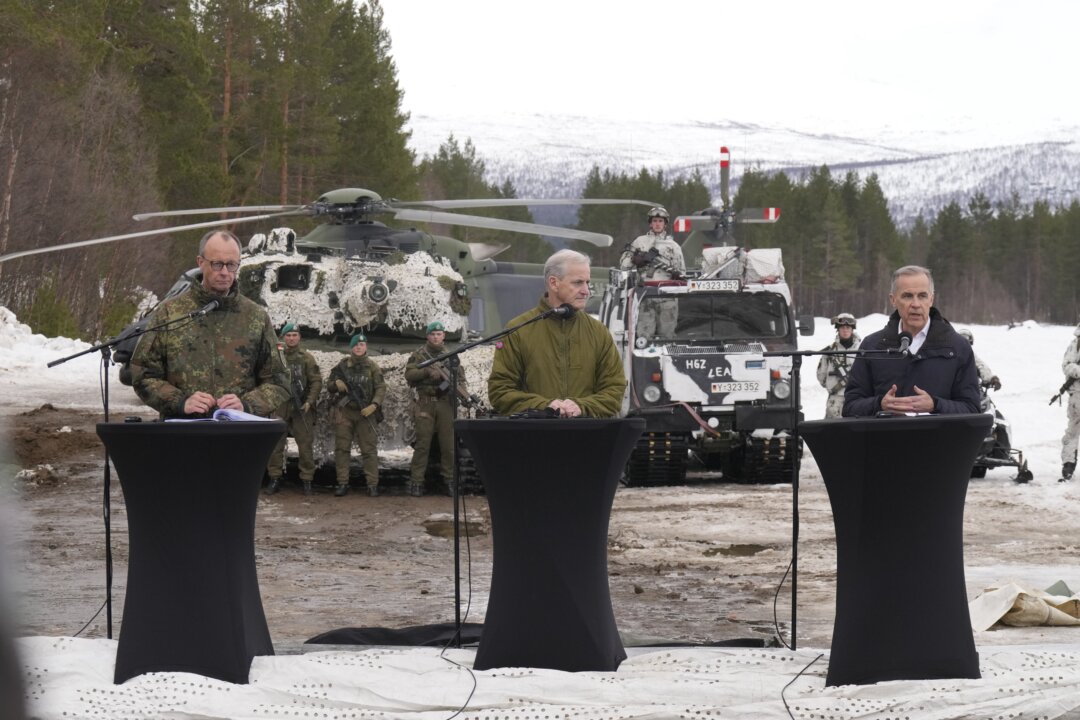




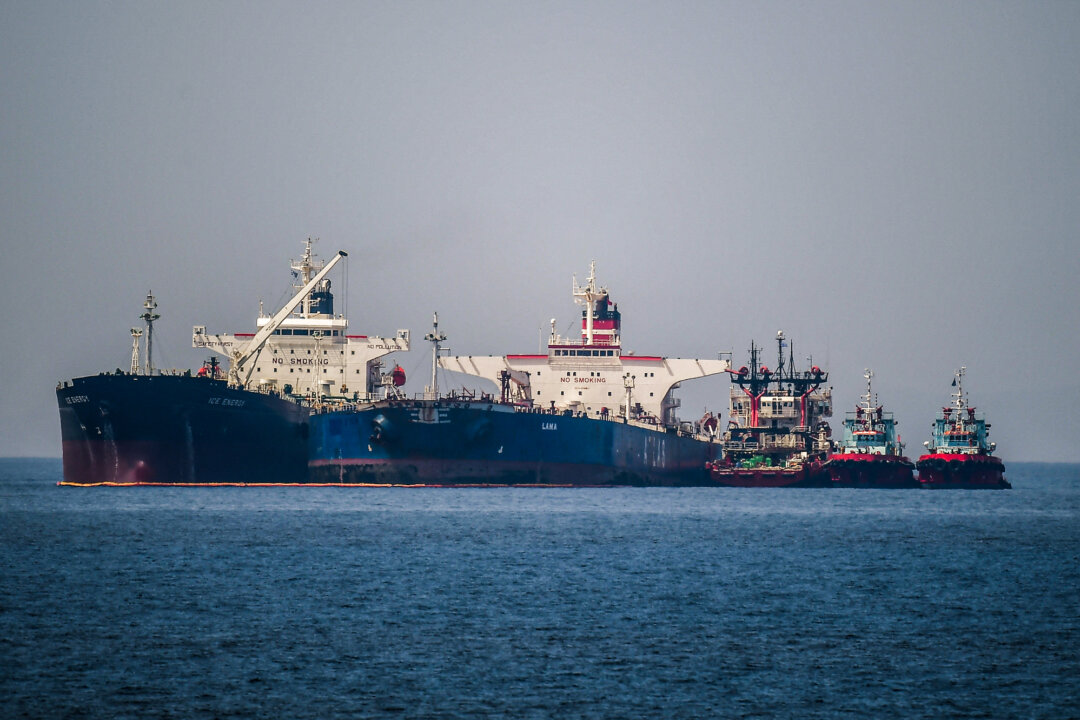
The United States Treasury Department has issued a temporary 30‑day waiver/license that eases some sanctions on Russian crude oil and petroleum products already at sea, allowing those specific shipments—loaded before a set cutoff date in March—to be purchased until roughly April 11. Both liberal- and conservative-leaning outlets agree that the stated aim is to stabilize global energy markets and curb rising oil prices in the wake of turmoil in the Middle East and an Iran-linked conflict that has disrupted flows through key chokepoints such as the Strait of Hormuz. Treasury Secretary Scott Bessent is cited across the spectrum as framing the move as a short-term, targeted measure designed to prevent further price spikes rather than a broader rollback of sanctions. Coverage on both sides also notes that European leaders and other G7 partners, including Germany, France, Norway, and the EU leadership, have sharply criticized Washington’s decision, while Canada has publicly vowed to maintain its own Russia oil sanctions.
Across outlets, reports emphasize that the waiver applies only to Russian oil that was already loaded and “stranded” at sea, with no authorization given for new Russian exports beyond that window, and that much of Russia’s fiscal intake comes from extraction taxes rather than these particular seaborne transactions. Both liberal and conservative coverage highlight that the policy is framed by U.S. officials as an effort to balance economic and security interests: sustaining pressure on Moscow over its invasion of Ukraine while addressing domestic and global energy price concerns amid overlapping crises. They further agree that European and Ukrainian officials fear any easing, however narrow, risks diluting the united sanctions front, even as some actors, including Russia, portray the move as tacit acknowledgment of the importance of Russian supply to market stability. The shared context places the decision in the broader architecture of post-2022 Russia sanctions, G7 coordination, and the ongoing tension between geopolitical objectives and energy affordability.
Areas of disagreement
Motives for the waiver. Liberal-aligned sources tend to foreground the administration’s explanation that the waiver is a narrow, technocratic adjustment meant to stabilize volatile markets without meaningfully boosting Kremlin revenues, often emphasizing details like the focus on oil already at sea and the reliance of Russia’s budget on upstream taxes. Conservative outlets more often cast the move as driven by the White House’s political imperative to lower gasoline prices at home, describing it as removing a key sanctions tool and suggesting the administration is prioritizing short-term economic relief over strategic consistency. Where liberal coverage stresses the nuance of implementation and market management, conservative coverage stresses electoral pressures and a perceived energy-policy reversal.
Impact on pressure against Russia. Liberal sources usually characterize the measure as a limited carve-out that preserves the broader sanctions architecture and is unlikely to significantly weaken the economic squeeze on Moscow, while acknowledging European frustration and Ukrainian concern. Conservative sources more frequently argue that any visible easing sends a damaging signal, undermines deterrence, and risks emboldening Russia by showing cracks in Western resolve. Liberal coverage tends to frame European rebukes as an important but manageable diplomatic cost, whereas conservative coverage elevates them as evidence the United States is backsliding on its leadership role in the coalition supporting Ukraine.
Framing of European and G7 reaction. Liberal-leaning coverage often presents the European and Canadian pushback as principled but also as part of a broader, ongoing debate among allies over how to balance energy security with sanctions enforcement, stressing that coordination can continue despite disagreements. Conservative-leaning outlets more sharply present Europe and Canada as standing firm where Washington is wavering, highlighting quotes from leaders who prioritize maintaining maximum pressure on Russia even amid price hikes. In liberal narratives, allied criticism is serious yet situated within a cooperative framework, while in conservative narratives it underscores an image of U.S. inconsistency and diplomatic self-inflicted wounds.
Assessment of policy competence. Liberal coverage generally portrays the Treasury and White House as attempting a calibrated, time-bound response to a complex dual-front crisis involving Russia and Iran, suggesting that fine-tuning sanctions is part of responsible economic stewardship. Conservative coverage more often portrays the move as symptomatic of broader mismanagement of energy and foreign policy, arguing that better domestic production policies or earlier planning could have avoided the need to tap Russian supply at all. Liberals emphasize technocratic adjustment under stress, whereas conservatives emphasize strategic shortsightedness and overreliance on adversarial energy sources.
In summary, liberal coverage tends to frame the waiver as a narrow, market-stabilizing tweak that preserves overall sanctions pressure while managing energy shocks, while conservative coverage tends to depict it as a politically motivated retreat that weakens the sanctions regime, alienates allies, and reflects broader failures in U.S. energy and foreign policy.
Story coverage