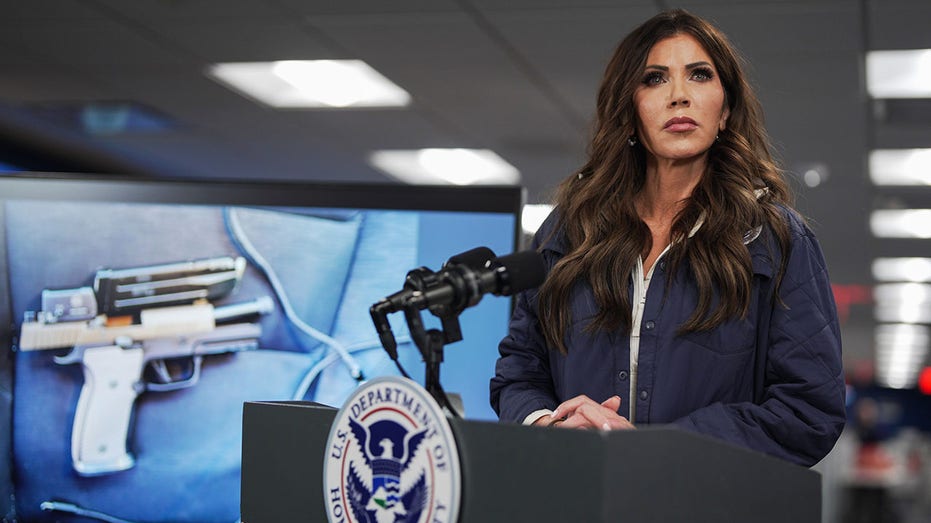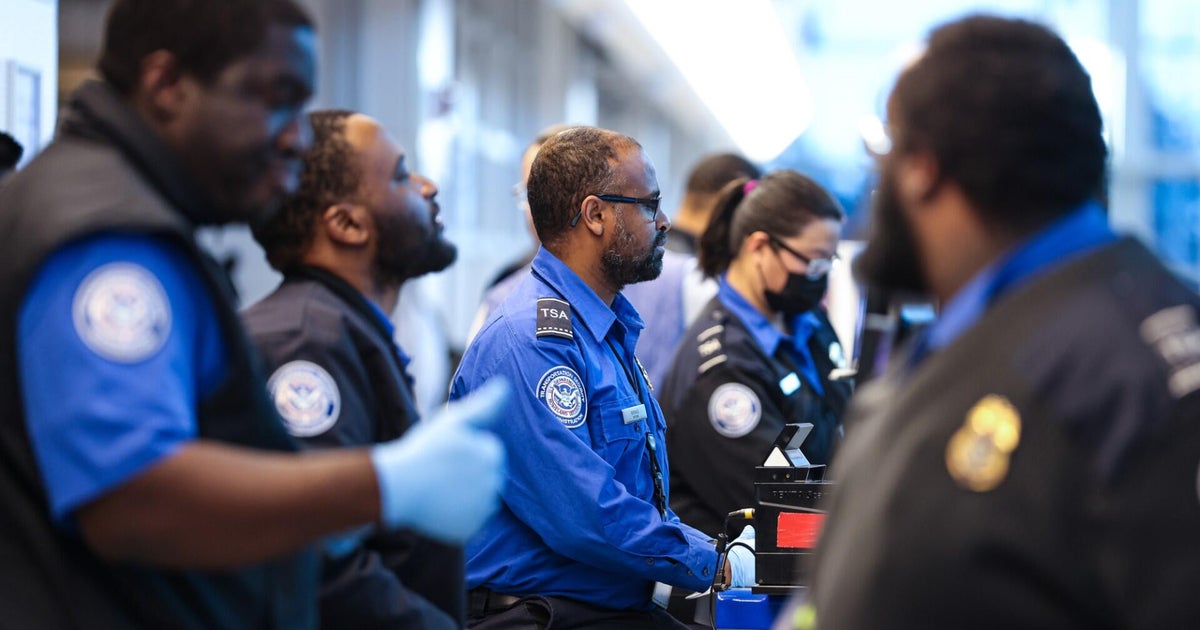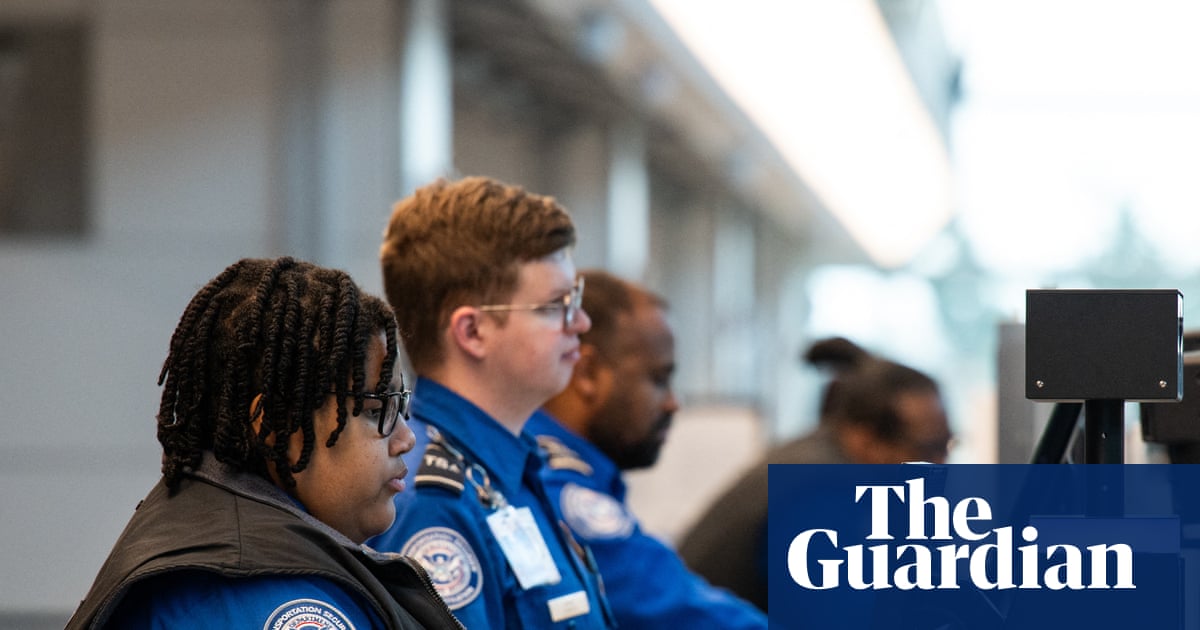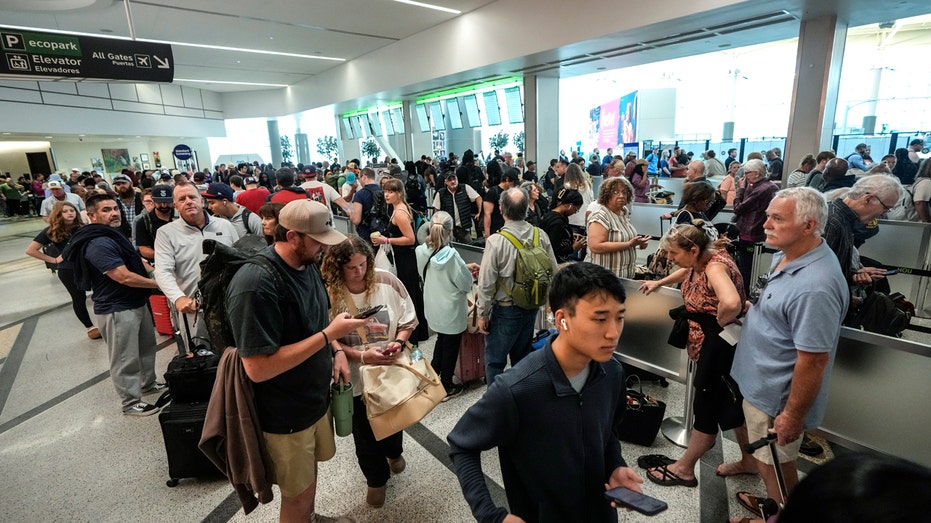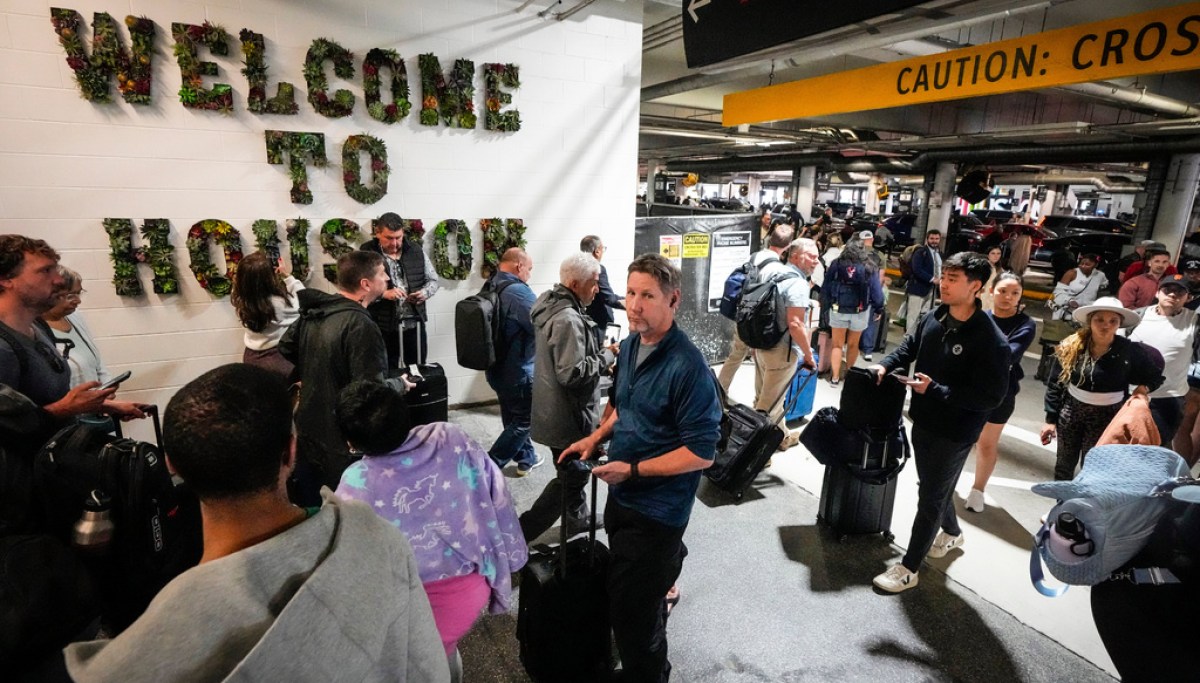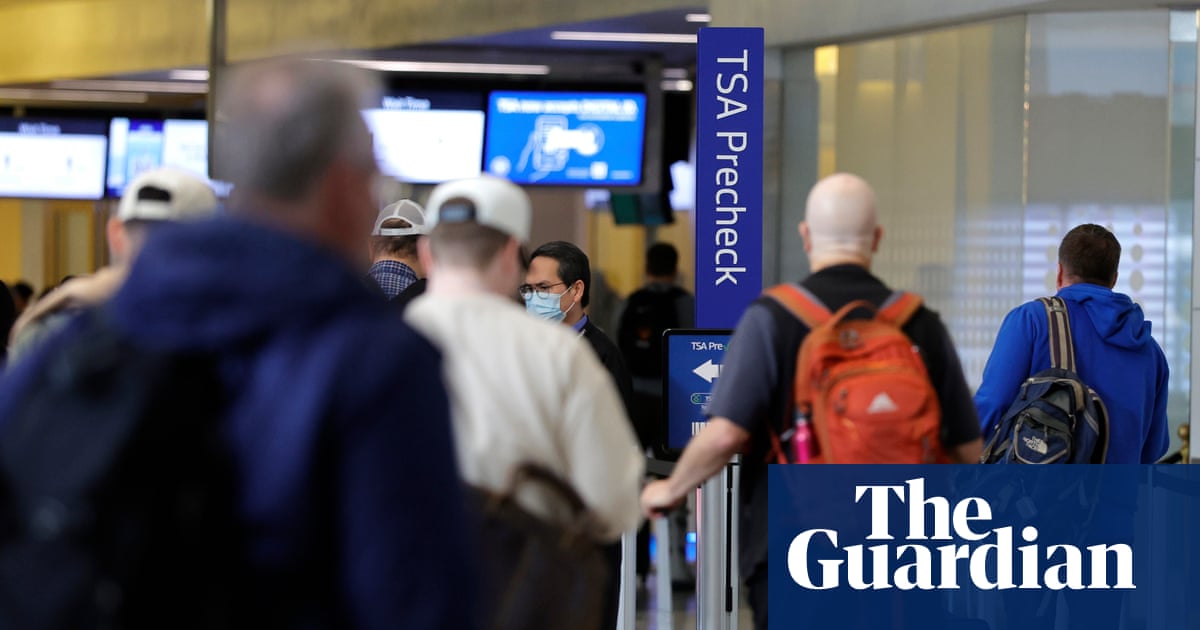






The Department of Homeland Security has now been partially shut down for roughly four weeks amid a funding standoff in Congress, with both liberal- and conservative-leaning outlets agreeing that DHS lacks full appropriations and that key agencies like TSA, parts of FEMA, USCIS, and the Coast Guard are affected. Coverage across the spectrum notes that tens of thousands of DHS employees, including about 50,000 TSA officers and other essential aviation and security personnel, are working without pay, leading to higher unscheduled absences, staffing shortages, and longer airport security lines, while more than 300 TSA employees have reportedly quit. Both sides report that the Senate has repeatedly failed to advance funding measures, that negotiations between congressional Democrats and the Trump administration have stalled over immigration enforcement and border-related demands, and that airline CEOs and airport authorities are publicly pressuring Congress to end the shutdown, warning of mounting delays and risks.
Liberal and conservative sources alike describe a growing strain on everyday Americans and frontline workers, highlighting airport donation drives and food pantries set up to assist unpaid TSA staff, and acknowledging that federal rules limit the kinds of support workers can receive. They share context that the shutdown stems from broader, long-running fights over immigration and border security policy, including enforcement by agencies under DHS and disagreements over how to structure and condition their funding. Across the board, outlets note that this prolonged lapse in funding is unusual in its length and scope for a single department, that it raises concerns about national security readiness and disaster response capacity, and that industry leaders are urging structural reforms—such as guaranteeing pay for essential aviation and security personnel during any future funding lapses—to prevent DHS operations from becoming a recurring political bargaining chip.
Areas of disagreement
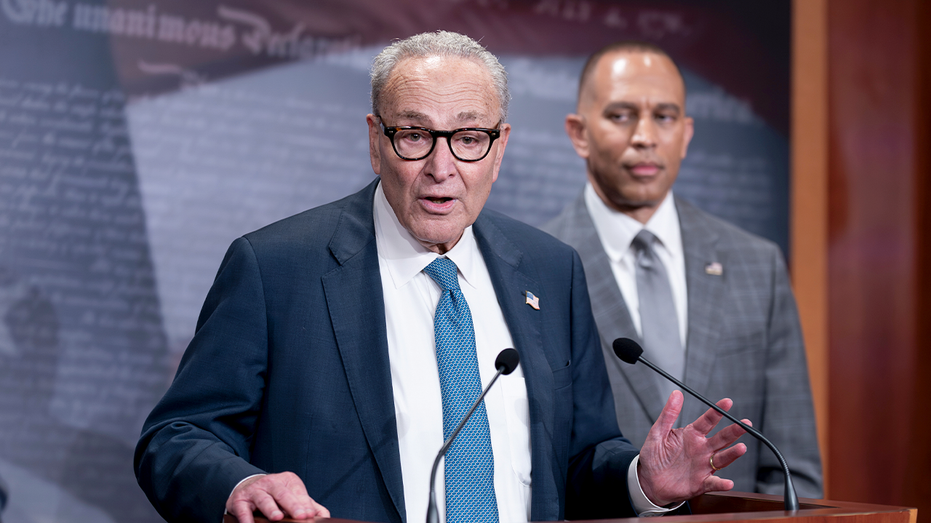
Responsibility and blame. Liberal-aligned coverage tends to frame the shutdown as the result of Republican intransigence and the Trump administration’s insistence on tying DHS funding to hard-line immigration and border measures, emphasizing that Democrats have supported narrower bills to reopen specific components. Conservative sources, by contrast, repeatedly assert that Democrats are the ones “blocking” or “refusing” to fund DHS, often arguing that they have moved the goalposts even after concessions and are using the shutdown to damage Trump politically. Liberal outlets spotlight moments when even mainstream interviewers press Democrats on their role but generally portray Republican leaders as holding broader government security hostage, whereas conservative outlets amplify quotes and ads accusing Democrats of effectively causing the shutdown.
National security risk. Liberal coverage acknowledges security risks from unpaid staff and degraded morale but usually couches them in terms of systemic strain—overworked TSA officers, potential lapses in attention, and the unfair burden on workers—rather than imminent catastrophe. Conservative outlets are much more likely to frame the situation as a direct and acute national security threat, with some voices warning that Democrats will have “blood on their hands” if a terror attack or aviation incident occurs during the shutdown. While liberals emphasize resilience of institutions despite hardship, conservatives stress that Democrats’ funding stance is actively endangering Americans by weakening frontline defenses.
Motives and political strategy. Liberal-leaning reporting often presents Democrats as trying to separate essential security funding from what they describe as extreme or unrelated immigration demands from the Trump administration, and portrays Republican leaders as using DHS as leverage to force those policies through. Conservative commentary tends to depict Democrats as acting out of craven political calculation, suggesting they see advantage in prolonging the crisis to erode Trump’s approval ratings and energize their base. Where liberal outlets highlight Republican responsibility for attaching contentious riders to DHS appropriations, conservative outlets argue that Democrats are prioritizing partisan messaging and future elections over immediate governance and safety.
Role of institutions and reforms. Liberal sources typically use airline CEO letters and union warnings to argue for insulating critical workers from political brinkmanship, advocating reforms that guarantee pay for essential personnel and discourage using DHS as a bargaining chip for immigration fights. Conservative sources also cite CEOs and industry leaders but use their statements primarily to pressure Democrats, portraying the business community as fed up with what they call Democratic obstruction. Liberals foreground long-term structural fixes and oversight of enforcement practices, whereas conservatives focus on quickly restoring full funding under existing enforcement priorities and framing institutional reform mainly as ensuring that future Democratic opposition cannot again halt core security functions.
In summary, liberal coverage tends to present the DHS shutdown as a product of Republican and Trump-driven brinkmanship over immigration policy and emphasizes worker hardship and structural reform, while conservative coverage tends to portray Democrats as the primary obstructionists whose political calculations are undermining national security and disrupting everyday Americans’ safety and travel.