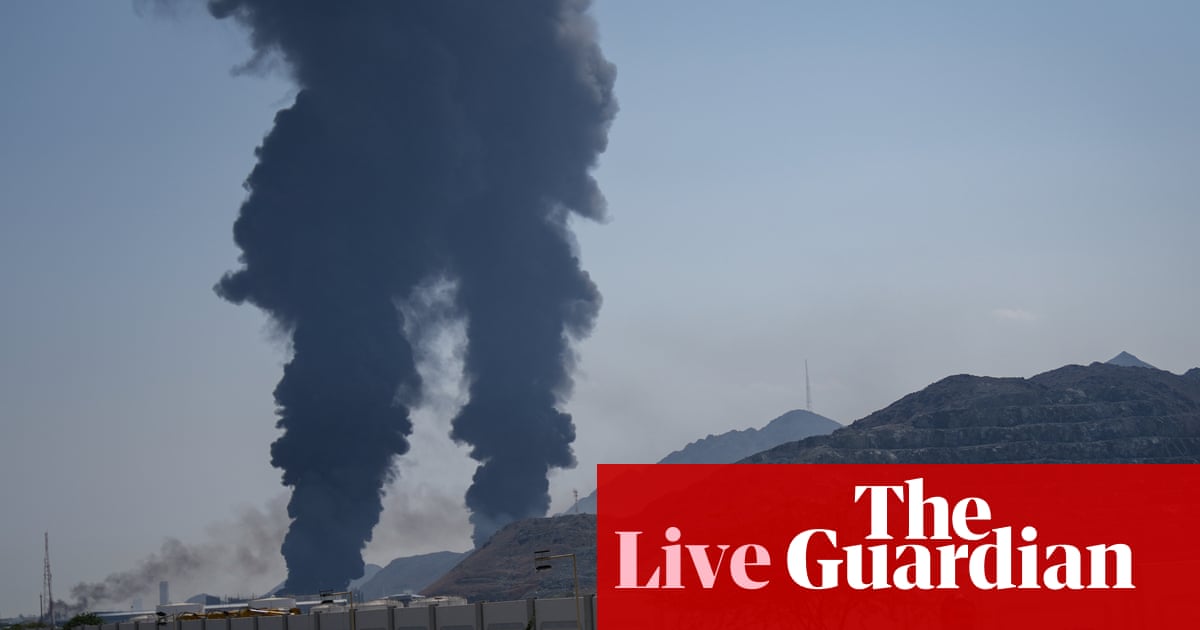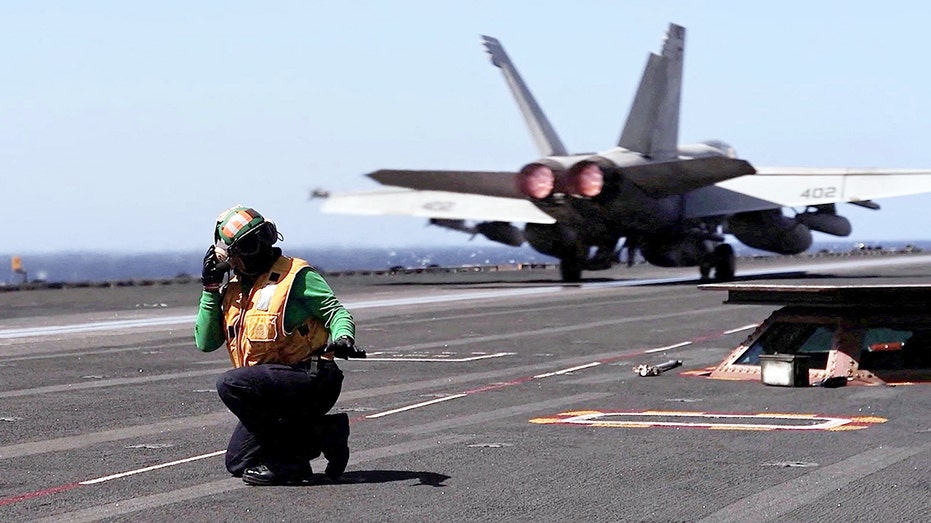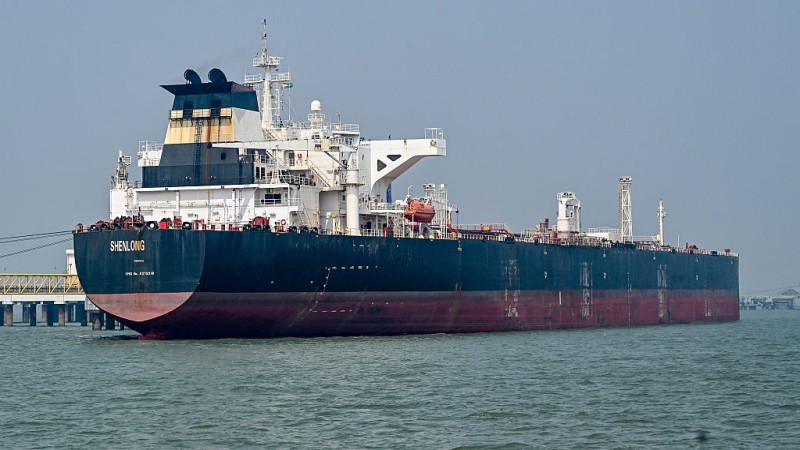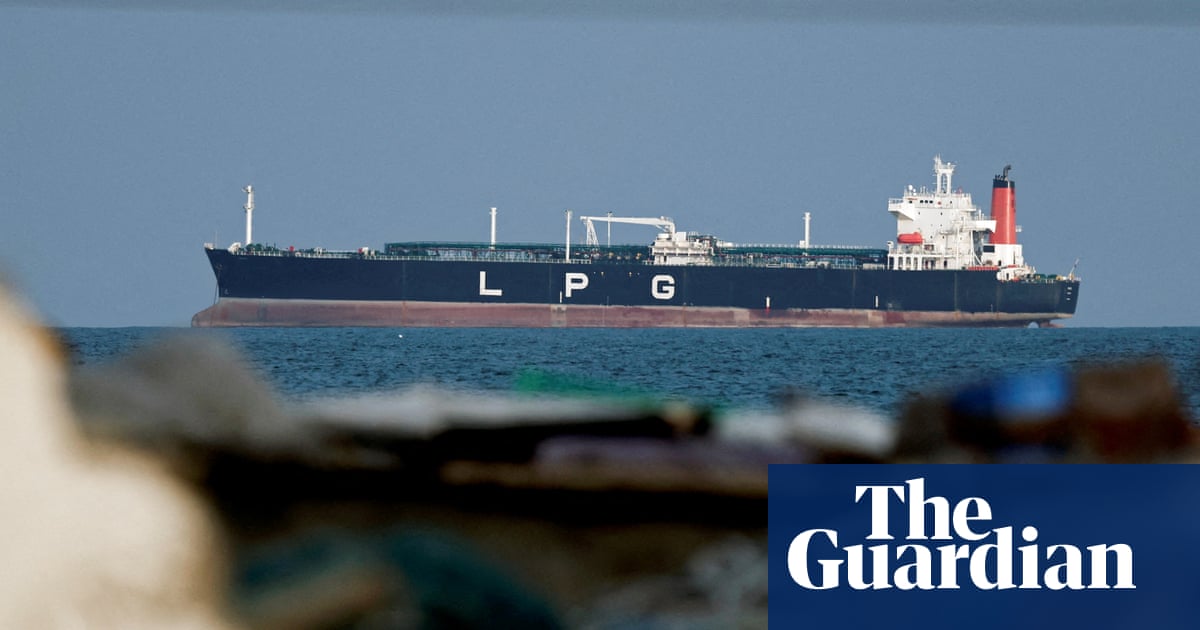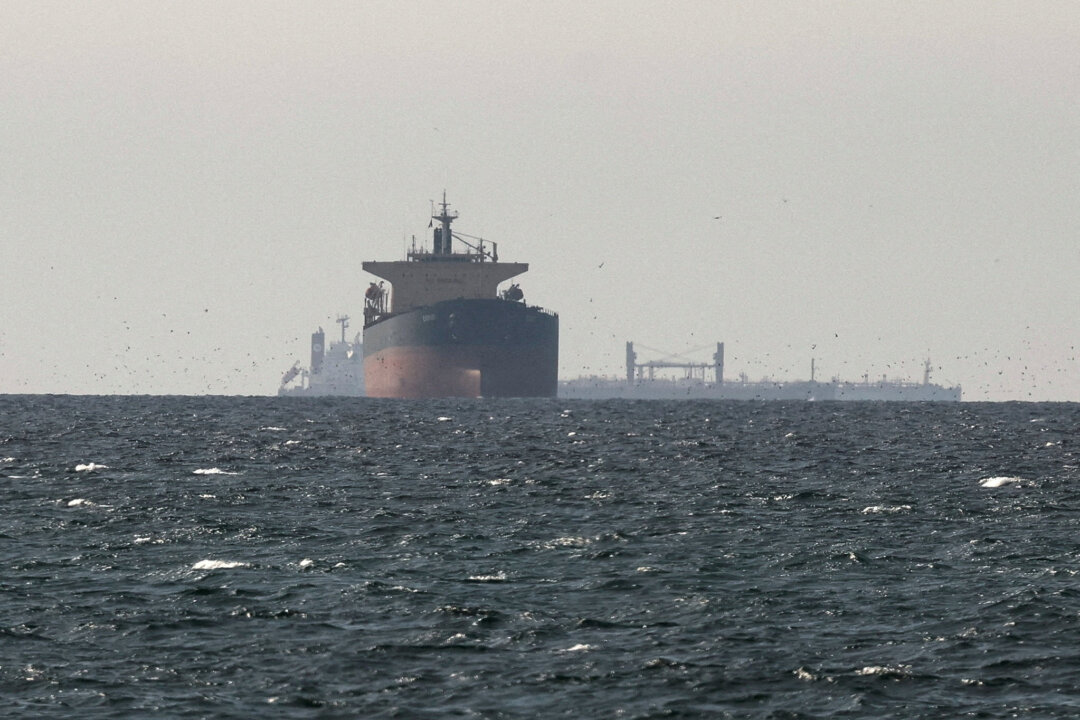


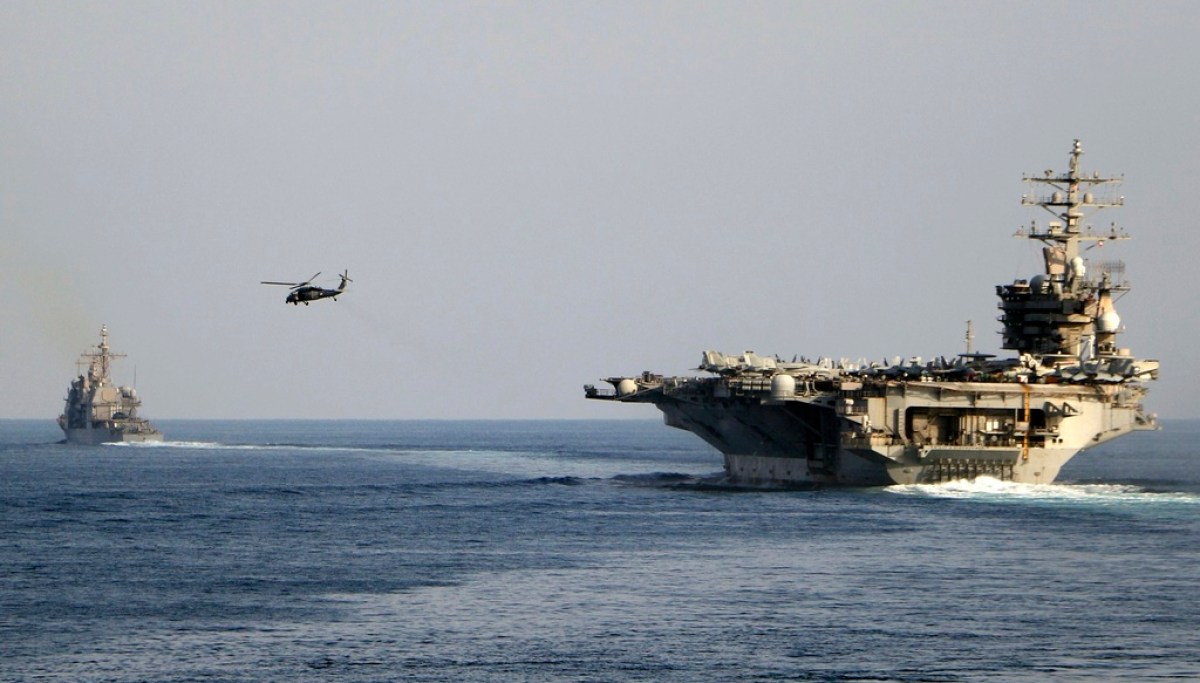
Donald Trump is calling for an international naval coalition to secure the Strait of Hormuz in response to Iranian threats and attacks on commercial and military assets in the Gulf region, with both liberal and conservative sources agreeing that multiple US strikes have degraded Iran’s conventional capabilities but that Tehran still retains the ability to harass or threaten shipping. Both sides report that Trump wants countries whose economies depend on oil and trade through the strait—such as the UK, China, Japan, France, and South Korea—to send warships, with the US coordinating or participating in patrols to keep the waterway open and safe. Coverage also agrees that this comes amid broader regional instability: Iran-aligned militias are increasing risks to US personnel and assets, tanker and ship attacks have been reported, and US authorities have ordered Americans to leave Iraq because of elevated security threats.
Liberal and conservative outlets concur that the Strait of Hormuz remains a critical chokepoint for global oil and commercial traffic, and that Iran’s actions—whether direct attacks on tankers or proxy activity—have raised fears about energy prices and wider conflict. Both portray Trump’s coalition proposal as part of a long-running pattern of international maritime security efforts in the Gulf, involving NATO allies and Asian importers, and acknowledge that the UK and other partners are weighing or joining such patrols. There is shared recognition that US strikes on Iranian military targets, including infrastructure near key ports, aim to deter further attacks and reassure global markets, while the broader institutional context involves coordination among Western militaries, Gulf states, and international organizations concerned with shipping security.
Areas of disagreement
Framing of Trump’s motives. Liberal-aligned outlets tend to cast Trump’s call for a coalition as reactive crisis management amid a spiraling confrontation with Iran, sometimes implying it is partly driven by domestic politics and his desire to project toughness after disputed or exaggerated claims about attacks. Conservative sources more often frame it as a logical burden-sharing move where the US stops acting as unilateral protector of global shipping and compels oil-dependent nations to contribute military assets. While liberals emphasize the risks of escalation and question how much the policy is driven by accurate threat assessments, conservatives stress strategic necessity and portray Trump as correcting an imbalance in global security responsibilities.
Characterization of the Iran threat. Liberal coverage is more likely to hedge on the extent of Iranian responsibility, noting Iran’s denials and underscoring uncertainties or disputes around specific incidents, such as the damage to US tankers or planes and how severe it really was. Conservative outlets present Iran’s culpability as largely settled, describing attacks on tankers and attempted blockades as clear acts of aggression that justify US strikes and a hardened coalition posture. Liberals focus on proportionality and the danger that US rhetoric and bombing campaigns could entrench a cycle of retaliation, while conservatives stress deterrence and argue that anything less than robust military pressure would embolden Tehran.
Media credibility and information control. Liberal sources highlight Trump’s dismissal of reports about Iranian damage to US assets as "fake news" alongside concerns over political pressure on broadcasters, framing this as part of his broader pattern of attacking media credibility and potentially chilling independent reporting on national security. Conservative coverage gives far more weight to Trump’s narrative that damage was minimal and that some reporting was sensationalized or misleading, sometimes echoing his suggestion that outlets are undermining US resolve or spreading hoaxes. For liberals, the episode illustrates the need for scrutiny of official claims and resistance to politicized threats against the press, whereas conservatives tend to treat mainstream coverage as biased and see Trump’s pushback as correcting misinformation.
Portrayal of allied participation. Liberal outlets describe allied involvement, especially from the UK, as cautious and conditional, emphasizing that European governments are balancing solidarity with Washington against fears of being dragged into a wider war and skepticism about Trump’s broader Iran policy. Conservative sources more confidently depict allies and partner nations as lining up behind US-led patrols, presenting a growing coalition that validates Trump’s approach and isolates Iran diplomatically. Where liberals stress debates within allied capitals and the risks to their ships and crews, conservatives highlight shared interests in free navigation and present participation as an overdue acknowledgment that others must help secure their own trade routes.
In summary, liberal coverage tends to question the scale of the Iranian threat, emphasize risks of escalation and media suppression, and portray the coalition push as reactive and politically fraught, while conservative coverage tends to treat Iran’s aggression as clear-cut, frame Trump’s plan as responsible burden-sharing, and depict media skepticism and allied hesitation as obstacles to necessary maritime security.
Story coverage