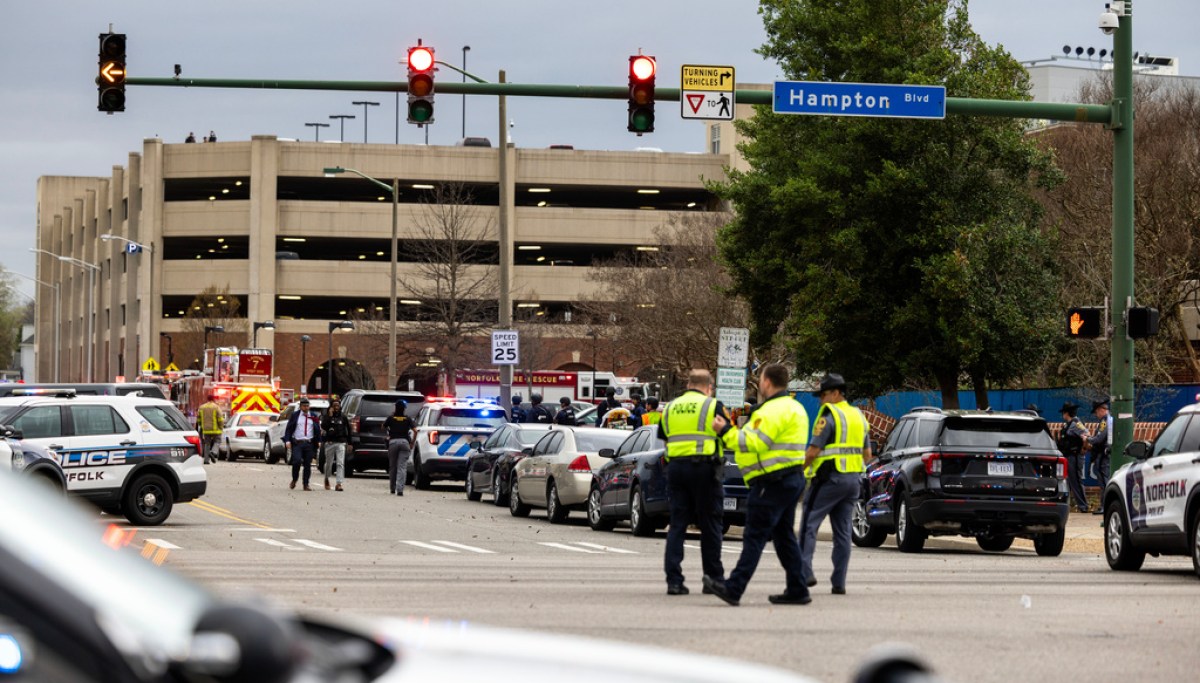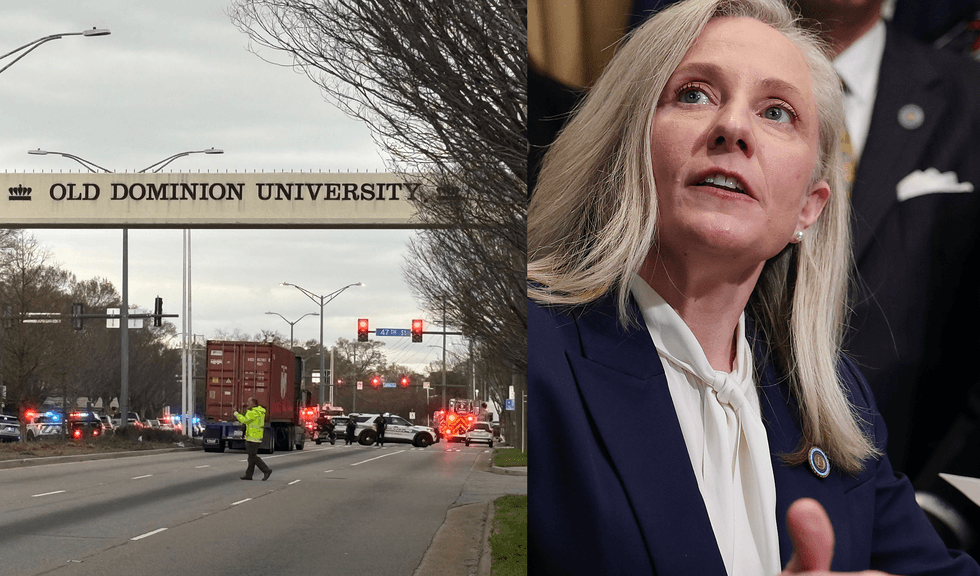




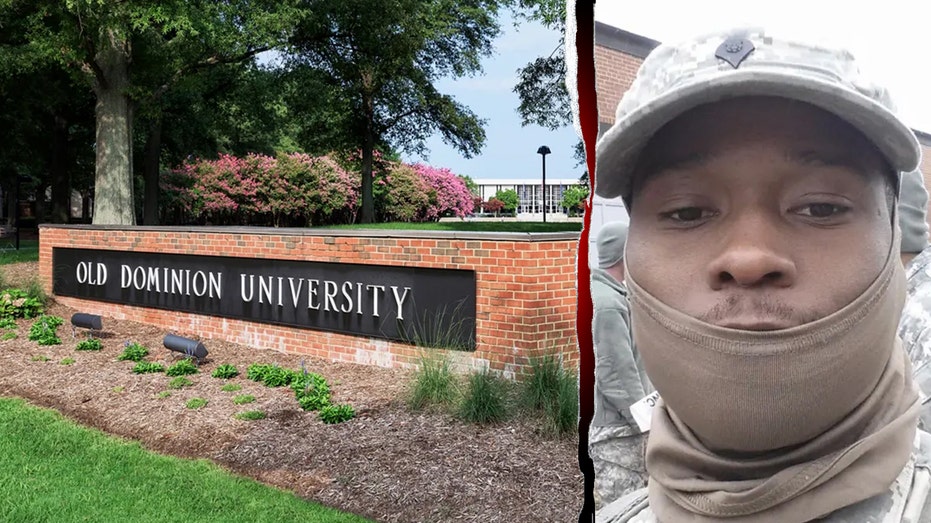
Coverage from both liberal- and conservative-aligned outlets agrees on the core facts: a shooting occurred in a classroom at Old Dominion University in Norfolk, Virginia, in which ROTC leader Lt. Col. Brandon Shah was killed and at least two other people were wounded. The gunman, identified as Mohamed Bailor Jalloh, a former Army National Guardsman and previously convicted supporter of ISIS, was ultimately confronted and disarmed by ROTC cadets and died at the scene. Law enforcement, including the FBI, is investigating the case as a potential act of terrorism with apparent ISIS inspiration, and initial reporting stresses the quick actions of students and campus responders in preventing further casualties.
Across the spectrum, outlets highlight that Jalloh had a prior federal terrorism-related conviction for attempting to provide material support to ISIS and that he had been released back into the community after serving time in prison. Shared context emphasizes that he reportedly shouted religious and pro-ISIS slogans during the attack, that federal authorities are examining his online activity and possible network, and that the incident has intensified debate over how institutions handle individuals with prior terrorism histories. There is also broad agreement that the event fits into a wider pattern of concern over lone‑actor, ideologically motivated violence, prompting renewed scrutiny of federal sentencing, early-release programs, and campus security protocols.
Areas of disagreement
Labeling and framing of the attack. Liberal-aligned sources, where they cover the story, tend to use more cautious language such as “possible terrorism” or “terrorism investigation,” foregrounding the need to confirm motive and mental state before definitive labeling. Conservative outlets much more quickly and consistently describe the shooting as an ISIS-inspired terrorist attack, stressing the gunman’s prior conviction and reported shouts of “Allahu Akbar” as clear indicators of jihadist intent. Liberal coverage is more likely to situate the event within broader patterns of gun violence and extremism in general, while conservative coverage frames it squarely as part of an ongoing threat from radical Islamic terrorism and policy failures surrounding it.
Government accountability and policy failures. Liberal sources generally emphasize institutional process—how federal and state agencies apply existing sentencing, rehabilitation, and early-release rules—while avoiding sweeping claims that the Biden administration or Democrats directly “caused” the attack. Conservative outlets, by contrast, foreground specific alleged failures: the Biden Justice Department’s earlier decision not to prosecute a straw‑purchaser tied to the shooter’s firearm, the early release of a convicted terrorist via a drug program, and continued Democratic resistance to certain DHS, ICE, and CBP funding priorities. Where liberal-leaning coverage may discuss the need for balanced reforms and civil-liberties safeguards, conservative narratives stress systemic leniency toward terrorism and crime under Democratic leadership.
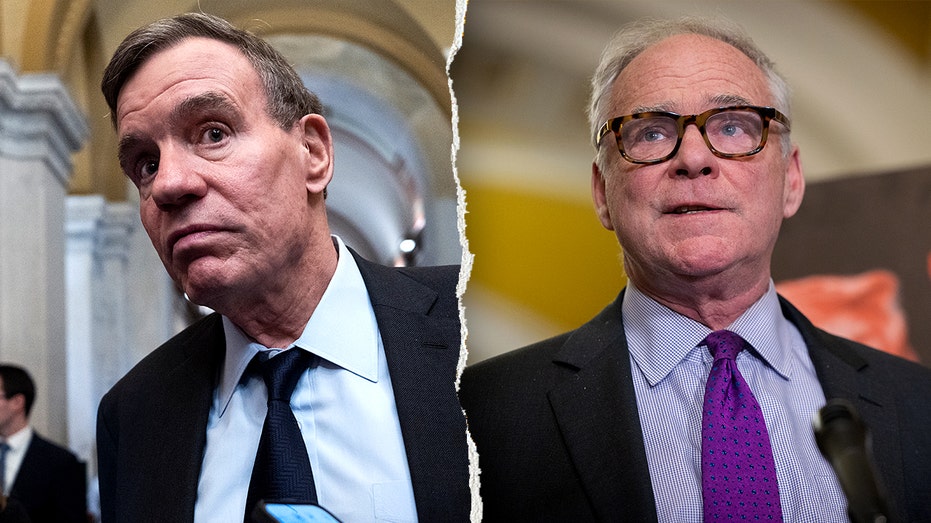
Political rhetoric and leaders’ responses. Liberal-aligned coverage tends to treat statements by Virginia’s governor and Democratic senators in more neutral or procedural terms, focusing on their calls for calm, cooperation with federal investigators, and broader conversations about extremism and campus safety. Conservative outlets sharply criticize Governor Abigail Spanberger and other Democrats for what they portray as euphemistic or incomplete responses that avoid explicitly naming radical Islamic terrorism or highlighting the suspect’s immigration and naturalization background. While liberal sources are more inclined to caution against politicizing a still‑developing case, conservative sources argue that immediate, direct language about terrorism and policy implications is necessary and accuse Democrats of downplaying ideological and border‑security dimensions.
Immigration, citizenship, and broader security agenda. Liberal coverage, where it addresses immigration status at all, generally treats the shooter’s naturalized‑citizen background as secondary to his individual radicalization and prior conviction, warning against conflating terrorism with broader immigrant communities or Islam. Conservative outlets elevate his naturalization and argue he should have been stripped of citizenship and removed from the country after his ISIS-related offense, tying the case to demands for stricter immigration enforcement and denaturalization tools for terror convicts. Liberal stories tend to fold the incident into a wide lens on domestic extremism, mental health, and gun access, whereas conservative stories use it to bolster calls for tougher counterterrorism, immigration, and prosecutorial policies.
In summary, liberal coverage tends to emphasize careful language, institutional process, and broader themes of extremism and gun violence, while conservative coverage tends to define the event more unequivocally as ISIS-linked terrorism and center criticism of Democratic policies, prosecutorial choices, and immigration and security practices.
Story coverage