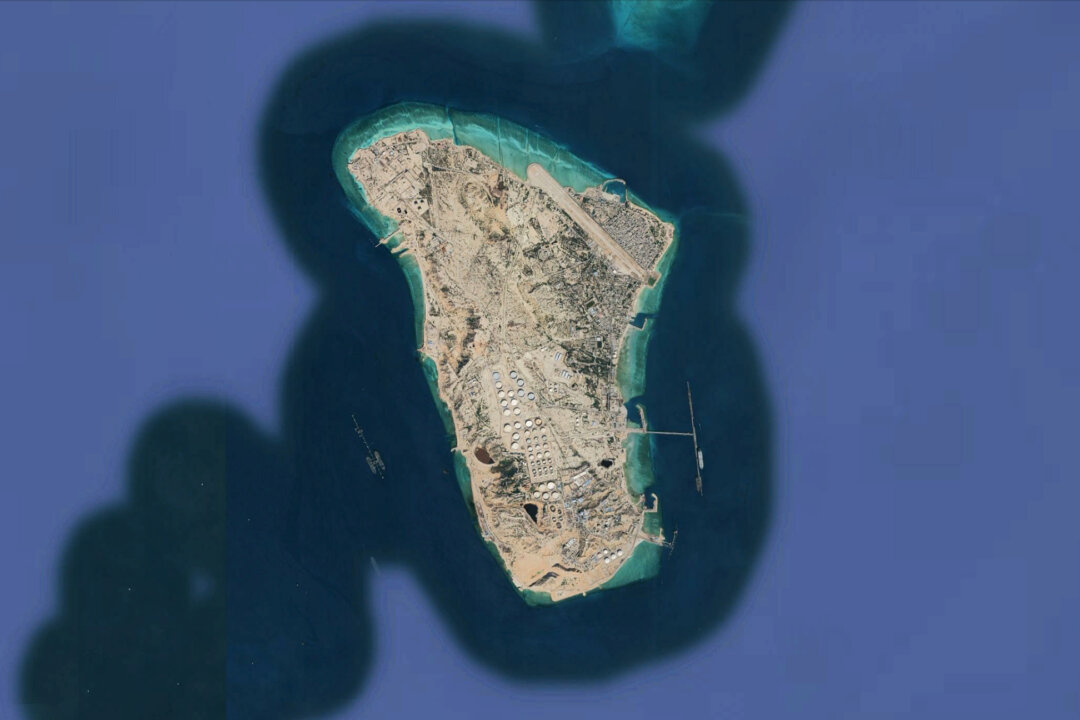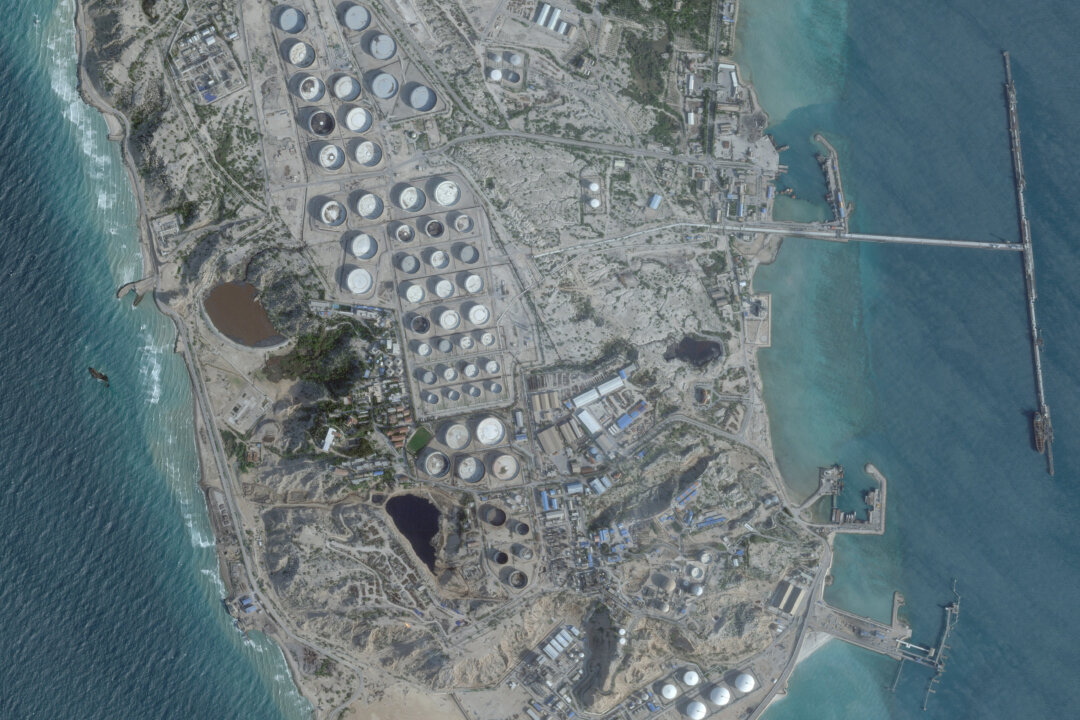

U.S. and allied media across the spectrum report that, under President Donald Trump’s orders, the U.S. military carried out a large-scale precision bombing raid on Iran’s Kharg Island, a critical hub through which roughly 90 percent of Iran’s oil exports pass. Both liberal and conservative accounts agree that more than 90 military-related targets were hit and, in Trump’s words often echoed on the right, “obliterated,” while the island’s oil infrastructure and export terminals were deliberately left intact. Coverage on both sides notes that Kharg Island is often described as Iran’s “oil lifeline,” that the operation is part of a broader U.S.-led or U.S.-Israeli pressure campaign on Iran, and that Trump publicly framed the action as a response to Iranian threats or interference with shipping in the Strait of Hormuz. Outlets in both camps also report Iran’s official reaction: Tehran and senior Iranian officials warned of retaliation, particularly if their oil or energy infrastructure is targeted, and threatened to strike energy assets in neighboring states or facilities linked to American companies.
Beyond the immediate strike, liberal and conservative coverage converges on several broader contextual points: the Strait of Hormuz is portrayed as a vital global chokepoint for oil transit, and Kharg Island’s centrality to Iran’s economy is emphasized as the reason the strike is strategically significant even without damaging oil facilities. Both sides acknowledge that Trump has urged other countries to help secure shipping lanes through the strait and suggested that U.S. or coalition naval escorts for commercial tankers are imminent. They also agree that the operation fits into a longer-running confrontation between Washington and Tehran over Iran’s regional behavior and energy leverage, where military pressure, sanctions, and threats to oil infrastructure are used as tools to influence Iranian decision-making. While interpretations differ, reporting from both camps recognizes that sparing the oil infrastructure was an intentional signal that Washington is calibrating force to avoid an immediate collapse of Iran’s export capacity while still demonstrating overwhelming military dominance.
Areas of disagreement
Purpose and messaging. Liberal-aligned outlets typically frame the strike as a coercive show of force aimed at dominance and deterrence in the Strait of Hormuz, emphasizing Trump’s rhetoric about continuing the campaign “as long as necessary” and warning that he is escalating tensions. Conservative sources, by contrast, highlight Trump’s narrative that Iran is “totally defeated and wants a deal,” presenting the operation as proof that military pressure is working and steering Tehran toward negotiations. Liberals tend to question whether the strike genuinely moves Iran toward talks or instead entrenches hostility, while conservatives largely accept Trump’s claim that the raid demonstrates successful, decisive leadership.
Risk and escalation. Liberal coverage stresses the danger of regional escalation, foregrounding Iran’s threats to target ports in the United Arab Emirates and any energy infrastructure with American ownership or links, and warning that the strike could spiral into a broader conflict. Conservative outlets generally downplay escalation risks, focusing instead on the precision of the operation, the fact that oil infrastructure was spared, and Trump’s conditional warnings that future attacks would depend on Iranian behavior in the strait. Where liberals see a precarious brinkmanship that may endanger global energy markets and allies, conservatives depict controlled escalation that restores deterrence and secures maritime traffic.
Economic and humanitarian implications. Liberal sources are more likely to underscore Kharg Island’s role in Iran’s broader civilian economy, suggesting that hitting military targets on such a vital export hub inherently carries economic and humanitarian risks for the Iranian population and the wider region. Conservative coverage tends to characterize the strike as surgically limited, repeatedly emphasizing that the oil infrastructure was intentionally preserved to avoid disrupting global energy flows and to keep leverage in reserve. Liberals often question whether such assurances are credible given Trump’s threat to revisit the decision if shipping is interfered with, whereas conservatives view the preserved oil facilities as evidence of restraint and strategic calibration.
Media framing and credibility. Liberal-aligned outlets generally present Trump’s boasts about “obliterating” targets and Iran being “totally defeated” in a more skeptical tone, treating them as political messaging rather than established fact and worrying about overstatement. Conservative outlets frequently echo Trump’s language and also highlight his complaint that the “Fake News Media” underreports U.S. military successes against Iran, framing mainstream criticism as biased or unpatriotic. Thus, liberals scrutinize administration claims and emphasize independent verification and diplomatic context, while conservatives foreground presidential assertions and recast media skepticism as part of a broader hostility to Trump’s foreign policy.
In summary, liberal coverage tends to portray the Kharg Island strike as a risky escalation and instrument of dominance whose benefits are uncertain and whose costs could be borne across the region, while conservative coverage tends to depict it as a precise, effective demonstration of U.S. strength that is coercing a weakened Iran toward a favorable deal and enhancing security in the Strait of Hormuz.
Story coverage