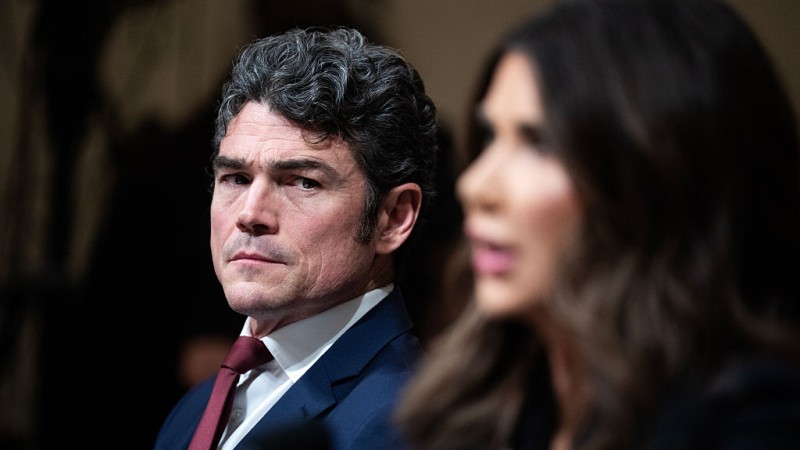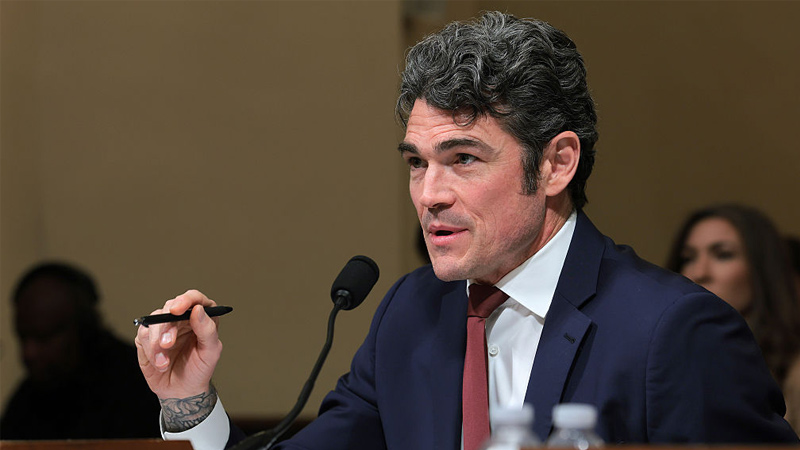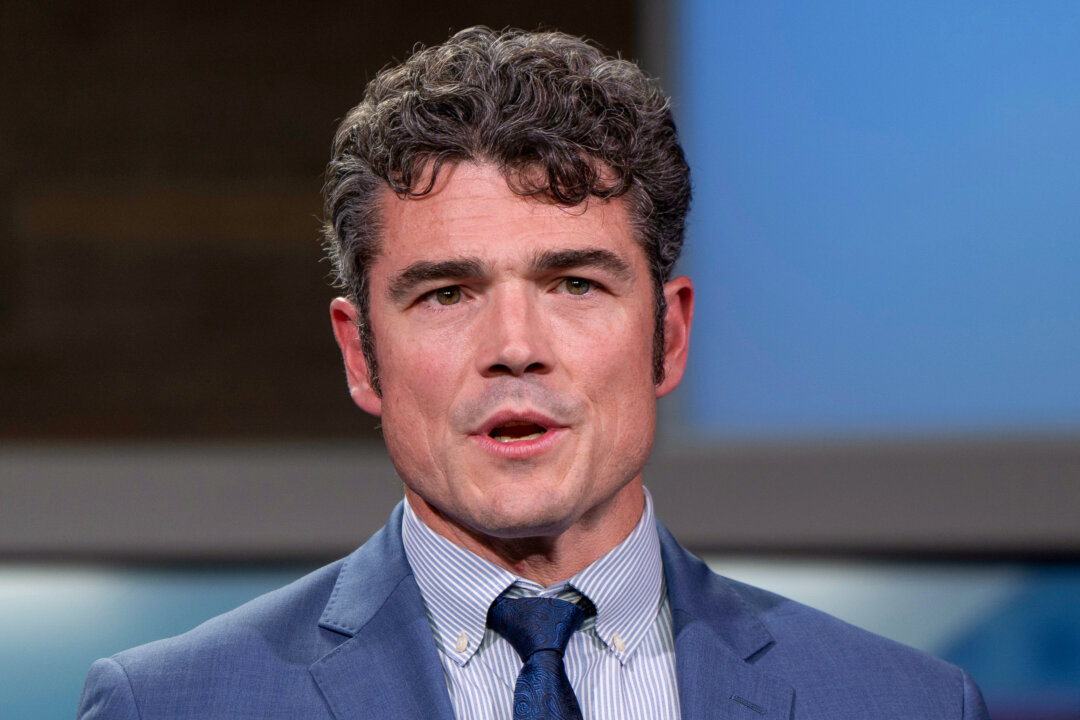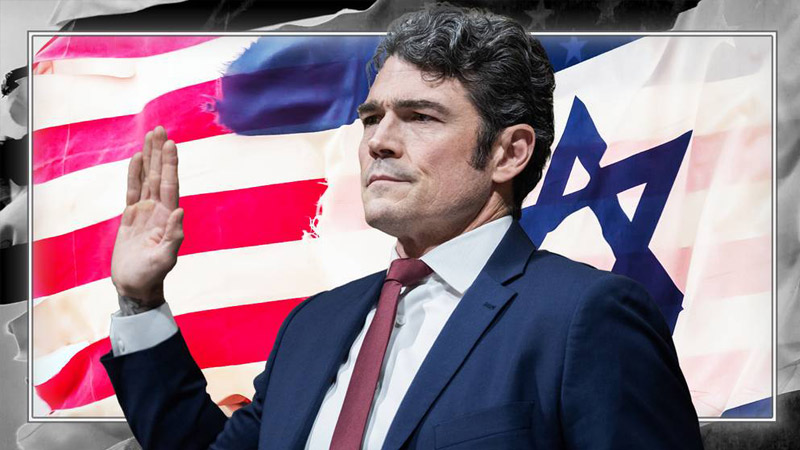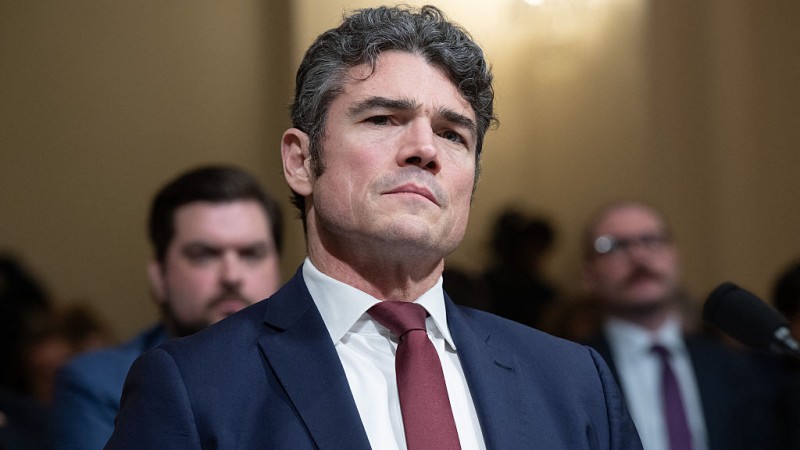




Joe Kent, director of the National Counterterrorism Center and a former Green Beret and CIA operative, resigned his post in mid‑March in protest of President Donald Trump’s decision to wage war against Iran. Across both liberal- and conservative-aligned coverage, outlets agree that Kent argued Iran posed no imminent threat to the United States, that he blamed the war’s initiation on pressure from Israel and its American lobby, and that he framed the conflict as contrary to an America First foreign policy and reminiscent of the Iraq War. Both sides report that President Trump publicly dismissed Kent as weak on security and said it was a good thing he resigned, while the White House press secretary and allied officials insisted there was strong evidence of an imminent Iranian threat. Coverage from both camps notes that Kent is the highest-ranking or first prominent Trump official to resign over the Iran war, that he is a veteran and Gold Star husband, and that his resignation provoked strong reactions from congressional Republicans and intelligence and national security figures.
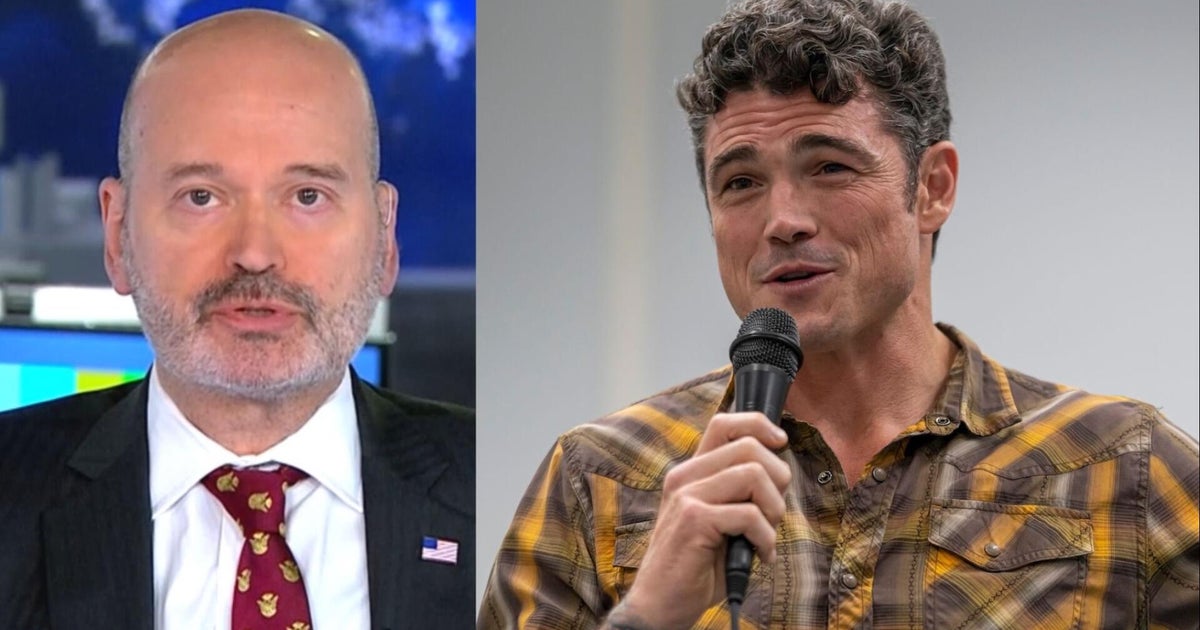
Liberal and conservative sources also concur on key institutional and process details around the episode: Kent submitted a letter to Trump laying out his objections to the war and his view that it did not justify American casualties, and he has claimed that he and other senior officials who questioned the strikes were blocked from sharing their concerns directly with the president. Both sides describe the White House as trying to distance itself from Kent, emphasizing that he was not central to final Iran intelligence assessments and portraying him as out of step with the broader national security team. Coverage on both sides notes that his resignation has become entangled with broader debates about Israel’s influence in U.S. policymaking, accusations of antisemitism, and alleged “deep state” or intelligence community maneuvering. They also agree that Kent is moving into a media phase, accepting interviews with high-profile hosts such as Tucker Carlson and Mark Levin to defend his decision and critique the administration’s Iran policy.
Areas of disagreement
Motives and credibility. Liberal-aligned outlets tend to cast Kent as a conflicted insider whose sudden break raises questions about his consistency and possible susceptibility to intelligence-community machinations, with some suggesting he may have been part of or victim to a broader deep-state scheme. Conservative-aligned outlets more often frame him as a principled whistleblower who resigned on conscience to oppose an unnecessary war and to warn about foreign influence, highlighting his service record to bolster his credibility. Liberal coverage pays more attention to former officials who say his resignation endangers Americans, whereas conservative coverage foregrounds his claim that war advocates misled Trump and the public.
Israel and antisemitism. Liberal sources generally stress that Kent’s references to Israeli pressure and an American lobby risk veering into antisemitic tropes, amplifying figures like Mitch McConnell and mainstream commentators who explicitly label parts of his statement antisemitic. Conservative sources are more likely to take his assertions about Israeli influence at face value or even escalate them, with some fringe conservative outlets talking about Israel effectively staging a coup within the Trump White House. Where liberal-aligned coverage often frames his language as problematic and potentially bigoted, conservative coverage frequently characterizes the antisemitism charges as an effort to silence criticism of Israel and deflect from policy debate over the Iran war.
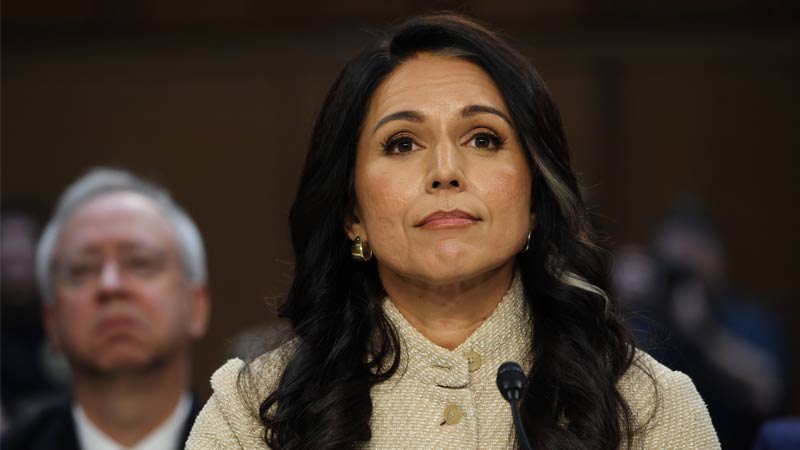
Threat assessment and the Iran war. Liberal reporting tends to emphasize the discrepancy between Kent’s judgment that Iran posed no imminent threat and the Pentagon and White House claims of solid intelligence, often highlighting institutional processes and potential flaws or politicization in threat assessments. Conservative outlets, especially those closer to the Trump camp, place more weight on Trump’s authority and the backing he received from officials like Tulsi Gabbard, arguing that the president is ultimately responsible for determining threats and implying that Kent underestimated Iran. At the same time, some right-wing populist or anti-interventionist conservatives side with Kent, using his resignation to bolster a broader critique of neoconservative or establishment pressure for war, a nuance that liberal coverage tends to downplay.
Role of the intelligence community and ‘deep state.’ Liberal-aligned outlets reference deep-state speculation mainly to critique or question it, treating claims that Kent was part of an intelligence plot as conspiratorial and focusing instead on institutional friction within the administration. Conservative coverage, especially from populist and alternative media, is more willing to entertain or promote theories that Kent’s rise and fall were tied to internal intelligence games, either as an attempted trap for Trump or as evidence that entrenched national security actors manipulate presidents into conflict. While mainstream conservative sources stress that Kent was not central to official Iran assessments and back the administration’s line, more insurgent conservative outlets recast his resignation as a window into broader deep-state efforts to shape or sabotage Trump’s foreign policy.
In summary, liberal coverage tends to treat Kent’s resignation as a troubling but ambiguous episode that raises questions about war decision-making, rhetoric about Israel, and the management of dissent inside the Trump administration, while conservative coverage tends to either champion him as a truth-telling critic of a misguided Iran war and foreign influence or, in pro-Trump circles, dismiss him as a marginal figure whose objections underestimate Iran and feed anti-Israel or conspiratorial narratives.
Story coverage