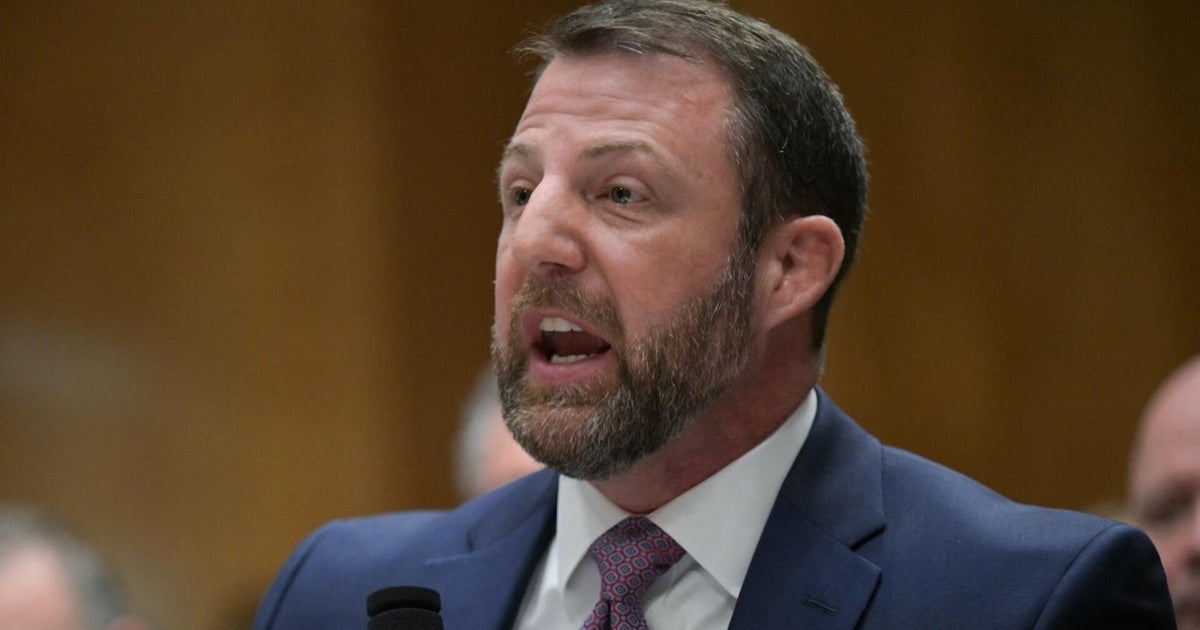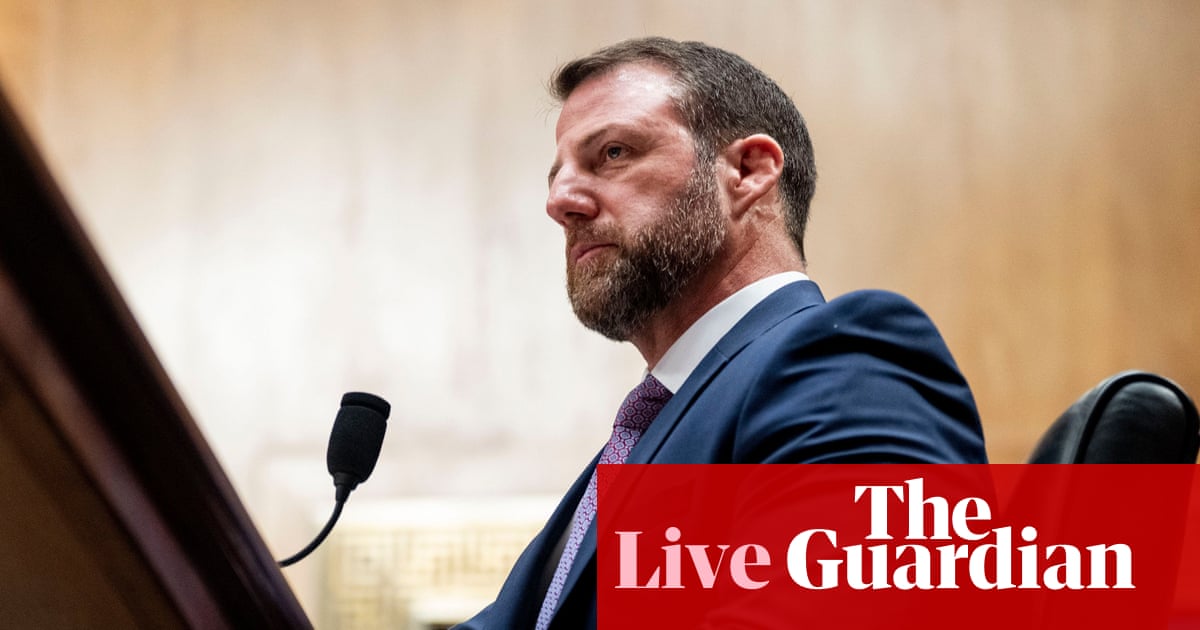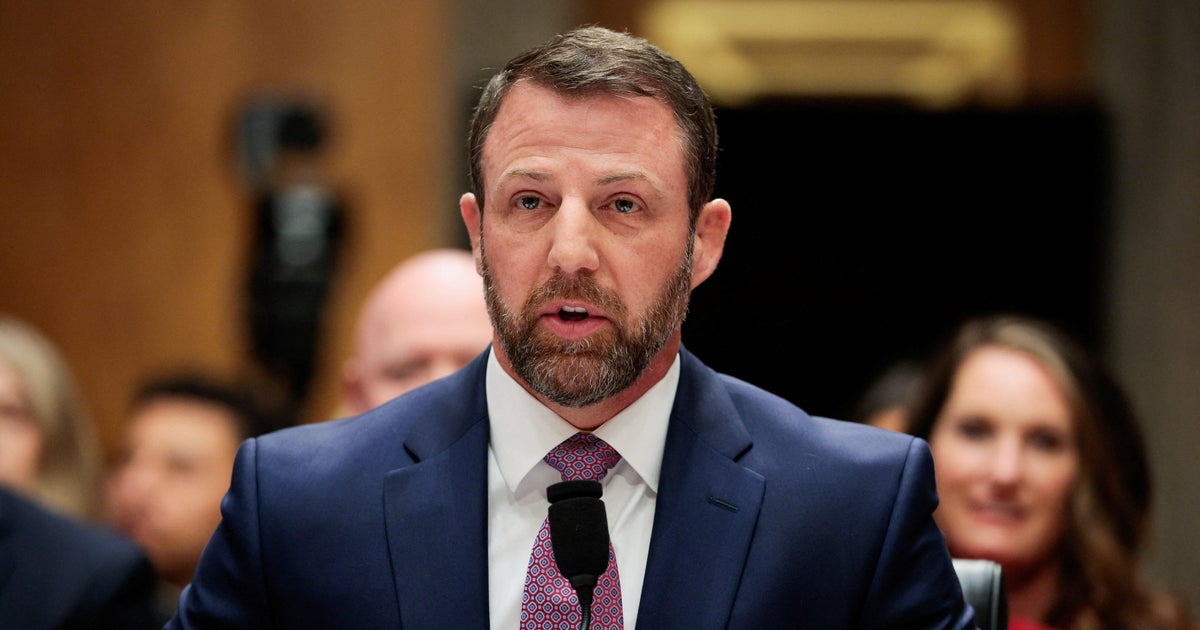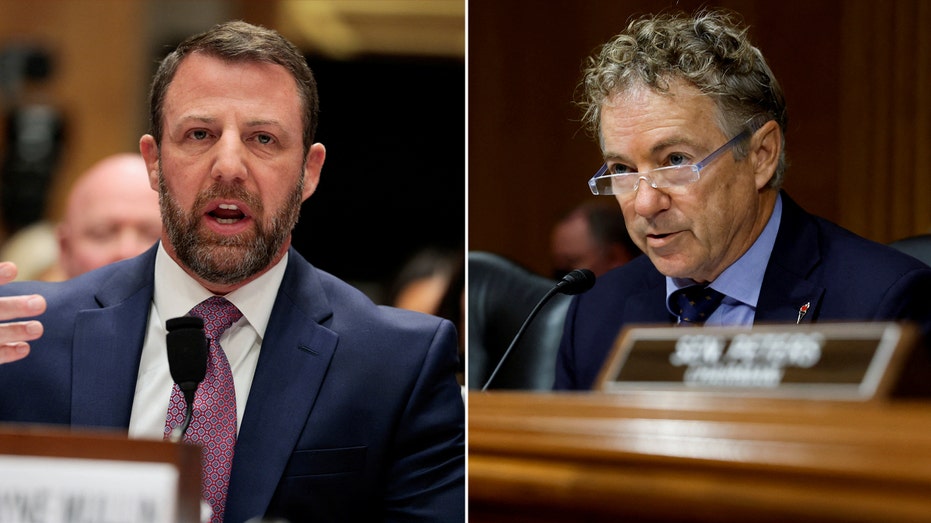



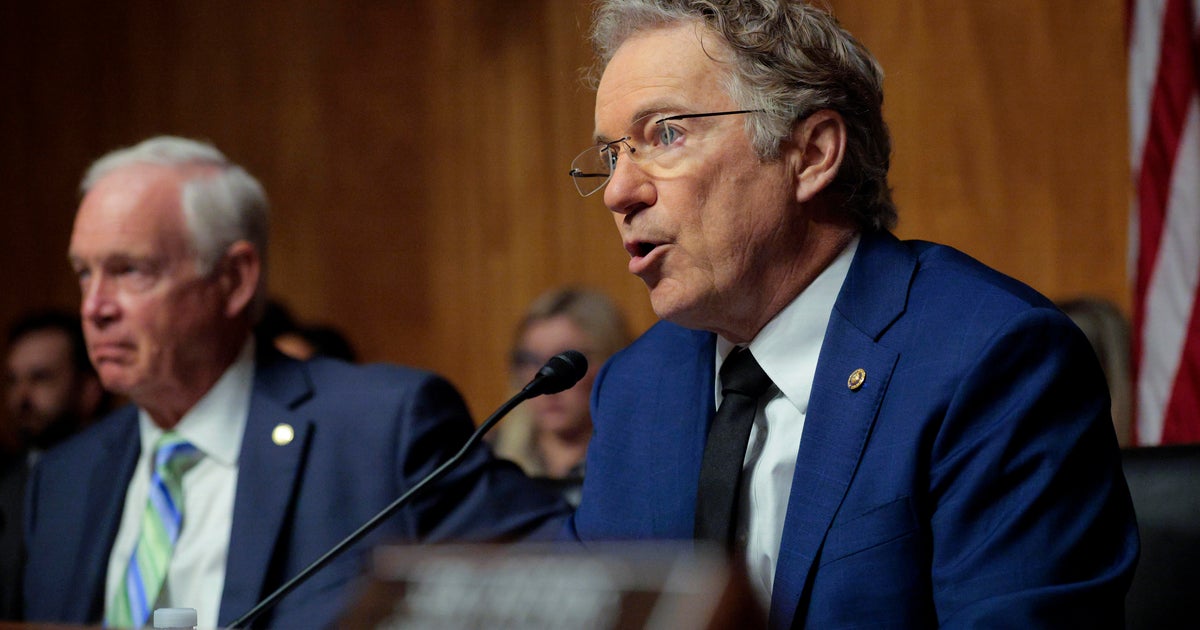
Senator Rand Paul and Senator Markwayne Mullin clashed during Mullin’s confirmation hearing for Secretary of Homeland Security, a post to which he was nominated by Donald Trump. Coverage across liberal and conservative outlets agrees that Paul repeatedly labeled Mullin “a man with anger issues,” highlighted Mullin’s past comments about the 2017 neighbor assault on Paul, and played video clips of Mullin calling Paul a “freaking snake” and saying he understood why the assault happened. Both sides report that Mullin declined to apologize or retract his prior remarks, defended his understanding of the attacker’s motives, and was also pressed on his statement that a federal officer’s shooting of Renee Good was “absolutely justified.” They concur that the hearing was unusually heated, that Paul announced he would vote “no” on Mullin’s confirmation, and that Mullin still retains support from some senators, including Democrat John Fetterman, leaving the nomination’s fate uncertain but still viable.
Liberal and conservative coverage likewise agree that this confrontation unfolded in the institutional setting of a Senate confirmation hearing before the Homeland Security Committee, where senators are responsible for vetting the nominee’s judgment, temperament, and views on law enforcement, border security, and oversight of agencies like ICE and Border Patrol. Both describe the exchange as part of a broader debate over political violence, personal conduct among senators, and standards for those overseeing domestic security. Outlets on both sides note that concerns about Mullin’s temperament intersect with substantive questions about his stance on use of force by federal officers and his capacity to manage high-stakes conflicts. They also acknowledge that the feud between Paul and Mullin predates the hearing, with earlier public insults and commentary adding personal animus to an already contentious confirmation process.
Areas of disagreement
Temperament and fitness. Liberal-aligned outlets frame Paul’s critique of Mullin’s “anger issues” as a substantive red flag about entrusting him with authority over ICE, Border Patrol, and federal law enforcement, emphasizing his refusal to show remorse for incendiary past remarks. Conservative outlets also note Paul’s concerns but are more likely to describe the confrontation as a personality clash or intra-Republican feud rather than a clear disqualifier. Liberals foreground the risk of an intemperate leader in charge of domestic security, while conservatives tend to portray the hearing as having “gone off the rails” due to heated rhetoric on both sides rather than uniquely damning behavior by Mullin.
Political violence and norms. Liberal coverage stresses Mullin’s comments about “understanding” Paul’s attacker as effectively excusing political violence and undermining democratic norms, portraying Paul’s pushback as a defense of basic standards against legitimizing assaults on elected officials. Conservative sources acknowledge the dust-up over the 2017 assault but more often contextualize Mullin’s remarks as clumsy or rooted in frustration with Paul’s behavior, not as an outright endorsement of violence. Liberals thus highlight a pattern of troubling rhetoric that makes Mullin unfit to oversee Homeland Security, while conservatives emphasize personal bad blood and mutual provocations.
Law enforcement and use of force. Liberal outlets connect Mullin’s refusal to retract his “absolutely justified” comment about the Renee Good shooting with his angry posture toward Paul, arguing that both suggest an overly aggressive, unreflective stance on state power and police violence. Conservative coverage notes the questioning on the shooting but tends to frame it as standard grilling of a Trump nominee on law-and-order credentials, suggesting Mullin is standing firm in support of officers rather than revealing extremism. As a result, liberals see this as evidence he may tolerate or encourage excessive force within DHS, while conservatives treat it as a sign of resolve in backing frontline law enforcement.
Partisan stakes and narrative framing. Liberal-aligned reporting situates the clash within a broader critique of Trump-era appointments, casting Mullin as emblematic of a hard-edged, grievance-driven style that threatens institutional stability and civil liberties. Conservative outlets, while not ignoring Trump’s role in the nomination, more often highlight internal Republican drama and frame Paul as potentially grandstanding or personalizing the confirmation fight. From the liberal perspective the episode is a warning about the kind of leadership Trump seeks at DHS, whereas conservatives more commonly depict it as a dramatic but ultimately procedural skirmish that may not derail a nominee with backing across some partisan lines.
In summary, liberal coverage tends to present the hearing as exposing deep, disqualifying concerns about Mullin’s temperament, attitude toward political violence, and aggressive approach to law enforcement, while conservative coverage tends to downplay these as partly personal theatrics and focus more on intra-Republican tensions and Mullin’s steadfast support for officers and Trump-aligned security priorities.