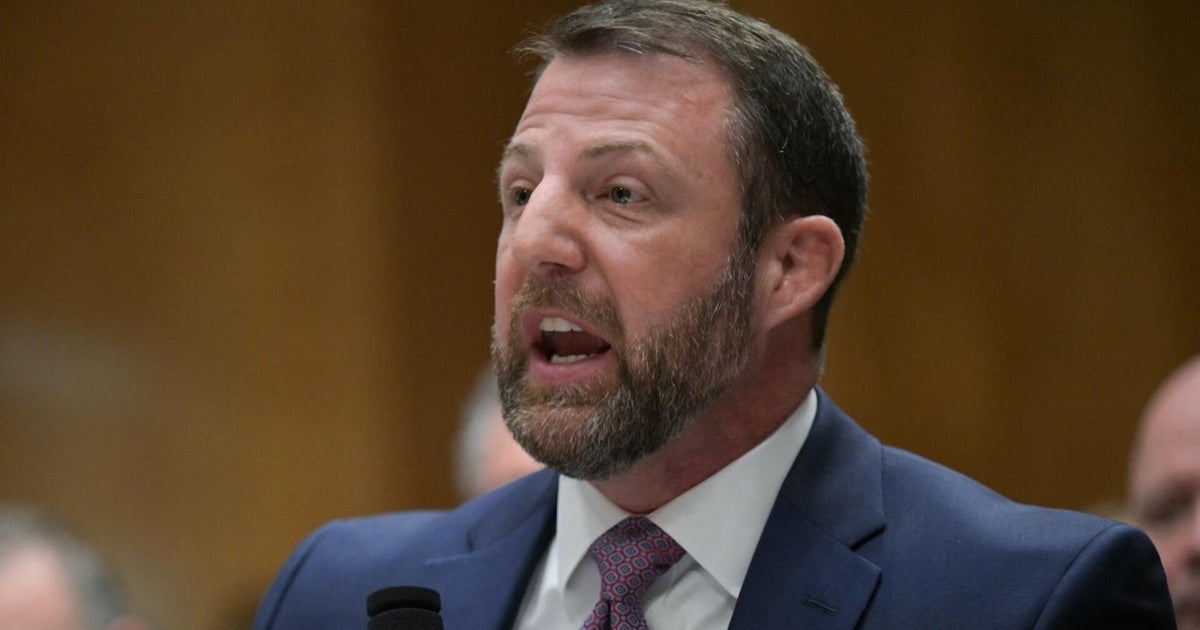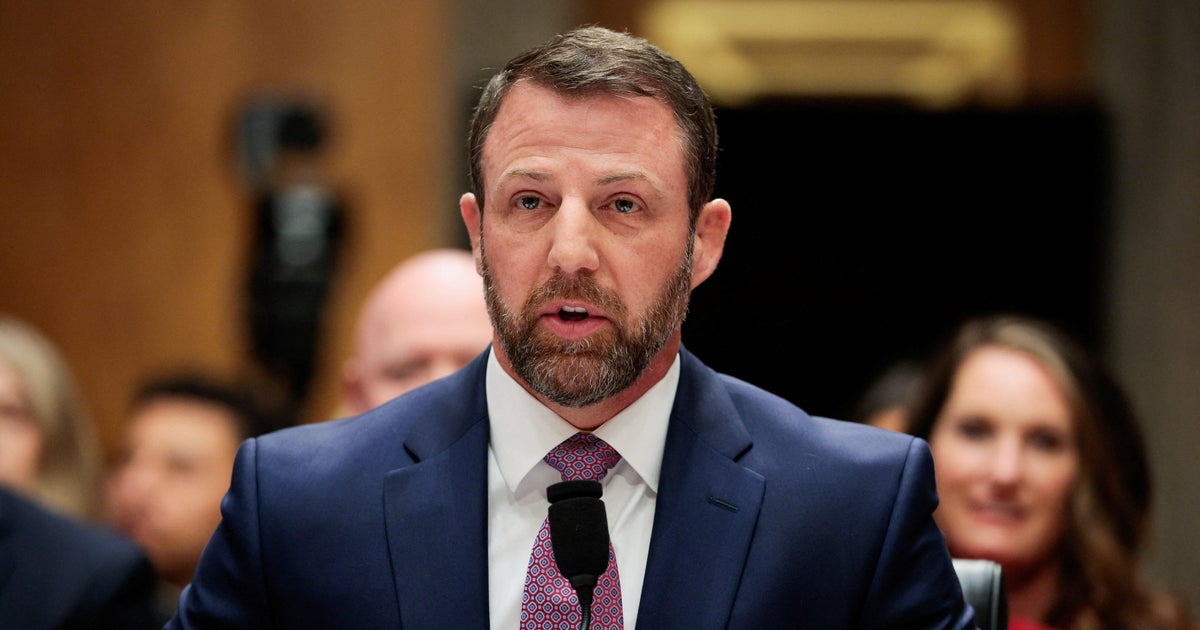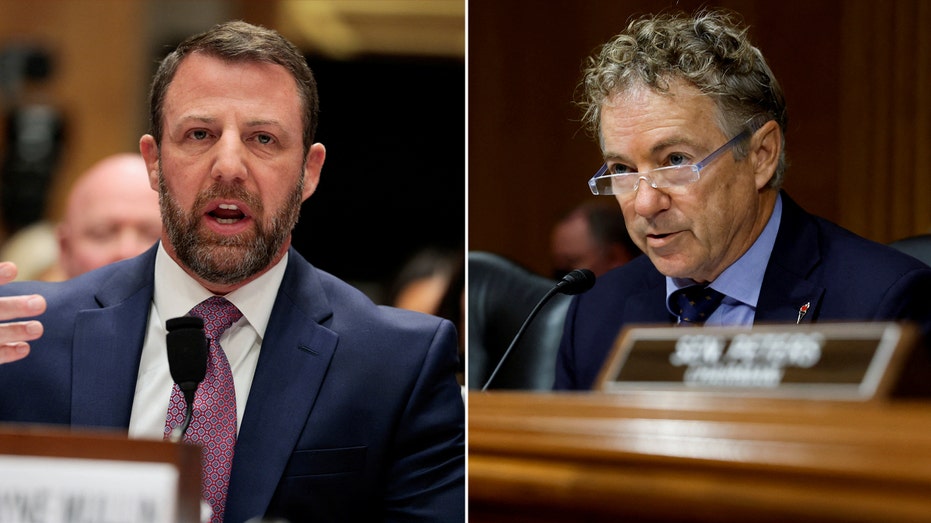


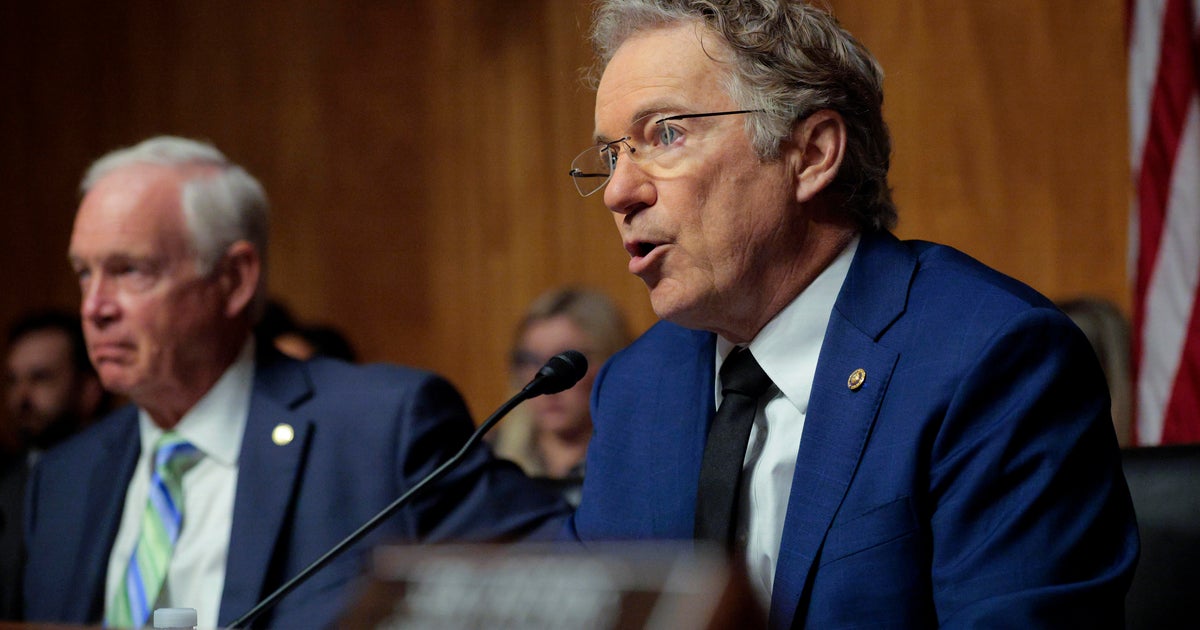
Senator Rand Paul confronted Senator Markwayne Mullin during Mullin’s Senate confirmation hearing to become Secretary of Homeland Security, a session held by the Homeland Security Committee and widely described across outlets as heated and contentious. Both liberal- and conservative-aligned sources agree that Paul declared he would vote “no” on Mullin’s nomination, repeatedly labeled him “a man with anger issues,” and questioned his fitness to oversee agencies like ICE and Border Patrol. Coverage on both sides notes that Paul replayed Mullin’s past comments about Paul’s 2017 assault, including Mullin calling him a “freaking snake” and suggesting he understood why the neighbor attacked Paul, and pressed Mullin to restate those remarks “to my face.” Reports also concur that Mullin declined to apologize or show remorse for either those statements or his earlier defense of a federal officer’s shooting of Renee Good, insisting instead that the shooting was “absolutely justified” and refusing to retract that position, while other senators, including Democrat John Fetterman, offered support that could keep the nomination viable despite Paul’s opposition.
Liberal and conservative outlets alike situate this exchange within the formal process of a high-stakes DHS secretary confirmation, emphasizing that senators from both parties questioned Mullin’s temperament and judgment as central to the role’s oversight of national security and law enforcement. They share background on Paul’s 2017 assault by a neighbor as a long-running point of tension, explaining that Mullin’s public remarks about “understanding” the attacker revived an unresolved personal and political feud. Both sides frame the Renee Good shooting as another focal case, used to test Mullin’s views on use of force and accountability for federal officers, and agree that his refusal to express regret became a key moment in the hearing. Coverage also converges on the idea that the confrontation turned what might have been a conventional confirmation proceeding into a broader test of norms around political violence, personal conduct, and the standards expected of a potential Homeland Security chief.
Areas of disagreement
Framing of the confrontation. Liberal-aligned sources depict the hearing as a serious test of Mullin’s fitness in which Paul’s grilling serves to expose troubling temperament and normalization of violence, highlighting video clips and Mullin’s refusal to show contrition. Conservative sources tend to frame it more as a personal feud spilling into an official proceeding, emphasizing the clash of personalities and the dramatic “tell it to my face” challenge rather than a substantive disqualification. Liberal coverage stresses the institutional stakes and the potential danger of elevating someone with alleged anger issues, while conservative coverage often characterizes the event as a hearing that “went off the rails” under the weight of mutual animosity.
Temperament and fitness for office. Liberal outlets generally treat Paul’s “anger issues” charge as credible and supported by Mullin’s own rhetoric, portraying his lack of remorse over both the Paul assault comments and the Renee Good shooting as evidence he is unfit to run DHS. Conservative coverage more cautiously entertains those concerns but often frames them as Paul’s opinion, suggesting Mullin’s bluntness and confrontational style may reflect toughness rather than disqualifying volatility. Where liberal pieces underscore the risk of placing law enforcement agencies under someone perceived as excusing violence, conservative pieces more frequently question whether Paul is overstating the problem due to personal grievance.
Political and partisan implications. Liberal-aligned reporting highlights the bipartisan dimension of the criticism, noting that concerns about Mullin’s judgment cross party lines even as figures like John Fetterman back the nomination, and casting the episode as part of a broader check on Trump-aligned nominees. Conservative outlets focus more on the intra-Republican nature of the dust-up, stressing that this is a rare instance of a Republican senator publicly attacking a Trump nominee and thus signaling divisions within the party. While liberal sources connect the confrontation to ongoing debates about extremism and political violence in Trump’s orbit, conservative sources more often treat it as an internal GOP drama rather than a referendum on Trumpism itself.
Treatment of the Renee Good shooting and use-of-force questions. Liberal sources foreground Mullin’s insistence that the officer’s shooting of Renee Good was “absolutely justified” and his refusal to walk that back, using it to question his approach to civil liberties, oversight, and accountability in DHS leadership. Conservative coverage acknowledges the exchange but tends to give it less prominence, presenting Mullin’s stance as consistent support for law enforcement and focusing more on Paul’s attack over the 2017 assault comments than on systemic policing issues. As a result, liberal reporting elevates the use-of-force discussion as central to evaluating Mullin’s nomination, while conservative reporting often treats it as a secondary issue in a broader personality and loyalty dispute.
In summary, liberal coverage tends to interpret the hearing as a revealing stress test of Mullin’s character and views on political and police violence that casts serious doubt on his suitability to lead DHS, while conservative coverage tends to frame it as a highly personal clash within the Republican Party that may raise questions about temperament but is at least as much about feuding personalities and internal politics as about policy substance.