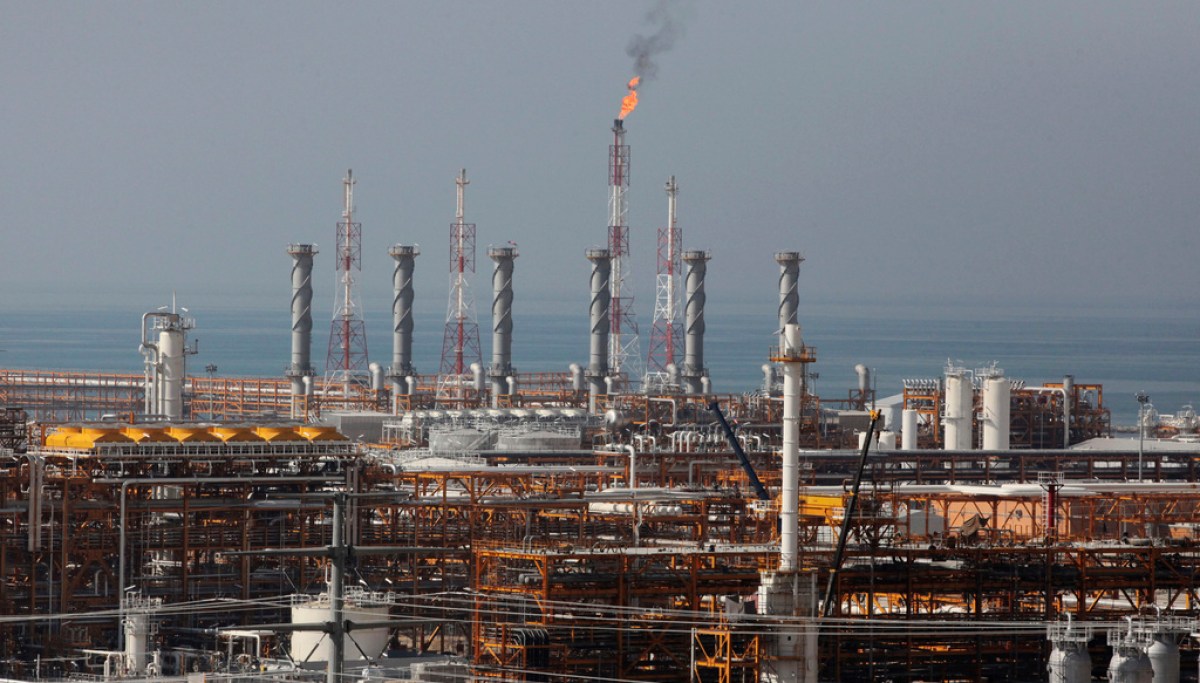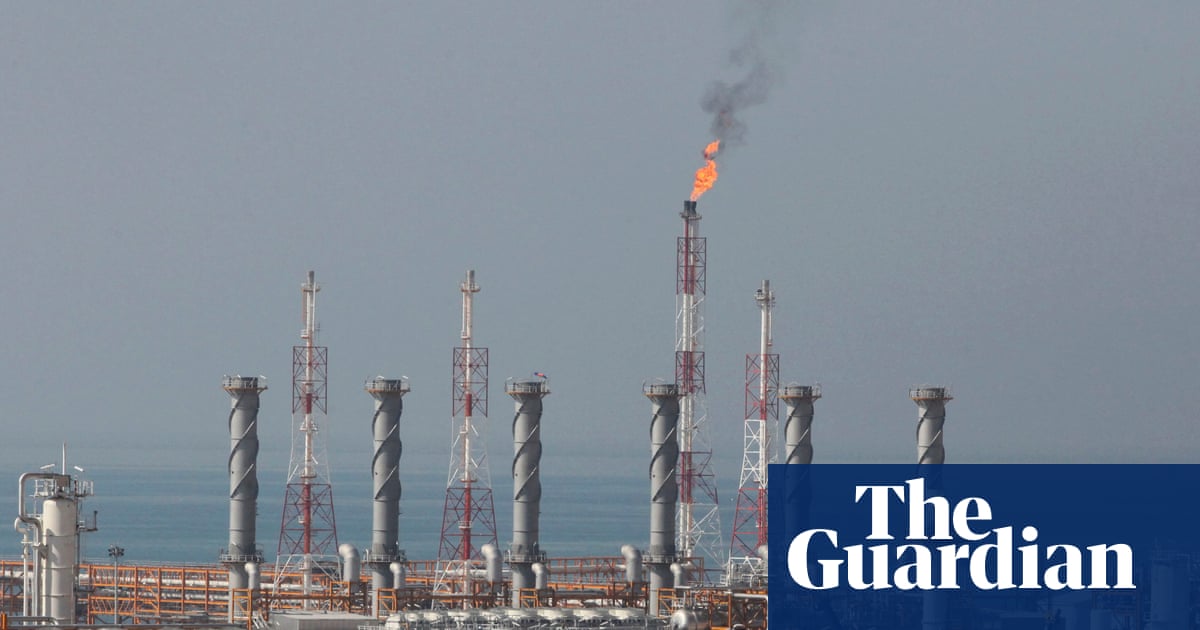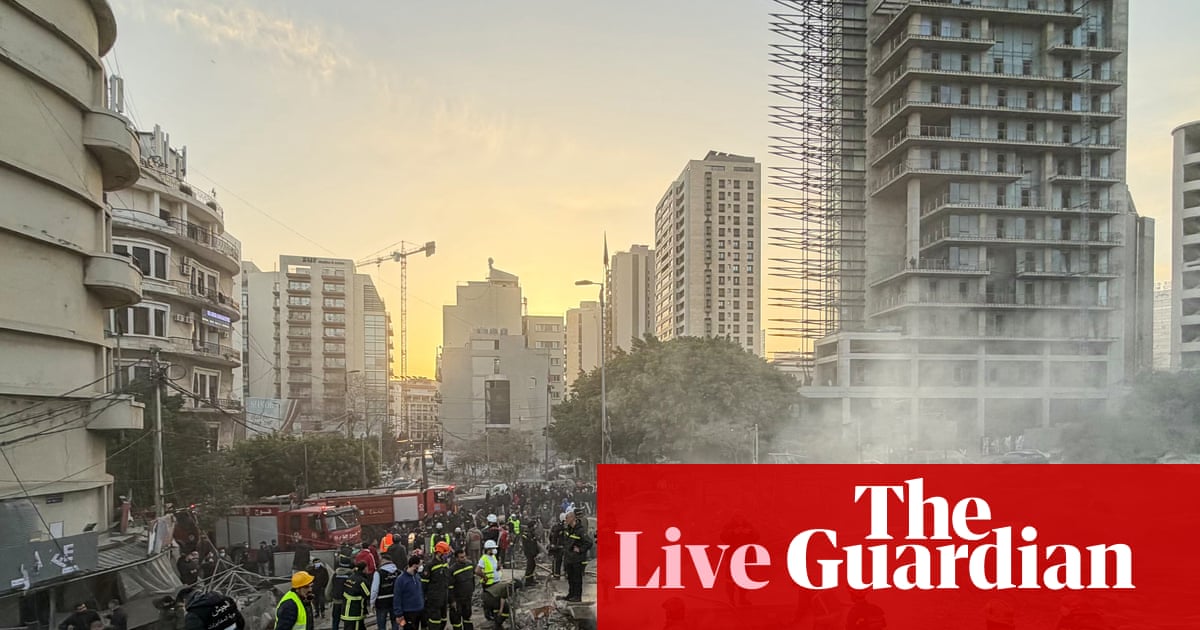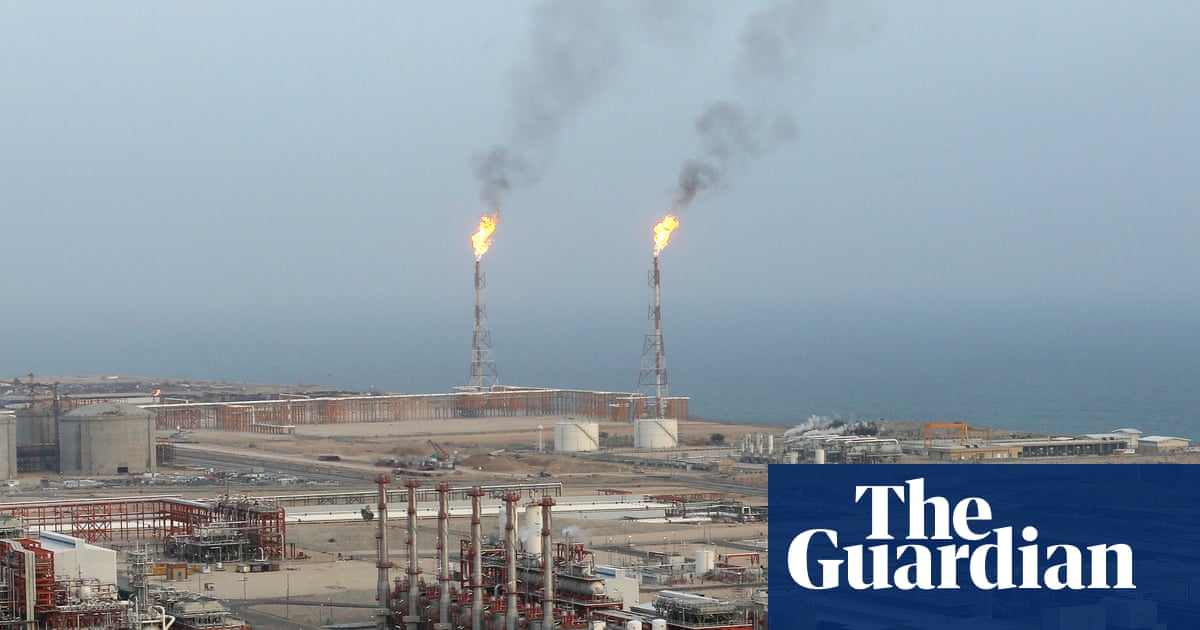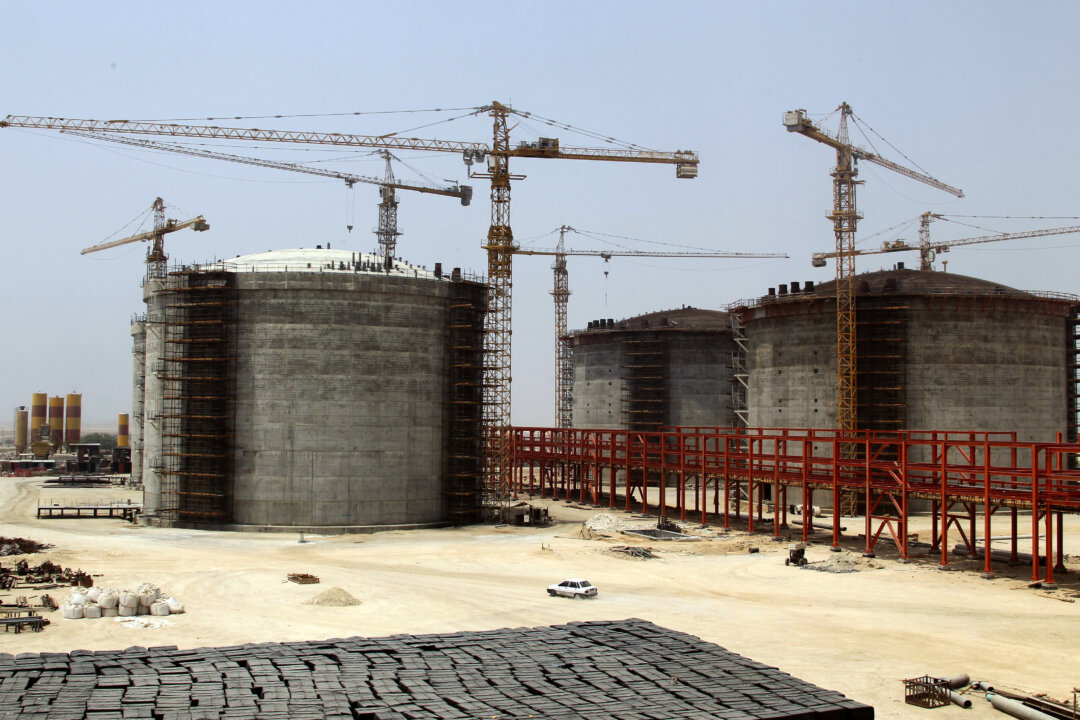


Israeli airstrikes hit Iran’s South Pars gas field and adjacent energy infrastructure near Asaluyeh, widely described by both liberal and conservative outlets as the world’s largest natural gas field and a major processing/refining hub. Coverage on both sides agrees the strike came shortly after the assassination of a senior Iranian intelligence minister, was carried out with U.S. knowledge or approval, and marks the first direct hit on a major fossil-fuel production site since the current war began. Reports concur that explosions were recorded at the site around March 18, that Gulf states such as Qatar and other regional allies expressed alarm, and that Iran vowed retaliation, including threats to energy facilities in Saudi Arabia, the UAE, and Qatar.
Across the spectrum, outlets highlight that this attack is part of a broader trend of strikes on energy infrastructure in the region, including previous hits on gasfields in Abu Dhabi and other critical facilities. Both liberal and conservative reporting underscores that South Pars is jointly operated with Qatar, that any prolonged damage could take years to repair, and that the strike immediately pushed Brent crude prices well above $100 per barrel and stoked volatility in global energy markets. There is shared emphasis on the potential for regional escalation, the risk to global energy security, and the possibility that further attacks on oil and gas infrastructure could trigger wider conflict involving Gulf monarchies and heighten uncertainty for international trade and consumers.
Areas of disagreement
Motives and strategic framing. Liberal-aligned coverage tends to frame the strike as a deliberate and dangerous escalation by Israel, often linking it to a broader U.S.-Israeli strategy under the Trump administration that risks spinning the conflict out of control. Conservative outlets more often present the operation as a logical extension of Israel’s campaign to pressure Iran’s leadership and degrade its strategic assets, mentioning the assassination of the intelligence minister as part of a justified war effort. While liberals stress the destabilizing novelty of hitting core energy infrastructure, conservatives stress deterrence and the need to confront Iran’s regional activities.
Role of the United States and allies. Liberal sources emphasize U.S. complicity or coordination, describing the strike as “coordinated with” Washington and folding it into a narrative of American escalation and responsibility for regional instability. Conservative coverage typically softens this, speaking of U.S. “approval” or knowledge but focusing more on Israel’s agency and security imperatives than on Washington’s culpability. Liberal reports also highlight sharper criticism or anxiety from Gulf allies such as Qatar, while conservative pieces underline shared concerns about Iran and frame Gulf reactions as primarily driven by fear of Iranian retaliation rather than disapproval of Israel.
Risk assessment and consequences. Liberal reporting foregrounds warnings from Iranian officials about “uncontrollable consequences,” stresses the threat to Gulf energy infrastructure, and repeatedly ties the strike to long-term damage, rising prices, and systemic risk to the global economy. Conservative outlets acknowledge the price surge and supply disruption but more often couch them as market reactions to a necessary wartime measure, with less emphasis on systemic crisis and more on short-term volatility. Liberals cast the attack as a major break in norms around targeting civilian energy production, whereas conservatives present it as part of a reciprocal campaign in which “both sides” have already been attacking energy assets.
Attribution and narrative tone. Liberal-aligned articles generally state or strongly imply that Israel carried out the strike, citing coordinated U.S.-Israeli actions and linking it to prior Israeli operations in Beirut and elsewhere, with a critical tone toward Israel’s choices. Conservative outlets sometimes lean on phrasing like “reported strikes” and “suggested the IDF were responsible,” reflecting a slightly more cautious formal attribution even as headlines often credit Israel. Liberal coverage tends to stress humanitarian and civilian-economic fallout across the region, while conservative coverage leans into military-strategic angles and Iranian saber-rattling as the main concern.
In summary, liberal coverage tends to portray the South Pars strike as a reckless U.S.-backed Israeli escalation that endangers regional stability and global energy security, while conservative coverage tends to frame it as a hard-edged but strategically justified move against Iran that produces manageable economic fallout and reinforces deterrence.