

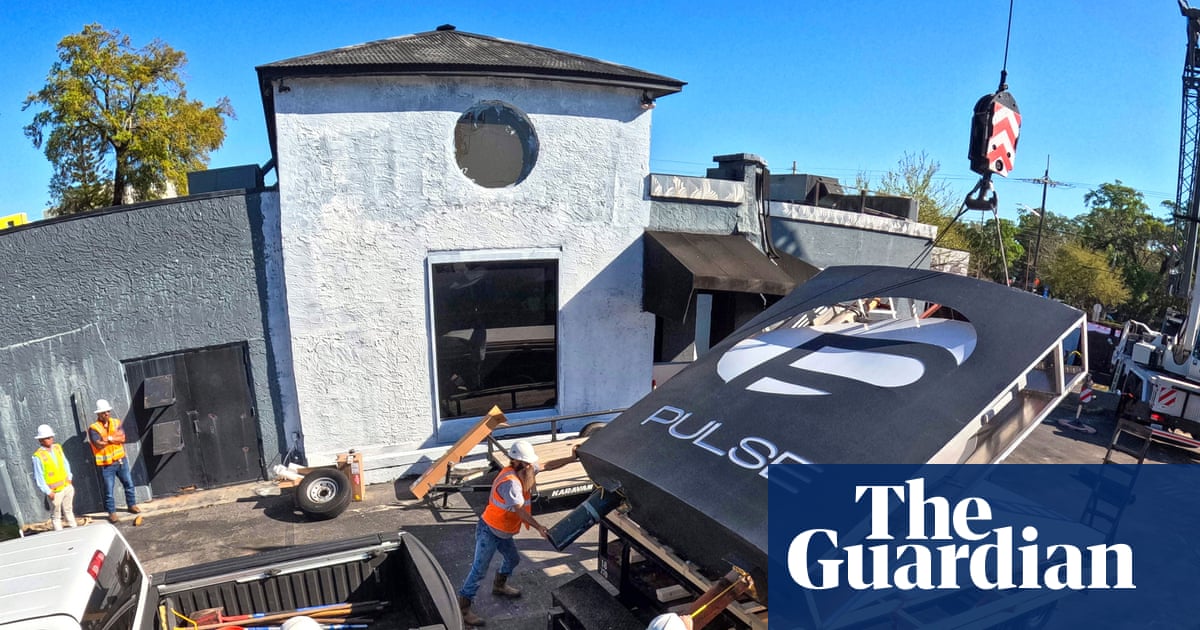
The Pulse nightclub building in Orlando, Florida, the site of the 2016 mass shooting that killed 49 people, is being demolished to make way for a permanent memorial. Both liberal and conservative outlets report that demolition work has begun and that the city plans to transform the site into a dedicated space honoring the 49 victims of the attack that occurred nearly a decade ago.
Coverage across the spectrum agrees that this marks a symbolic turning point after years of uncertainty about what to do with the structure and how best to commemorate the tragedy. Outlets on both sides note that the city-backed memorial will be a formal, permanent tribute, with liberal sources adding that it has a projected $12 million budget, final design plans expected in May, and completion anticipated in fall 2027, while conservative sources emphasize the continuity of the site as a place of remembrance for those killed.
Areas of disagreement
Symbolism and emotional framing. Liberal-aligned coverage tends to emphasize the demolition as a poignant, cathartic moment for survivors, families, and the LGBTQ+ community, describing it as a step in communal healing. Conservative coverage is more restrained in emotional tone, focusing on the fact of demolition and the future memorial without extended discussion of trauma or identity-based grief. Both sides acknowledge the emotional weight of the site, but liberal sources delve more into its symbolic resonance, while conservative ones concentrate on the practical transformation of the property.
Community and identity focus. Liberal outlets are more likely to highlight Pulse’s role as a gay nightclub and a gathering place for LGBTQ+ and Latino communities, situating the memorial within broader conversations about queer spaces and minority vulnerability. Conservative outlets generally reference Pulse as the site of a mass shooting with less emphasis on its identity-specific role, framing the victims primarily as Americans killed in a terror attack. This leads liberal coverage to stress representation and inclusion in the memorial’s design, while conservative coverage treats the memorial as a universal tribute to the fallen without extensive discussion of identity politics.
Policy and broader implications. Liberal reporting more often situates the demolition and memorial within ongoing debates about gun violence, hate crimes, and public investment in memorials, occasionally referencing the lengthy civic process and cost as part of a broader reform narrative. Conservative outlets, in the snippets available, largely avoid tying the event to policy debates, portraying it instead as a localized act of remembrance and closure. As a result, liberal coverage more frequently connects the memorial to lessons about preventing future violence, while conservative coverage keeps the focus on honoring victims rather than on legislative or structural change.
In summary, liberal coverage tends to frame the Pulse demolition and memorial as a deeply symbolic, community-centered step tied to LGBTQ+ identity and broader debates about violence and reform, while conservative coverage tends to present it as a straightforward transformation of a tragedy site into a memorial that honors the 49 victims with minimal emphasis on identity or policy context.
