

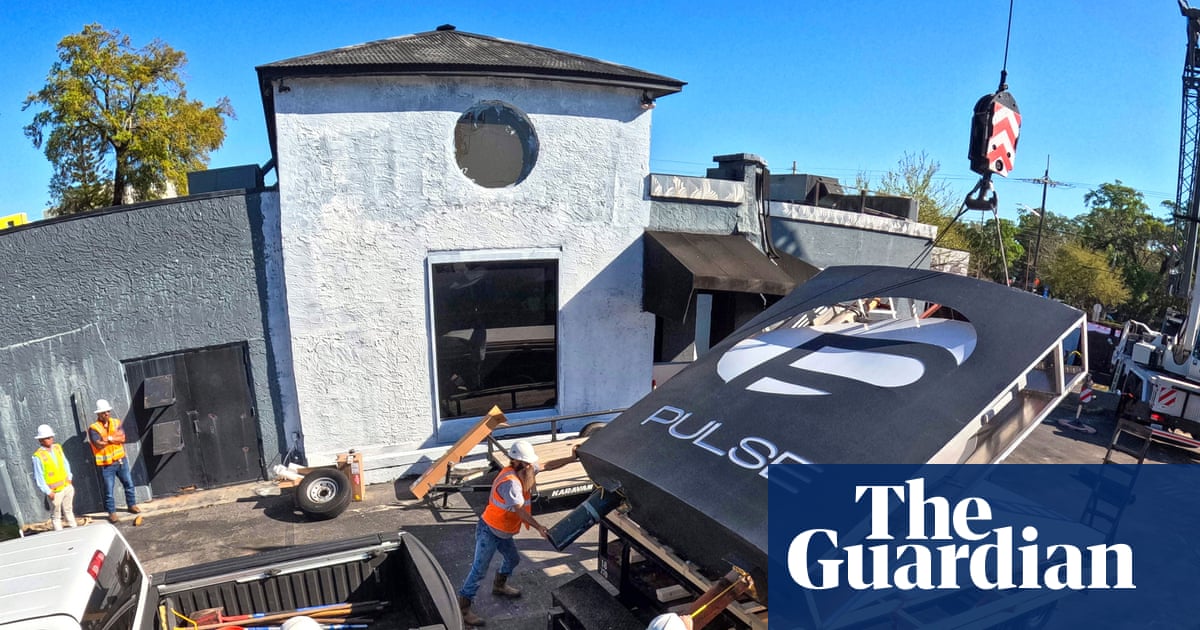
Demolition of the former Pulse nightclub building in Orlando, Florida, has begun, with crews tearing down the structure that was the site of the 2016 mass shooting that killed 49 people and wounded many others. Both liberal and conservative outlets report that the city now owns the property and is replacing the club with a permanent memorial dedicated to the victims of the attack, with coverage emphasizing the symbolism of clearing the site and the emotional response of survivors, families, and community members.
Across the spectrum, outlets describe the project as a formal memorial initiative by local authorities, noting that it follows years of discussion about how best to honor the victims and preserve the site’s significance. Liberal and conservative reports alike frame the memorial as part of Orlando’s broader effort to remember the tragedy and support healing for victims’ families, survivors, and the wider community, presenting the development as a long-awaited step in institutionalizing public remembrance.
Areas of disagreement
Framing of the event. Liberal-aligned coverage tends to fold the demolition and memorial into a larger narrative about mass shootings and the ongoing legacy of one of the deadliest attacks in modern U.S. history, frequently highlighting the scale of loss and the long delay before a permanent tribute. Conservative coverage, while acknowledging the tragedy and the number of victims, more often presents the demolition as a discrete news event with a straightforward focus on the physical transformation of the site and the creation of a memorial, with less emphasis on broader social or political themes.
Emphasis on symbolism and healing. Liberal sources typically devote more space to the symbolic end of a painful chapter for Orlando, referencing years of community debate and the emotional needs of survivors and families as a central part of the story. Conservative outlets also describe the demolition as symbolic and respectful but are more likely to summarize these emotional and communal themes briefly, placing more weight on the factual timeline of demolition and memorial construction than on extended discussion of trauma or advocacy.
Contextual depth. Liberal coverage is more inclined to situate the Pulse demolition within a longer arc of public remembrance efforts, including the scale of the planned memorial project and its role in ongoing community healing. Conservative coverage, by contrast, tends to provide a shorter contextual frame, acknowledging that the memorial honors the 49 lives lost and that the attack occurred nearly a decade ago, but offering fewer details about planning debates, projected costs, or broader civic processes behind the decision.
In summary, liberal coverage tends to frame the demolition as a deeply symbolic milestone in a long, emotionally charged process of remembrance and healing that connects to wider narratives about mass violence, while conservative coverage tends to present it as a concise factual development centered on the site’s transformation into a memorial for the 49 victims.
