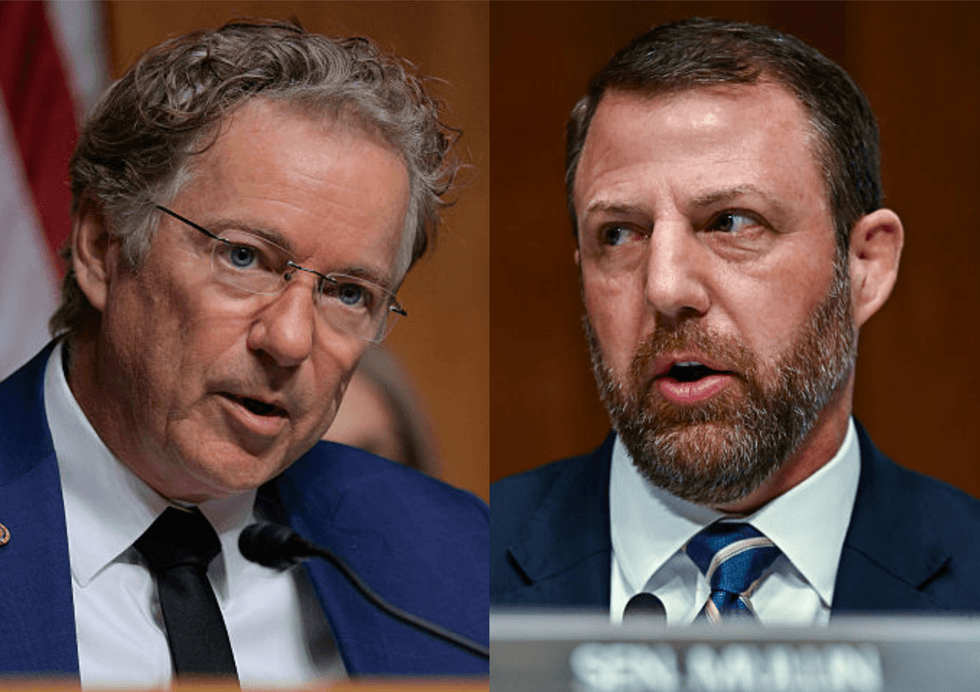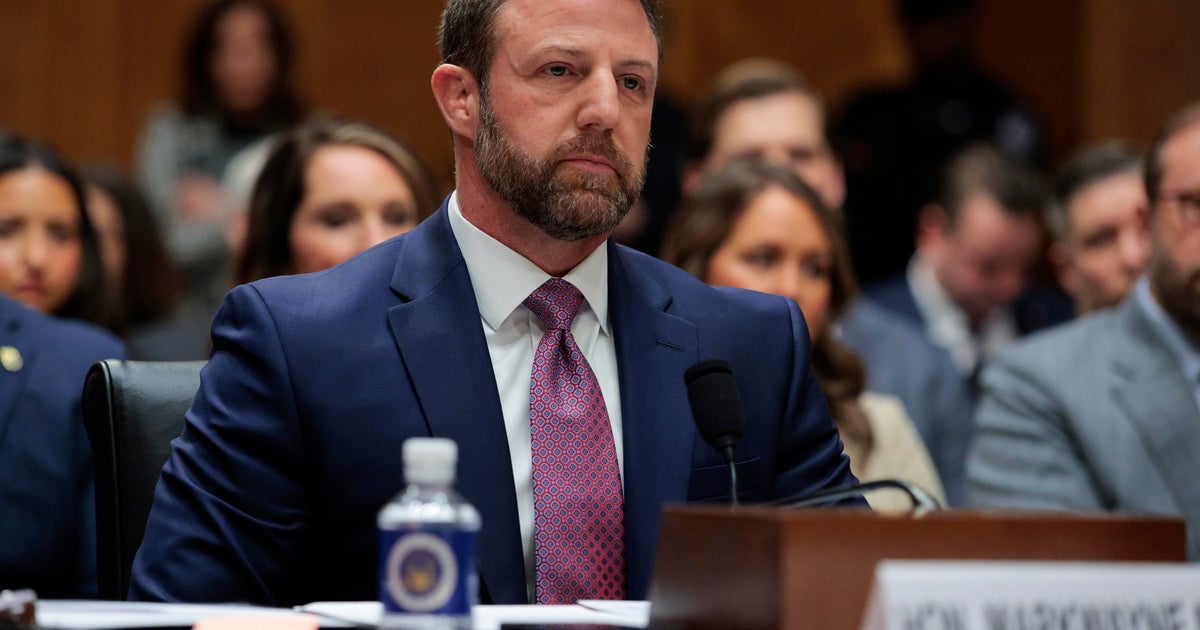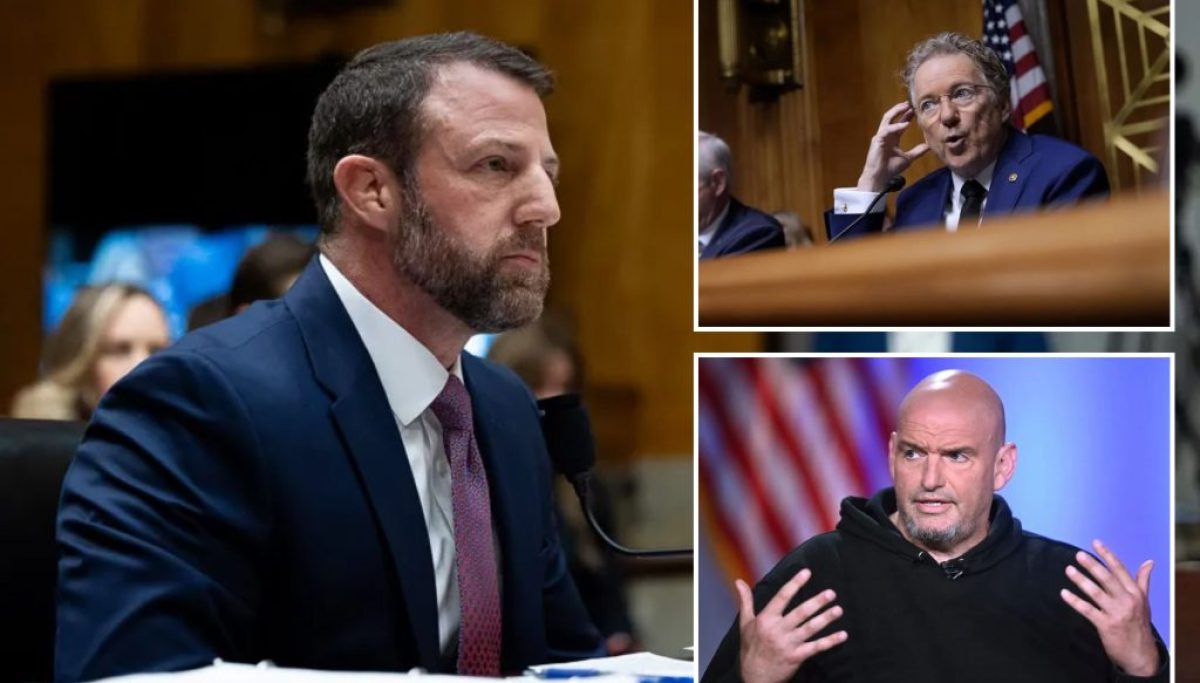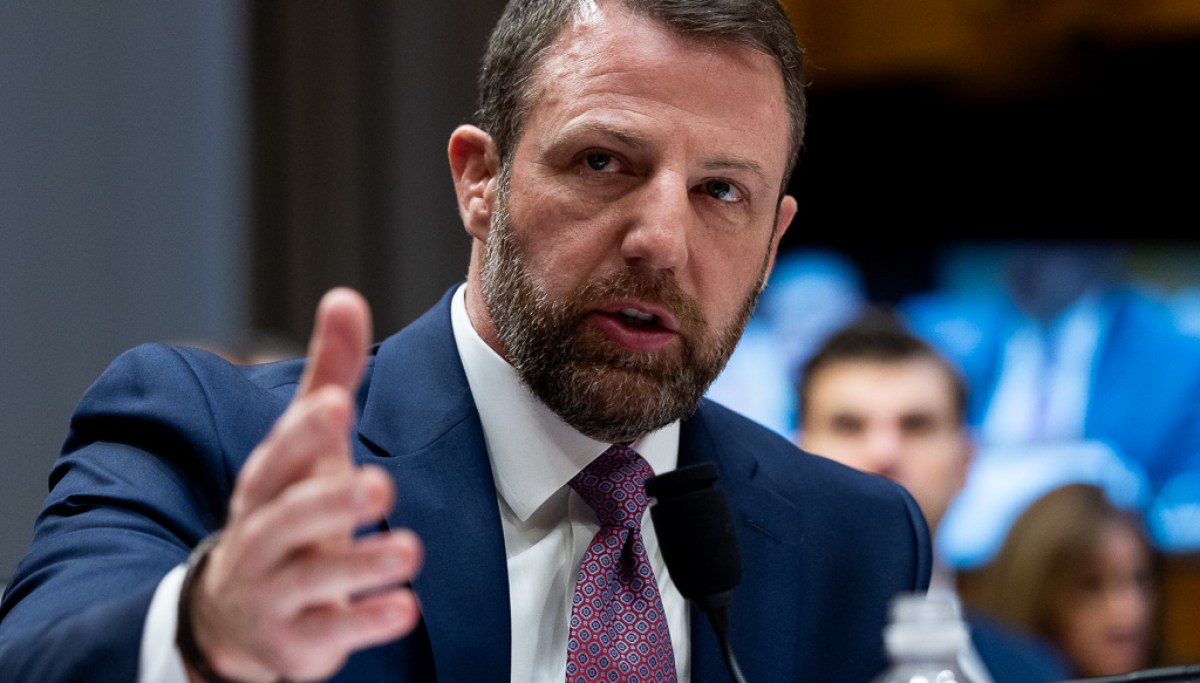




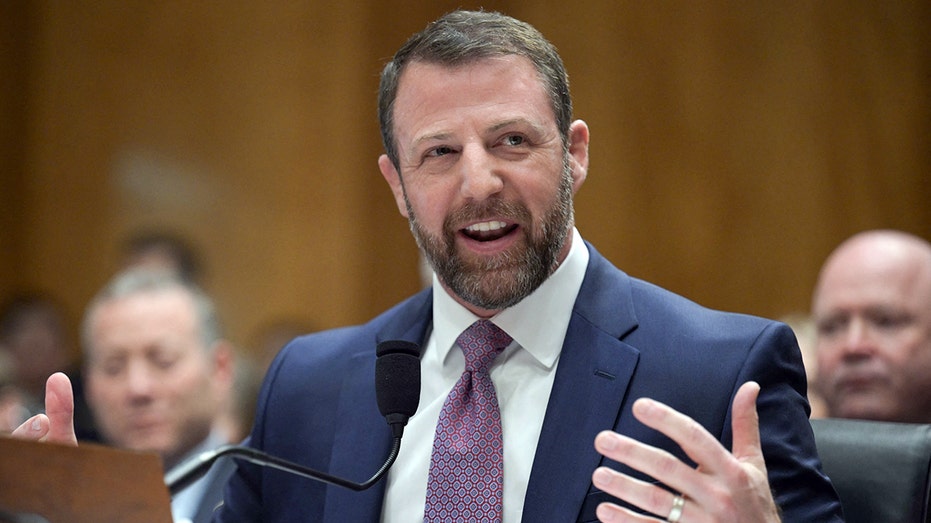
The Senate Homeland Security and Governmental Affairs Committee advanced Senator Markwayne Mullin’s nomination to serve as Secretary of the Department of Homeland Security in a narrow 8–7 vote, sending it to the full Senate for consideration by simple majority. Coverage across liberal and conservative outlets agrees that Senator John Fetterman, a Democrat from Pennsylvania, cast a pivotal “yes” vote that allowed the nomination to clear the committee despite vocal opposition from Republican Senator Rand Paul, who has publicly cited Mullin’s past comments about the assault against him and concerns about Mullin’s temperament as his reasons for opposition. Both sides note that the vote followed a contentious confirmation process, including a heated exchange over Mullin’s alleged remarks and a dispute involving a classified overseas trip, and that at least one senator in each party voted against their party’s apparent interests.
Liberal and conservative sources both situate the committee vote within the broader context of a politically charged DHS confirmation environment, where the department’s leadership is seen as central to border security, immigration enforcement, and domestic threat management. They agree that Democrats are divided between unease over Mullin’s transparency and temperament and the perceived need for stable leadership at DHS, while Republicans are split between generally supporting a Trump nominee and deferring to Rand Paul’s objections about character and fitness for leading federal law enforcement. Both sets of outlets also emphasize that the process has become a test of cross-party relationships in the Senate, with Fetterman’s personal rapport with Mullin and his stated desire for DHS to have a confirmed leader emerging as key explanations for his vote, and with Paul’s opposition framed as a significant intra-party roadblock Mullin had to overcome only at the committee stage.
Areas of disagreement
Significance of Fetterman’s vote. Liberal outlets portray Fetterman’s decisive yes vote as an unusual and somewhat uncomfortable break with many in his party, highlighting intra-Democratic anxiety about endorsing a controversial Trump nominee while still valuing institutional stability at DHS. Conservative outlets, by contrast, tend to cast his vote as a pragmatic, even commendable recognition that the department needs a confirmed leader, sometimes using it to underscore the idea that even a prominent Democrat sees Mullin as acceptable despite partisan pressure.
Characterization of Mullin’s fitness. Liberal coverage focuses more heavily on concerns about Mullin’s temperament, transparency, and alleged comments regarding political violence, often echoing or amplifying arguments that such behavior is disqualifying for the head of a major law-enforcement and security agency. Conservative coverage generally downplays or brackets those character issues, framing Mullin instead as a tough and capable ally of Trump whose rough edges are less important than his willingness to reform DHS and assert stronger control over border and homeland security.
Framing of Rand Paul’s opposition. Liberal-aligned sources describe Paul’s opposition as a substantive red flag about Mullin’s suitability, underscoring his references to political violence and anger issues as evidence that concerns cross intra-Republican lines. Conservative outlets more often present Paul as a lone holdout or irritant complicating an otherwise straightforward confirmation, sometimes highlighting his personal dispute with Mullin and suggesting his stance is idiosyncratic rather than indicative of broader doubts about the nominee.
Meaning for DHS and Trump’s agenda. Liberal coverage tends to frame the advancement of Mullin’s nomination as a potential step toward hardening Trump-era immigration and security policies, raising alarms that a more aggressive DHS chief could intensify controversial enforcement practices. Conservative coverage frames the same development as an overdue course correction for a troubled agency, arguing that Mullin’s confirmation would finally give Trump a loyal, reform-minded leader at DHS capable of implementing stronger border controls and restoring what they see as needed discipline and resolve.
In summary, liberal coverage tends to treat Mullin’s advancement as a narrowly won, fraught step that heightens concerns about temperament, political violence, and the future direction of DHS, while conservative coverage tends to present it as a hard-fought but encouraging win for effective leadership and Trump-aligned reform that only a few outliers in either party truly oppose.
Story coverage