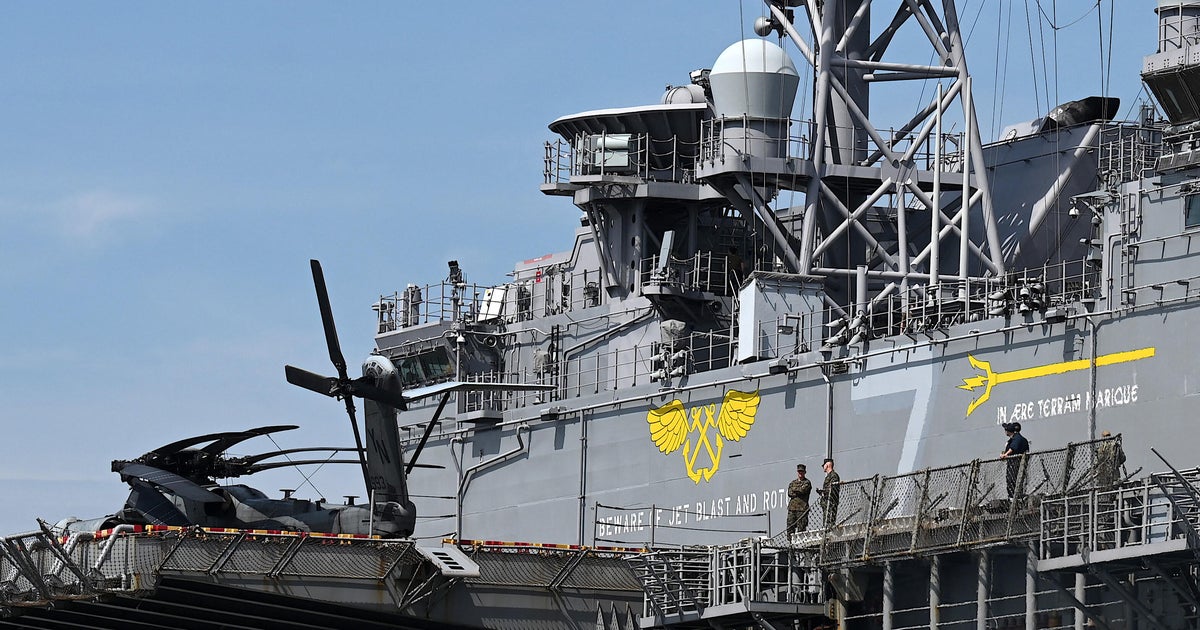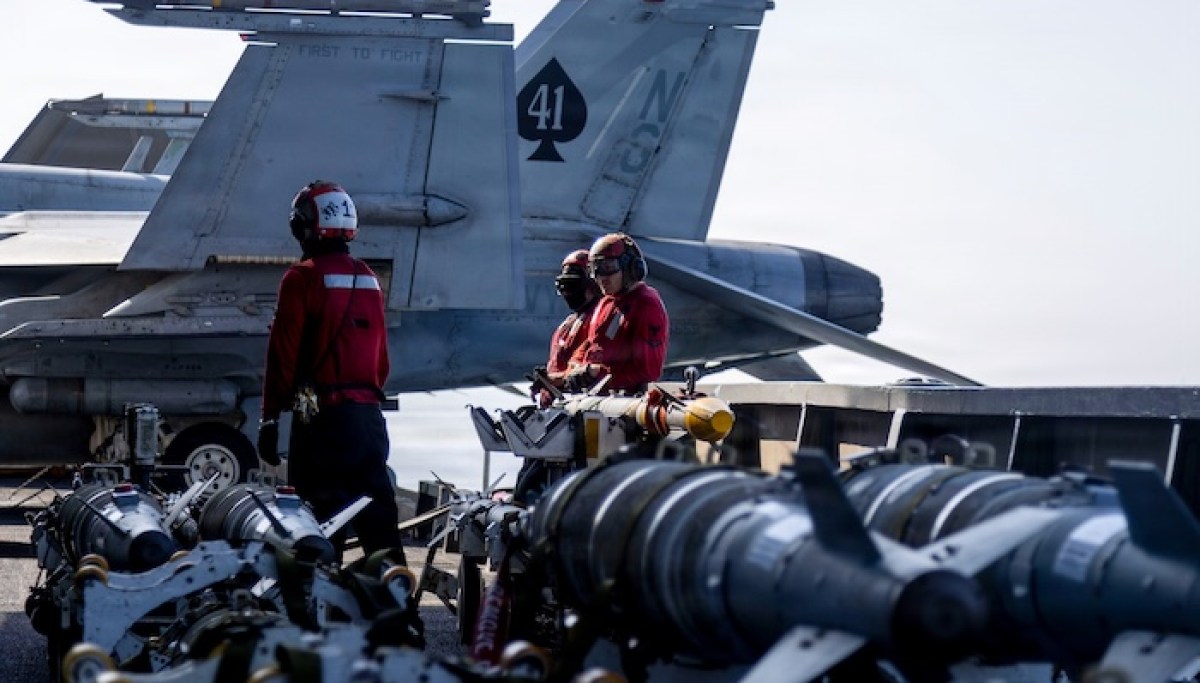


The latest reports across both liberal- and conservative-leaning outlets agree that the United States is sending a major additional naval and Marine presence to the Middle East as the war with Iran enters its third week. Coverage consistently describes the deployment as involving three more warships and thousands of Marines and sailors, including the 2nd Marine Expeditionary Unit of roughly 2,200 Marines that has departed from California, while another Marine unit is already en route. Both sides note that the mission centers on the broader theater around the Strait of Hormuz, with U.S. officials and commentators highlighting its importance as a vital global shipping lane, and that the Pentagon has opted to speed up the deployment timetable. There is broad agreement that the deployment is unfolding amid heightened Iranian threats of retaliation, including threats against U.S. and Israeli officials and, more broadly, against recreational or tourist locations worldwide.
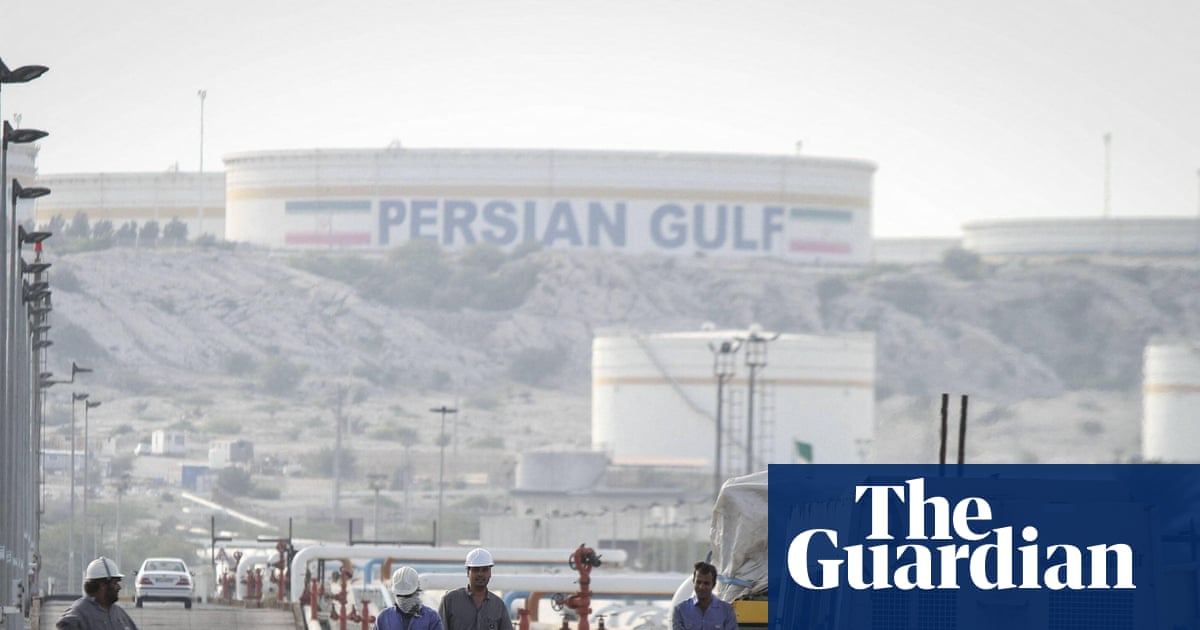
Liberal and conservative sources alike situate the deployment in the context of an intensifying U.S.-Iran conflict in the Middle East that has now stretched on for about three weeks, with maritime security in and around the Strait of Hormuz as a central concern. Both sides reference Iran’s efforts to disrupt shipping and the allied response, noting that several countries have announced joint efforts with Washington to secure the strait and that U.S. forces may consider more coercive options, such as a blockade or control of strategic locations like Iran’s Kharg Island. They also agree that the decision is being driven by the perceived need to protect commercial traffic, deter further Iranian attacks, and reassure regional and NATO partners, even as political leaders publicly spar over burden-sharing and the risks of escalation. Across the spectrum, the deployment is framed as part of a broader pattern of U.S. military commitments in the region and the enduring centrality of Gulf energy routes to global markets.
Areas of disagreement
Motives and strategy. Liberal-aligned coverage tends to frame the buildup as an escalation driven by hawkish impulses in Washington, highlighting how talk of occupying or blockading Kharg Island risks widening the war and entangling more U.S. forces. Conservative outlets more often portray the same moves as a necessary show of strength and deterrence aimed at securing the Strait of Hormuz and responding to Iranian aggression. While liberal sources question whether this reflects a coherent endgame or just mission creep, conservative sources tend to emphasize that accelerating deployments signals resolve and may enable a later wind-down on U.S. terms.
Risk and responsibility. Liberal reporting stresses the dangers of sending more American troops into an already volatile theater, underscoring the potential for casualties, blowback, and further regional destabilization, and often casting U.S. leaders as at least partially responsible for escalating tensions. Conservative coverage focuses more on Iran’s responsibility, foregrounding Tehran’s threats against tourism sites and its role in disrupting shipping as primary drivers of the crisis, and generally downplays U.S. culpability. Where liberal sources highlight public concern about another large-scale Middle East commitment, conservative sources tend to frame any hesitation as a failure to confront an aggressive adversary.
Allies and international response. Liberal-aligned outlets give significant attention to Trump’s harsh rhetoric toward NATO allies, describing his language as alienating and counterproductive at a moment when cooperation is needed to manage the Strait of Hormuz. Conservative sources, by contrast, often present his criticism as a justified demand that European partners do more to shoulder security burdens, even as they note that several countries are already joining maritime security efforts. For liberals, the story is partly about fraying alliances and diplomatic mismanagement, while conservatives cast it as overdue pressure on allies who have long underinvested in collective defense.
Prospects for de-escalation. Liberal coverage tends to highlight how increasing troop and warship numbers makes de-escalation harder, warning that measures like a blockade could lock both sides into a prolonged confrontation. Conservative outlets give more weight to Trump’s hints about a possible wind-down, arguing that overwhelming force in the short term can create conditions for a negotiated off-ramp. Liberals generally see current moves as deepening U.S. entanglement in another Middle East conflict, whereas conservatives are more inclined to argue that assertive action now could shorten the crisis and restore deterrence.
In summary, liberal coverage tends to emphasize escalation risks, alliance strains, and U.S. responsibility for deepening military involvement, while conservative coverage tends to stress Iranian aggression, the necessity of a robust show of force, and the possibility that decisive action now could enable a more favorable wind-down later.